

Cover Photo: Courtesy of Hotel Okura Manila
Photo: Courtesy of Hotel Okura Manila
1 / 1
At the newly opened Hotel Okura Manila, shabu shabu is an especially reverent feast
The Japanese hot pot or shabu shabu is a dish that brims with as much history and tradition as it does flavour and comfort. Nearly the same can be said for the highly regarded, Michelin-recognised restaurant Yamazato Amsterdam, which traces its origins to more than half a century ago when it first opened at Hotel Okura Tokyo in 1962. Now infinitely closer to fans of the steamy hot pot in Manila, Yamazato's shabu shabu menu in Hotel Okura Manila guarantees an epicurean excursion you can’t afford to miss.
See also: The 23 Best Japanese Restaurants in the Tatler Dining Guide 2022

Above Photo: Courtesy of Hotel Okura Manila
Photo: Courtesy of Hotel Okura Manila
1 / 1
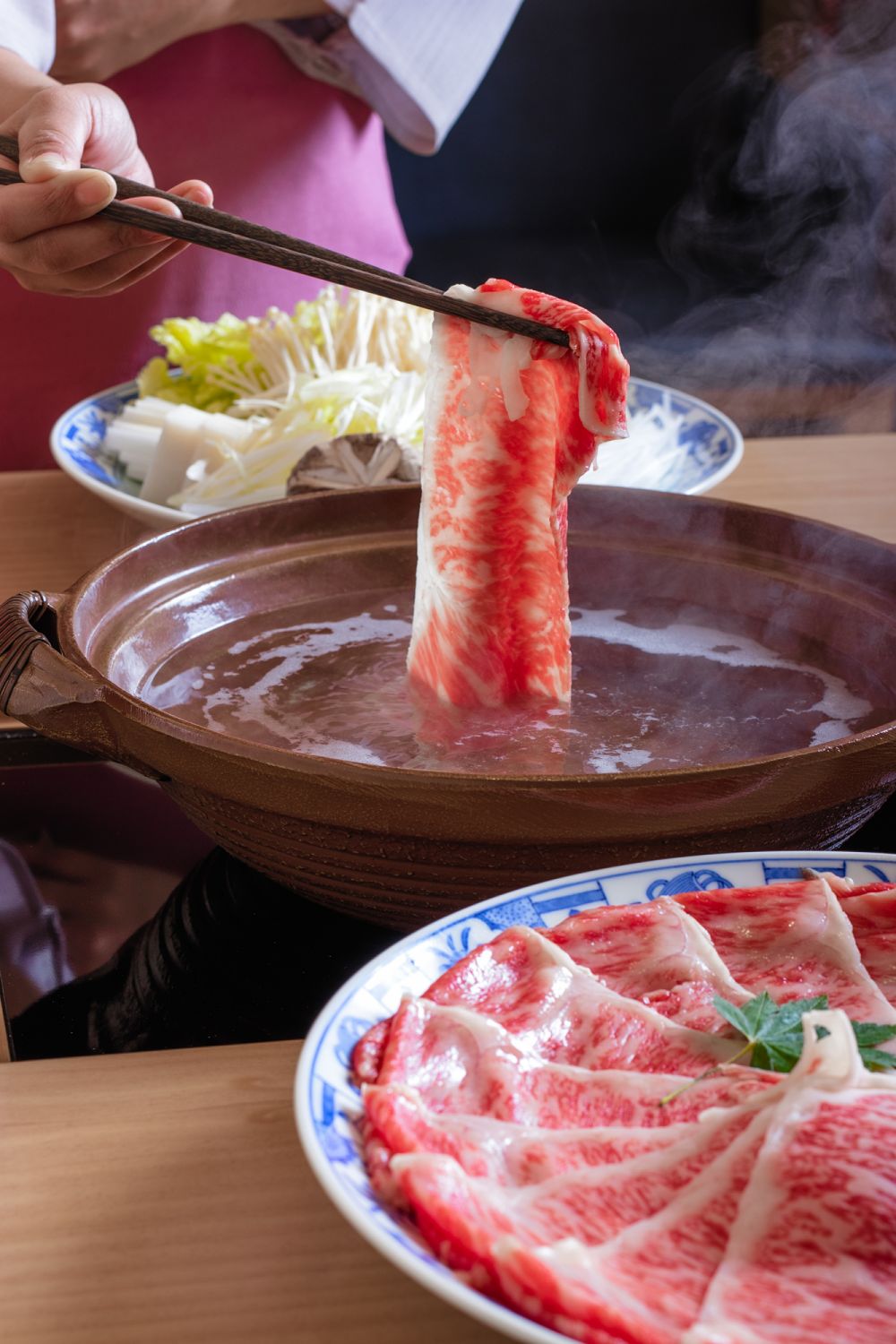
While often mistaken as synonymous with other Asian hot pot dishes, the traditional Japanese shabu shabu is notably distinct for its indulgently unhurried manner of preparation. Whereas most hot pot meals will have all the ingredients cook together at once, shabu shabu requires that its ingredients are actually cooked piece by piece, with the meat preceding the vegetables and noodles so that the broth is made richer with umami flavours. In fact, this act of lightly swishing each thinly sliced piece of meat through the broth actually inspires the name of the very dish, as “shabu shabu” itself is a Japanese onomatopoeia after the sound for “swish swish”.
Above Photo: Courtesy of Hotel Okura Manila
Photo: Courtesy of Hotel Okura Manila
1 / 1
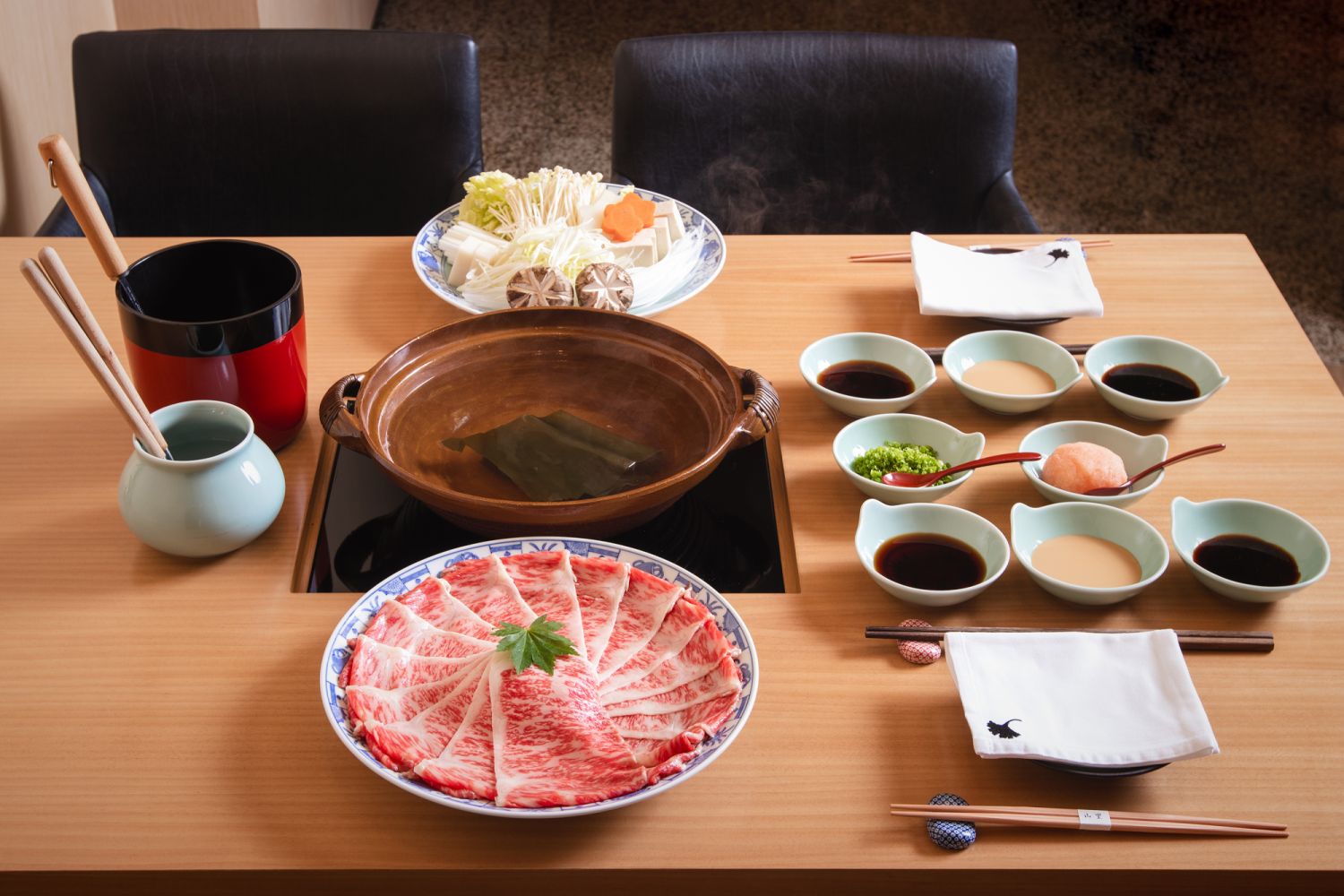
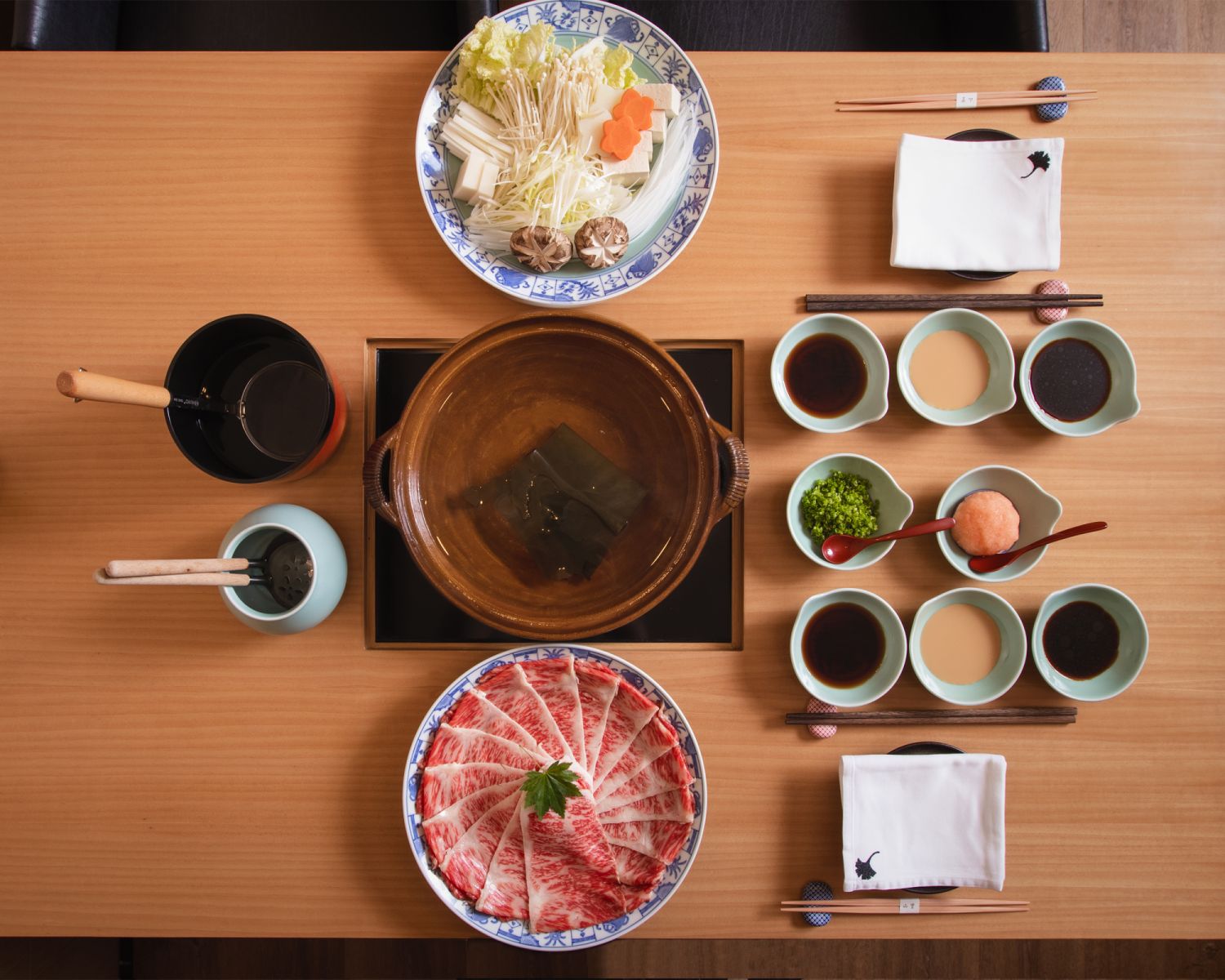
At Hotel Okura Manila’s stunning Yamazato restaurant, you can expect to be served a pot of simmering kombu dashi broth along with plates of your choice among prime Wagyu beef cuts, fragrant shiitake, fresh vegetables, tofu, and arrowroot noodles with three dipping sauces: a light, citrus-flavoured “ponzu”, a creamy sesame sauce known as “goma dare”, and a vinegar soy sauce mixed with mirin, sake, and sesame oil.
Already prepared by steeping kombu dashi or kelp in water and Japanese sake, the broth will need only four to five minutes with the lid on to boil; at this point, you can remove both the hotpot cover and the kombu kelp to begin cooking the meat.
See also: A Sucker for Sake: 5 Surprising Sake Pairings From Sommelier Tadeo Chua
Above Photo: Courtesy of Hotel Okura Manila
Photo: Courtesy of Hotel Okura Manila
1 / 1
While the broth is boiling, the tender slices of Wagyu beef come into court. To savour every bit of the traditional shabu shabu experience, cook only enough meat for one or two bites at a time as this will allow you to relish every bite while getting to enjoy the company you’re with even more.
Condiments such as the minced spring onions, grated daikon radish, and Momiji oroshi can also help customise the flavour of your broth. The bite-sized vegetables can be added to the pot after the heat is reduced to a simmer, and it helps to begin with the carrots and napa cabbage as these take longer to cook. Leeks and other green vegetables can be placed later, right before the arrowroot noodles and mochi. To finish the meal, you can also opt to add udon noodles or rice and egg to the broth to make a savoury porridge.
Indeed, only a truly authentic experience of the shabu shabu awaits at Yamazato. If reading through its distinguished cooking style has you hungry for a taste much like it had us, then wait no sooner to revel in Yamazato’s magnificent cuisine on your next sojourn to Hotel Okura Manila.
Find out more here. For reservations and more information, follow Hotel Okura Manila on Facebook and Instagram.
NOW READ
Carnivorous Cravings: 10 Retailers That Specialise In Delicious Steaks
How to Elevate Your Instant Noodles: 9 Easy Hacks You Should Try
Filipino Chef Mike Collantes Wins Michelin Star for Japanese Restaurant Soseki Modern Omakase
Topics





