

Cover David Yeung, co-founder and CEO, Green Monday
David Yeung, co-founder and CEO, Green Monday
1 / 1
Skipping meat, maximising ingredients, reducing food waste—these are but a few things Asia’s sustainable-food champions want you to consider
Sustainable gastronomy, says to the Food and Agricultural Association of the United States, focuses on the entire food journey, from how ingredients are grown to their arrival on the plate. It emphasises local and seasonal produce, reduces food waste, and supports ethical farming practices, all of which are crucial for minimising food’s ecological footprint.
To highlight environmentally friendly food systems, the United Nations has designated June 18 as Sustainable Gastronomy Day. In the region, the food champions of Asia’s Most Influential are working to encourage sustainable gastronomy by innovating lab-grown meat, implementing intelligent farming practices, and advocating for vegan and locally sourced food. Their efforts in mindful eating support the planet and help ensure resilient, equitable food systems for future generations.
Also read: How Asia’s eldercare guardians are helping seniors live with dignity
Jordy Navarra, chef, Toyo Eatery and Panaderya Toyo (Philippines)


Above Jordy Navarra, chef, Toyo Eatery and Panaderya Toyo
Jordy Navarra, chef, Toyo Eatery and Panaderya Toyo
1 / 1
In 2023, chef Jordy Navarra’s Toyo Eatery achieved twin wins from Asia’s 50 Best Restaurants, being hailed as The Best Restaurant in the Philippines and receiving the Flor de Caña Sustainable Restaurant Award. In his interview with 50 Best, Navarra shared how he has always been mindful of the environment, preferring vegetables for Toyo’s menu (it introduced a vegan tasting menu in 2020), choosing local suppliers and traditional artisans for ingredients like heritage rice and rare salts, and optimising his restaurant’s operations to achieve zero-waste by 2025. “Where we are now is about forming and furthering relationships with the fundamental players that nurture our country,” the chef wrote of Toyo’s sustainability journey on Instagram. “It is about engaging the creative community so that heritage crafts and indigenous ingenuity do not flicker out. It is about focusing our attention on closing loops.”
Read Jordy Navarra’s full profile on Asia’s Most Influential
Thitid Tassanakajohn, founder, Le Du and Nusara (Thailand)

Above Thitid Tassanakajohn, founder, Le Du and Nusara
Thitid Tassanakajohn, founder, Le Du and Nusara
1 / 1
“I really believe that a chef is ultimately more than just someone who cooks food. A chef can change a lot—people’s minds, perceptions, what people eat, the world,” said chef Thitid Tassanakajohn to Tatler. Apart from championing Thai flavours at Le Du, his one-Michelin-starred restaurant that was also ranked first in Asia’s Best Restaurants 2023, the chef emphasises sustainability by sourcing ingredients locally and preventing food wastage. Le Du works closely with farmers and fisheries across Thailand, such as Tan Khun Organic Farm and Prosun Farm, both of which offer free-range poultry. In an interview with Michelin Guide, the chef also revealed how he maximises the use of ingredients, creating stock from fish bones or transforming kale stem into oil.
Read Thitid Tassanakajohn’s full profile on Asia’s Most Influential
Carrie Chan, CEO and co-founder, Avant Meats (Hong Kong)

Above Carrie Chan, CEO and co-founder, Avant Meats
Carrie Chan, CEO and co-founder, Avant Meats
1 / 1
“[T]he industry is doing a lot [to educate], to share information with the public to let them know what the process is like—which is actually very similar to making beer and yoghurt. If we enjoy these, I think we shouldn’t be afraid of [cultivated meats],” said Carrie Chan to Tatler about the production of lab-grown meat. In 2018, Chan pivoted from architecture to the world of alternative proteins with Avant Meats. To create its fish maw and fish fillet products, the company first isolates starter cells from healthy fish and then feeds them nutrients in a bioreactor. Apart from producing microplastic-free and nutrient-rich meat, the replicable process is faster and more environmentally friendly than traditional fish farming. After starting its pilot plant production in 2023, Avant Meats is now looking to scale its operations with more bioreactors. By 2025, the sustainable food company aims to establish a global presence for its good-for-the-planet products.
Read Carrie Chan’s full profile on Asia’s Most Influential
David Yeung, co-founder and CEO, Green Monday (Hong Kong)
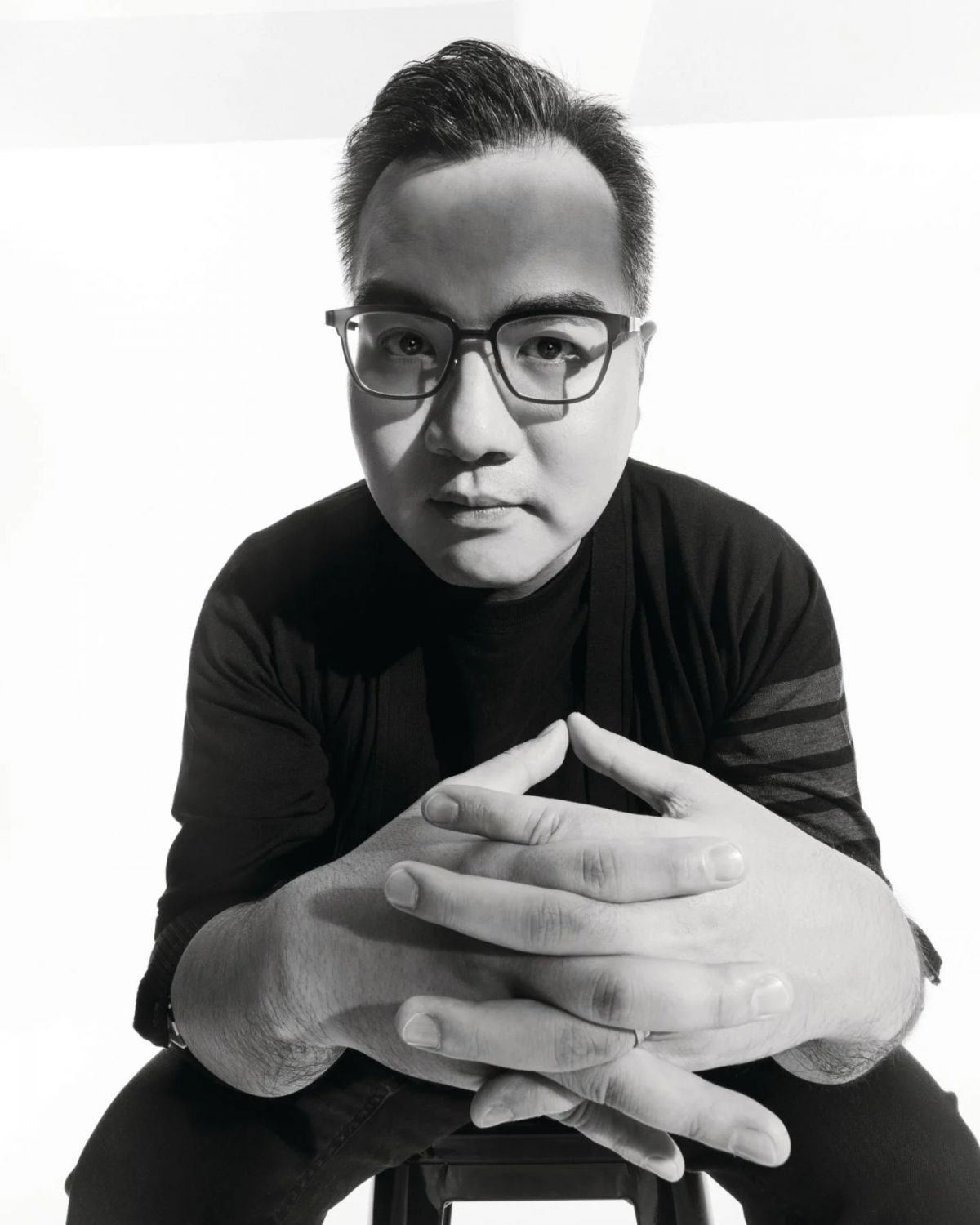
Above David Yeung, co-founder and CEO, Green Monday (Photo: Alex Maeland)
David Yeung, co-founder and CEO, Green Monday (Photo: Alex Maeland)
1 / 1
With Green Monday, social entrepreneur David Yeung established a food ecosystem that addresses climate change, animal suffering and food insecurity. At first, the company raised awareness about the green lifestyle, encouraging people to give up meat once a week before venturing into food tech innovation, food retail and distribution and more. Its concept shop Green Common carries plant-based favourites like Beyond Burger and Just Egg in locations in Hong Kong, Singapore, and China. Meanwhile, its OmniFood brand introduced the climate- and animal-friendly OmniPork line—a plant-based protein made of peas, soy, shiitake mushrooms and rice that is now found in supermarkets around Asia and in the US and UK.
Suzanne Mooney, founder, The Lost Food Project (Malaysia)

Above Suzanne Mooney, founder, The Lost Food Project
Suzanne Mooney, founder, The Lost Food Project
1 / 1
To address food waste, Suzanne Mooney established The Lost Food Project (TLFP), the Malaysian organisation that rescues lost food (quality food destined for landfills) and redistributes it to people in need. Each week, the food bank receives surplus food such as fruit, vegetables, baked goods and dairy products from food donors and connects the meals to charity partners. To date, the organisation has rescued 7.4 million kilograms of food, which has prevented the release of 18 million kilograms of greenhouse gases and provided 21.2 million meals to the hungry. TLFP was recently accepted into The Global FoodBanking Network’s Accelerator Programme, which will connect the Malaysian organisation with mentorship and resources from food banks in nearly 50 countries.
Read Suzanne Mooney’s full profile on Asia’s Most Influential
John-Hans Oei, CEO, Cultiveat (Malaysia)

Above John-Hans Oei, CEO, Cultiveat
John-Hans Oei, CEO, Cultiveat
1 / 1
To grow food that is good for all, John-Hans Oei reimagines farming with Cultiveat. Its urban farming methods minimise land degradation, wastage and carbon emissions by using stacked trays to produce 10 times more yield in a smaller land footprint, giving plants a pre-measured amount of water and channelling rainwater through walls to maintain optimal temperatures. The sustainable and zero-waste farming process results in environmentally friendly produce such as Japanese cherry tomatoes or multicolour spinach that are also free of pesticides, chemicals and additives. Apart from fresh produce, Cultiveat has introduced ready-to-eat salad bowls, including a summer medley of lettuce, cashews, tomatoes, cucumbers and carrots.
Read John-Hans Oei’s full profile on Asia’s Most Influential
Juana Manahan-Yupangco, founder, Mesa Ni Misis (Philippines)

Above Juana Manahan-Yupangco, founder, Mesa Ni Misis
Juana Manahan-Yupangco, founder, Mesa Ni Misis
1 / 1
Juana Manahan-Yupangco adopted a plant-based diet for her family and, in the process, started the movement for healthy meals made with local vegetables through Mesa ni Misis. While nourishing the family is the primary goal, she also popularises the plant-based diet, which contributes to the reduction of greenhouse gas emissions attributed to meat production. The food advocate offers a rich collection of vegan recipes, from a heart-healthy mushroom bourguignon to a high-protein monggo kare-kare, on her website and in her 2023 book, Juana's Table: Cooking with Filipino Vegetables.
Read Juana Yupangco-Manahan’s full profile on Asia’s Most Influential
Tatler Asia’s Most Influential is the definitive list of people shaping our world today. Asia’s Most Influential brings together the region's most innovative changemakers, industry titans and thought leaders who are driving positive impact in Asia and beyond. View the full list here.
Meet the Gen.T leaders of tomorrow who have become today’s Asia’s Most Influential honourees
How Asia’s LGBTQ+ icons and allies are creating a more open and equitable world





