

Cover Photo: Libby Penner/ Unsplash
Photo: Libby Penner/ Unsplash
1 / 1
Are these your Noche Buena favourites, too?
Filipinos love a good party, and nothing is grander and more anticipated than the Christmas Eve feast we call Noche Buena. From the time we were little, there are scents and flavours that signal the beginning of the most festive time of the year. However, the eating does not begin on Christmas Eve and end on Christmas Day now, does it? The food-gifting and the feasting is a month-long celebration and with all the delicious things getting passed around, we really do need more time.
If you are Filipino, have Filipino roots, or simply enjoy celebrating Christmas the Pinoy way, then you would surely have some—if not all—of these dishes on your holiday table.
See also: The best caterers in Metro Manila
1. Christmas ham


Above Christmas Ham (Photo: Instagram /@lolafoodstylist)
Christmas Ham (Photo: Instagram /@lolafoodstylist)
1 / 1
This usually means a cooked ham with a sticky, sweet glaze and it is the centrepiece of the Noche Buena celebration. There are affordable shaped hams you can pick up from the supermarket aisles. Some are boneless balls wrapped in fat to ensure moisture and flavour; others are cured, then smoked, before getting baked with the leg bone still on. Your choice is usually based on tradition, then it is sliced thinly and served as a sandwich, tucked into warm pandesal or sliced bread.
2. Bibingka
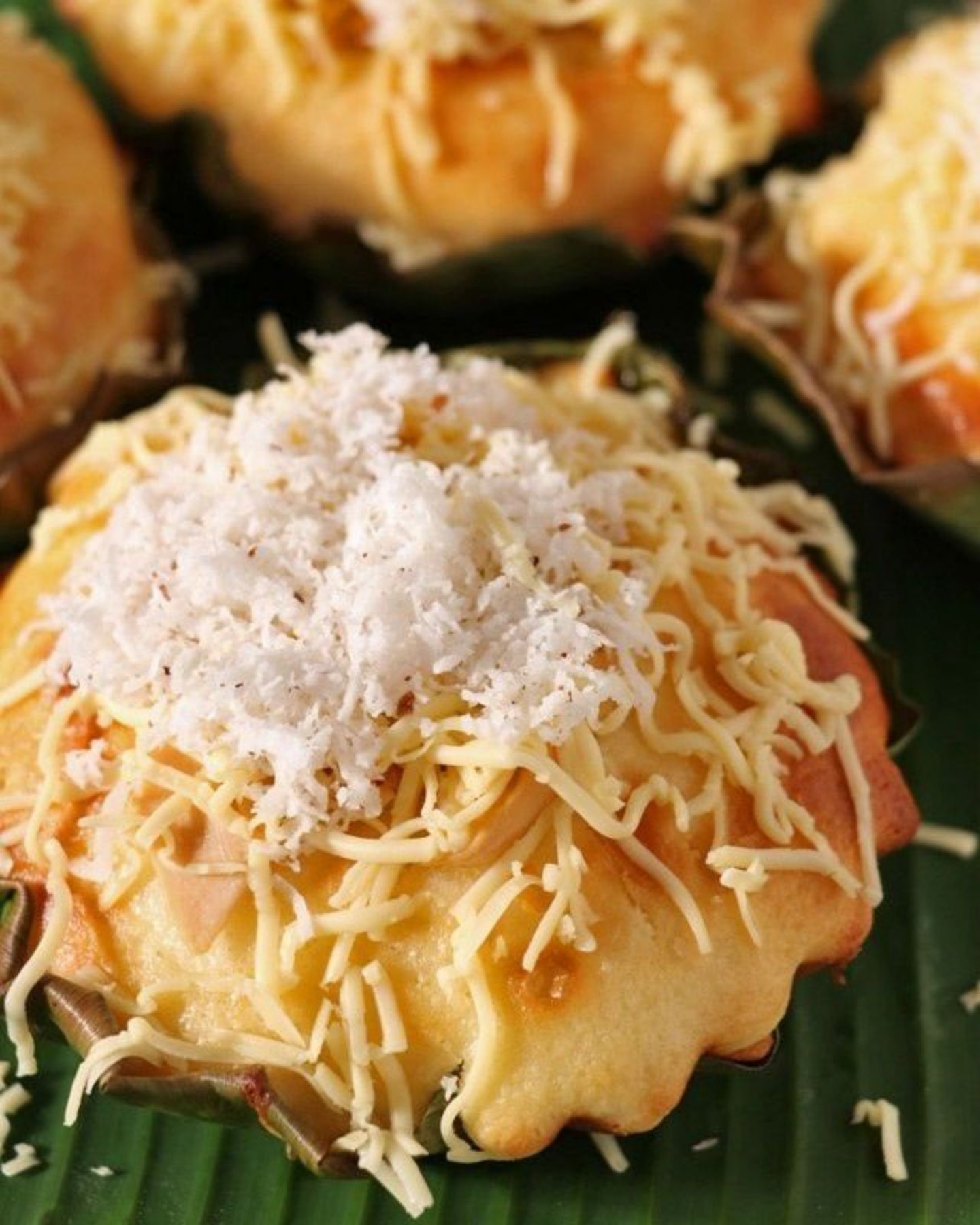
Above Bibingka (Photo: Instagram / @foxyfolksy)
Bibingka (Photo: Instagram / @foxyfolksy)
1 / 1
There is also bibingkang kanin which is a sticky rice dessert, but these bibingka galapong are the fluffy rice cakes usually found cooked in banana leaves over a charcoal stove outside of churches during midnight mass. These are topped with desiccated coconut, brown sugar, and melted butter.
See also: Where to order the best bibingka
3. Puto bumbong

Above Puto Bumbong (Photo: Instagram / @my_kusina_ph)
Puto Bumbong (Photo: Instagram / @my_kusina_ph)
1 / 1
Also made out of rice but dyed a distinct bright purple, these sticky rice snacks are made from black glutinous rice called “pirurutong.” They are usually steamed in bamboo tubes in a custom-made aluminium steamer and served with desiccated coconut, brown sugar, and butter – yes, just like bibingka as they are usually sold in tandem outside churches during the Christmas season.
See also: Chef Aaron Isip reveals a new tasting menu at Kása Palma
4. Chicken relleno
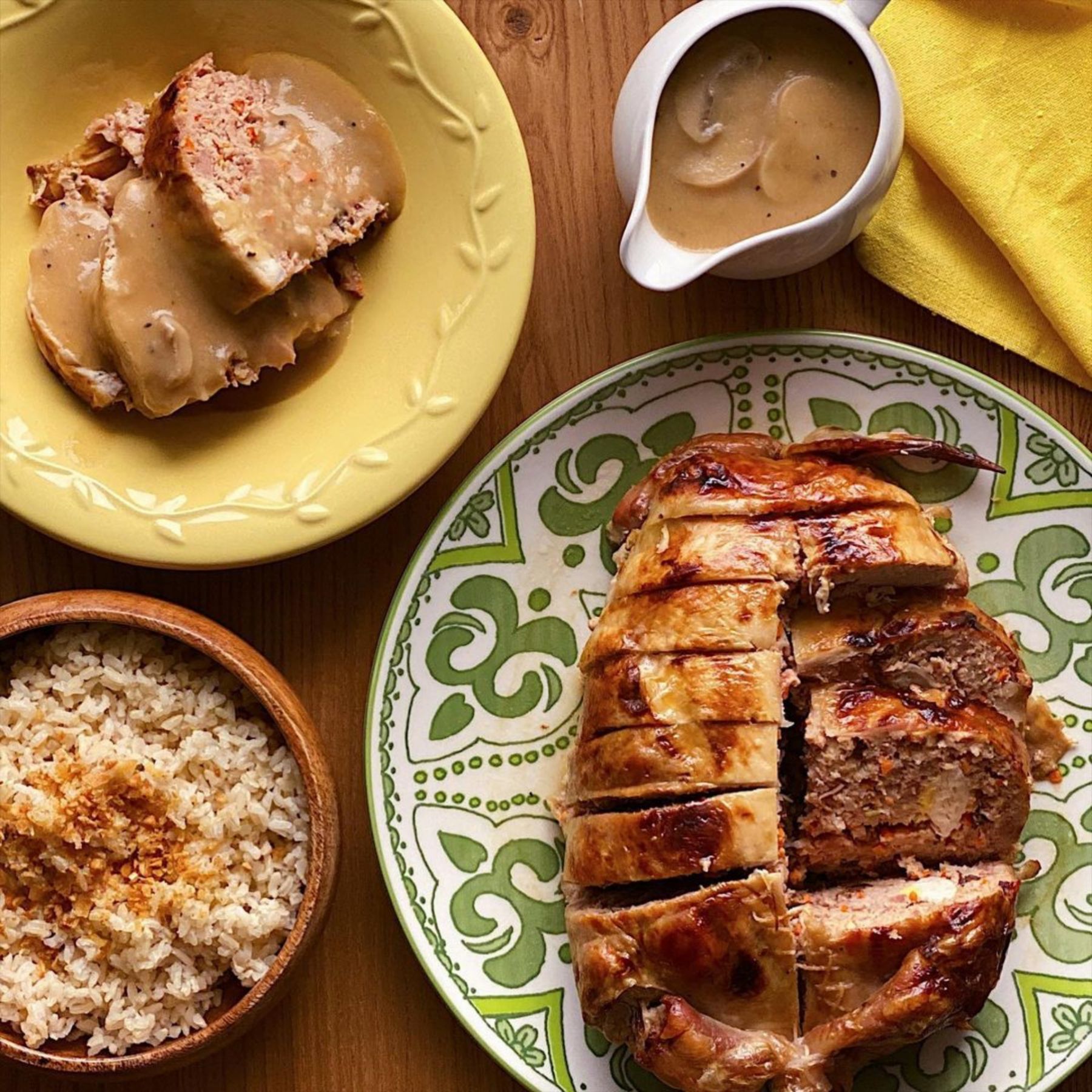
Above Chicken Relleno (Photo: Instagram / @kusinanimaria)
Chicken Relleno (Photo: Instagram / @kusinanimaria)
1 / 1
Sometimes called chicken gallantina, although technically a galantine is a chicken completely deboned and stuffed, slowly simmered in a broth and served cold. Chicken relleno is deboned except for the bird’s limbs (making it the more festive choice, in my opinion), filled traditionally with ground pork, Vienna sausage, gherkins, raisins, and hardboiled egg, roasted, and then served warm with an aromatic brown gravy.
5. Fruit salad
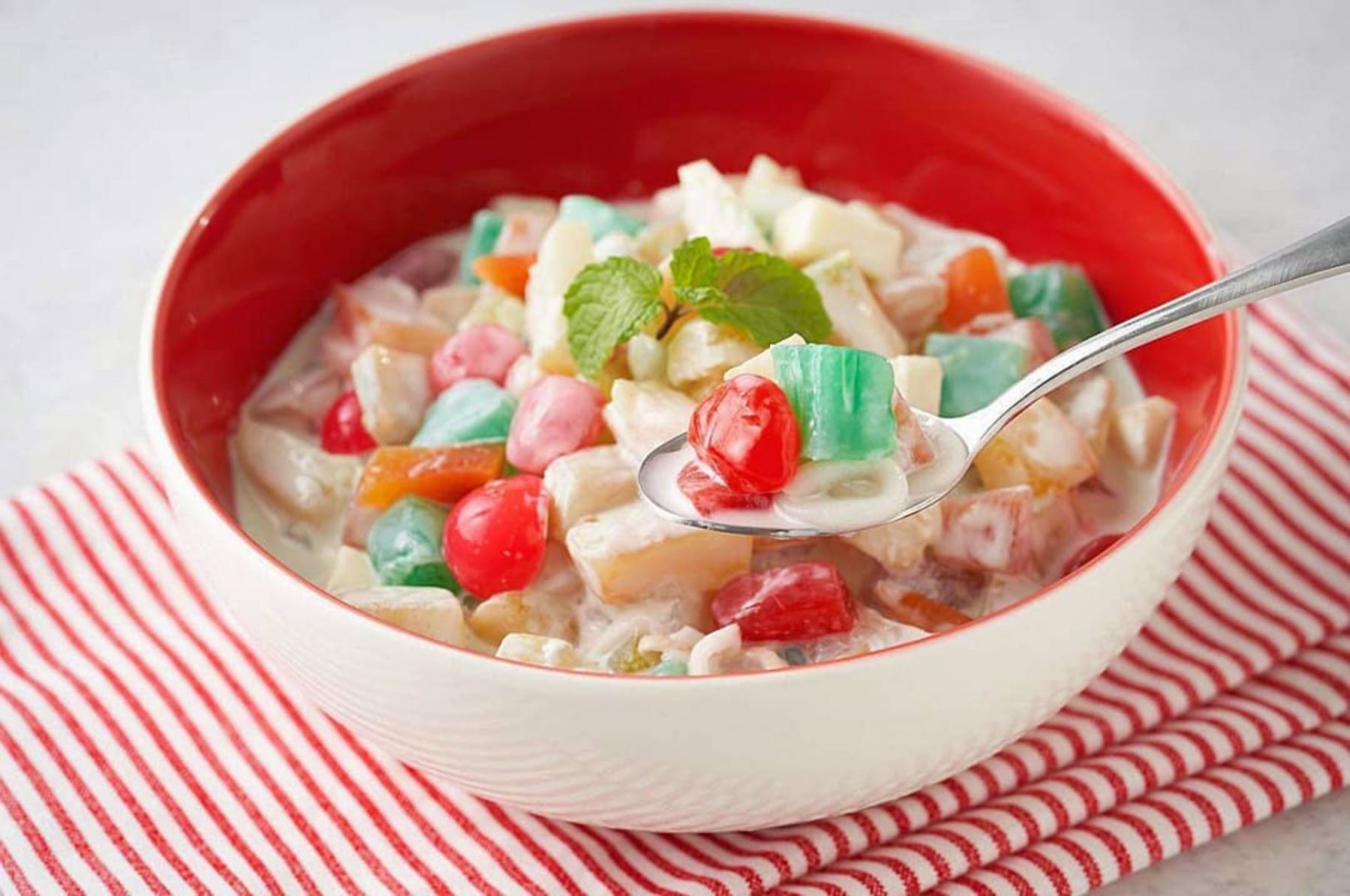
Above Fruit salad (Photo: Instagram / @chefchrisallan17)
Fruit salad (Photo: Instagram / @chefchrisallan17)
1 / 1
It is the quintessential Christmas dessert. You will know the season has officially begun when the supermarket aisles are lined with tinned fruit cocktail and all-purpose cream. The standard Filipino fruit salad is simply those two ingredients sweetened with condensed milk. Some also choose to add other preserved fruits such as nata de coco and macapuno, or fresh fruit like shredded fresh coconut, apples, and bananas.
See also: Where to eat the best lechon in the Philippines according to top chefs
6. Macaroni salad
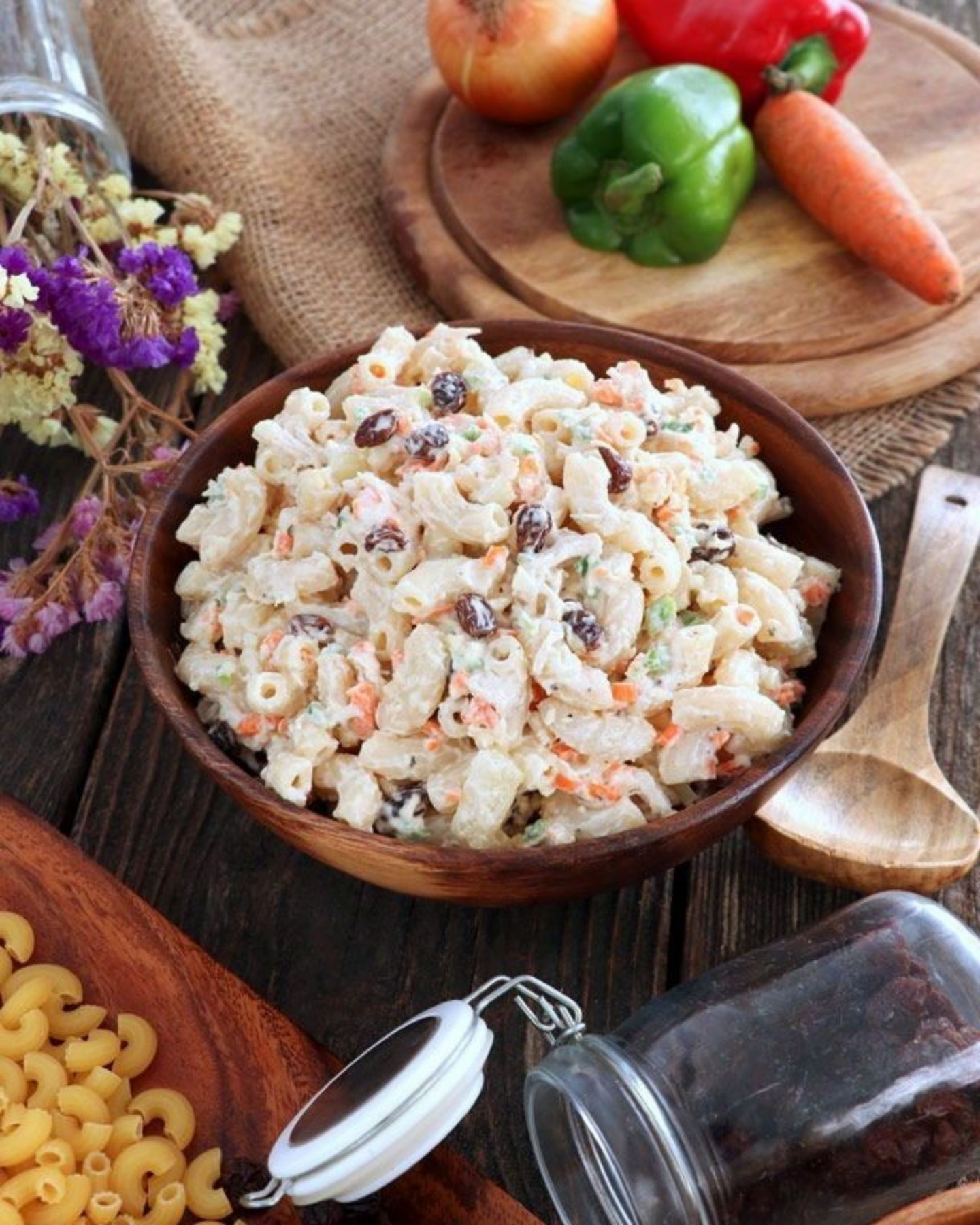
Above Macaroni Salad (Photo: Instagram / @foxyfolksy)
Macaroni Salad (Photo: Instagram / @foxyfolksy)
1 / 1
This cold mayonnaise-based salad is a Christmas favourite not only because it is an amazing side dish to your ham sandwich, but it is perfect for a potluck. You can make it the night before, chill it in the fridge packed in your favourite airtight container, and take it to the party the next day without much fuss. Besides, this makes for the ideal Christmas morning breakfast, no cooking required.
See also: 6 Bars to check out in Quezon City: Ruby’s, Bar Flora, Recraft, and more
7. Fruit cake
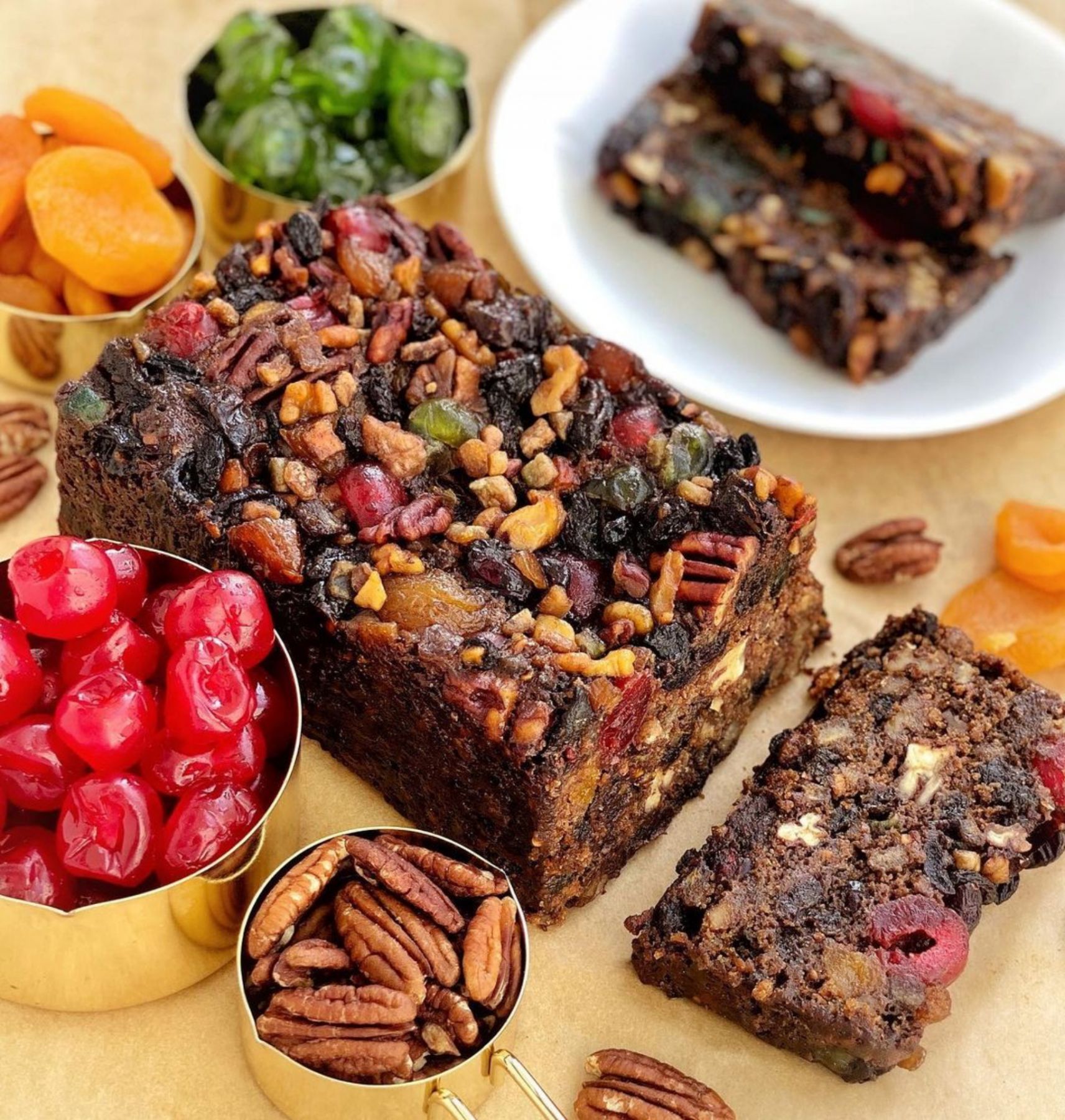
Above Nostalgic Filipino Food Photo Instagram / @veganconfectionsph
Nostalgic Filipino Food Photo Instagram / @veganconfectionsph
1 / 1
Love it or hate it, fruit cake is probably the oldest Christmas food tradition dating back to Roman times. Elaborately flavoured with preserved fruits soaked in brandy, nuts, and spices, it gained popularity in the 1800s when it became a favourite holiday gift. Perhaps tastes have changed and mass-produced fruit cake gave this holiday food its current bad reputation, but somehow, even in the Philippines, it is not quite Christmas without it.
See also: Diving into the restaurant collab series trend with Automat, Ayà, and Taquería Franco
8. Ensaymada
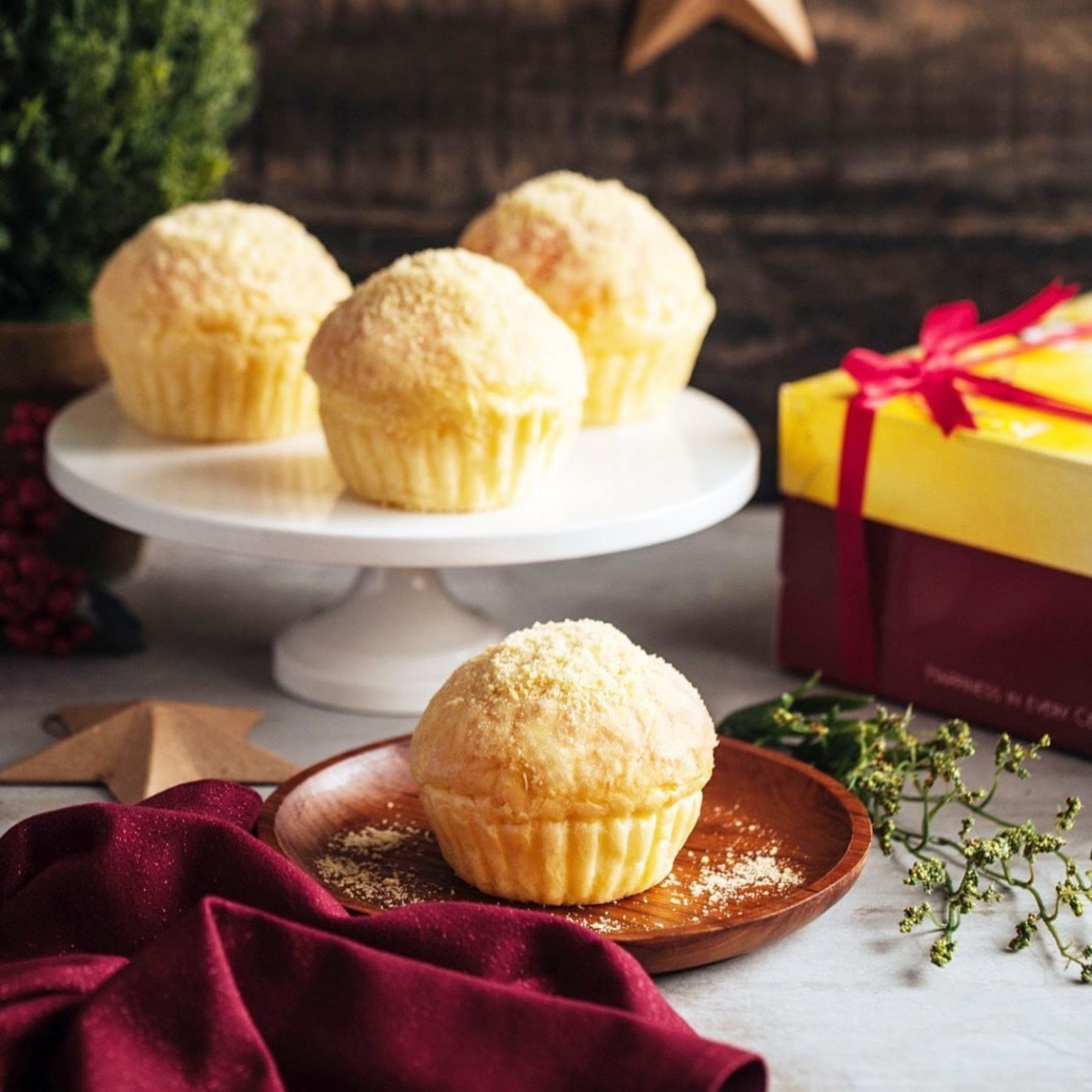
Above Ensaymada (Photo: Instagram / @cafemarygrace)
Ensaymada (Photo: Instagram / @cafemarygrace)
1 / 1
These fluffy balled pastries topped with whipped butter, sugar, and ideally grated queso de bola, is a favourite for gifting and always has a place on the Filipino holiday table. The best ones have an airy crumb that is also moist, with that sweet and salty flavour from its toppings. While nothing quite beats the classic, fresh takes on this Filipino pastry come stuffed with chorizo, ham, ube, or even topped with Nutella.
See also: Where to order the best ensaymadas
9. Queso de bola

Above Queso de bola (Photo: Instagram / @marcapinacheese)
Queso de bola (Photo: Instagram / @marcapinacheese)
1 / 1
While Edam cheese is readily available in your neighbourhood deli all year round, you need to get it in ball form wrapped in red wax as part of your Noche Buena spread come Christmas. It is the fitting companion to your sliced ham and pandesal, and the rest of it end up in dishes throughout the holidays grated over pasta, mixed into kaldereta, or even just munched on to accompany all the wine you received from thoughtful friends.
See also: Where did Dua Lipa eat in Manila?
10. Pinoy spaghetti

Above Pinoy Spaghetti (Photo: Instagram / @mommy.issa325)
Pinoy Spaghetti (Photo: Instagram / @mommy.issa325)
1 / 1
With all the complex stews and exotic holiday dishes, this children’s party classic is a reliable standby for the little picky eaters. Affordable and simple to make, the happy memories attached to the sweet tomato sauce adorned with hotdogs and local cheddar always adds to the festive mood. Besides, let’s admit it— we never really outgrow Pinoy spaghetti.
See also: Meet Me at the Bar: Niko Tiutan of Ito Space, Legazpi Village
11. Callos

Above Callos (Photo: Instagram / @partyplateph)
Callos (Photo: Instagram / @partyplateph)
1 / 1
Historically, this ox tripe stew is peasant food in Spain because it utilises a part of the cow that is usually thrown out. However, the laborious task of cleaning, boiling, and preparing this dish has made it a beloved favourite worthy of a spot on the holiday table. That thick, gelatinous sauce acts as a luxuriant pool for the tender ox tripe, deboned trotters, chorizo, and chickpeas that are scooped up with crusty bread. But, in the Philippines, it would be amiss to not pair it with lots of hot rice.
Topics

Jaclyn Clemente Koppe is a food and lifestyle writer, as well as a consultant to some of the country’s beloved food and beverage brands. Her passion for food and drink is only surpassed by her devotion to her family, most especially to her soulmate, Pepa the poodle.





