
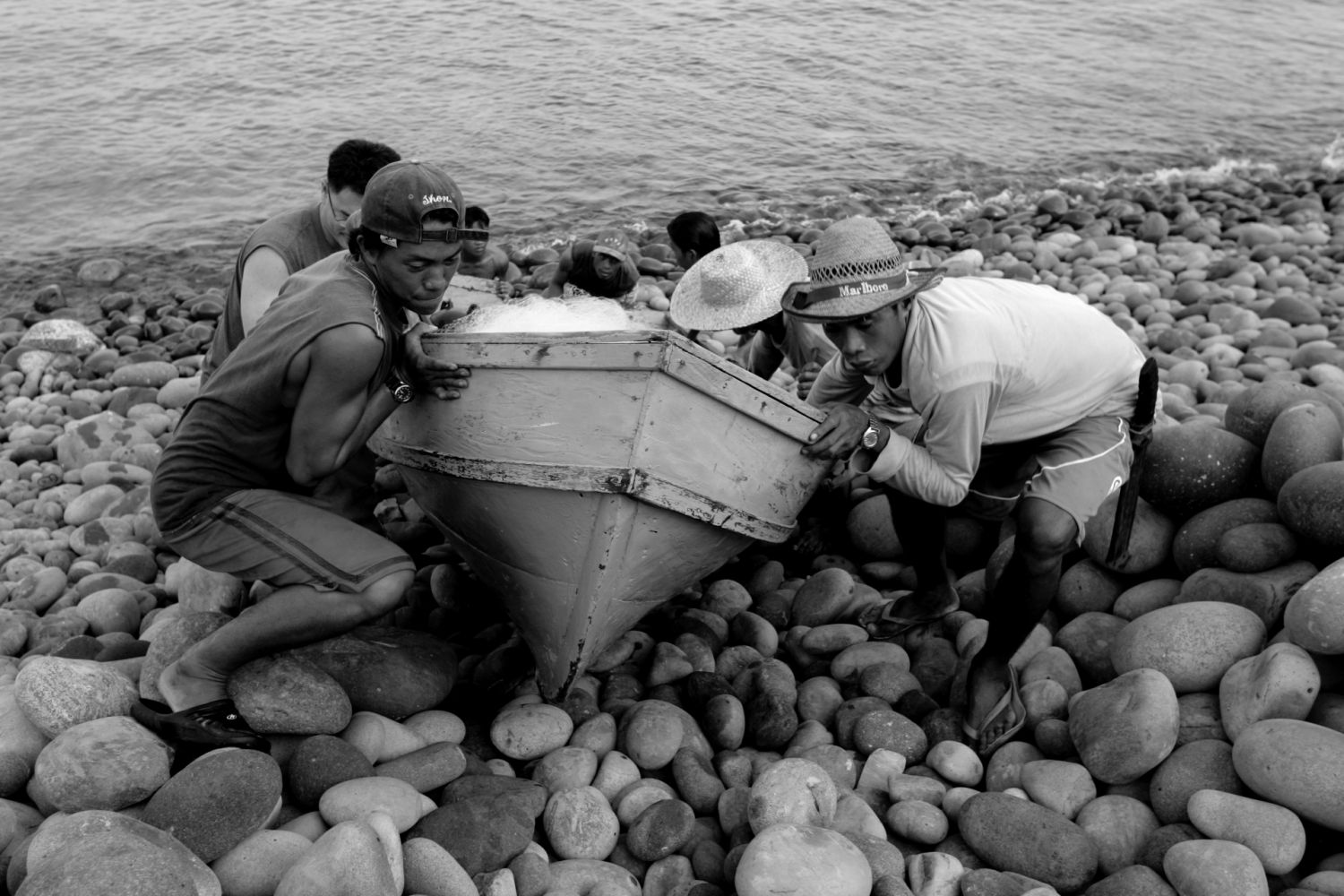
Cover A snippet of Ivatan culture, as featured in A Delicate Balance: Batanes Food, Ecology, and Community. In Batanes, the waters are only manageable for two months of the year—a short window for fishermen to catch enormous dorado, which is preserved to last them the next ten months
A snippet of Ivatan culture, as featured in A Delicate Balance: Batanes Food, Ecology, and Community. In Batanes, the waters are only manageable for two months of the year—a short window for fishermen to catch enormous dorado, which is preserved to last them the next ten months
1 / 1
Internationally celebrated photographer Neal Oshima guides us through some of his most important work—though it may not be the photographs you expect
Neal Oshima is no stranger to the allure of fashion photography. “I did a lot of commercial work,” he reflects, donning a tattered chequered shirt and one of the many flat caps that have become his signature. “It was just off the wall, the way fashion should be, where it recontextualises everything...I got all the big jobs; I shot for the top designers. I was like the Mark Nicdao of then.”
But ask the venerated photographer about his most “iconic” images, and he’ll lead you down another road entirely. Rather than select singular, visually striking photographs (of which he has no scarcity), Oshima directs my attention to a stack of books on the edge of his dining table: Philippine Ancestral Houses, Naimas!: The Food Heritage of Ilocos Sur, Memories of Philippine Kitchens, and a handful more, all along the same subject matter—Philippine culture.

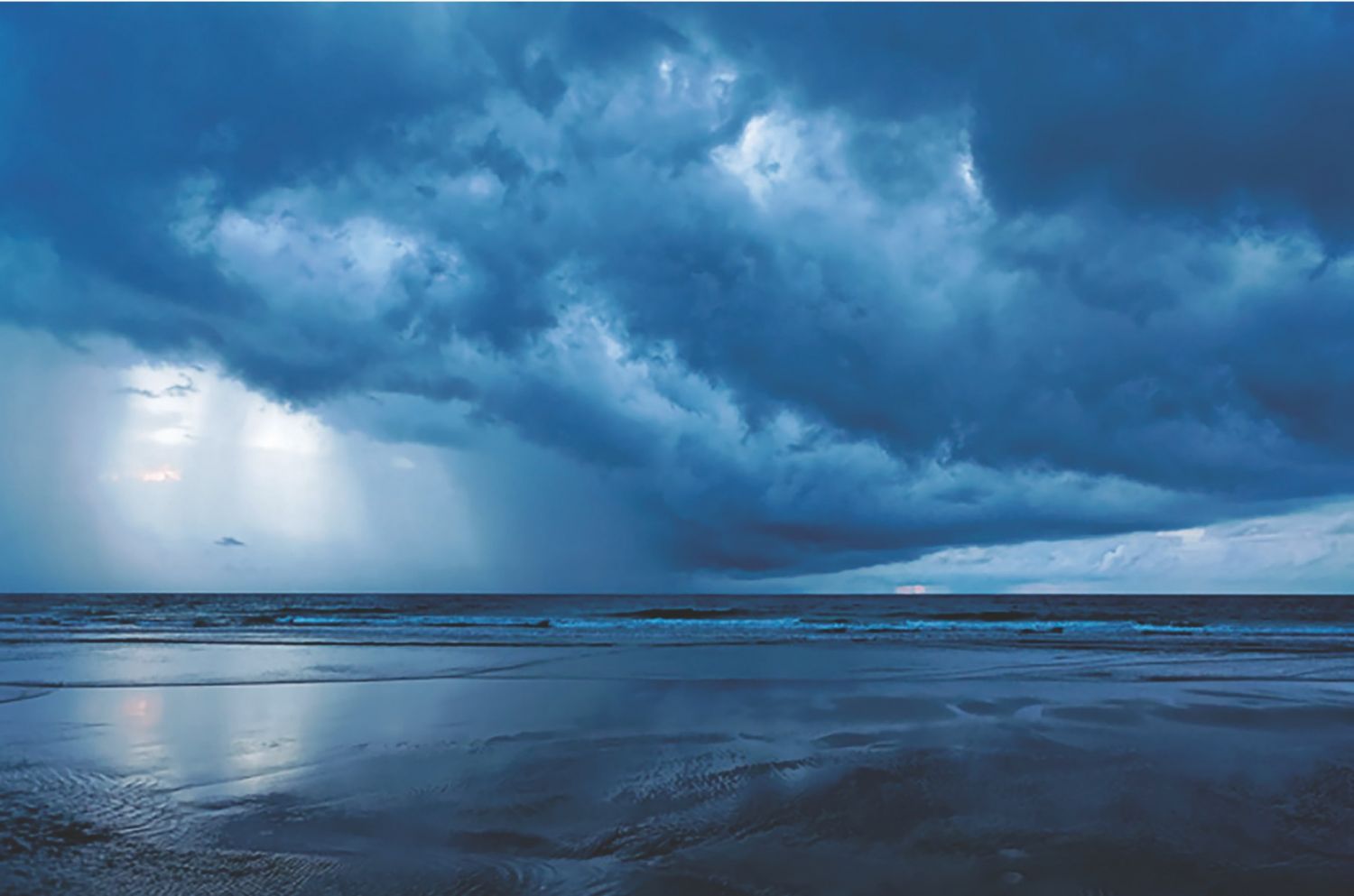
Above A rain squall approaches one of Puerto Princesa’s northern beaches, as seen in the book, Puerto Princesa: The Forest City
A rain squall approaches one of Puerto Princesa’s northern beaches, as seen in the book, Puerto Princesa: The Forest City
1 / 1
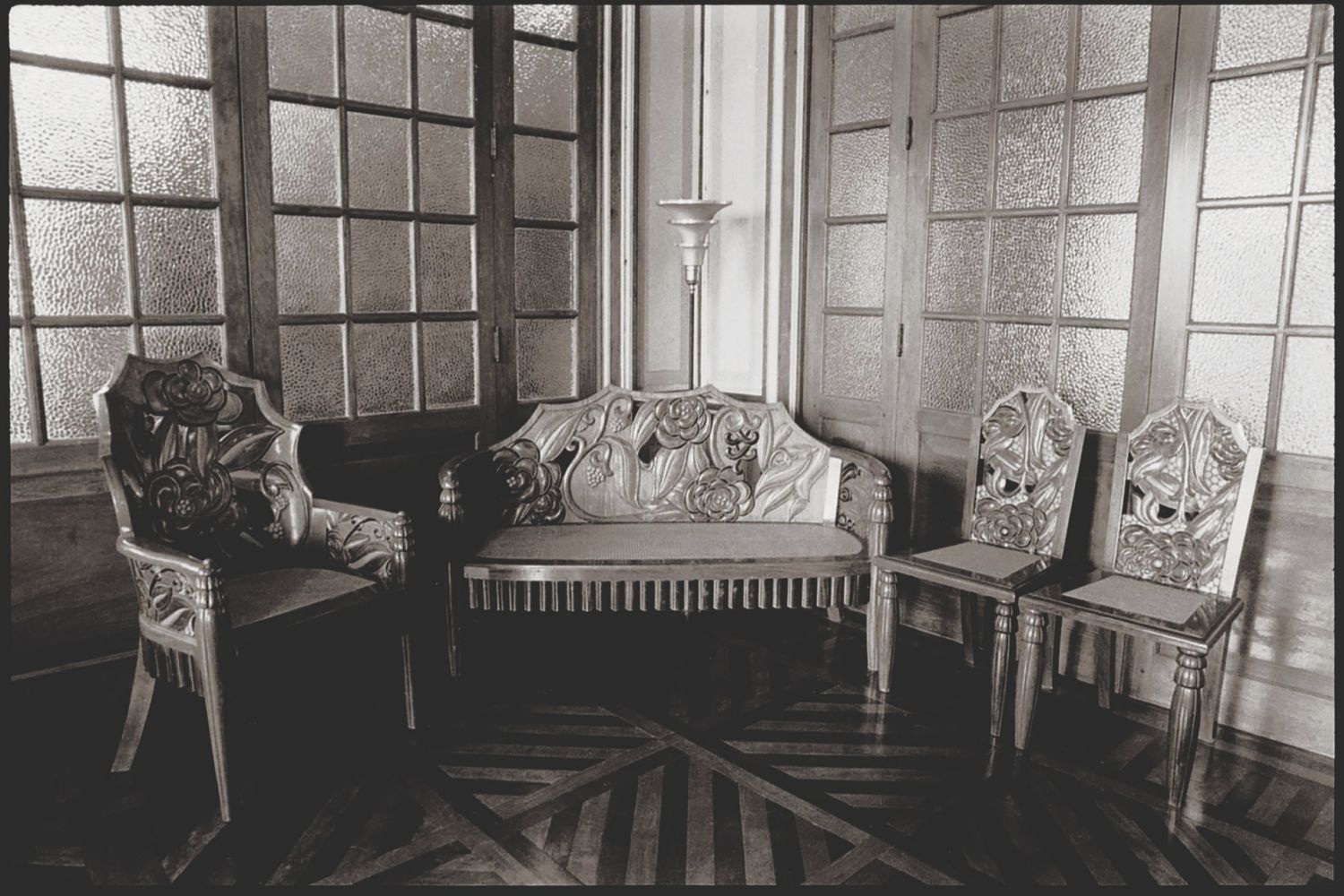
Above A traditional Filipino home captured in Philippine Ancestral Houses—a publication that would later be foundational to the historical society’s restoration efforts in IloIlo
A traditional Filipino home captured in Philippine Ancestral Houses—a publication that would later be foundational to the historical society’s restoration efforts in IloIlo
1 / 1
“People are so outward-looking here,” he begrudgingly observes. “They know what’s happening in Hollywood more than they know [their own culture], and I thought that was being overlooked. I thought books were a good way to preserve it.” Oshima’s background in anthropology colours his photographer’s eye. “One of the most important courses I took in graduate school was called visual anthropology,” he explains. “It was a methodology course on extracting anthropological information using photographs, film, and video.”
See also: Neal Oshima's Advice For Young Photographers: Think Outside The Box
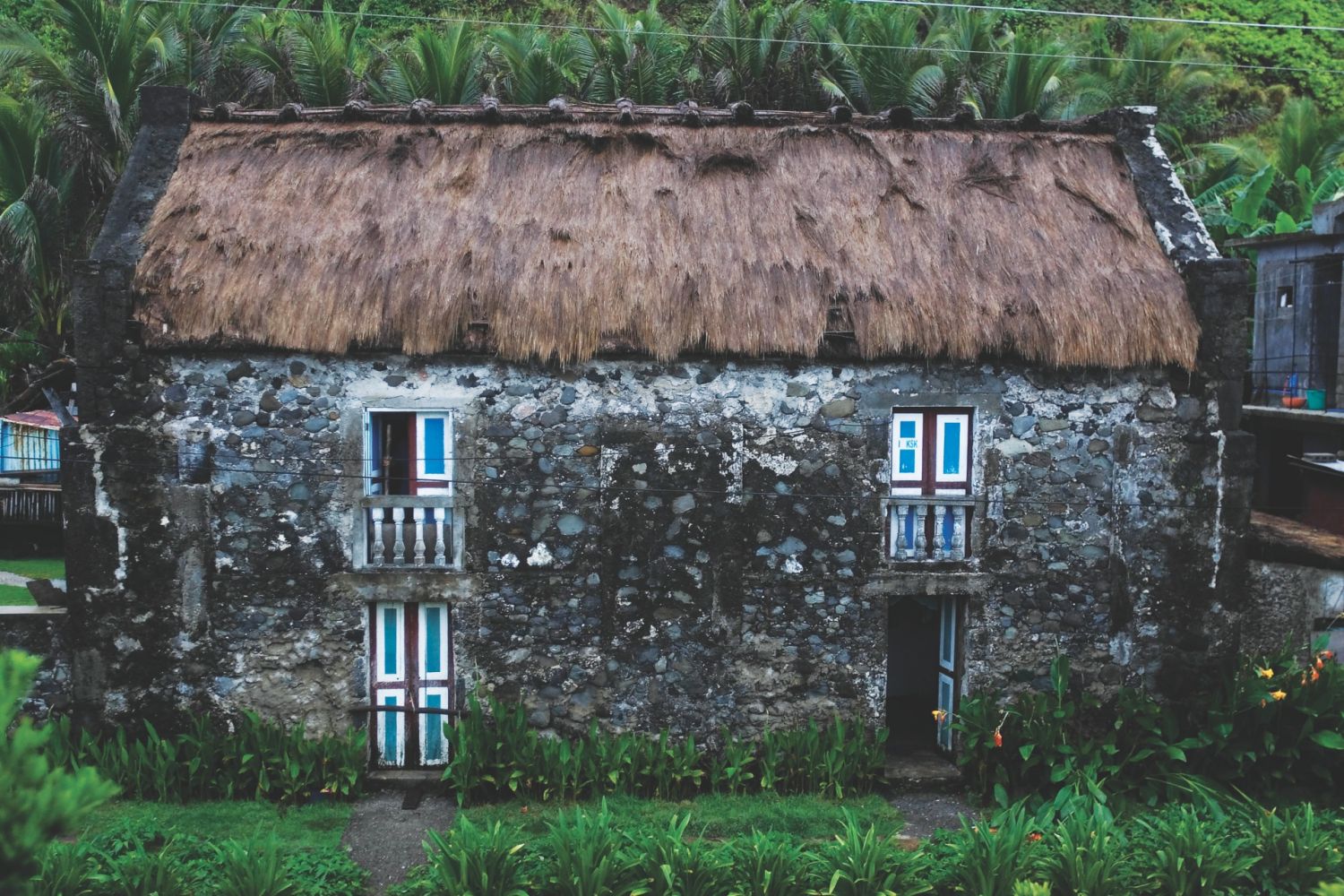
Above A stone convent in Savidug, Batanes as seen in A Delicate Balance: Batanes Food, Ecology, and Community
A stone convent in Savidug, Batanes as seen in A Delicate Balance: Batanes Food, Ecology, and Community
1 / 1
On-site for Philippine Markets, his anthropological instincts came to the fore. “The vendors would say, ‘Hapon! Kulot! [Japanese! Curly hair!],’” Oshima recalls, underscoring his alienness. “I was kind of intimidated,” he confesses. “But then I got into it, and I realised that all the stuff I learnt in visual anthropology pertained to this: you can take a picture of anyone if you have the right attitude and approach. You’re not taking something but interacting with them, and the result of that interaction is not something you own, but it’s a product of that interaction. Now I can go in and take a picture of anyone.”
See also: What Is 'Fotomoto' and How is it Pushing the Filipino Photography Scene Forward?
You can take a picture of anyone if you have the right attitude and approach. You’re not taking something but interacting with them, and the result of that interaction is not something you own, but it’s a product of that interaction.
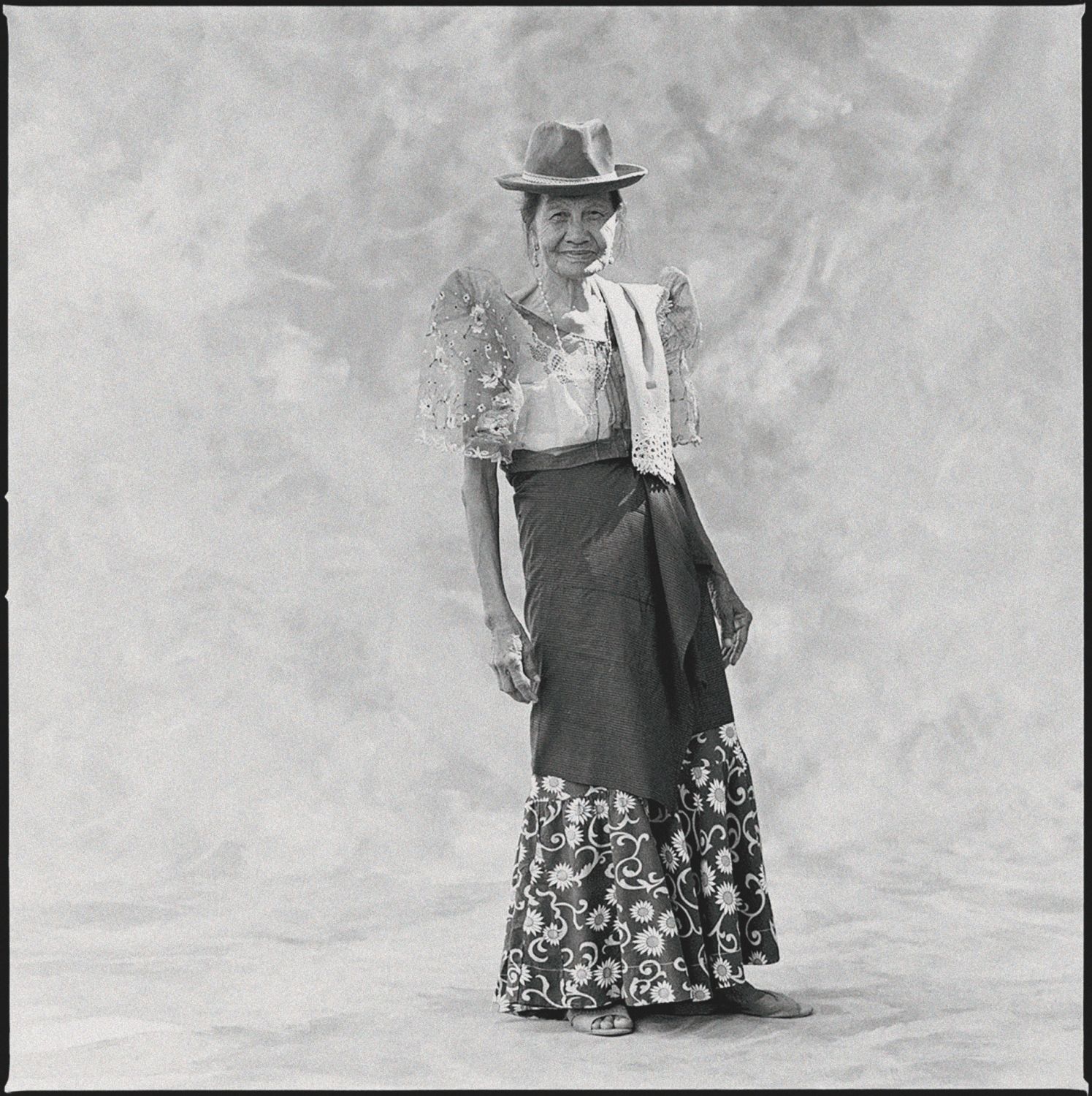
Above Subli: Isang Sayaw sa Apat na Tinig, documents the titular Batangueño dance form
Subli: Isang Sayaw sa Apat na Tinig, documents the titular Batangueño dance form
1 / 1
Beyond merely documenting Filipino cultures, these publications give a platform to peoples and practices often forgotten, introducing these critical themes to popular discourse—be it a religious Batangueño folk dance, the harmonious lifestyle of the Ivatans, or squatter communities around Metro Manila. “It’s not as sexy as doing the fashion or art stuff”, he admits, “but I think it’s something that made a difference and contributed to people’s understanding of the Philippines, of themselves, of the cultures around them.”
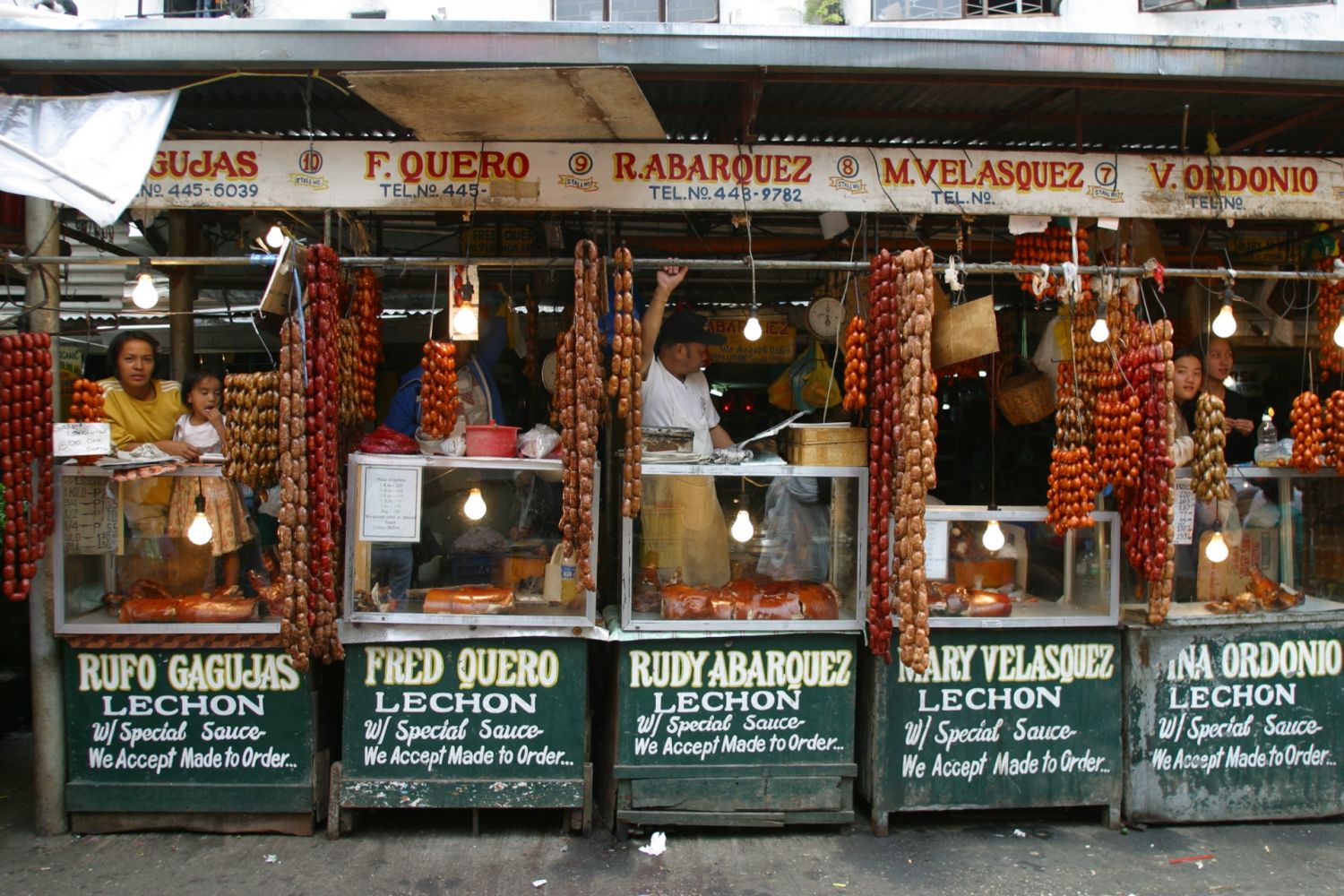
Above A row of competing lechon vendors, one of the many lively, colourful scenes featured in Philippine Markets
A row of competing lechon vendors, one of the many lively, colourful scenes featured in Philippine Markets
1 / 1
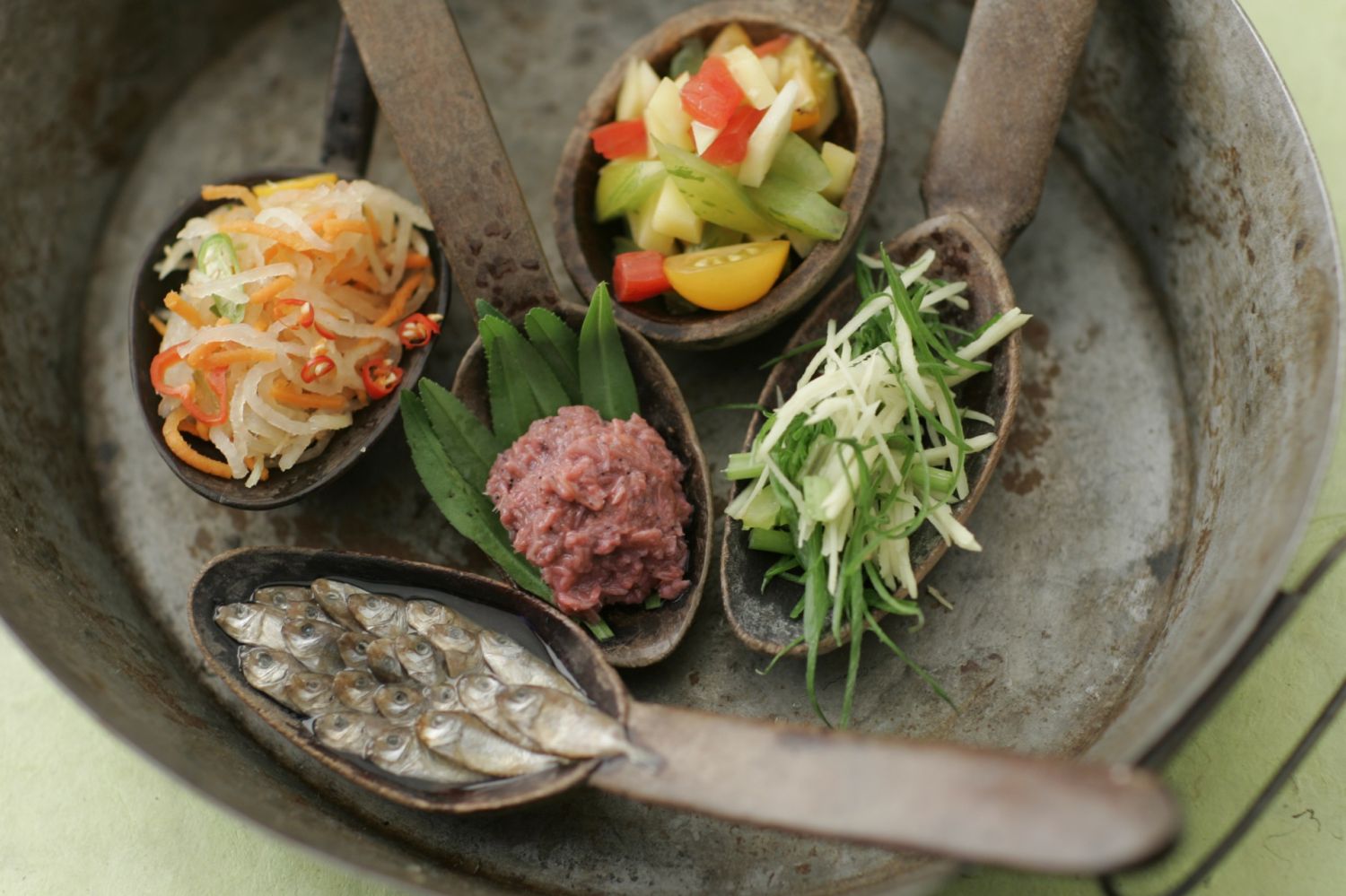
Above Filipino condiments as featured in Memories of Philippine Kitchens
Filipino condiments as featured in Memories of Philippine Kitchens
1 / 1
“I mean, the photos aside, it’s the scholarship,” says Oshima, describing why he holds these books so dear. This sentiment rings especially true with his works photographing regional Filipino food, fuelled by his fervent fascination with the breadth of cuisines in pockets of the archipelago. “I always liked travelling around and eating, so I figured I might as well take photographs of it,” he relates. “But it was Doreen Fernandez that sprung that on. She said, ‘You know, it’s important to have someone document it.’”
See also: Weaving the Threads of Filipino Heritage
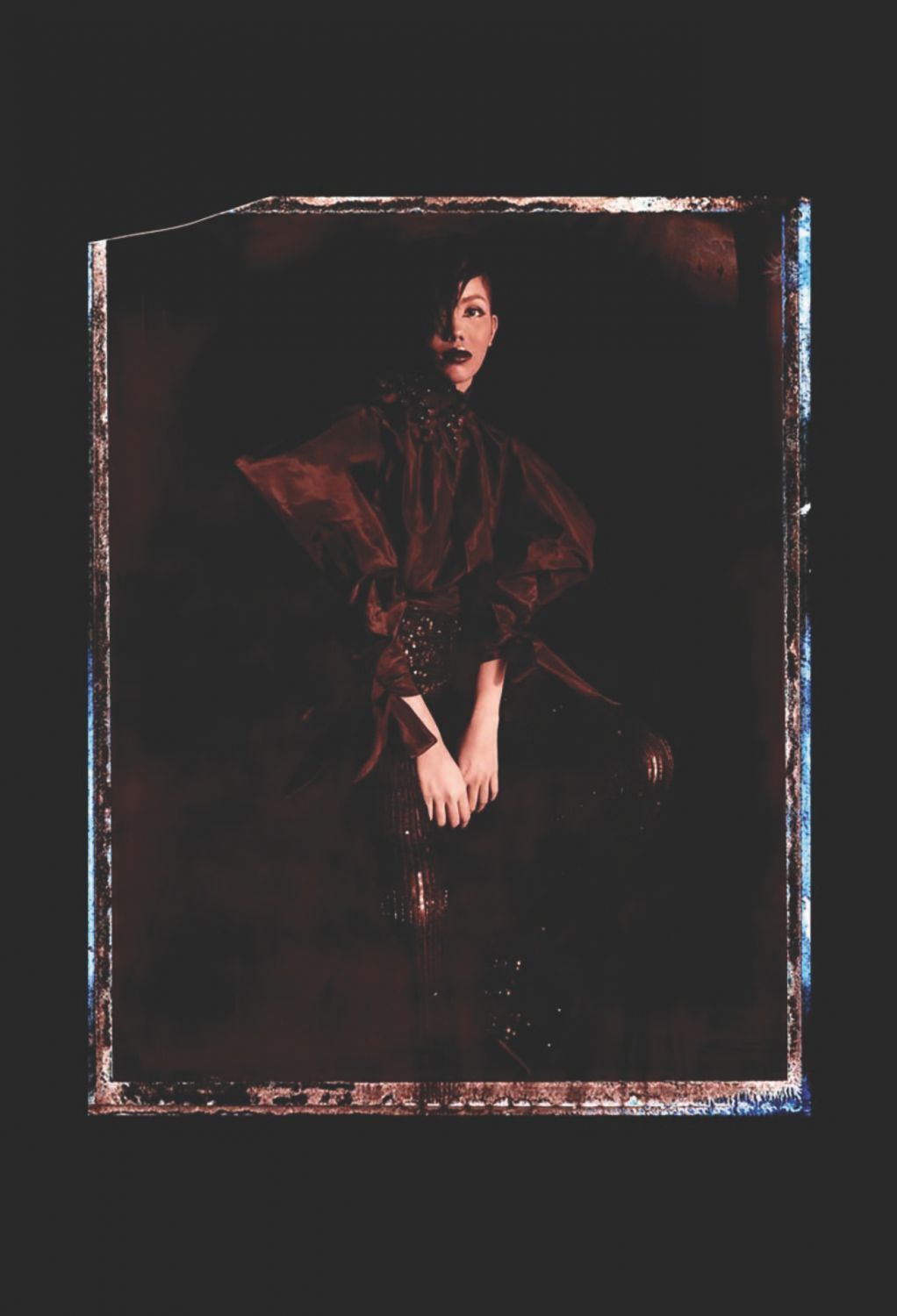
Above A Rajo Laurel original, photographed by Oshima and featured in his compilation, Philippinas Incognitas
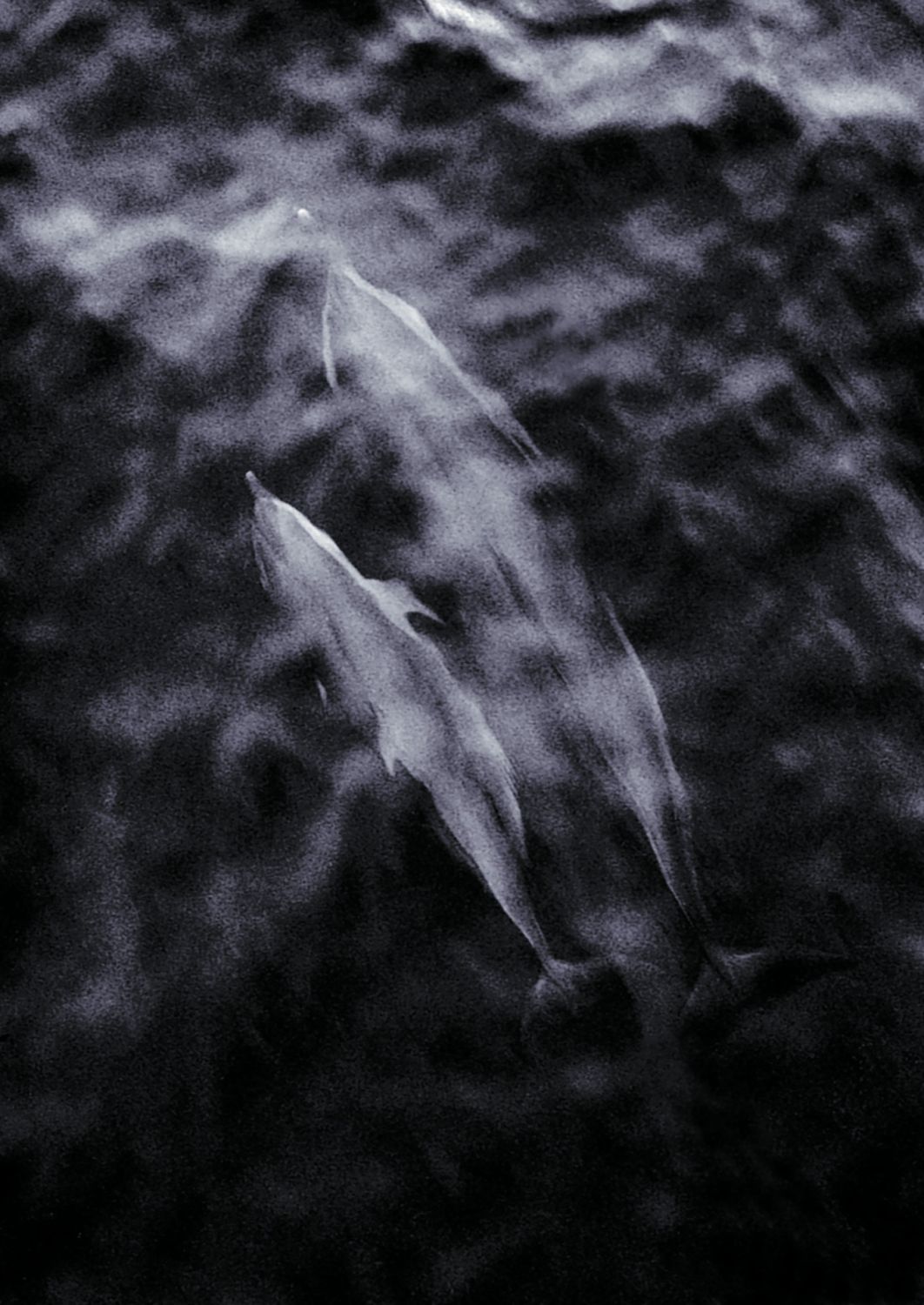
Above A mother and baby dolphin highlighted in Philippinas Incognitas
A Rajo Laurel original, photographed by Oshima and featured in his compilation, Philippinas Incognitas
1 / 2
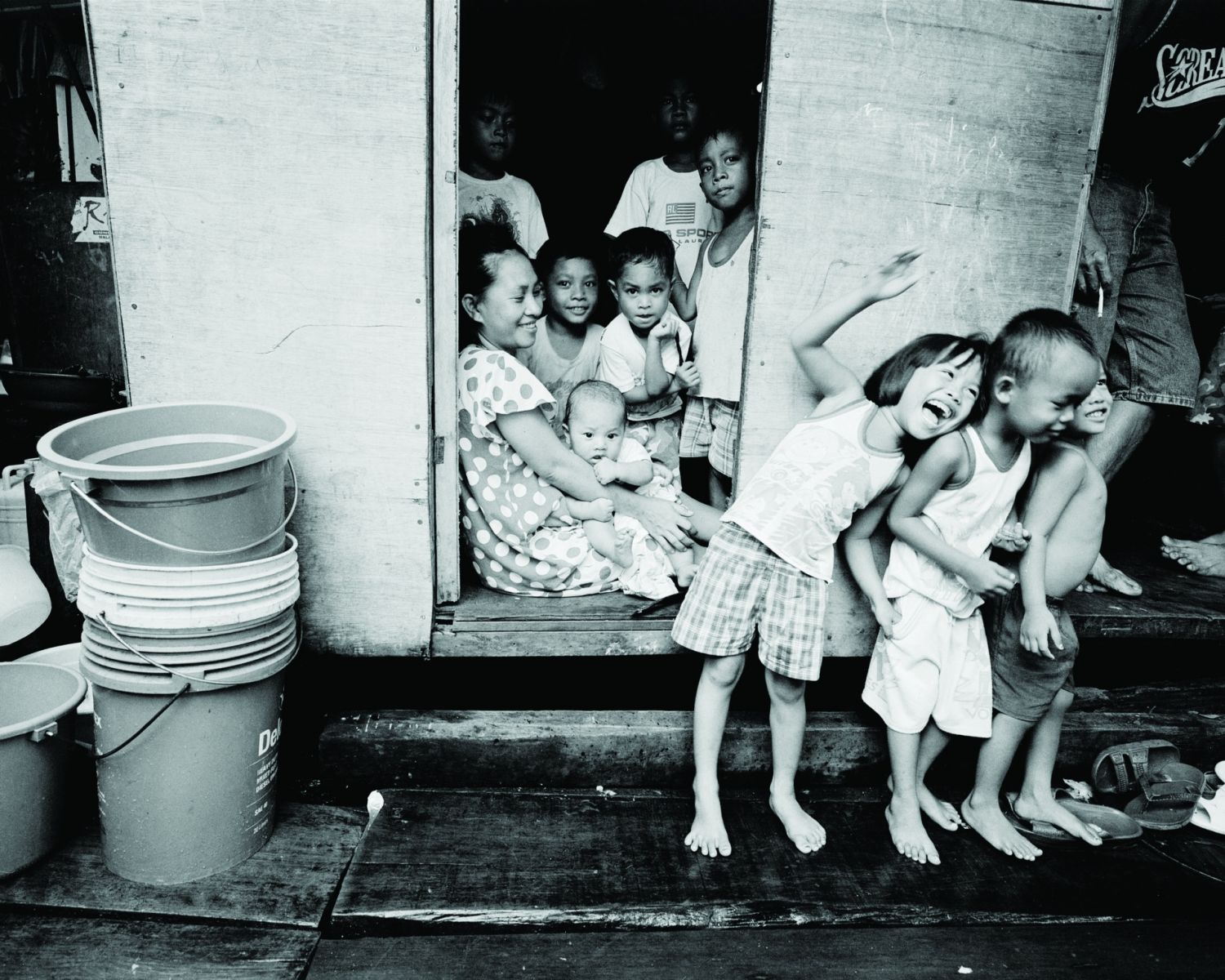
Above A snapshot of life in one of the country’s informal urban settlements, documented in Lungsod Iskwater: The Evolution of Informality as a Dominant Pattern in Philippine Cities
A snapshot of life in one of the country’s informal urban settlements, documented in Lungsod Iskwater: The Evolution of Informality as a Dominant Pattern in Philippine Cities
1 / 1
While his curious nature does keep his mind busy with new realms to wander, he claims that he hasn’t got any publications in the pipeline at the moment—although those with the pleasure of knowing him and his inquisitive tendencies have learnt to take any suggestions of closing the book with a grain of salt. Regardless, we will undoubtedly find Oshima deeply immersed in some other niche, one way or another. “I’m at this point in my life where I have less energy,” he sighs, “I want to do the things I want to do.” Right now, that’s brewing beer.
NOW READ
10 Of The Most Prominent Artists In The Philippines And Why You Should Know Them
Filipiniana: 7 Stunning Dresses Worn By Celebrities—Jess Wilson, Pia Wurtzbach, And More
Credits
Photography: Neal Oshima

About
Lauren’s love for food came much later in life than one would expect— an obsession awakened in the streets of Melbourne’s multicultural dining scene. Armed with this newfound passion, she returned to the Philippines determined to discover the best eats in her home country, with a personal advocacy to champion local cuisines and homegrown talent. Nothing is off-limits; if it’s delicious, it’s worth celebrating.
Work
As Tatler Dining associate editor, Lauren covers all things food and drink, from listing the latest openings in our monthly Dining Radar to interviewing chefs and bartenders about the biggest obstacles crippling the industry today. Beyond the digital space, she also organises Tatler Dining’s tentpole events, including Off Menu and Tatler Dining Kitchen, as well as the annual Tatler Best Philippines awards night and guide launch, detailing the best restaurants in the country.
For leads and event invites, contact her via lauren@tatlerphilippines.com or follow her on Instagram at @laurengolangco.
Photo: Ralph Mendo





