

Cover (Photo: Getty Images)
(Photo: Getty Images)
1 / 1
A native wine that's the favourite of Filipinos, tuba has become a symbol of pride for local drinkers and enthusiastic foodies
When you think of Germany, you think of beer. France, wine; Russa, vodka. In the Philippines, we have our very own speciality—tuba. You may be familiar with it; it is, after all, extremely popular, especially in the humble Visayan islands where the drink comes as a social prerequisite. It overflows in town fiestas, parties, baptisms, and celebrations. It can be seen lined up on roads, in sari-sari stores, where they are sold in plastic jugs that are taken home to be enjoyed or flown to Manila as souvenirs or pasalubong.
Read more: Tatler's Guide to The Best Coffee in the Philippines
Though often associated with the simple yet hardworking lifestyle of rural locales, tuba has an incredible history that has inspired other internationally renowned tipples such as mezcal and tequila.


Above Palm wine is an alcoholic beverage created from the sap of various species of palm tree. This drink is common in various parts of Asia and Africa. (Photo: Getty Images)
Palm wine is an alcoholic beverage created from the sap of various species of palm tree. This drink is common in various parts of Asia and Africa. (Photo: Getty Images)
1 / 1
The Process
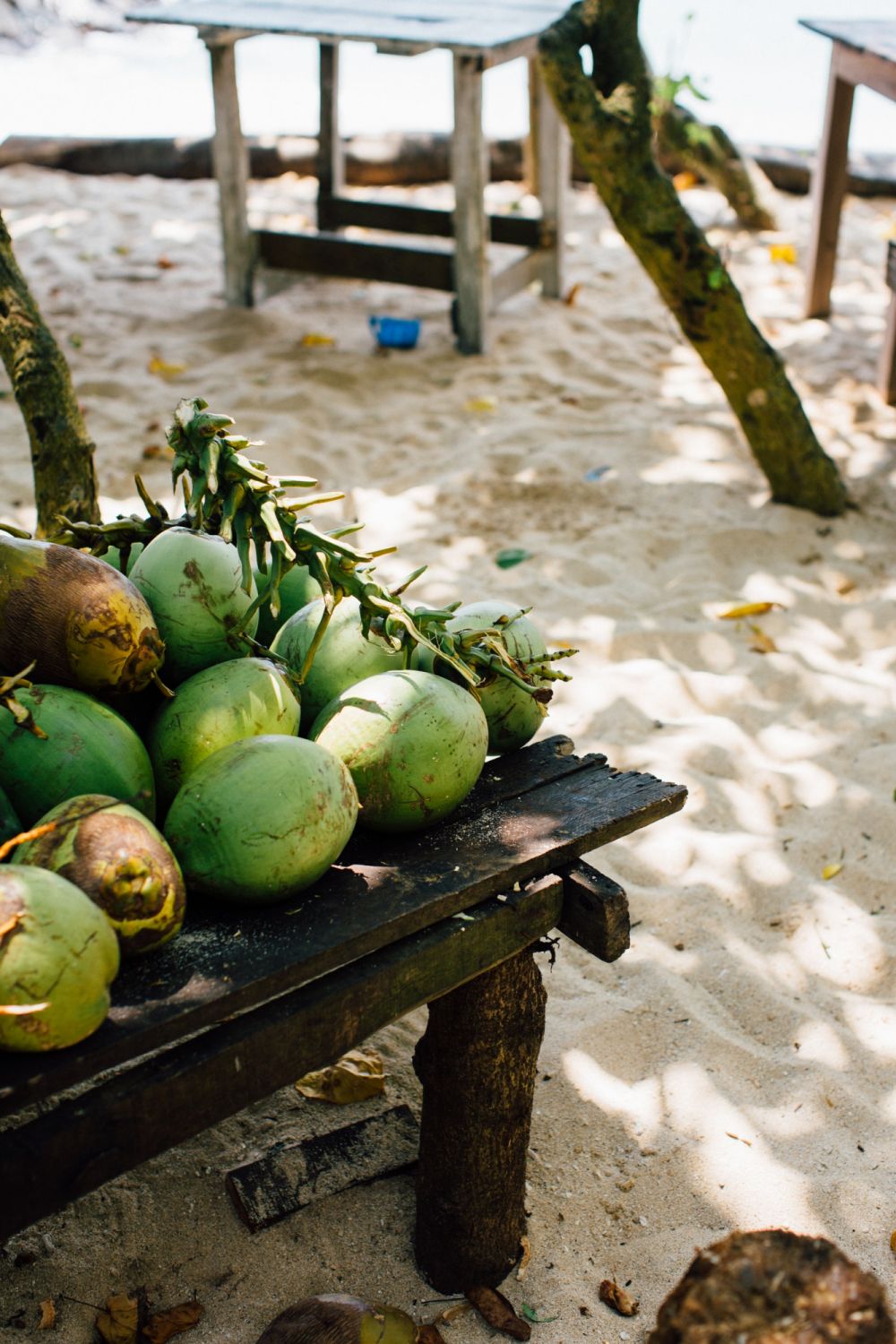
Known in English as coconut wine, tuba is produced from coconut sap. Tuba makers will climb the coconut trees—in provinces, this is usually done with the most basic of materials: using a knife (called a sanggot) and natural agility—and make a cut in the plant's inflorescence. The climber then ties a container to the tree to collect the sap, which is sometimes left overnight to gather. The next day, the sap is collected and sometimes drunk right away. Though this liquid will hold very little alcohol content, it is incredibly sweet and still a wonderful delicacy to try.
See also: What Cocktails Do We Love At Tatler?
To create the famed tuba, the sap must first be fermented. Oftentimes, it takes a few weeks before the sap can even be called tuba. In provinces such as Leyte and Samar (where tuba is especially popular), makers will add barok (reddish tree bark) into the sap as a natural colourant that turns the tuba into a reddish-orange colour. The barok is also said to offset the fermentation process.
In fact, tuba can become something completely different based on its processes and length of fermentation. Lambanog, known as Philippine vodka, is derived from tuba. Bahalina, known as coconut red wine, is also a derivative of this incredibly versatile drink.
Above Photo: Bertrand Bouchez / Unsplash
Photo: Bertrand Bouchez / Unsplash
1 / 1
Tubâas Surprising History
Tuba has been drunk since pre-colonial times. It is one of the few remaining items in our culture that is authentically Filipino and one that historians debate might have been part of the feast that welcomed Magellan when he landed in Cebu. It also has an interesting connection to beverages such as mezcal and tequila. As one might recall, the Philippines and Mexico were connected by the Manila-Acapulco trade. Over the two and a half centuries that this trade route was in use, sailors from the Philippines brought their culture to Mexico. They carried coconuts and their accompanying fermentation techniques to the Americas, where tuba became incredibly popular. In fact, some cities in Mexico (such as Colima) still sell tuba.
Interestingly, the practice of creating tuba—its processes, distillations, and fermentation techniques—was applied to agave, a plant indigenous to Mexico and the Americas. This helped create tequila, a drink many know and love today. Of course, it is a historian's important responsibility to further explore how Philippine culture might have contributed to such significant cultural developments here and abroad—but while there is yet to be a definitive narrative on such, we will continue to cheer—and enjoy a few glasses of—on our very own.
NOW READ
Asia's 50 Best Bars 2022 Revealed, Coa in Hong Kong Retains Top Spot





