

Cover Hong Kong actor Gordon Lam talks about his new movie, "Limbo" (Photo: Sun Entertainment Culture)
Hong Kong actor Gordon Lam talks about his new movie, "Limbo" (Photo: Sun Entertainment Culture)
1 / 1
In an exclusive interview with Tatler, Hong Kong actor Gordon Lam gets candid about his role in the award-winning movie, Limbo which premieres on November 18 in Hong Kong
Gordon Lam has had a colourful career since debuting in 1988. With more than three decades in the industry playing a range of roles across TV and film, he’s no doubt one of Hong Kong’s most well-known actors. It’s impressive that Lam went from being an extra for the first seven to eight years of his career to becoming a top star in the city. Also a film producer and screenwriter (winning Best Screenplay for Time at the Hong Kong Film Critics Society awards), Lam is starring in Cheang Pou-soi’s newest movie, Limbo based on the novel, Wisdom Tooth.
The black and white movie has already garnered buzz internationally, ahead of its premiere in Hong Kong. Limbo had its world premiere at the 71st Berlin International Film Festival and was later shown in competition at the 23rd Far East Film Festival where it took home the Purple Mulberry Award. For his role as Cham Lau, Lam was nominated for Best Actor at the Asian Film Awards and the movie eventually bagged two technical awards: Best Production Design and Best Original Music. Recently, it won the top prize at the Hong Kong Film Critics Society awards as well as a Best Actress award for Cya Liu.
The story follows veteran police offer, Cham (Lau) who’s on the hunt for the person responsible for a wave of serial killings. Ahead of its screening in Hong Kong on November 18, Tatler catches up with lead actor Gordon Lam to chat about his role, his experience filming amongst all the garbage and the message the film sends across.
Don’t miss: Hong Kong Movie ‘Limbo’ Wins Two Awards From the Asian Film Awards 2021

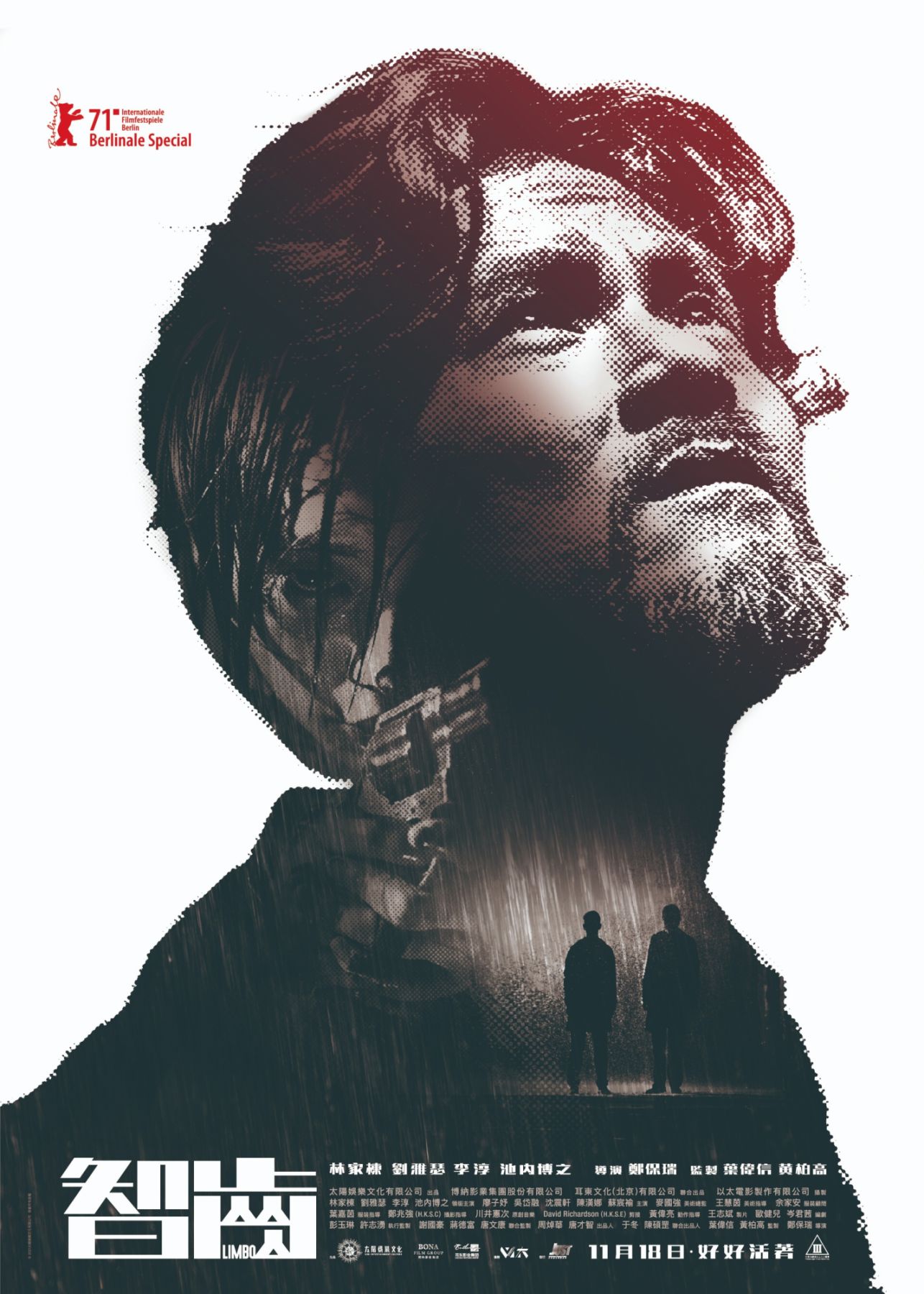
Above Limbo movie poster (Photo: Sun Entertainment Culture)
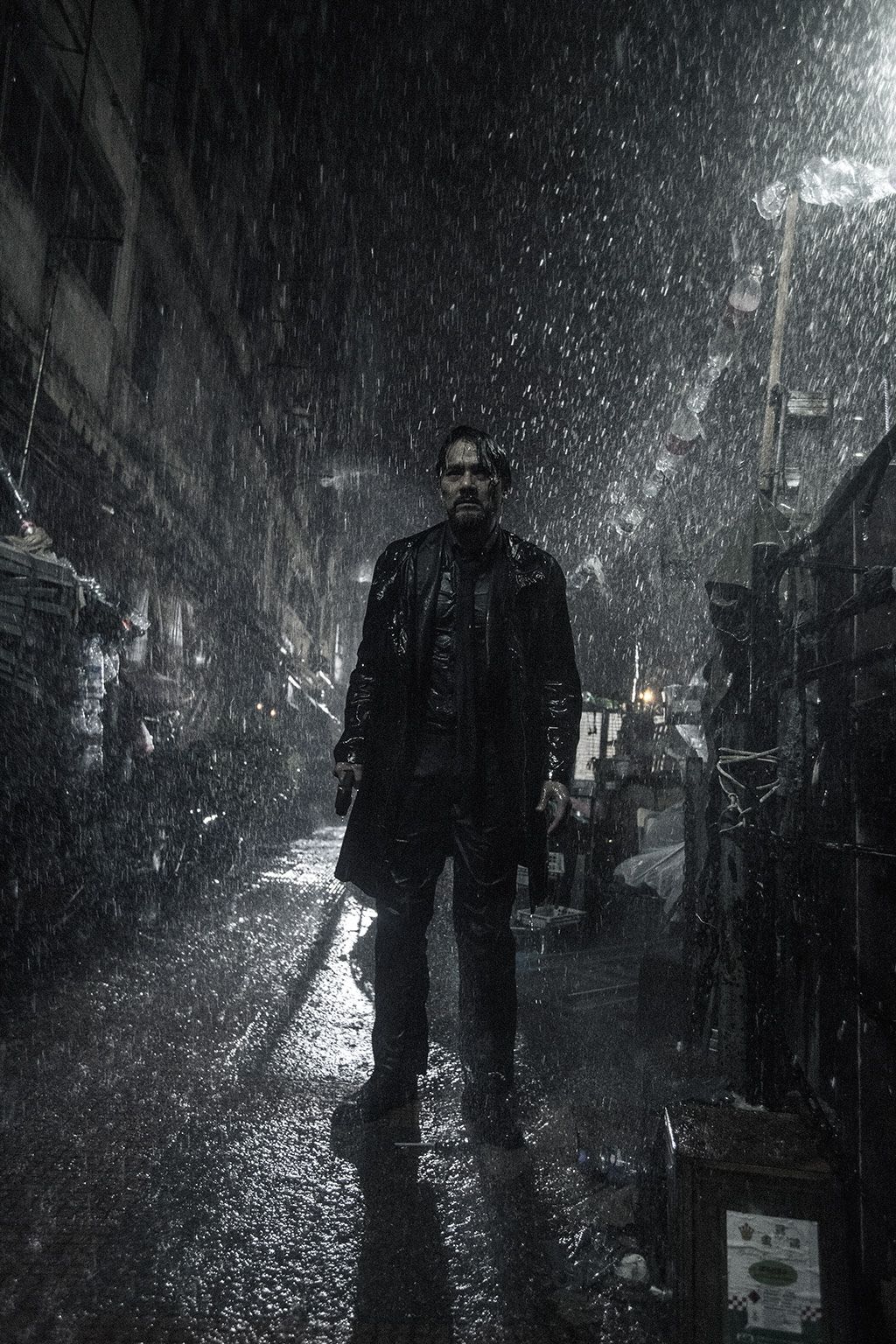
Above Gordon Lam in Limbo (Photo: Sun Entertainment Culture)
Limbo movie poster (Photo: Sun Entertainment Culture)
1 / 2
Can you describe your character in Limbo?
I played the role of a police officer in Limbo. He feels burdened in life because his wife was paralysed after a car accident, which resulted in their unborn child being killed. For him, living isn’t any better than dying. It’s not about if the character is a good or bad cop. As the story progresses, he finds a demon inside him.
What about this role attracted you? What makes this character different from the other ones you’ve worked on?
I have played many villains before but what touched me most about this character is attachment. I believe that everyone will have a kind of attachment, clinging to the baggage that actually allows you to live. If Wong To (Cya Liu) does not reappear in his life, my character might be even sadder for the rest of his life since he desires revenge, but he doesn't know whether he should seek it or not. In the end, Wong To gave my character a chance to end this hatred, so that he could be at ease, whether he lived or died.
Compared with the roles I played in the past, there’s nothing similar to this. The character’s resonance is striking for me. Everyone has baggage in their life that they carry, no matter if they're eager for others to forgive them, or asking them for forgiveness. It depends on whether you are willing to take that step. Do you dare to take that step? Or does reality make you take this step? This is the most attractive part of my character.
What are some of the highlights of the movie that people should pay attention to?
I think the audience should pay attention to the symbolic meaning of the god statues in the movie. It represents a desire for forgiveness and hope. Most people have noticed that Limbo is a black and white movie but what about the grey area? The way the whole story is composed is very interesting, I have never experienced filming this way in the past. The art and photography really helped a lot in this film and it enriches my character.
Also, there is a scene in which Will Yam (Mason Lee) loses his gun. I told him to give himself a chance. Am I talking to him or to myself? The whole film is full of subtle overtones.
Don’t miss: Exclusive: Hong Kong Director Tang Yi on What’s Next After Her Cannes Victory
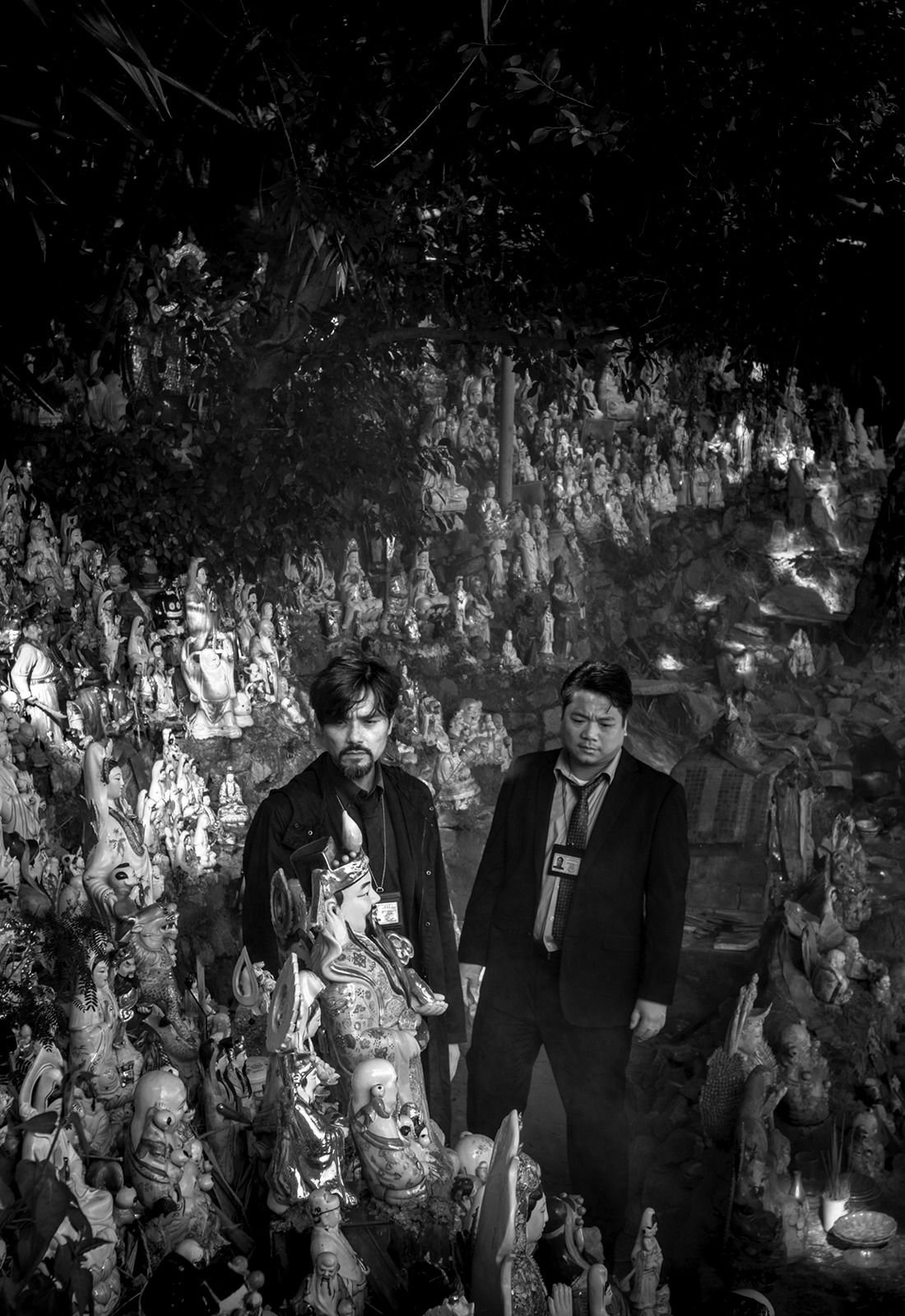
Above Photo: Sun Entertainment Culture
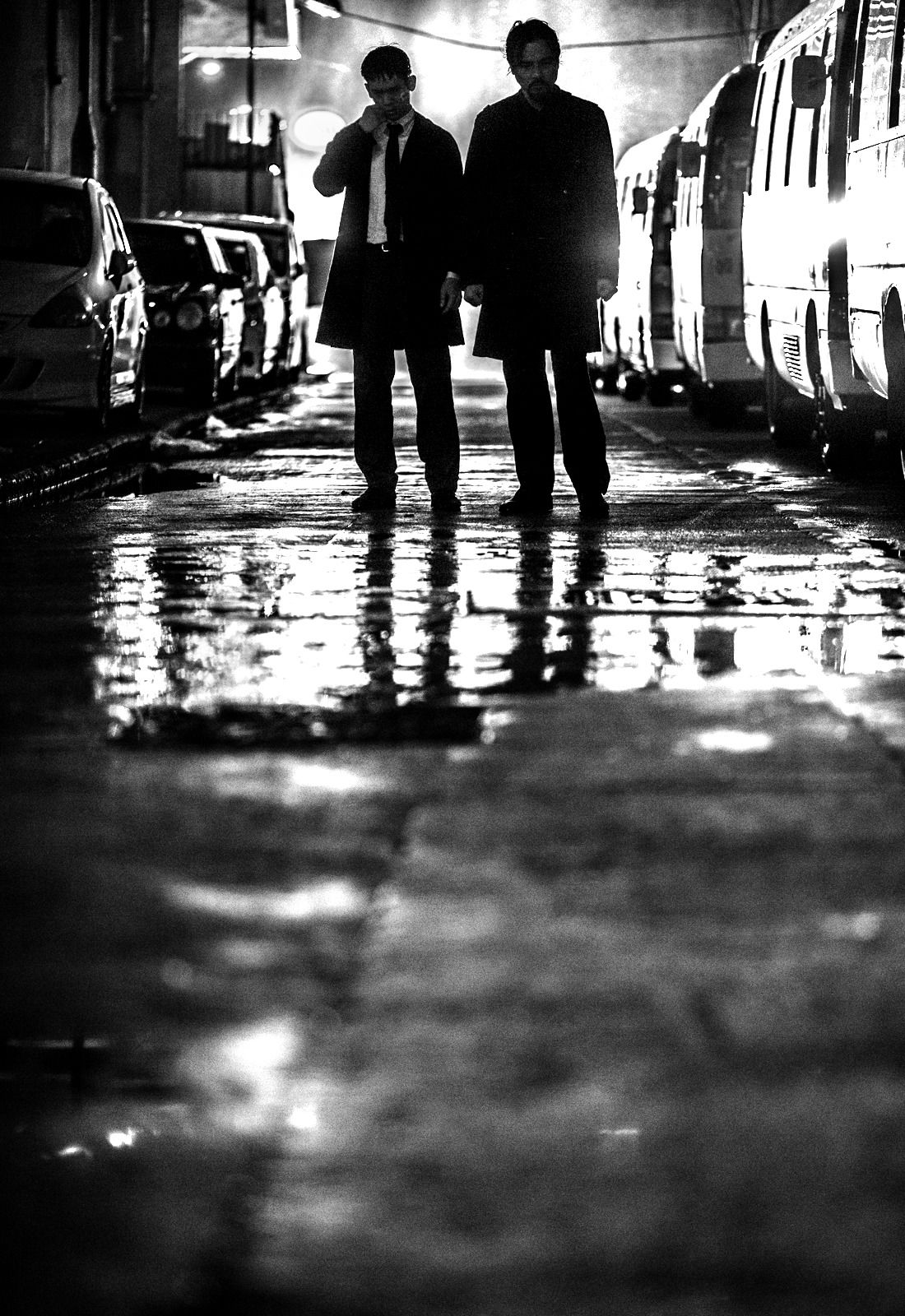
Above Photo: Sun Entertainment Culture
Photo: Sun Entertainment Culture
1 / 2
The production design is one of the movie’s most striking features. Can you tell us what it was like filming amongst all the garbage in the movie?
I enjoyed it so much! That kind of “primitiveness” is something you can’t find today—the kind of alienation that arises when the whole world demands improvement and progress. I am not worried about getting dirty when filming, I wanted to enjoy the moment. Ashes to ashes, dust to dust. I just wanted to experience the most primitive things.
Would you consider Limbo as a new challenge in your career? What was the hardest scene to film?
In the past, I haven’t had a chance to work in this type of movie so I really wanted to try. I hope to bring out new meanings and imply things through my character. Sometimes, the audience can’t help but focus on the visual and miss the symbolic meaning. We have to bring them out for them. The director was open to letting us try new things. It was an amazing filming experience for everyone.
For example, we usually have to design every move for the action scenes and rely on post-editing to create a strong visual effect. This time it’s all real. They would tell you where the borderline of the camera was, and you just started fighting. The performance is real when you think it’s ending soon so you try harder and harder and this is what the director wants. We have this understanding between us. I just know what the director wants.
Cya Liu is very professional. She told me to act realistically and not show mercy because the director only wants things to be real and he will not reshoot. There are no close-up scenes in the whole film, the atmosphere is extremely strong.
It’s your first time working with Cya Liu and Mason Lee. How was the experience?
Everyone did very well. We rarely communicated outside the camera. It helped us to inhabit the mood and mannerisms. This sense of alienation enriches our performance and made it much more realistic. The director did everything possible to get us into the role instead of just encouraging us to talk and form a connection.
Don’t miss: Hong Kong Director Derek Tsang on His Journey to Making Oscar-Nominated Film, ‘Better Days’
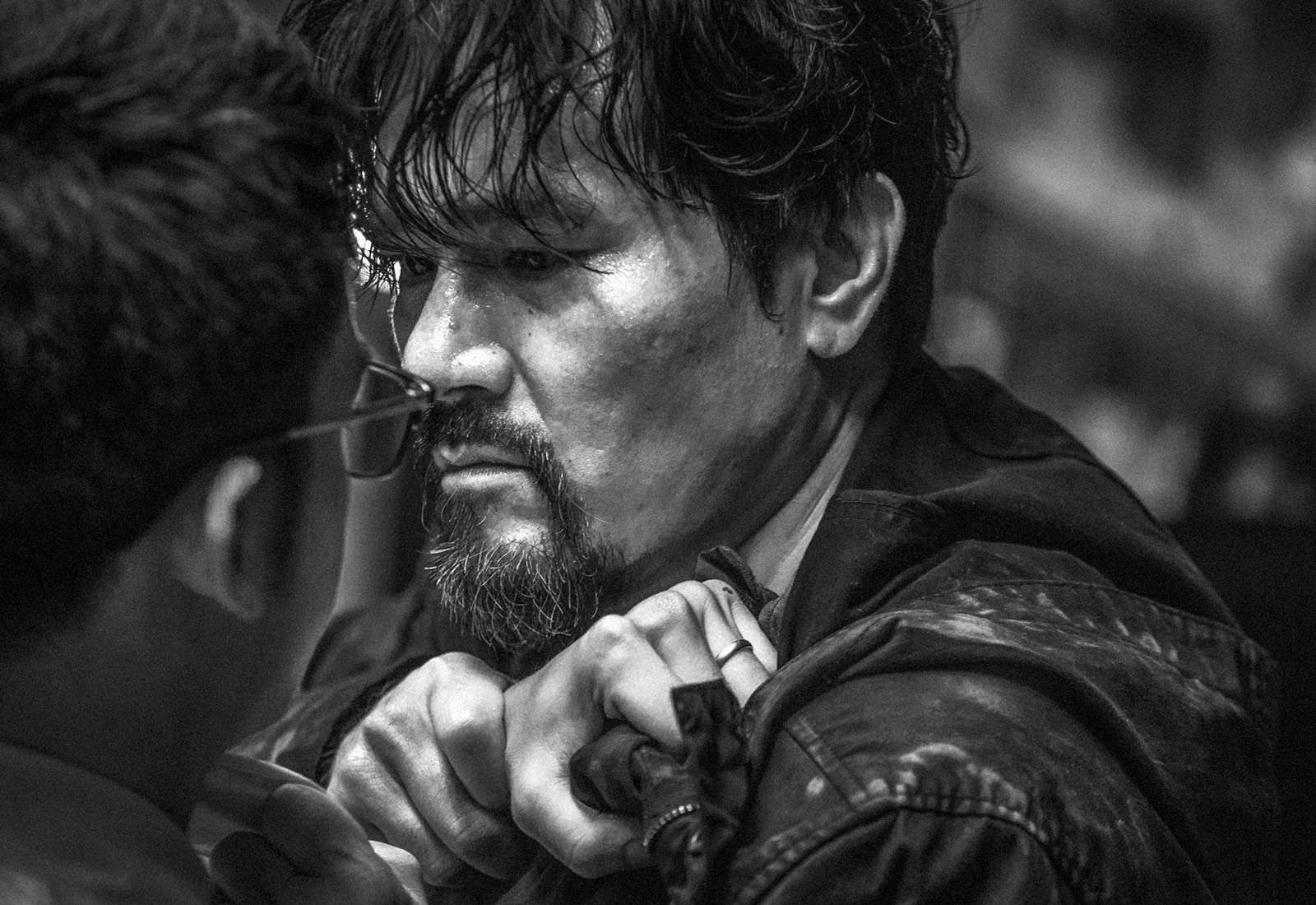

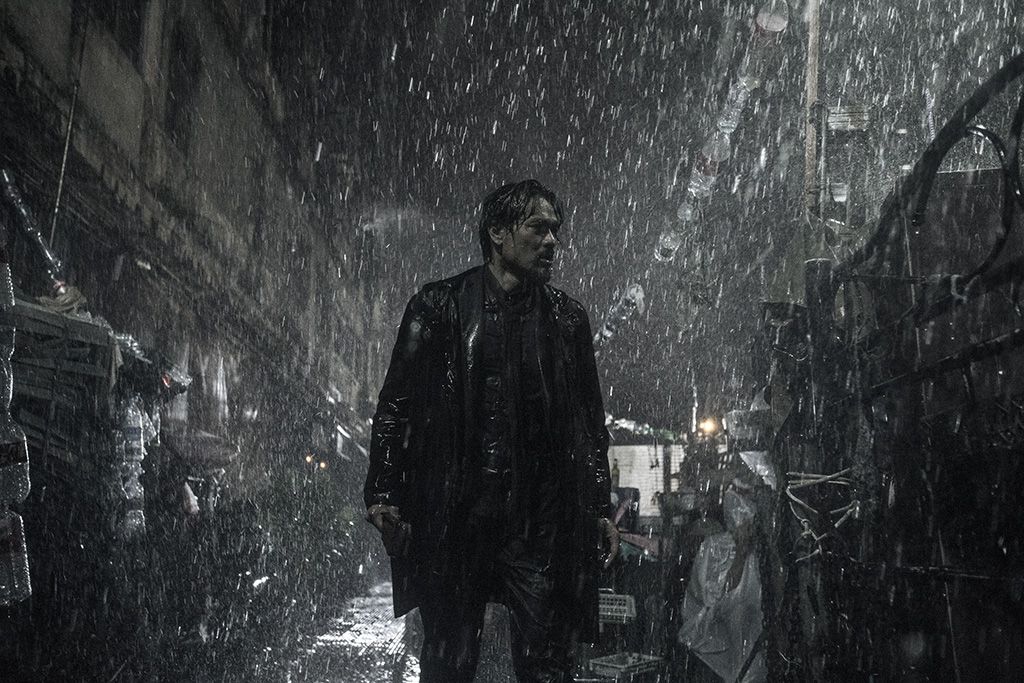

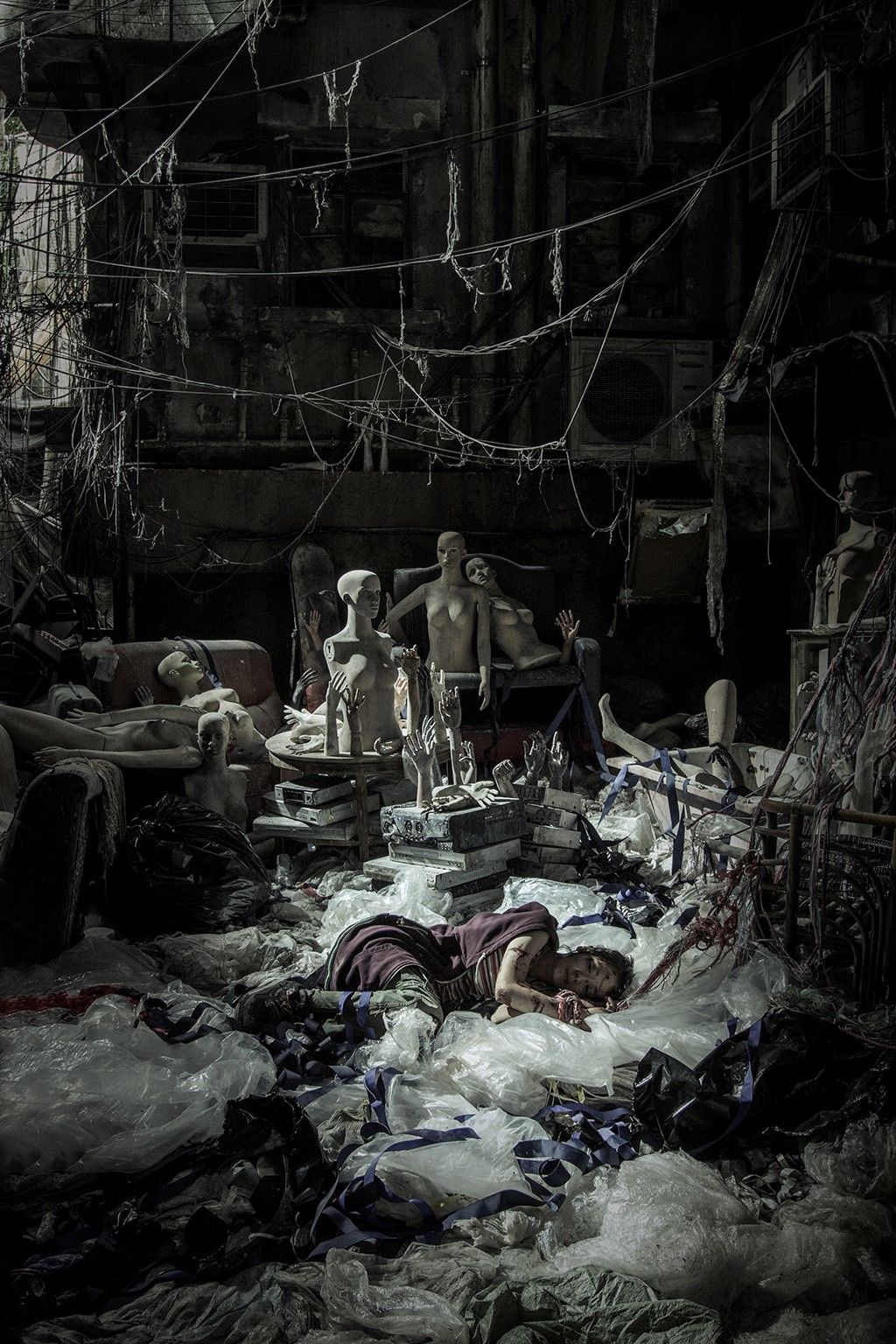
Photo: Sun Entertainment Culture
1 / 5
In the movie, your character isn’t on good terms with Wong To. But later, your attitude towards her shifted. What do you think prompted that change?
Cham Lau is like any normal person. He has a job as a police officer and it’s his duty to solve crimes, but what about his life? The baby is gone and his wife is paralysed. His motto is: Living isn’t any better than dying.
The memory he had from the past transformed into an immense burden. What if a person has no memories? Maybe the burden will not exist. So Cham thinks his death might actually be a relief for him.
Should the hatred continue? Wong To was almost beaten to death and disappears after Brother Cham arrives. He felt guilty. When he was about to redeem himself, was this a form of forgiveness or salvation? Will you wait for forgiveness or are you willing to take that step to seek forgiveness?
The movie is based on the novel Wisdom Tooth, while the English title is Limbo. Is there any significance?
For Limbo, I think the most direct point is that as long as you can forgive and redeem, you don’t have to step into limbo. It’s the soul which goes to hell but not the physical body. Like I said before, living isn’t any better than dying. I have seen many people who passed the point of no return. Limbo is a good footnote for all characters in the film.
As for Wisdom Teeth, wisdom teeth seems useless, but it’s part of our evolutionary process. You may not have noticed its existence at the beginning, but when you know it, you can choose to have it still or to remove it. Both the English and Chinese titles fit the story and each has its own deep meaning.
Limbo premieres in Hong Kong cinemas on November 18, 2021.
NOW READ
10 New Movies to Watch in Hong Kong Cinemas This November 2021
Ann Hui’s New Film ‘Love After Love’ is Finally Screening in Hong Kong
10 New Shows and Movies to Watch on Netflix in November 2021
Credits
Styling: Alex Leung at Salon Nova
Make-Up: Jessica Cheung, Yueng Yu Yi at J.A.C.K Factory
Translation: Cristen Tsoi
Topics

Jianne is a Hong Kong-born, bred and based Filipino. She graduated with a degree in International Journalism from Hong Kong Baptist University and went to work in Japan a travel writer. Upon returning to Hong Kong, she joined Tatler as a digital writer.





