Cover Singapore startups raised more than 90 per cent of the US$2 billion of VC funding that flowed into Southeast Asian companies in the first half of 2025, but much of it went to later-stage companies. (Photo: Getty Images)
Singapore startups raised more than 90 per cent of the US$2 billion of VC funding that flowed into Southeast Asian companies in the first half of 2025, but much of it went to later-stage companies. (Photo: Getty Images)
1 / 1
In an era marked by cautious capital, faltering exits and zombie unicorns, Michael Blakey of Cocoon Capital discusses why he’s doubling down on first-time founders and enterprise and deep tech
In the Where’s the Money series, we speak with industry experts about the trends and ideas impacting Asia’s wealth and financial markets
As Southeast Asia navigates a protracted “funding winter”, Singapore remains the region’s anchor of venture capital funding. The region’s startups raised US$2 billion in funding during the first half of 2025, according to a report by Tracxn, with Singapore capturing 92 per cent of the total.
But behind the numbers is a deeper concern: who’s fuelling the next wave of innovation?
We speak to Michael Blakey, managing partner and co-founder of Singapore-based venture capital firm Cocoon Capital, to find out. A veteran investor with 25 years of experience, Blakey offers an unfiltered, sobering view of the landscape—and why he remains bullish on backing the overlooked.
Read more: The art of risk: 7 unconventional celebrity investments that paid off


Above Michael Blakey, managing partner of Cocoon Capital (Photo: Cocoon Capital)
Michael Blakey, managing partner of Cocoon Capital (Photo: Cocoon Capital)
1 / 1
A high-conviction, low-volume model
Founded in 2016 by Blakey and the VC firm’s partner emeritus William Klippgen, Cocoon Capital focuses on early-stage investments in Southeast Asia and selectively across the wider Asia-Pacific region.
Unlike typical seed-stage VCs that spread small cheques across a broad portfolio, Cocoon Capital takes the opposite approach: fewer bets, but bigger stakes. “We’re a high-conviction, low-volume investor,” says Blakey.
“We only do around four to five deals a year, but we usually take 80 to 100 per cent of the round,” he adds. The firm’s investment strategy combines capital with hands-on support of its portfolio companies.
The firm focuses on pre-seed and seed-stage startups in deep tech and enterprise tech, many of which are university spinoffs or led by first-time founders. “Most of these founders are academics, not commercial people. That’s where we come in.”
Two of the startups it has invested in include Augmentus Robotics and SensorFlow, run by Gen.T Leaders of Tomorrow Daryl Lim and Saikrishnan Ranganathan respectively.
This past April, the firm announced the first close of its third fund, Cocoon Capital Fund III, securing US$30 million in commitments towards a target of US$50 million.
Read more: The hidden wisdom of investing legends: 5 powerful lessons for a prosperous life
To build a strong ecosystem, you need a lot of companies funded at the seed stage. Right now, there just isn’t enough capital
Building an ecosystem, not just portfolios
Blakey isn’t shy about criticising the regional VC model. “To build a strong ecosystem, you need a lot of companies funded at the seed stage. Right now, there just isn’t enough capital,” he says.
While Southeast Asia’s startups secured US$909 million in Q1 2025 alone, much of the money went to later-stage tech companies. “Pre-seed and seed startups are starving for cash.”
The lack of support for early-stage founders means fewer startups get the runway they need, which eventually affects Series A and beyond. “It’s a pyramid” that is needed, argues Blakey, because if the base (early-stage startups) isn’t wide enough, you won’t have enough winners (later-stage startups) at the top.
Blakey offers more details about Singapore’s venture landscape.
Read more: From unicorn dreams to zombie realities: navigating the entrepreneurial reckoning

Above The Cocoon Capital team and portfolio companies (Photo: Cocoon Capital)
The Cocoon Capital team and portfolio companies (Photo: Cocoon Capital)
1 / 1
How do you see the state of venture capital funding in Singapore today?
Michael Blakey (MB): There’s a real funding issue, and it’s only getting worse.
On the VC side, there’s a flight to safety. A lot of early-stage funds that were around are either dead or have moved up the food chain. Many limited partners are also pulling back from first-time fund managers in favour of those with more experience and results.
A lot of founders are telling me that we’re the only ones willing to even have a conversation with them.
It’s not just a lack of capital—it’s also the timing. This “winter” hit just when we were starting to see real momentum. Had it come a year later, I think we’d have seen a wave of exits, which would have returned a lot of money to investors and, in turn, allowed them to raise more funds to invest.
How should startups navigate this period?
MB: Startups need to focus on real problems. Focus on building a strong business model that actually makes money. In a downturn, if you can go to a company and say you’ll save them 30 per cent in energy cost, they’ll use you. In other words, must-have solutions will still get adopted.
On fundraising, normally, I would say companies need to raise enough for 18 months. Right now, you need to be able to stretch it to 24 months. You have to be much more aware that you may be raising less money, but needing to spend it over a longer time.
Has Cocoon Capital changed its approach during this period?
MB: It hasn’t at all. We’ve got a clear thesis—and we know it works.
It’s bonkers, but it’s AI and deep tech. I am excited about AI because it’s bringing down the cost of building a startup
Are there any bright spots?
MB: It’s bonkers, but it’s AI and deep tech. I am excited about AI because it’s bringing down the cost of building a startup, which can get to profitability. The amount you now need to raise to build a global, scalable business has dramatically dropped, which means that you don’t need as much money in the market, and you can get to revenue faster.
What continues to excite you about the Singapore startup landscape?
MB: In the UK, it took years before the first unicorn appeared. In Singapore, you’ve got some of the top universities. You’ve got a lot of research being done here. You just need one or two of these companies to gain world recognition and get a big exit, and that’s going to inspire a lot of other people to want to do it themselves.
Success breeds success.
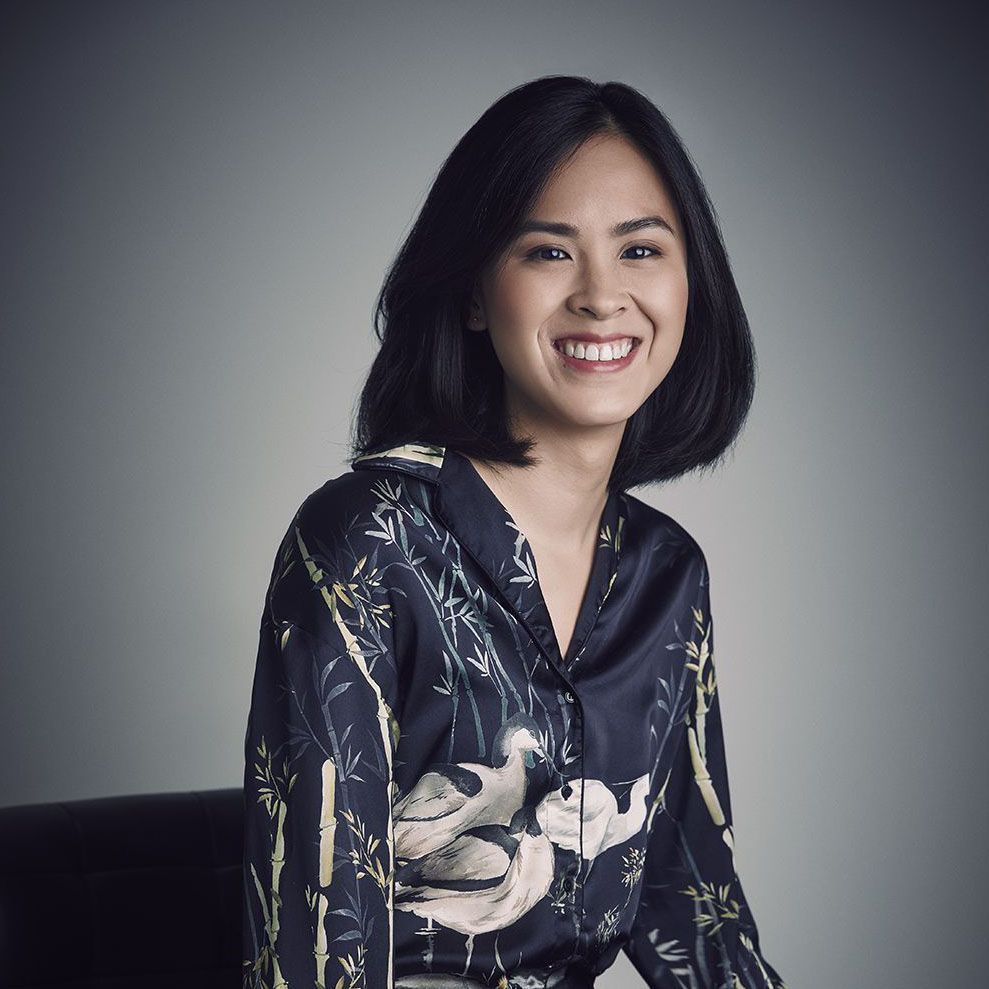
Chong Seow Wei is a regional senior editor covering business, innovation, impact and people. Based in Singapore, she oversees content for Gen.T, Tatler’s platform for promising entrepreneurs and new-generation leaders, and its Power & Purpose vertical.
Curated for you
The stories, profiles, and cultural moments featured on our Instagram feed