Cover Brain fog, anxiety and mood changes can be signs of perimenopause. Learn what women should know about this transition and why awareness matters.
Brain fog, anxiety and mood changes can be signs of perimenopause. Learn what women should know about this transition and why awareness matters.
1 / 1
Often mistaken for stress, anxiety or the effects of a busy life, perimenopause can begin years before menopause. A growing conversation around women’s health is challenging the silence surrounding this transition
Ask someone to picture a woman going through menopause and a familiar image might come to mind: hot flashes, mood swings and a woman struggling to keep her emotions in check. Ask them to picture perimenopause, however, and the answer may be less obvious.
That was the premise of a discussion led by Master Rega Stellar Pe at Decoding Women’s Health: From Your 30s to Perimenopause, an event organised by Philippine sustainable period care brand Halia in partnership with the World Institute for Incurable Diseases (WIID) in Makati on October 1. When Pe asked an audience of 30 women to imagine someone going through perimenopause, the room fell silent.
“There’s no icon of perimenopause,” she observed. “So what do we do? We’ve got to make that icon for ourselves.”
The absence of a recognisable image speaks to a larger problem. While menstruation, pregnancy and fertility have become more visible parts of the conversation around women’s health, the transition towards menopause remains less understood. Women may experience brain fog, anxiety, mood changes and shifts in metabolism without immediately connecting them to hormonal changes. Some may attribute these symptoms to stress or the demands of work and family life.


Above During Decoding Women’s Health, Master Rega Stellar Pe discussed the changes associated with perimenopause and shared practical approaches to sleep and everyday wellbeing (Photo: Sab Quinones)
During Decoding Women’s Health, Master Rega Stellar Pe discussed the changes associated with perimenopause and shared practical approaches to sleep and everyday wellbeing (Photo: Sab Quinones)
1 / 1
Perimenopause can begin in a woman’s 30s and last several years. Menopause, by contrast, is defined as 12 consecutive months without a menstrual period. The distinction matters: women may spend years navigating changes before reaching the milestone most commonly associated with the transition.
Pe, a director at WIID and a holistic and energy medicine practitioner, offered a different way of looking at the experience. “Perimenopause is the journey. Menopause is the graduation certificate,” she said.
It is a reframing that moves the conversation away from decline and towards understanding. Rather than treating menopause as something to dread, women should have the information to recognise what is happening to their bodies and seek appropriate support.
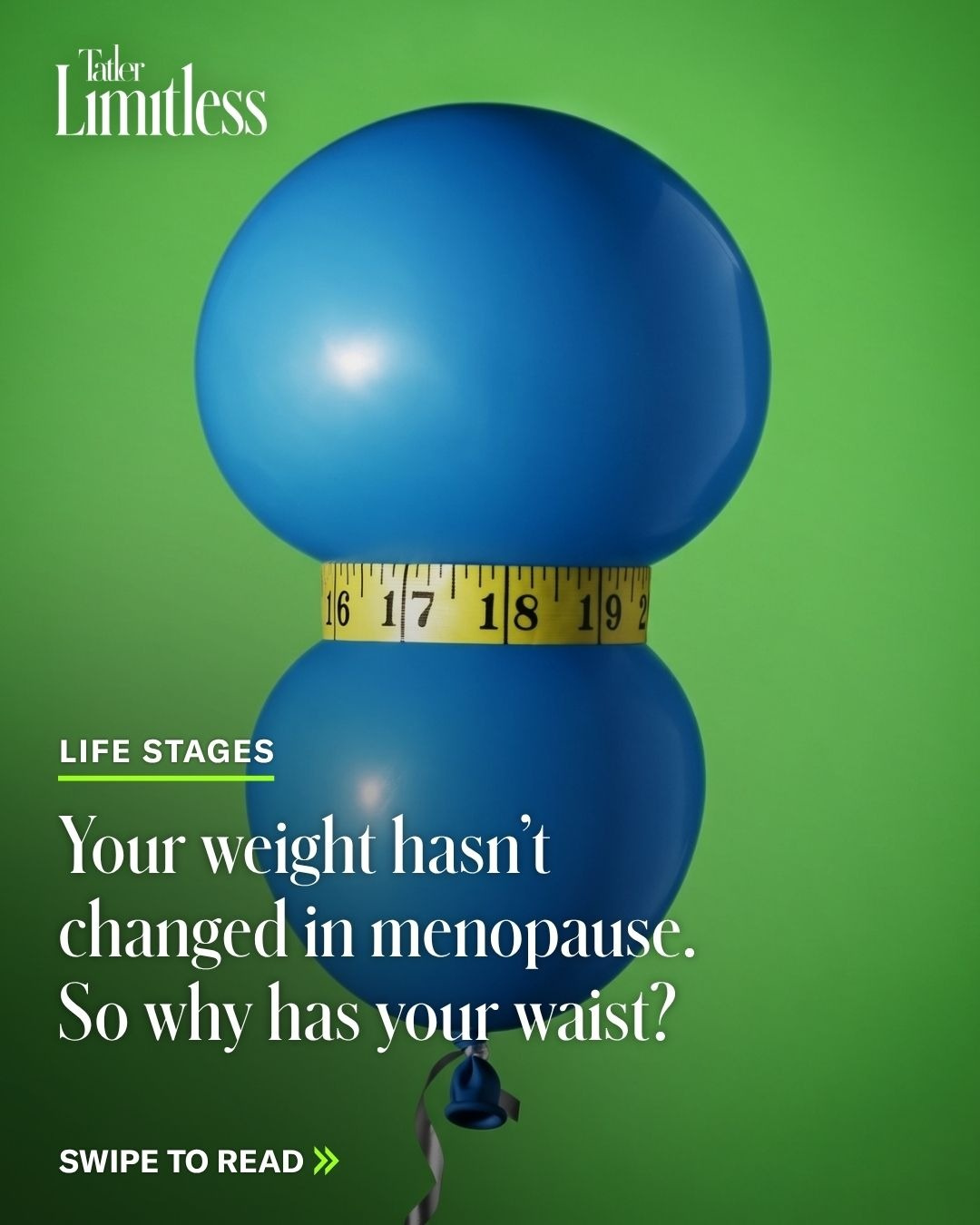
Read more: Same weight, different waist: here’s what happens to your body around menopause
Beyond the symptoms
The practicalities of managing these changes were also part of the discussion. Pe shared advice on sleep, including a 3-2-1 routine: finish eating three hours before bed, put away screens and dim bright lights two hours before bed, and limit liquids in the final hour. Strength training two to three times a week and eating sufficient protein were among the other habits discussed.
These measures are not a substitute for medical advice, nor will the same approach work for every woman. But the larger point is worth considering: understanding women’s health requires more than recognising symptoms once they become disruptive. It means giving women the information to ask better questions, make informed decisions and seek help when something does not feel right.
For women balancing careers, caregiving and the ordinary demands of daily life, that knowledge can be particularly valuable. When symptoms are poorly understood, it can be difficult to distinguish a health concern from the exhaustion of an already demanding schedule. The answer is not to assume every change is hormonal, but to make it easier for women to discuss what they are experiencing without embarrassment or dismissal.

Above Women gather for Halia’s Decoding Women’s Health event, which explored perimenopause, hormonal changes and the importance of understanding women’s health at every stage of life (Photo: Sab Quinones)
Women gather for Halia’s Decoding Women’s Health event, which explored perimenopause, hormonal changes and the importance of understanding women’s health at every stage of life (Photo: Sab Quinones)
1 / 1
A conversation between generations
For Halia founder and CEO and Gen.T Leader of Tomorrow Alexa Jocom, the discussion is a natural extension of the brand’s work in menstrual health education. Founded when Jocom was 19, Halia has built its business around sustainable period care, with products ranging from period pads to bladder liners designed for women experiencing light bladder leaks, including during perimenopause.
Its remit, however, extends beyond the products themselves. “Halia has always been about helping women feel less alone with their bodies, and that doesn’t stop when periods do,” Jocom said.
She also sees value in changing how younger women view ageing. Reflecting on her mother and grandmother, Jocom said she sees women whose experience and wisdom younger generations are fortunate to learn from, rather than women who have lost something.
It is a perspective that brings a generational dimension to a conversation often treated as a private concern. Women approaching perimenopause need reliable information and support, while younger women stand to benefit from hearing about the experiences of those who have gone before them. Making room for these conversations can help replace uncertainty with a more realistic understanding of what lies ahead.
Read more: 5 longevity podcasts to share with a parent who is thinking about ageing

Above Alexa Jocom, founder and CEO of Halia, continues the brand’s work in menstrual health education by opening up conversations about perimenopause and the changes women experience beyond their reproductive years (Photo: Sab Quinones)
Alexa Jocom, founder and CEO of Halia, continues the brand’s work in menstrual health education by opening up conversations about perimenopause and the changes women experience beyond their reproductive years (Photo: Sab Quinones)
1 / 1
Why it belongs in the workplace, too
There is a professional dimension to this discussion that deserves more attention. Women do not leave their health concerns at the office door, and symptoms that affect sleep, concentration or mood can also affect their working lives. Yet a lack of awareness may leave women reluctant to raise concerns or seek support, particularly in environments where menopause is rarely discussed.
For employers, the starting point is not to make assumptions about what women need at a particular age. It is to foster a culture in which health concerns can be discussed without stigma, and where employees can access credible information and appropriate care. Better education benefits colleagues and managers, too, helping them respond with understanding rather than relying on stereotypes.
Halia plans to continue its community talks on women's health, extending the conversation beyond menstruation to the stages that follow. Its October gathering was a reminder that women's health education cannot end with the first period, or focus exclusively on the years associated with fertility.
Perimenopause is a transition, not a loss of capability. Women deserve to approach it with a clear understanding of their health, the freedom to discuss their experiences and access to the support they need. The first step is to make the conversation less exceptional and far more ordinary.
Topics

Syrah is Tatler Philippines’ Power & Purpose editor, where she spotlights extraordinary journeys shaping the Philippines and Asia. She covers business, innovation, impact, and culture—chasing the people, ideas and forces shaping how we live and think today.
Curated for you
The stories, profiles, and cultural moments featured on our Instagram feed