
Cover Having a baby is one of those major life changes that can change a lot of factors including how a couple gets intimate (Photo: Getty Images)
Having a baby is one of those major life changes that can change a lot of factors including how a couple gets intimate (Photo: Getty Images)
1 / 1
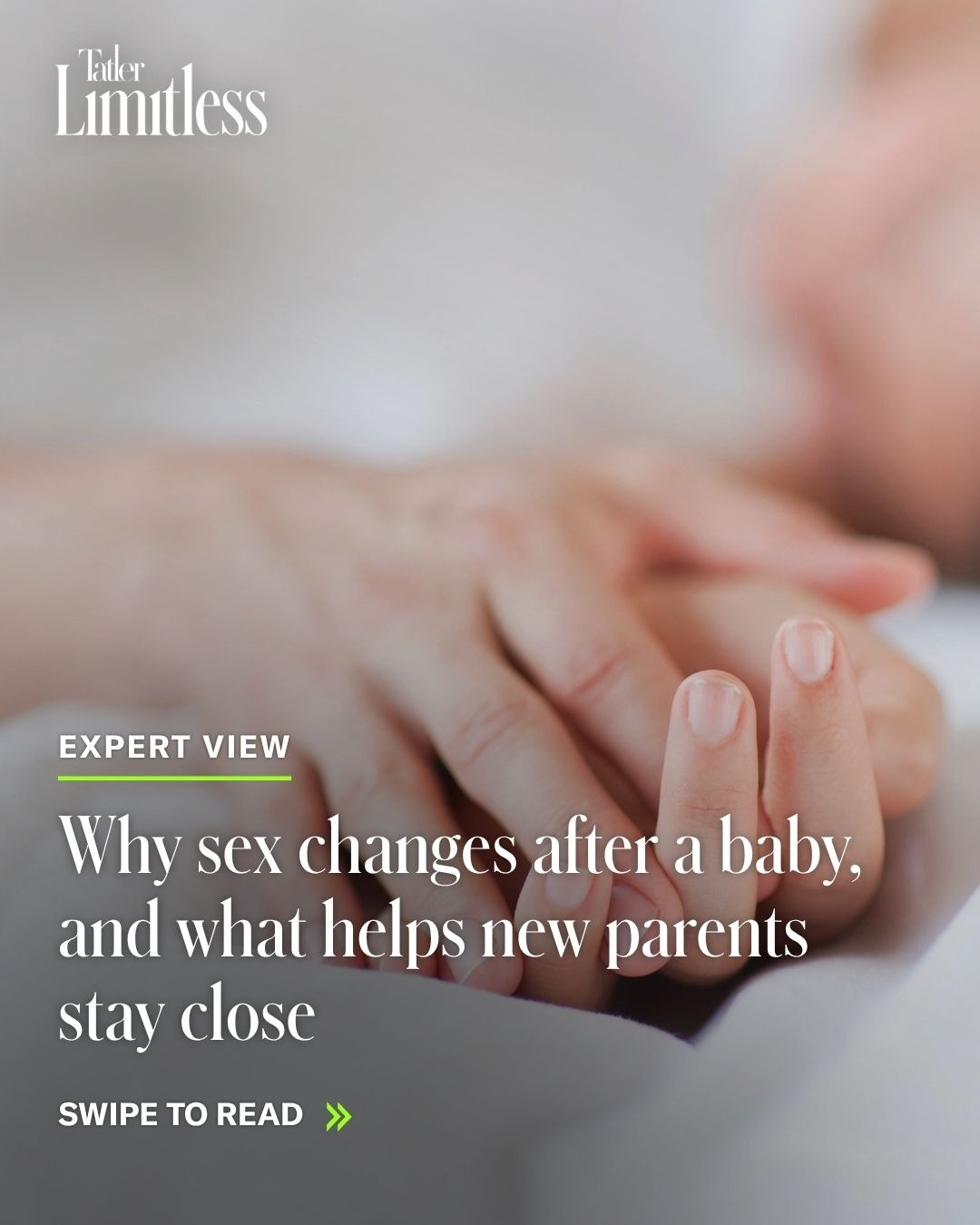
What does it take for sex after a baby to feel connected rather than pressured? Having had sex only a handful of times in the year after my own baby was born, I draw on my experience as a sexologist and on recent research to explain why desire often changes after birth
Postnatal care typically centers around a single milestone: the 6-to-8-week medical check-up. Once a doctor gives physical clearance, it’s assumed parents are ready to resume their pre-baby sex life
However, this physical clearance completely medicalises sex, and because standard postnatal care largely ignores sexual health, parents are left underprepared to navigate complex intimacy shifts.
I am a board-certified sexologist. My baby turned one this month, and I can count on one hand the number of times my husband and I have had sex over the past twelve months. I share this with zero shame. While our physical sexual frequency was low this past year, our emotional intimacy was, by contrast, very high. My husband and I have both learned to adapt to these changes, understanding together how they directly impact libido and sexual response.
As my husband reflects: “Understanding that a drop in intimacy wasn't personal rejection, but a natural hormonal transition, helped me a lot. But even with that empathy and understanding, the longing for physical connection is a very real, valid emotion that partners carry. Patience is tough, but when both people practice it, it is completely worth it.”
The physiological shift


Above The demands of caring for a newborn can significantly affect a postpartum mother’s libido (Photo: Getty Images)
The demands of caring for a newborn can significantly affect a postpartum mother’s libido (Photo: Getty Images)
1 / 1
Sexual disconnection after a baby is rarely about a lack of attraction; it is primarily a physiological response. In a 2026 systematic review of 22 studies, Adeli and colleagues found that 60 per cent to 80 per cent of postpartum women experience changes in sexual function, including reduced libido and vaginal dryness. Elevated prolactin, the hormone responsible for milk production, and decreased postpartum oestrogen drive these early biological changes.
Then there is sheer exhaustion. In the early months, many new parents do not even share a bedroom. Between shift-sleeping and night-waking, studies have established severe sleep deprivation as a primary disruptor of sexual function.
Read more: The importance of good sex, according to Maaike Steinebach and Sara Tang
The psychological shift: body image and desirability
Beyond biology, psychological stress and body image significantly influence sexual well-being. Published in 2021, researchers Behzadi et al highlight that physical postpartum changes can alter body image and perceptions of desirability, leading women to feel sexually unattractive.
Crucially, Adeli et al noted that with partner support, many couples report increased emotional intimacy and relationship satisfaction despite lower sexual frequency. This resonated with my lived experience.
As someone diagnosed ADHD during pregnancy, this transition was also a major cognitive adjustment. Navigating newborn logistics alongside constant sensory overload—especially breastfeeding—impacted my executive functioning. When your nervous system is on high alert, your brain cannot shift into the relaxed state required for physical sexual arousal.
In case you missed it: What neurodivergence actually means in adult life
The path back to intimacy
Equating intimacy solely with penetrative sex creates unnecessary pressure. Rebuilding physical connection must always begin with shared consent and psychological safety - you should never feel coerced or obliged to do anything that doesn't feel right for your body.
In a qualitative study on postpartum sexuality, Delgado-Pérez et al. (2022) identified that successfully recovering intimacy relies on self-care, acceptance of the life changes of parenthood, dedicated couple time, and adapting sexual intimacy. Rather than forcing pre-baby sexual patterns, these practical strategies are proven to enhance postpartum sexual satisfaction:
- Adapting positions and pacing: Utilising lubricants, modifying depth, and choosing positions that prevent perineal discomfort or fear of pain. Any pain should be supported by a healthcare professional.
- Embracing alternatives: Exploring non-penetrative options including oral sex and massage with your partner, and solo masturbation to build body confidence.
- Support and communication: Feeling genuinely supported and understood by your partner can open a "window of intimacy," allowing couples to discover new ways of expressing closeness.
It’s important to note that sexual response is deeply personal and influenced by biological and relational elements. Ultimately, sex after a baby is just as transformative as the journey of parenthood itself. It’s a time to honour our evolving bodies, minds, and new identities as parents, and to build connection based on emotional intimacy rather than physical intimacy - moving at your own pace and when you both feel ready.
Mary Foxworth is the founder of Foxworth Institute, delivering research-backed education for human connection across all age groups and neurotypes. A Board-Certified Sexologist holding degrees in law, criminology, and political science, she combines multidisciplinary expertise with neurodivergent lived experience to design resources that protect, empower, and connect.
NOW READ
Why Shay Mitchell’s Rini isn’t the villain we’re making it out to be
Curated for you
The stories, profiles, and cultural moments featured on our Instagram feed