1 / 1
On a family holiday in Mexico, we discover magic realism come alive in the streets of San Miguel de Allende
In Mexico, Surrealism runs through the streets. Surrealism comes from the reality of Latin America.
- Gabriel Garcia Marquez
There is no place where those words of Gabriel Garcia Marquez ring truer than along the enchanting quarters of San Miguel de Allende. While often described as a charming, colonial-era city, walking along the cobblestone streets transported me not just to another place, but to another time all together. It is as if the whole city was created by the boundless imagination of the artists and inhabitants of the ar ea, inside a novel exercising Latin flavours of magical realism.
We checked in at the Belmond Casa de Sierra Nevada, a cluster of 17th- and 18th-century colonial heritage mansions, now luxury accommodation. Inside were dazzling inner courtyards with luscious greens, a beautiful pool framed by stone carved details, and rooms that served as the perfect introduction to the enchantment of the city. From the colourful, Talavera tiles (a type of fine earthenware distinguished by a milky white glaze) to the copper bathtubs and sinks, warm fireplaces to candle chandeliers, they provided us with a period charm complete with modern-day comforts. If this was just the beginning, we were excited to see what more could be in store.

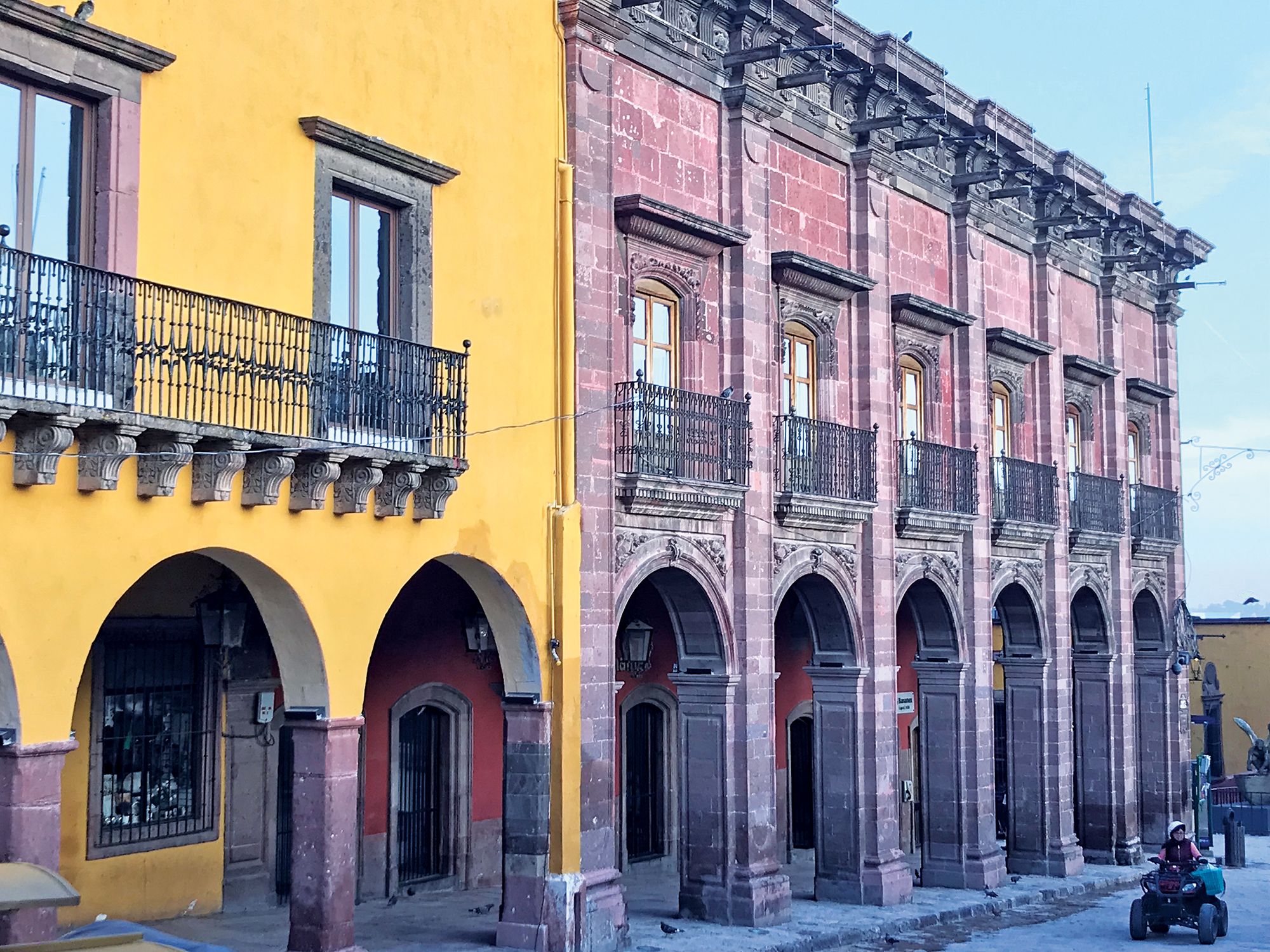
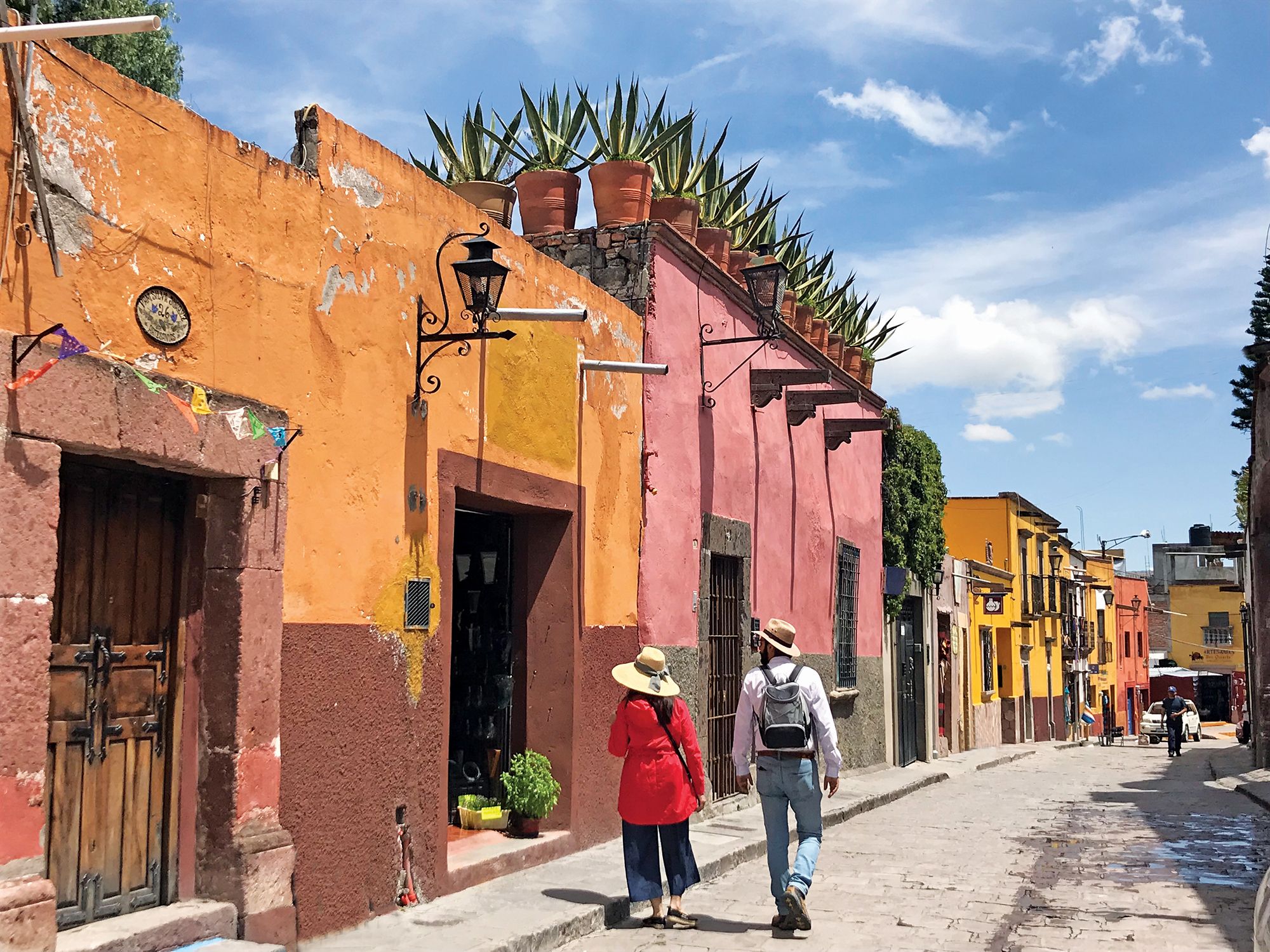
Above Snapshots taken from the colourful streets of San Miguel de Allende
Snapshots taken from the colourful streets of San Miguel de Allende
1 / 1
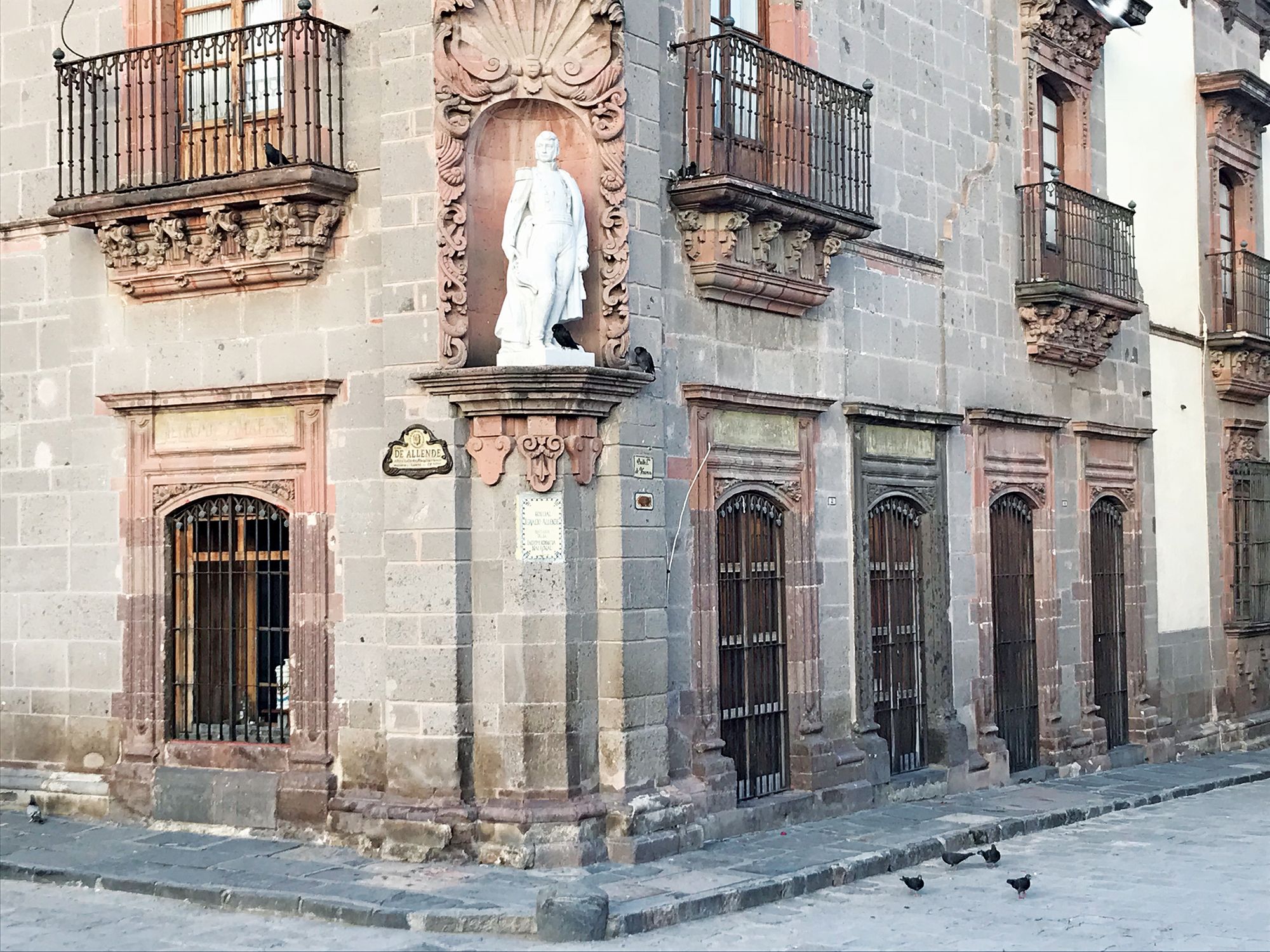
The buildings are colourful but unassuming, only a couple of storeys tall at most, with plain façades painted in yellows, reds, and pinks. They are complemented by bougainvilleas draped over the walls, rooftop gardens scattered with potted cacti, blooming jacaranda trees, and climbing vines.
Other than the imposing architecture of the grand churches and government buildings, there is nothing to distinguish one building from the next. The colonial exteriors have been maintained and restored with care, while people have transformed the inner courtyards and interiors into boutique stores, elegant restaurants, and a proliferation of art galleries. A former monastery is now the Escuela de Bellas Artes, which hosts art exhibitions and a lively courtyard of art students, while a former, turn-of-the-century textile mill has been restored into the Fabrica La Aurora, a vibrant art hub 10 minutes away from the city centre.
Since there is no zoning, it is like a wonderful game figuring out what lies behind each of the doors. Where will this one bring me to, I wondered, never fully prepared for what met me whenever I stepped inside.
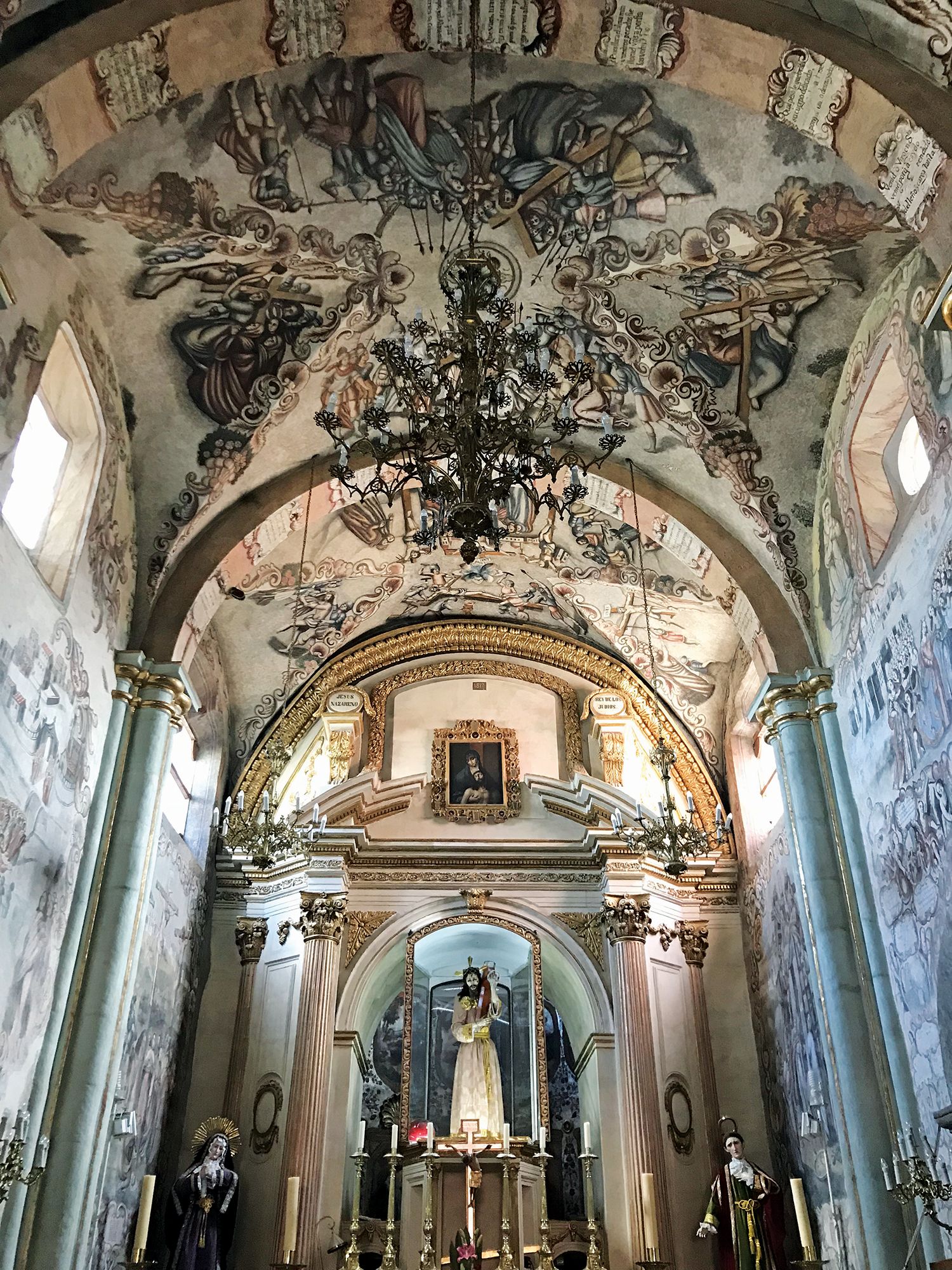
Above Inside the Sanctuary of Atotonilco adorned with beautiful 18th century frescoes by Miguel Antonio Martinez de Pocasangre
Inside the Sanctuary of Atotonilco adorned with beautiful 18th century frescoes by Miguel Antonio Martinez de Pocasangre
1 / 1
Just a street away from the Belmond, step into a beautiful, 18th-century colonial building and into Sollano 16 for fine Spanish and South American antiques alongside delicate, local, handicrafts that showcase the skilled designers and creatives of the city. In the same complex is the famed The Restaurant, with its sun-kissed, Moroccan-style courtyard perfect for a late lunch or even an elegant dinner.
A pleasant surprise, a couple of streets past the soaring, neo-Gothic beauty of La Parroquia, is Doce 18 Concept House on Calleo Rolex. Inside the former Casa Cohen metals factory, a variety of experiences awaited us, from curated high-end boutiques to elegant florists, to coffee shops and g ourmet cuisines. The most curious is the intimat e six-seater Casa Dragones Tasting Room, the world’s tiniest tequila bar. Its black obsidian tiled interiors complement the tasting tequilas for a transportative experience, our tequila sommelier (or tequillier) set the scene in our minds, “bringing” us to the blue agave fields of Mexico so we could truly appreciate the small batch craftsmanship of the award-winning sipping tequila.
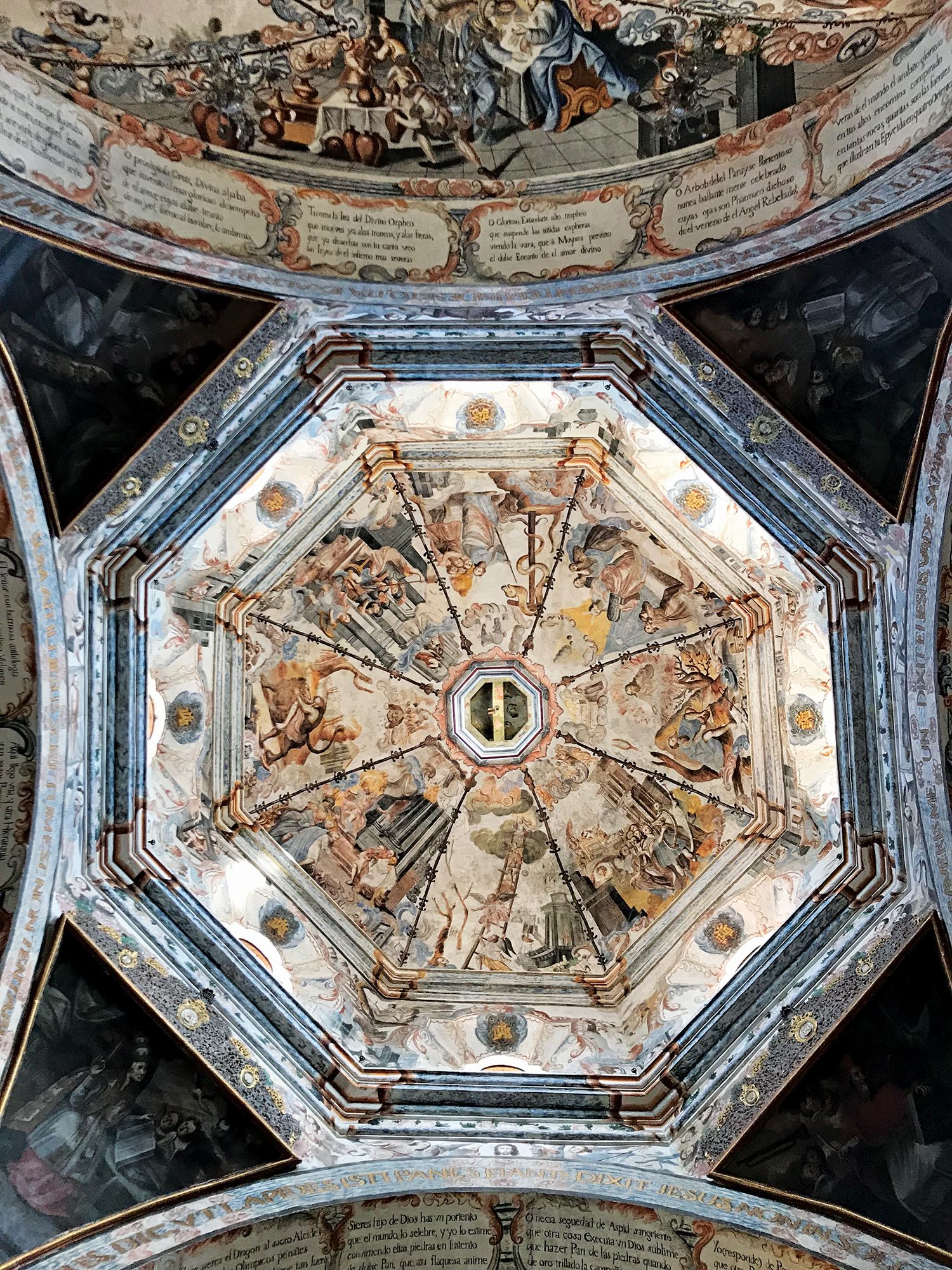
Above Inside the Sanctuary of Atotonilco adorned with beautiful 18th century frescoes by Miguel Antonio Martinez de Pocasangre
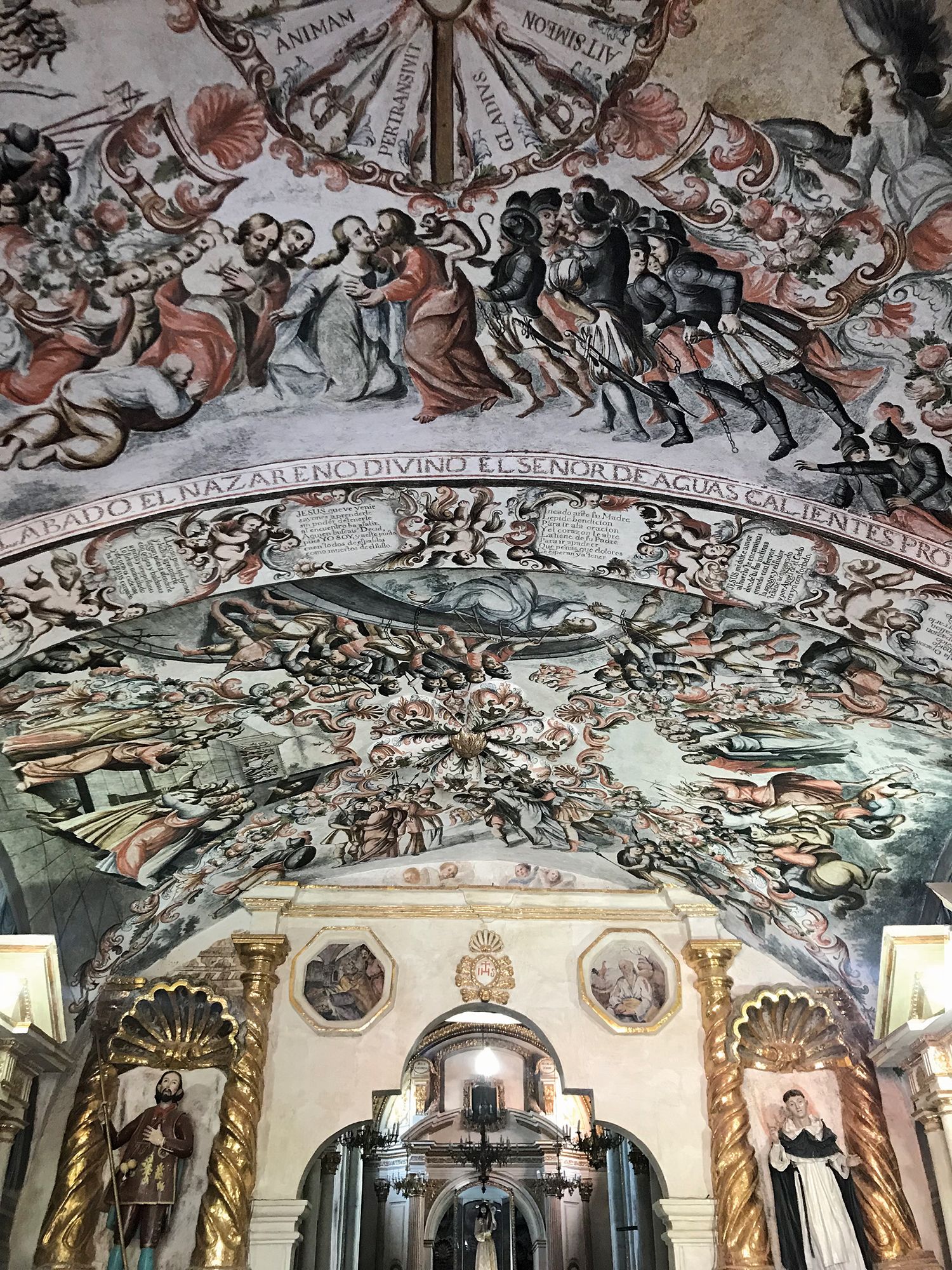
Above Inside the Sanctuary of Atotonilco adorned with beautiful 18th century frescoes by Miguel Antonio Martinez de Pocasangre
Inside the Sanctuary of Atotonilco adorned with beautiful 18th century frescoes by Miguel Antonio Martinez de Pocasangre
1 / 2
Walking through the narrow streets, be serenaded with Spanish love songs by mariachi bands. We even saw a man propose, wooing his woman as he played on his acoustic guitar. There were parades for the just married, and quinceñera (15th birthday) celebrations with bubbly young girls in beautiful dresses. All these magical moments we witnessed within such a perfect setting of a city.
We were told that the rooftop patio of Antonia Bistro was the best place to watch the sun go down and see La Parroquia’s spiraling towers dramatically light up. The food and the view, which did not disappoint, marked a perfect end to the day.
1 / 2
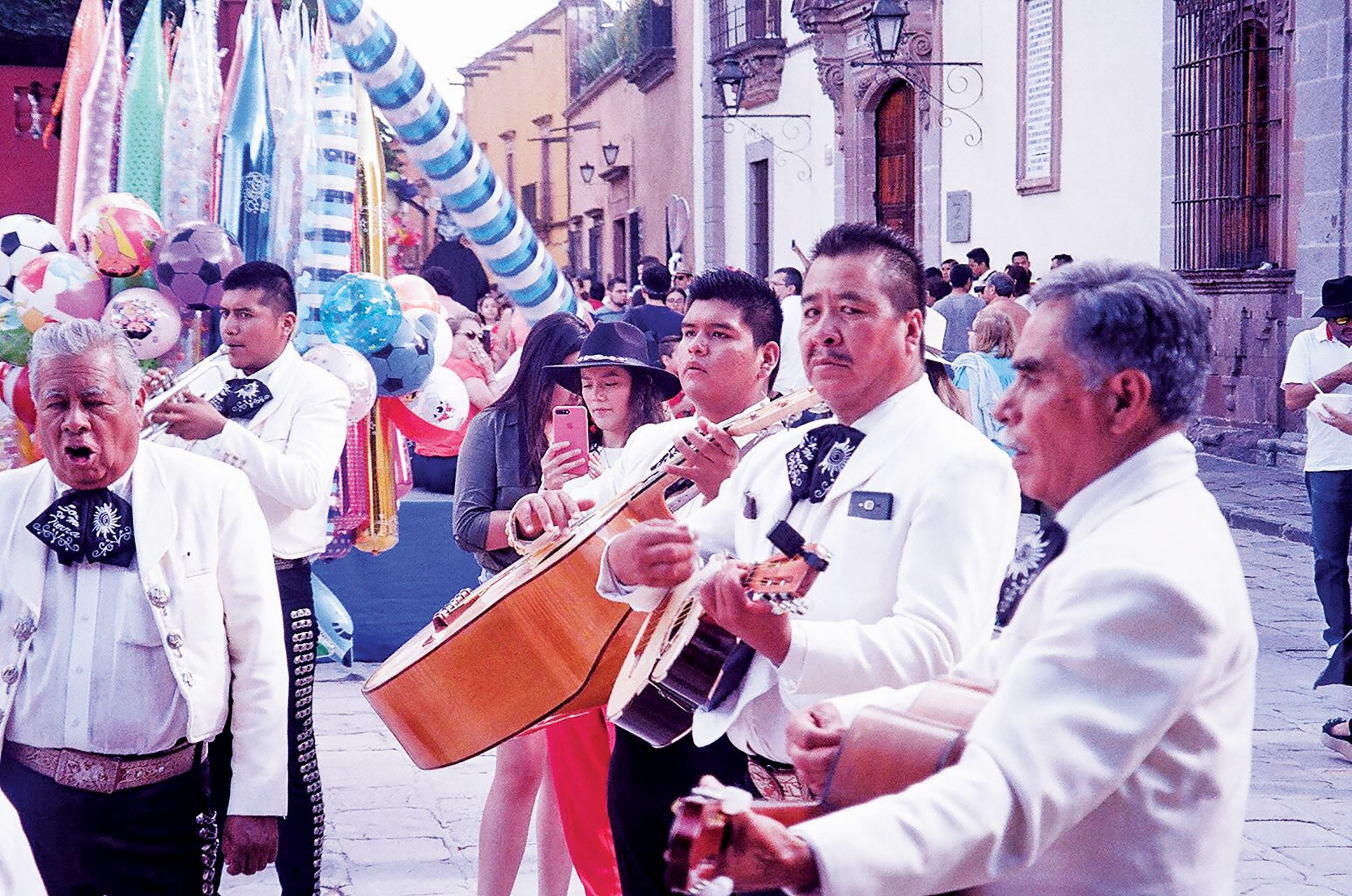
Above Mariachi bands serenade passersby on the streets
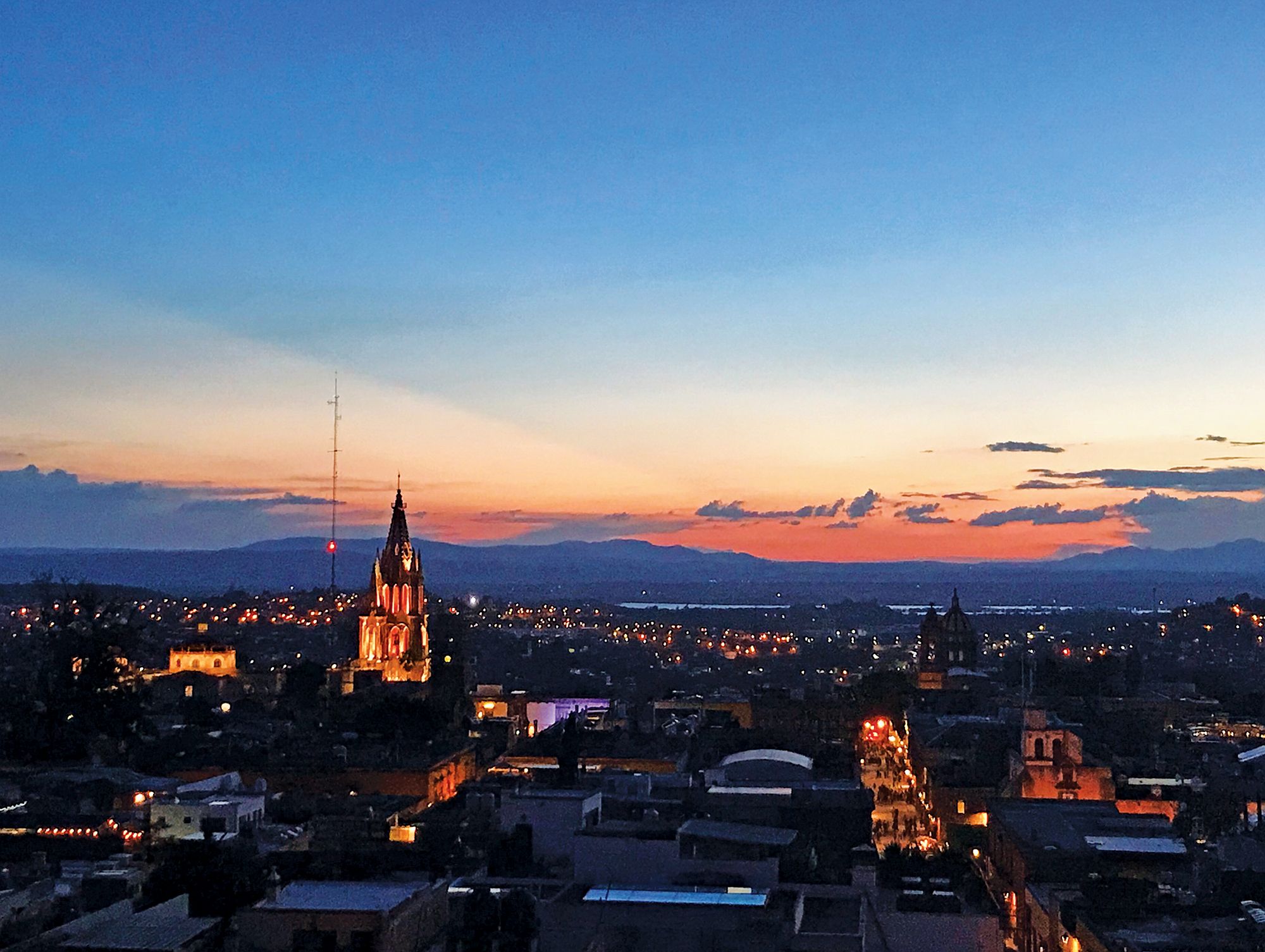
Above A golden sunset as viewed from Antonia Bistro envelopes the city
Mariachi bands serenade passersby on the streets
1 / 2
A short car ride north of the city to the Sanctuary of Atotonilco is well worth the trip. The exteriors are plain white and have an almost intimidating, fortress-like appearance. Yet, a step inside and I was met with the astounding “Sistine Chapel of Mexico.” The ceilings and walls are adorned with 18th century Mexican folk Baroque-style murals and frescoes by Miguel Antonio Martinez de Pocasangre, a well-known indigeneous muralist of the colonial period. Like everything else in this wonderful town stuck out of time and space, in a world of its own where every door leads to another world all together, nothing is as it seems.
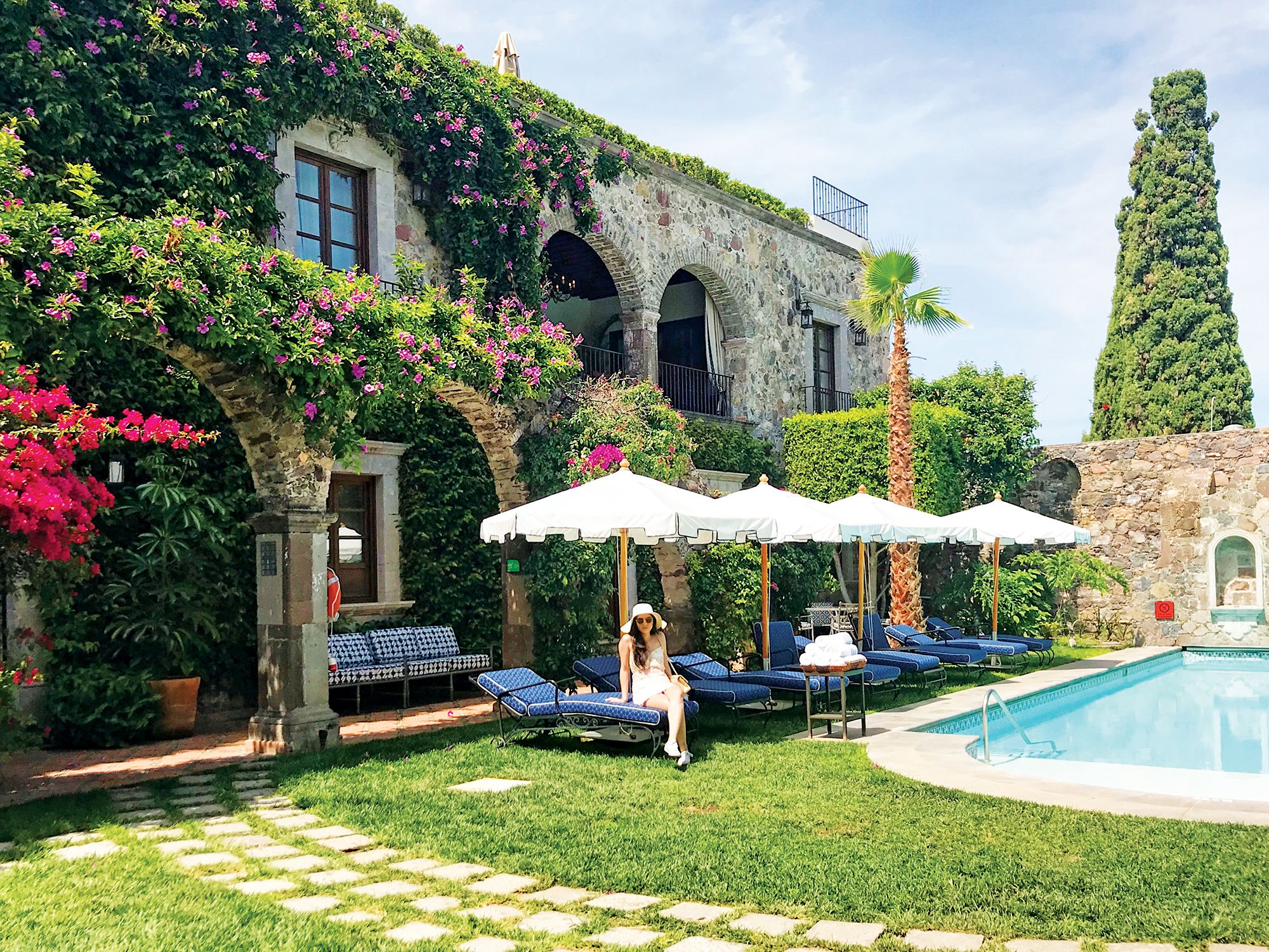
Above Kerry by the poolside of Belmond Casa de Sierra Nevada
Kerry by the poolside of Belmond Casa de Sierra Nevada
1 / 1
As we drove towards Mexico City to catch our flight back to New York, the deep hues of the sunrise matched the ochre and sienna façades of the buildings in San Miguel de Allende. The colours seamlessly melt into each other, an oasis made out of the shades of the sky. It all seemed so surreal, the dramatic desert ride into the sunrise and the whole unique experience, a city that is an artwork in itself, the perfect mix of wonder and wanderlust.
Tradiciones Filipinas
Our guide said he had one last surprise for us before we left. It was behind one of the wooden front doors of a building that looked like any of the others; we stepped in and were transported back home.
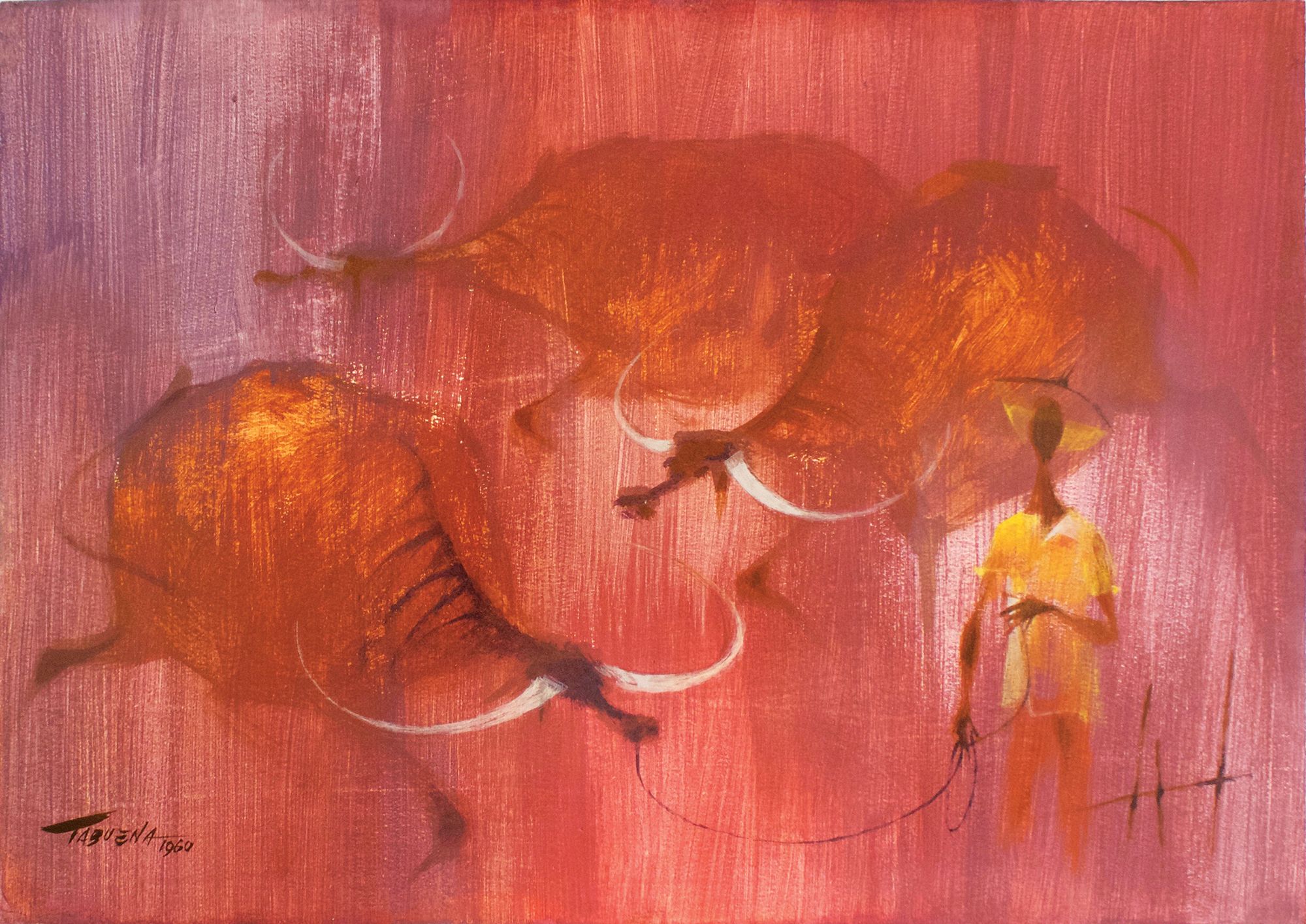
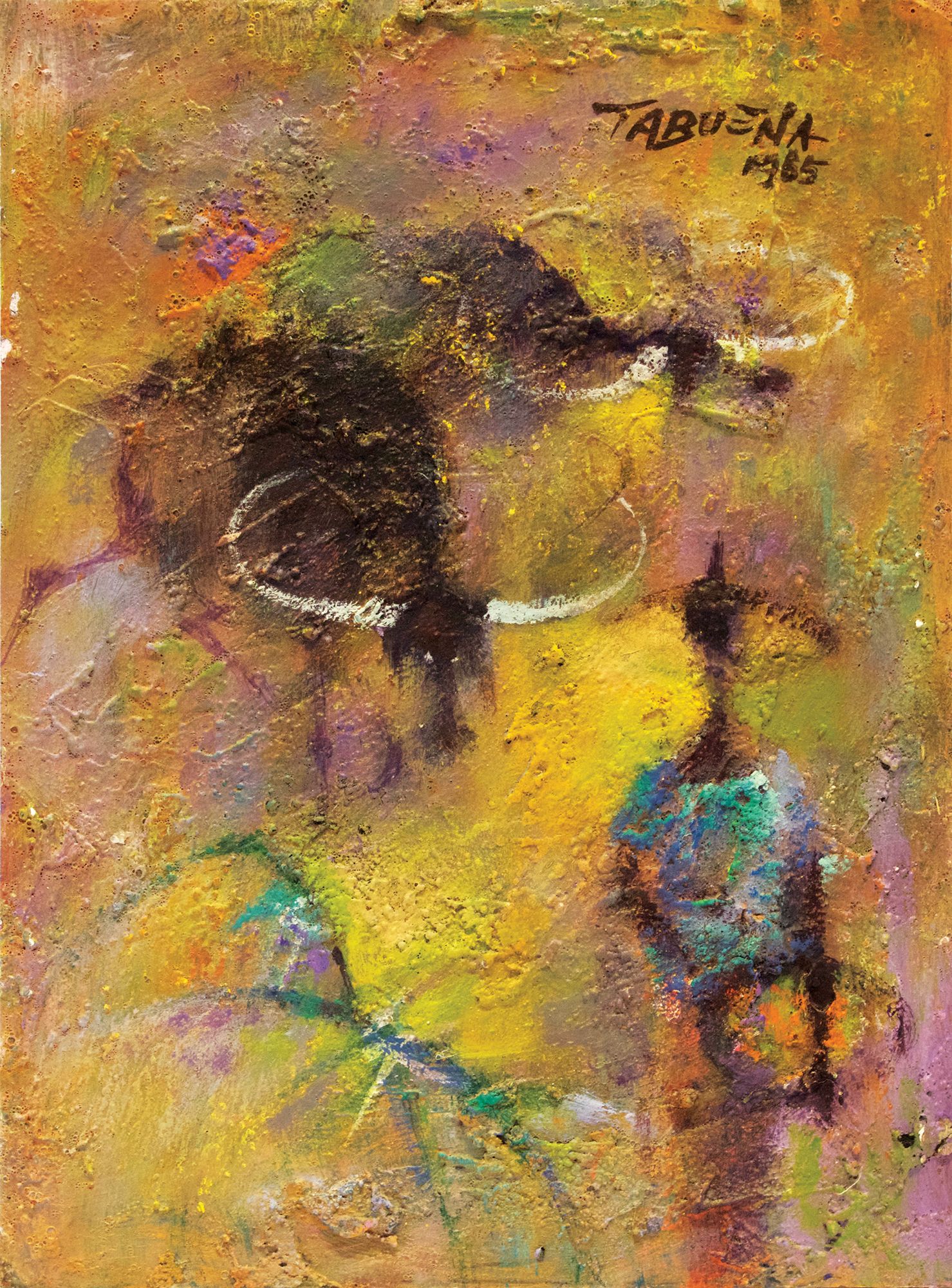
In the heart of Mexico was Tradiciones Filipinas, a beautiful mural of nipa huts, farmers, and carabaos that drew upon local traditions that Romeo Tabuena remembered from his childhood in Iloilo City.

1 / 4
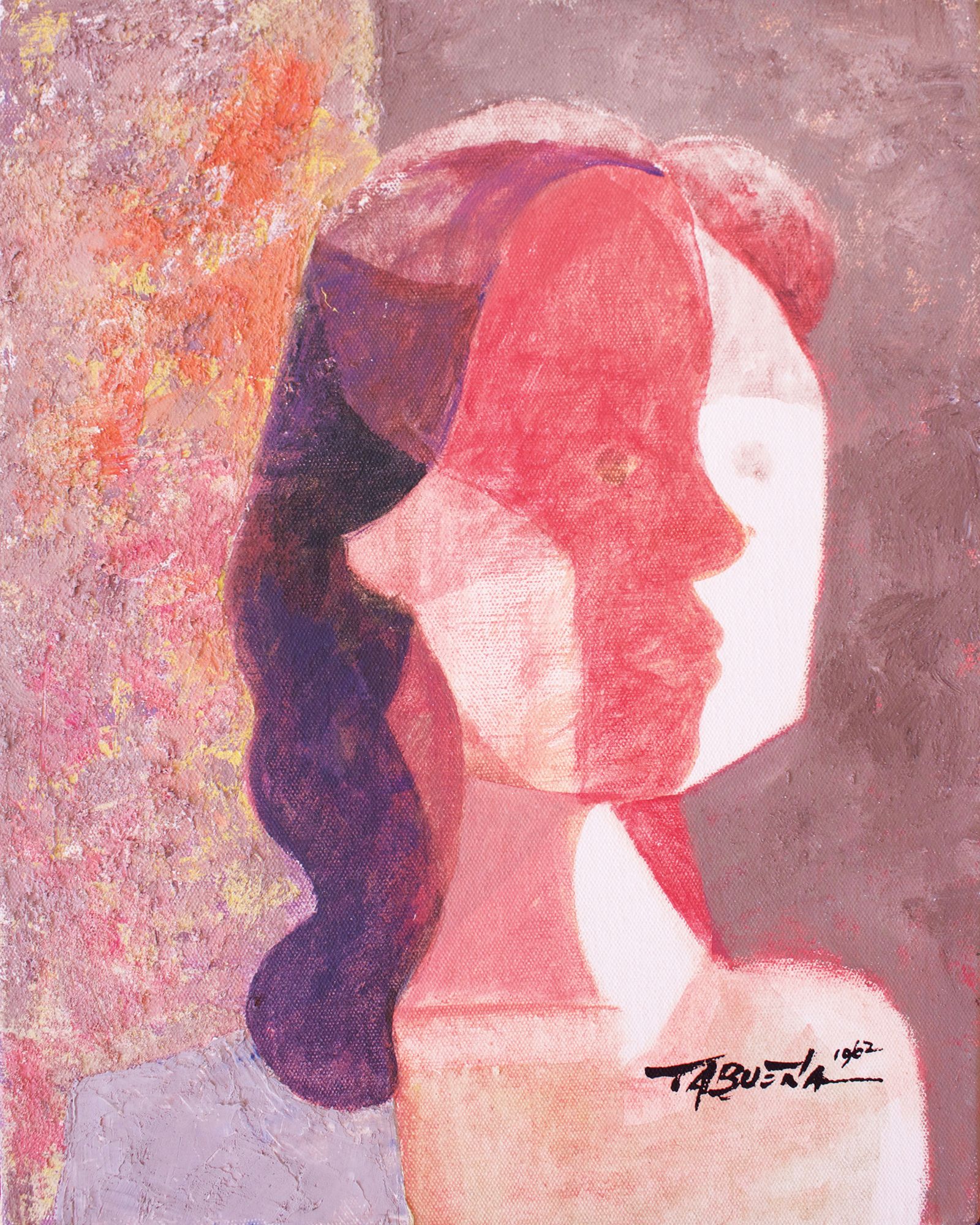
The showroom of the Filipino painter and printmaker Romeo Tabuena is managed by Galeria Nudo, featuring a handful of the late artists works, many with Filipino motifs. A long time resident of the city for four decades, he is celebrated as a local artist by the people of San Miguel de Allende.
“His art is a testament of his unceasing dedication and artistic fervour,” writes Galeria Nudo, “for depicting and representing the cultural essence of the Philippines.”
Credits
Images: Kaye, Freddie, and Kerry Tinga
Curated for you
The stories, profiles, and cultural moments featured on our Instagram feed