

Cover City of Dreams Manila inspires change for a better future with its integrated and long-term approach to sustainability
City of Dreams Manila inspires change for a better future with its integrated and long-term approach to sustainability
1 / 1
Luxury integrated resort City of Dreams Manila goes Above & Beyond to meet its ambitious sustainability commitments by 2030—and they’re right on track to fulfil their commitment
For City of Dreams Manila, sustainability is not just a target, but a commitment. In 2019, the Hong Kong-based parent company behind the luxury establishment, Melco Resorts & Entertainment Limited launched Above & Beyond—a sustainability strategy outlining ambitious goals across all areas of operations. The comprehensive policy spans everything from reducing water consumption to the steady elimination of single-use plastics, and even integrates social initiatives like fortifying employee welfare programmes and protecting players from problem gambling. Of these pledges, two sustainability goals are remarkably formidable: achieving carbon neutrality and zero-waste operations by 2030. And with eight years to go, City of Dreams Manila is well on its way to fulfilling its promise.
The 3,120 PV solar panels on the top floor of the parking building, which have been fully operational since the start of 2020, generate over 1,600 MWh annually—enough to charge upwards of 139 million smartphones in one year. By reusing treated greywater in cooling towers and other appropriate faculties, City of Dreams Manila also salves about 88 Olympic-sized swimming pools worth of water in that same time span. In the hotels’ suites, plastic toothbrushes and shavers have been replaced with those made with biodegradable materials, while single-use toiletries have been substituted with refillable pump bottles, and housekeeping has adopted green-listed cleaning supplies that are far gentler on the environment.
See also: Meet the Gen. T Honourees Fighting Plastic Pollution

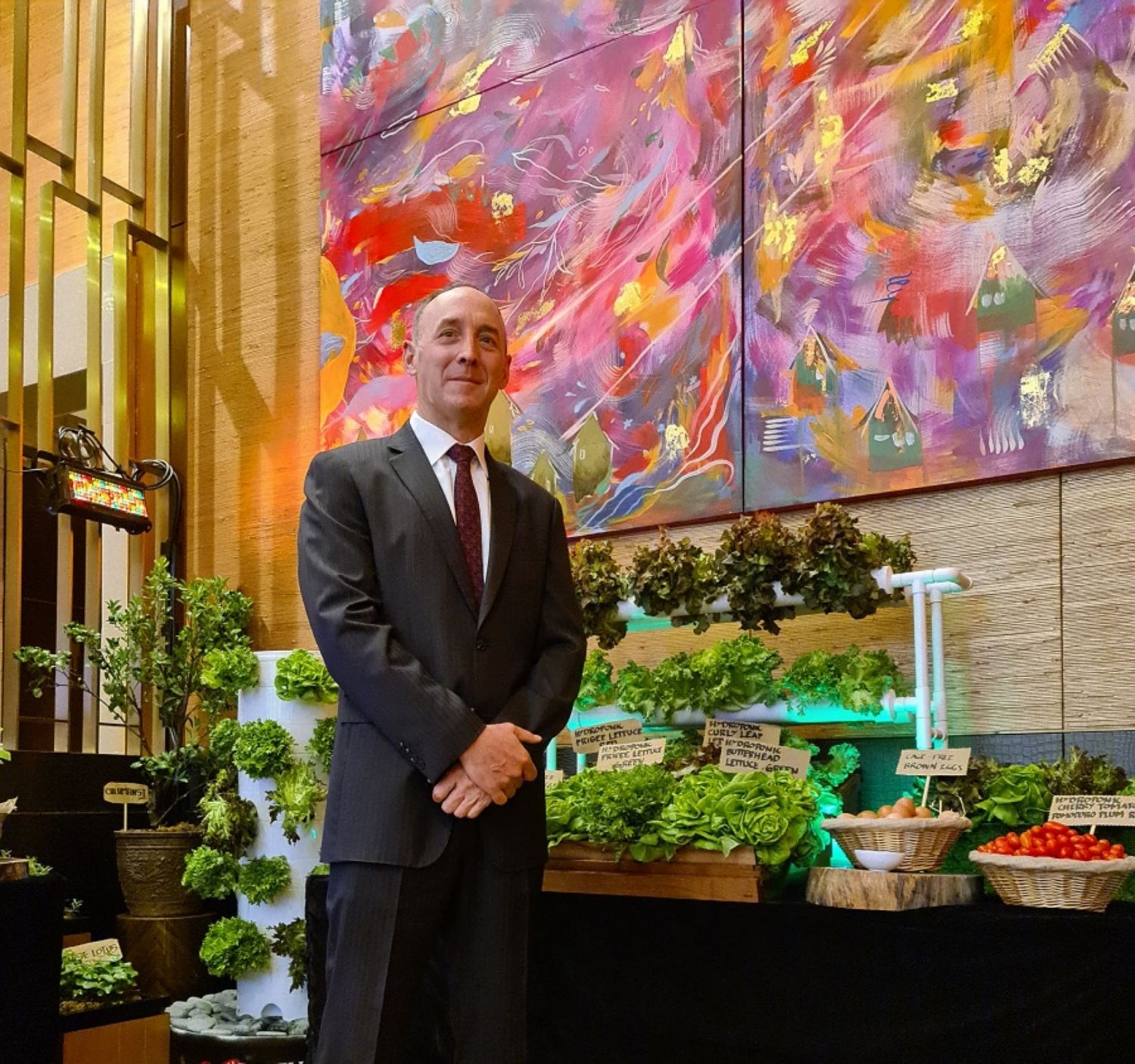
Above City of Dreams Manila property president Geoff Andres leads the resort’s sustainability program. In the background are locally sourced fresh produce from hydroponics farms
City of Dreams Manila property president Geoff Andres leads the resort’s sustainability program. In the background are locally sourced fresh produce from hydroponics farms
1 / 1
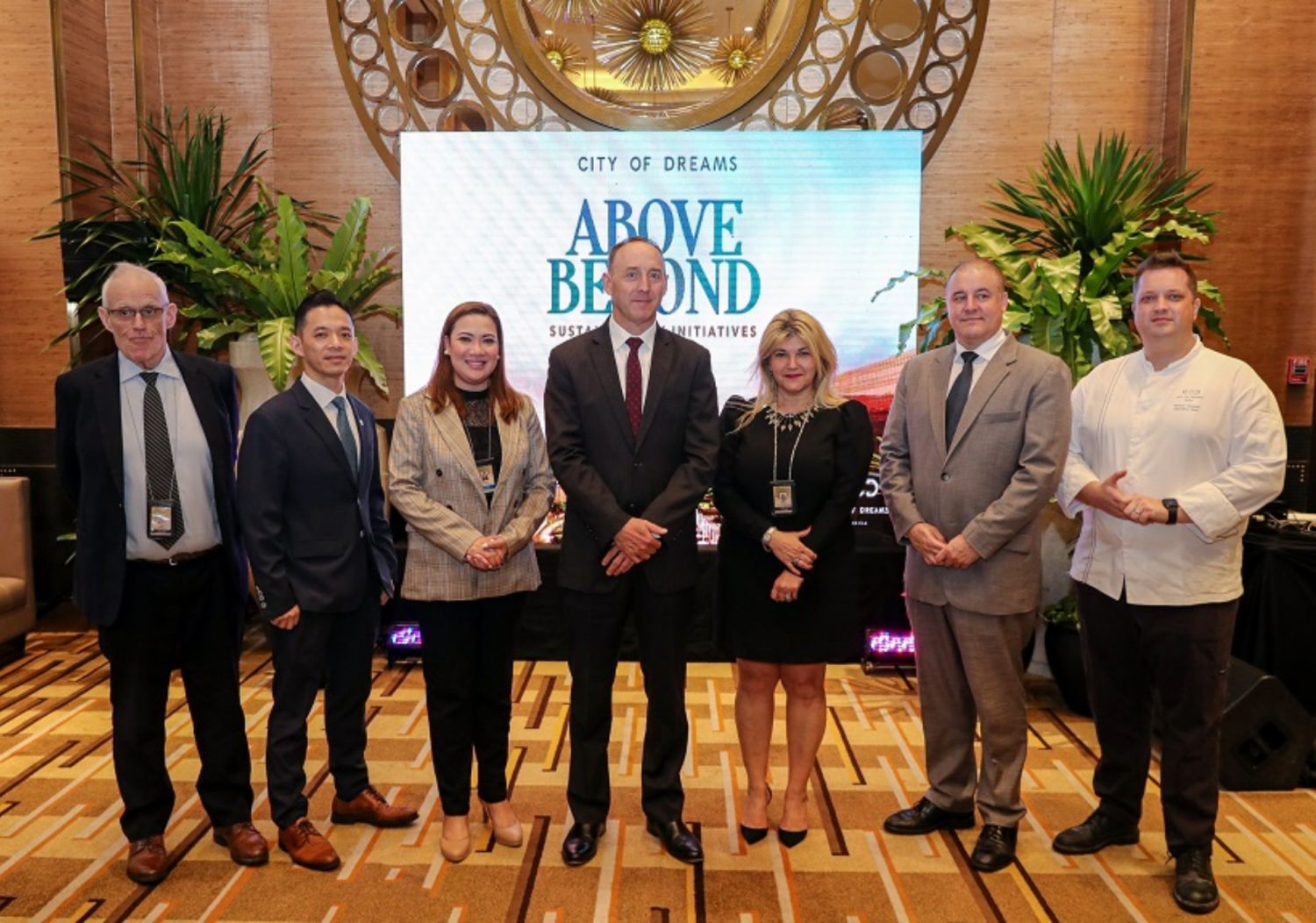
Above An executive team under the direction of City of Dreams Manila property president Geoff Andres (centre) drives the resort’s sustainability initiatives, from left: director of engineering Paul Bruce, director of hotel operations Kent Lee, kaizen site leader Bernie Matubis, director of supply chain Fulya Oguz, firector for food and beverage operations Chad Ogden and executive chef Markus Tauwald
An executive team under the direction of City of Dreams Manila property president Geoff Andres (centre) drives the resort’s sustainability initiatives, from left: director of engineering Paul Bruce, director of hotel operations Kent Lee, kaizen site leader Bernie Matubis, director of supply chain Fulya Oguz, firector for food and beverage operations Chad Ogden and executive chef Markus Tauwald
1 / 1
The decision to brave this mammoth challenge was driven by an equally powerful determination, one that comes from Melco chairman and CEO, Lawrence Ho himself. “Whatever we design today must be better than yesterday,” he proclaims, “not just for the future, but for our children.” This fervour has inspired a palpable vigour in the City of Dreams, pushing everyone to continually find ways to do their part.
In F&B alone, executive chef Markus Tauwald and his department have made monumental strides, hoping to set the new industry standard for greener practices.
To dramatically reduce the use of single-use plastics, outlets across the property have implemented bagasse, sugarcane-based takeaway packaging and straws (which are flexible yet sturdy), and have even eliminated plastic bottled water—gaming areas included. By partnering with NORDAQ to develop an onsite water filtration and bottling plant, City of Dreams Manila is projected to save 11,000 single-use plastic bottles daily from hotel rooms alone, over four million annually.
See also: Here Are 9 Ways To Minimise Food Waste In Your Home

Above City of Dreams Manila is the first integrated resort in the country to switch to 100% cage-free eggs in all the restaurants and dining facilities operated by the property
City of Dreams Manila is the first integrated resort in the country to switch to 100% cage-free eggs in all the restaurants and dining facilities operated by the property
1 / 1
But zero-waste goes beyond just plastics: food wastage is also a grave concern across the industry. To tackle this issue, City of Dreams has partnered with Aba Pardes to acquire hydroponic vegetables which stay fresh for far longer, achieving crisper vegetables, better flavour, less waste, and minimised carbon emissions from deliveries, too. Tauwald and the team even have their own herb garden on the roof deck, allowing them easy and more sustainable access to calamansi, rosemary, basil, and many more.
The ingredients they source externally are held to the same uncompromising standard. To combat the ever-growing overfishing problem, City of Dreams partners with local fisheries that practise sustainable fishing (e.g. for line-caught tuna), as well as international suppliers who bear sustainability certifications like the Aquaculture Stewardship Council (ASC) or Marine Stewardship Council (MSC) labels. All restaurants have also switched to using 100 per cent cage-free eggs, which are not only richer and boast a higher food safety rating but promote a more sustainable supply chain as well. Additionally, Tauwald shares that less than 20 per cent of dishes across all restaurants incorporate beef, a notoriously unsustainable meat, and hopes to raise awareness about its environmental damages through smaller dining initiatives in the future.
See also: 5 Foundations In The Philippines That Prioritise Nature And Sustainability
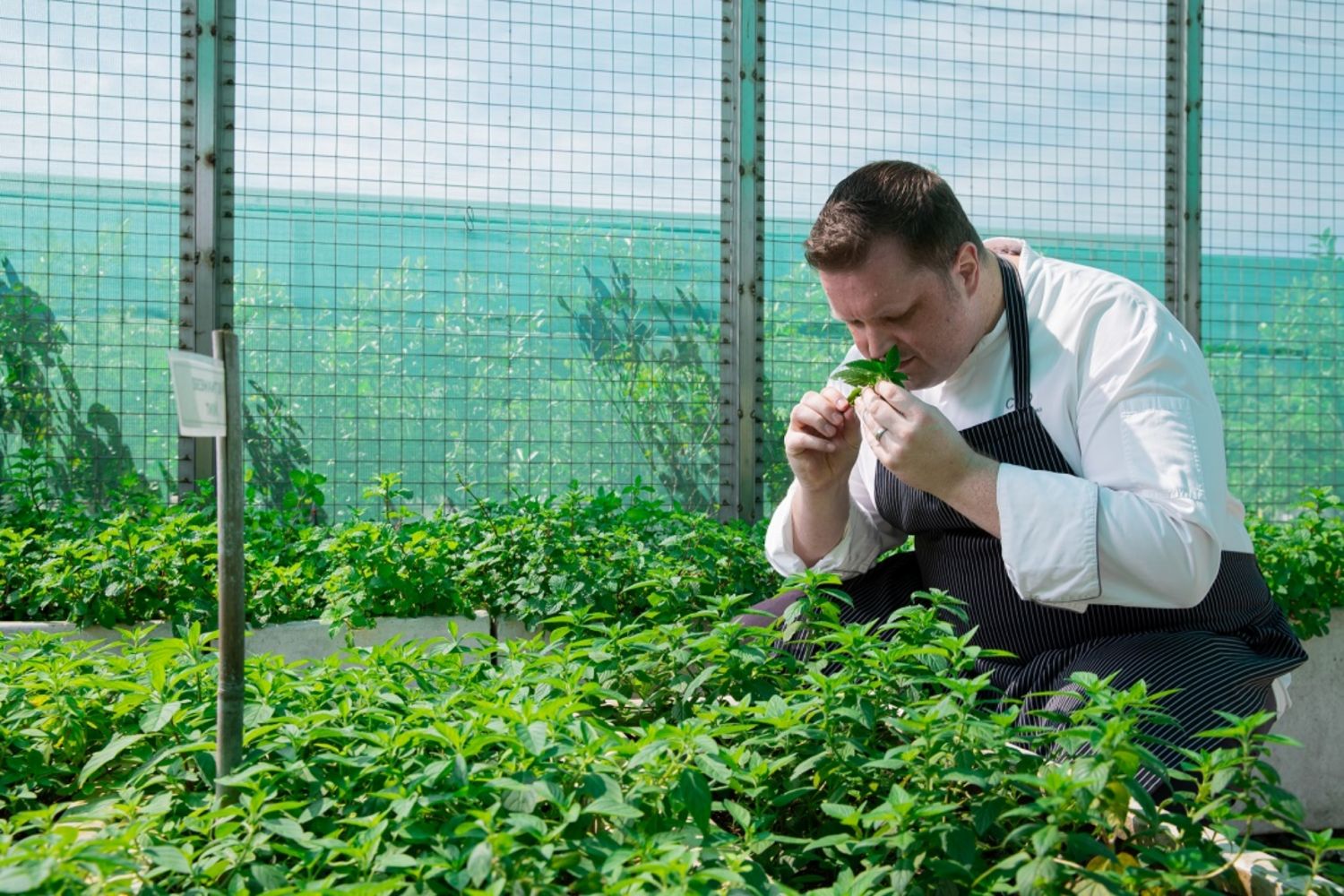
Above The resort serves 100% Filipino coffee harvested by local farmers in Benguet, Bukidnon, Matutum, and Batangas. In photo is executive chef Markus Tauwald
The resort serves 100% Filipino coffee harvested by local farmers in Benguet, Bukidnon, Matutum, and Batangas. In photo is executive chef Markus Tauwald
1 / 1
By championing local suppliers wherever possible, City of Dreams Manila not only achieves greater freshness and reduces its carbon footprint, but also encourages greater economic growth. In fact, a staggering 86 per cent of its suppliers are local SMEs, all of whom support social, ethical, and environmentally responsible practices.
However, of the many admirable F&B initiatives enacted through the Above and Beyond strategy, Tauwald highlights one in particular—their coffee. After working with the Philippine Coffee Board Inc to design its own coffee programme, City of Dreams now roasts all of its beans in-house, sourcing green beans from Philippine coffee-growing regions exclusively. Their resulting signature blends are now in-use at all City of Dreams restaurants (and even the staff cafeteria), and are also available for retail purchases. “I’m personally most excited about the coffee beans,” the executive chef beamed. “I did not know how to roast coffee, so working together with the Philippine coffee board, learning the process, the tips and tricks, and the different nuances of the flavour outcomes excited me the most out of all the initiatives—it’s very artisanal.”
See also: Tatler's Guide to The Best Local Coffee To Order In Metro Manila
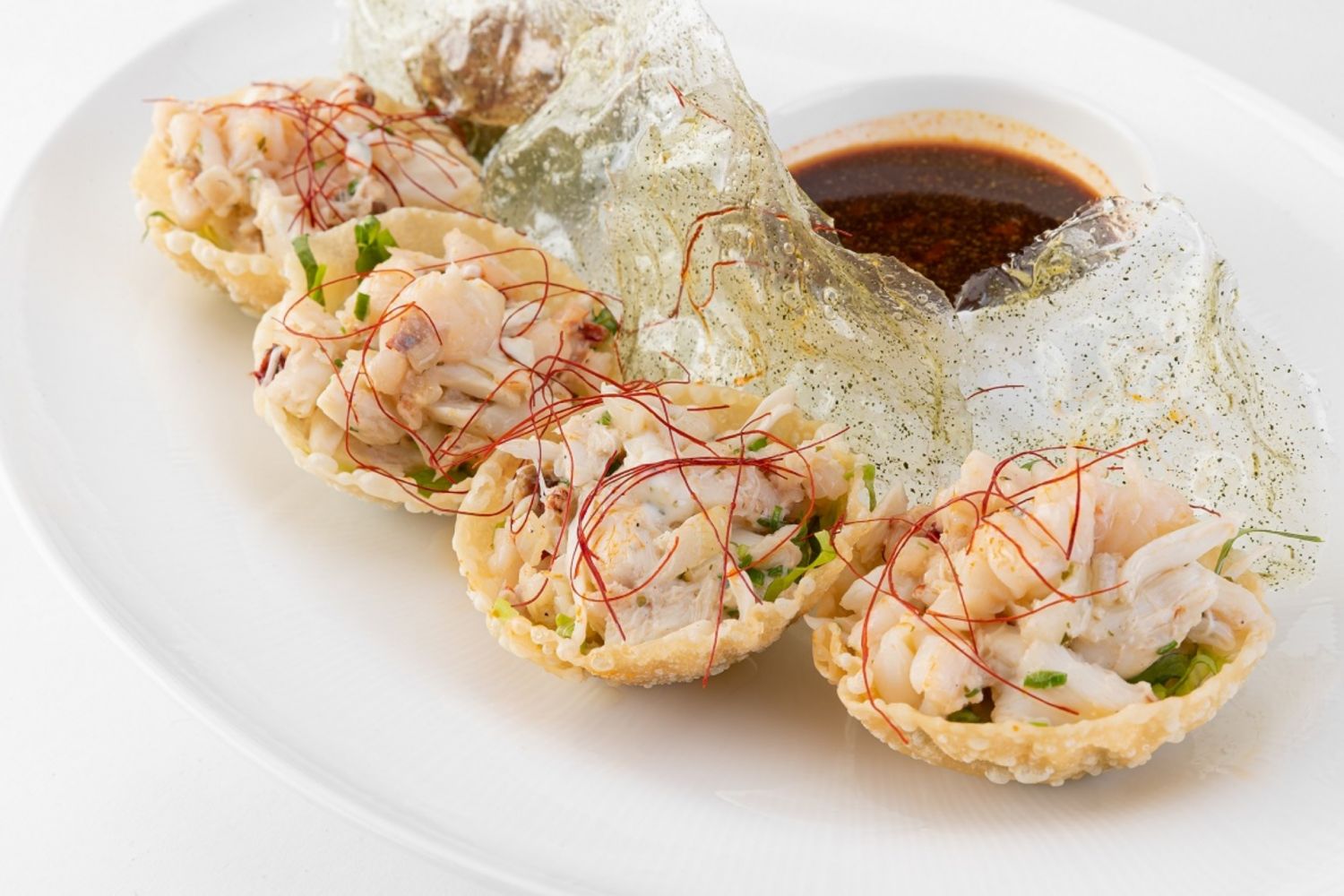
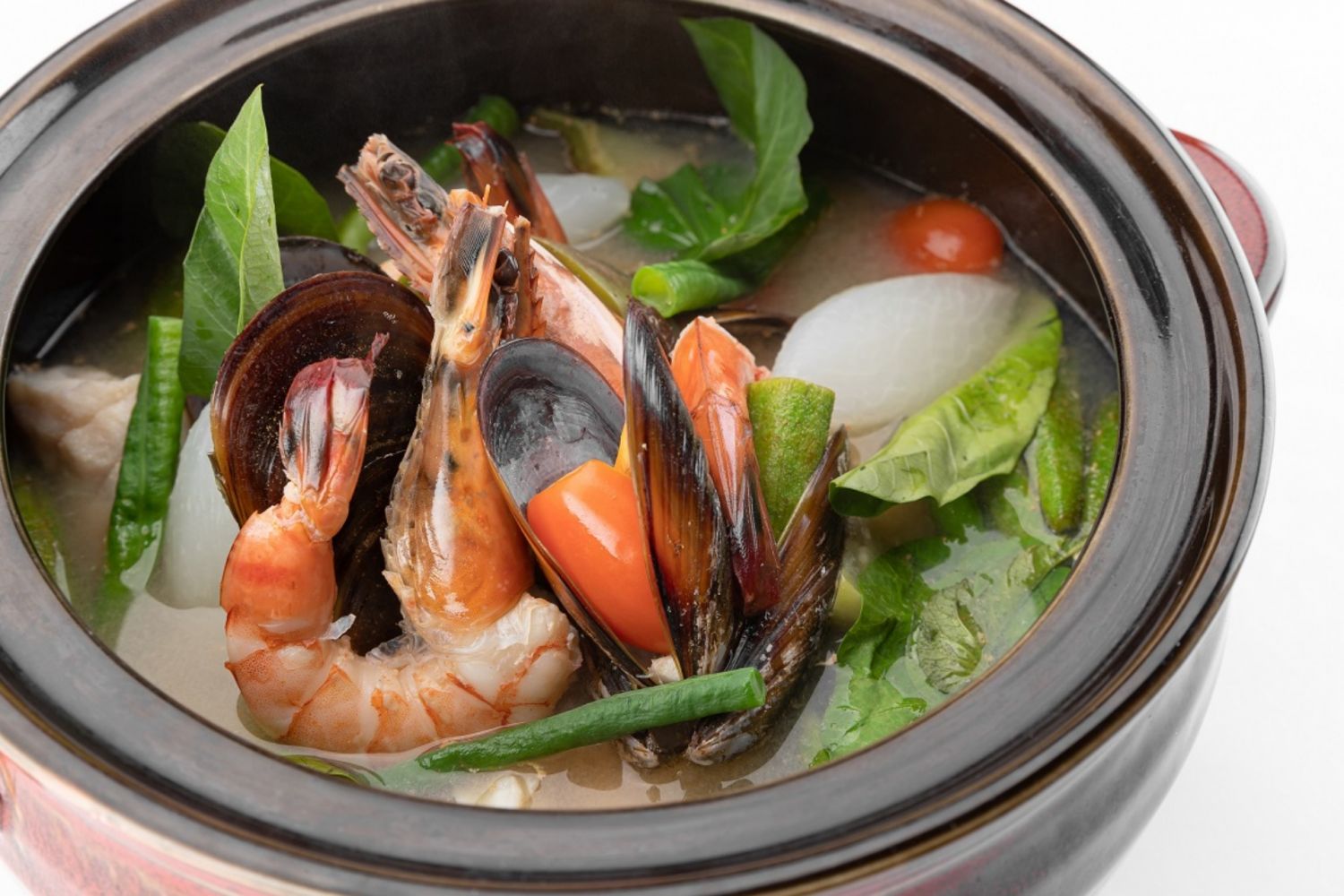
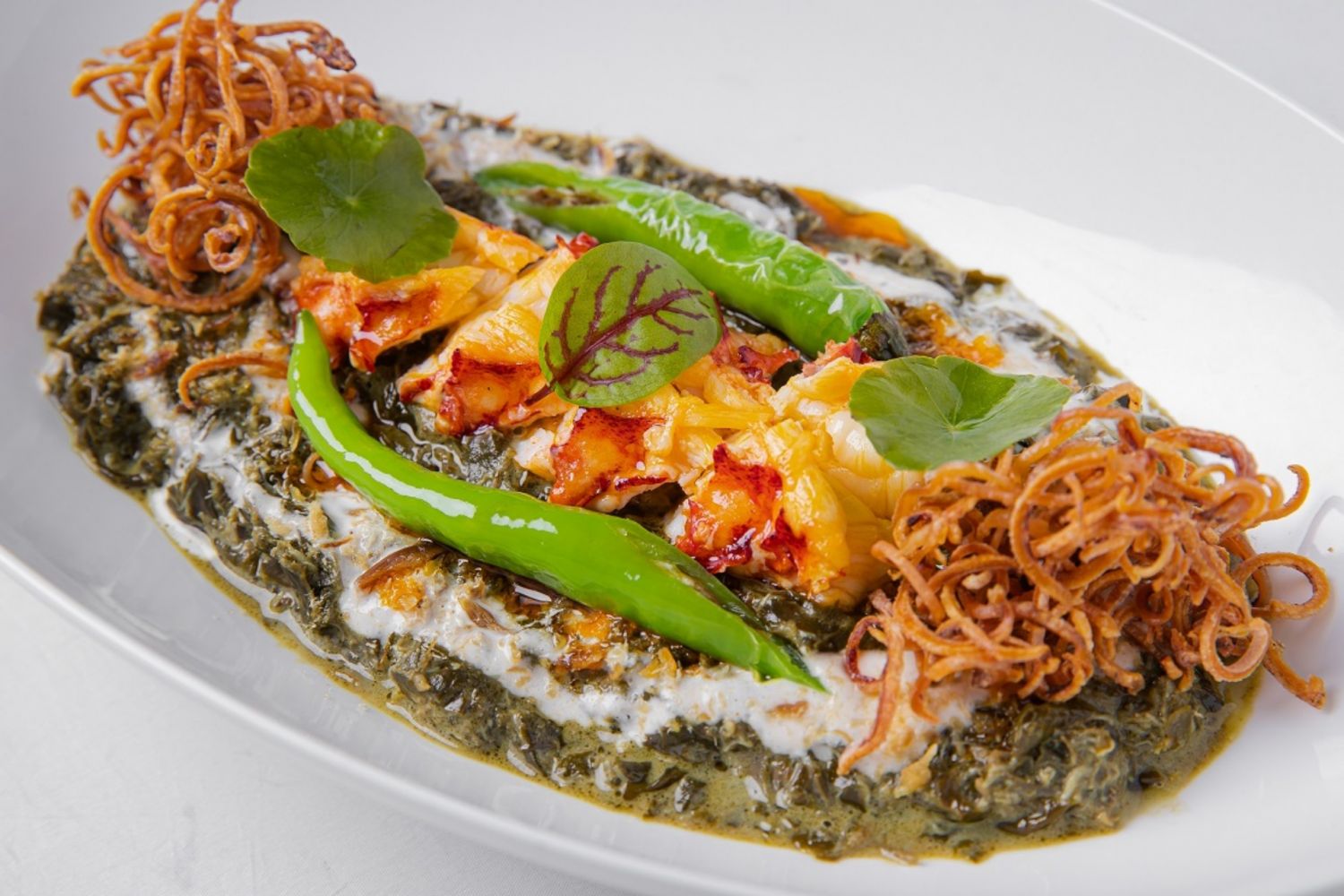
Haliya features sustainable seafood in the modern Filipino dishes on in its menu. In photo: Haliya’s lumpia dinagat
1 / 3
Conversely, Tauwald notes that the greatest difficulty—and what continues to be the greatest challenge—is the availability of high-quality, sustainable products in the local Philippine market. “We’re trying to source as much as we can locally instead of importing it [because that results in] increased carbon footprints and gas emissions, but getting [products that are] locally available is very, very difficult,” he explains.
Though the sustainable and biodegradable materials have certainly made leaps and bounds in both quality and availability, these options are “easily five to seven times more expensive than the plastic alternatives.” But the chef remains optimistic: “As plastic becomes less popular, there will be a greater demand for biodegradable materials, more production, more availability, better products, and the prices will eventually go down.”
Until then, Tauwald believes we can all do our part in promoting a greener future. “If everybody does their part, especially the five-star hotels, manufacturers, and suppliers, [we can push for] greater awareness,” he proclaims. “I see sustainability more like a journey,” he continues, “we are not there yet, and there is still a long way to go, that’s for sure. But we have a good start—now it’s about finding out more and more what we can improve on.”
NOW READ
How Can You Save The Environment With Your Eating Habits?
Tatler’s Ultimate Plant-Based Guide for Vegans and Vegetarians in the Philippines
Topics

About
Lauren’s love for food came much later in life than one would expect— an obsession awakened in the streets of Melbourne’s multicultural dining scene. Armed with this newfound passion, she returned to the Philippines determined to discover the best eats in her home country, with a personal advocacy to champion local cuisines and homegrown talent. Nothing is off-limits; if it’s delicious, it’s worth celebrating.
Work
As Tatler Dining associate editor, Lauren covers all things food and drink, from listing the latest openings in our monthly Dining Radar to interviewing chefs and bartenders about the biggest obstacles crippling the industry today. Beyond the digital space, she also organises Tatler Dining’s tentpole events, including Off Menu and Tatler Dining Kitchen, as well as the annual Tatler Best Philippines awards night and guide launch, detailing the best restaurants in the country.
For leads and event invites, contact her via lauren@tatlerphilippines.com or follow her on Instagram at @laurengolangco.
Photo: Ralph Mendo





