
Cover Photo by Ivan Torres on Unsplash
Photo by Ivan Torres on Unsplash
1 / 1
Garlicky or sweet. Stuffed into casings or skinless. There is a longganisa for everybody. Which one is your favourite?
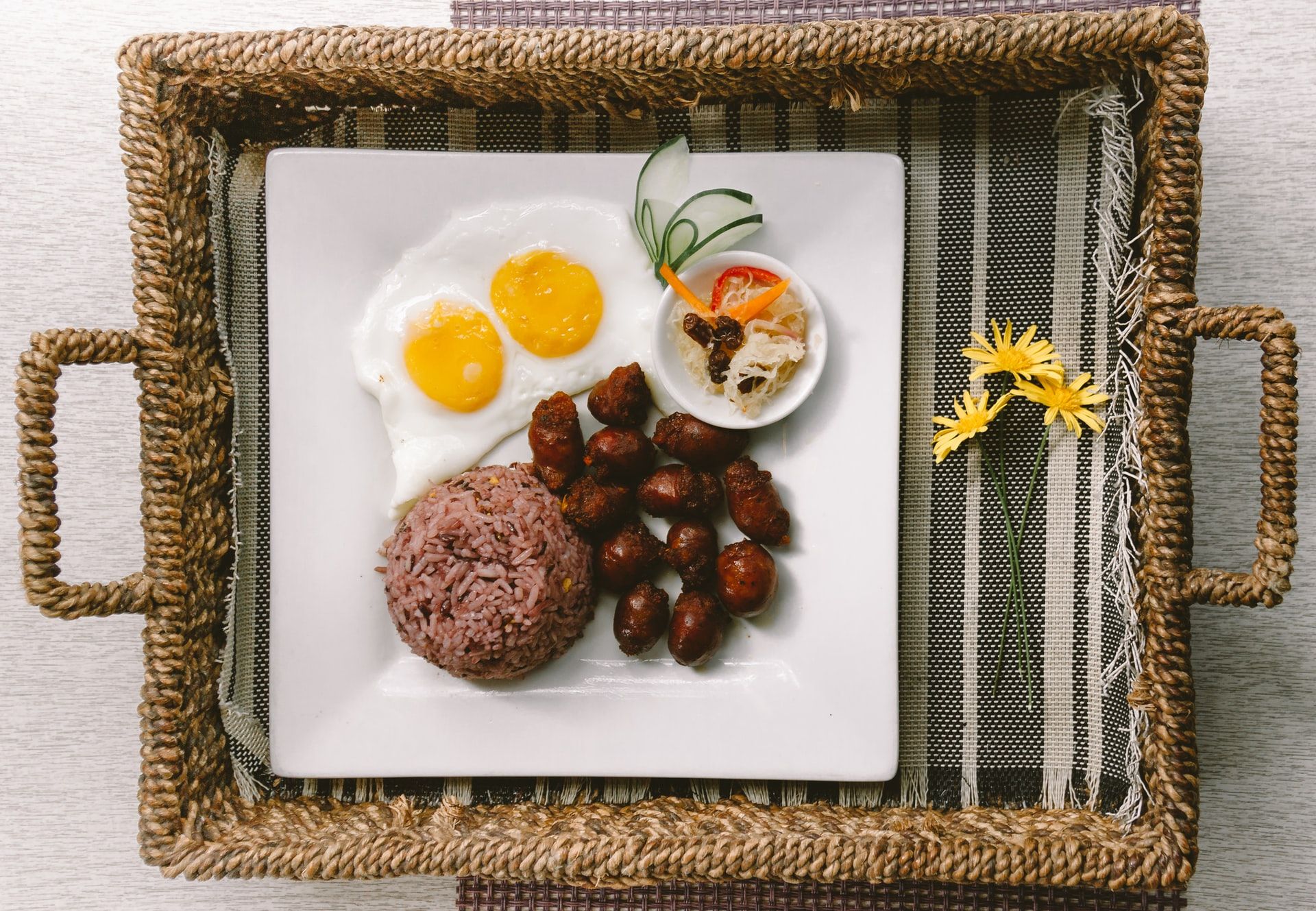
The Philippine longganisa got its monicker from the Spanish longaniza which is described as a fresh sausage seasoned with paprika, aniseed, cinnamon, garlic, and vinegar. The name has since been adapted into the vernacular, but our local longganisas are just as diverse and unique as our regional cultures and cuisines. The raw sausages are cooked until they form a golden-brown crust and are then served with fried eggs and garlic rice, best accompanied with atchara (pickled fruit or vegetable relish) and a spiced vinegar dipping sauce.
See also: Mood for Food PH 2024: A new food festival by Tatler Dining, happening June 28 to 29
Filipino longganisas are either de recado (garlicky) or hamondo (savoury sweet), then its recipes are open to interpretation based on adaptability and innovation. Most local sausage makers admit to simply winging it depending on the availability of seasonings and spices as well as meat texture and quality.
The result is a dizzying array with the hundreds of longganisas available coming from each town and each household with their own heirloom recipe. Sometimes being spoiled for choice can be tedious, so we offer you a list of the more popular ones.
See also: Now open: Automat, a new Filipino restaurant by chef Stephan Duhesme
1. Vigan
Utilising their potent local garlic, this longganisa from the north goes heavy on the aromatic. So good with their sukang Iloko, too, and the perfect stuffing to their famous empanadas.
2. Tugegarao
Known for its distinct sunny tinge, it has a sharp vinegar marinade that will make your mouth water. The sausages usually come in casings, but being more roughly-ground many prefer it hubad (naked) and sautéed until crispy.
3. Cabanatuan
While Cabanatuan longganisa comes in all possible varieties, it is best known for the beef sausage called batutay. It has a deep smokiness and straddles salty and sweet perfectly, making it a popular choice.
Read more: 11 Filipino breakfasts you should eat
4. Alaminos
This sausage from Pangasinan has a distinct look with its pork stuffing separated in the casing by buli grass strings that look like tiny toothpicks. It is seasoned simply with salt, pepper, and annatto oil giving it that appetising orange hue.
5. Calumpit
While often referred to as “garlic longganisa,” this Bulacan delicacy has more complexity than it is given credit for. Aside from the dominant garlic and pepper flavours, it is seasoned nicely with bay leaves, brown sugar, paprika, and curiously, soy sauce.
See also: 6 decadent Filipino ingredients you should know: Asin tibuok, taba ng talangka, and more
6. Pampanga
Like their famous pork tocino, kapampangan longganisa is also known for its sticky-sweetness and bright-red colour. Either in sausage casings or “skinless,” it is the most popular longganisa with good reason.
7. Lucban
If they say the aromas of this sausage are remotely European, that is because this longganisa from Quezon Province is seasoned with oregano and paprika. Spiked with spiced vinegar, it is a favourite with fried eggs and rice, or with another Lucban favourite, pancit habhab.
See also: Taste Cebu Food and Wine Festival 2024: Month-long festivities on food, chefs, and Cebuano culture
8. Guinobatan
One truly gets an artisanal feel from these Bicolano sausages because the pork is not only hand-chopped but the casings are sun-dried to ensure crispiness upon frying. Definitely a must-try if you haven’t yet.
9. Chorizo de Cebu
Sweet, garlicky, and sometimes spicy— this Visayan sausage reflects the diversity of its origin’s flavours and culture. Not to be mistaken for Spanish-style chorizo that is cured or smoked, this one is Filipino through and through.
NOW READ
June 2024 Dining Radar: Automat, Papillon, Alma, and more
Topics


Jaclyn Clemente Koppe is a food and lifestyle writer, as well as a consultant to some of the country’s beloved food and beverage brands. Her passion for food and drink is only surpassed by her devotion to her family, most especially to her soulmate, Pepa the poodle.





