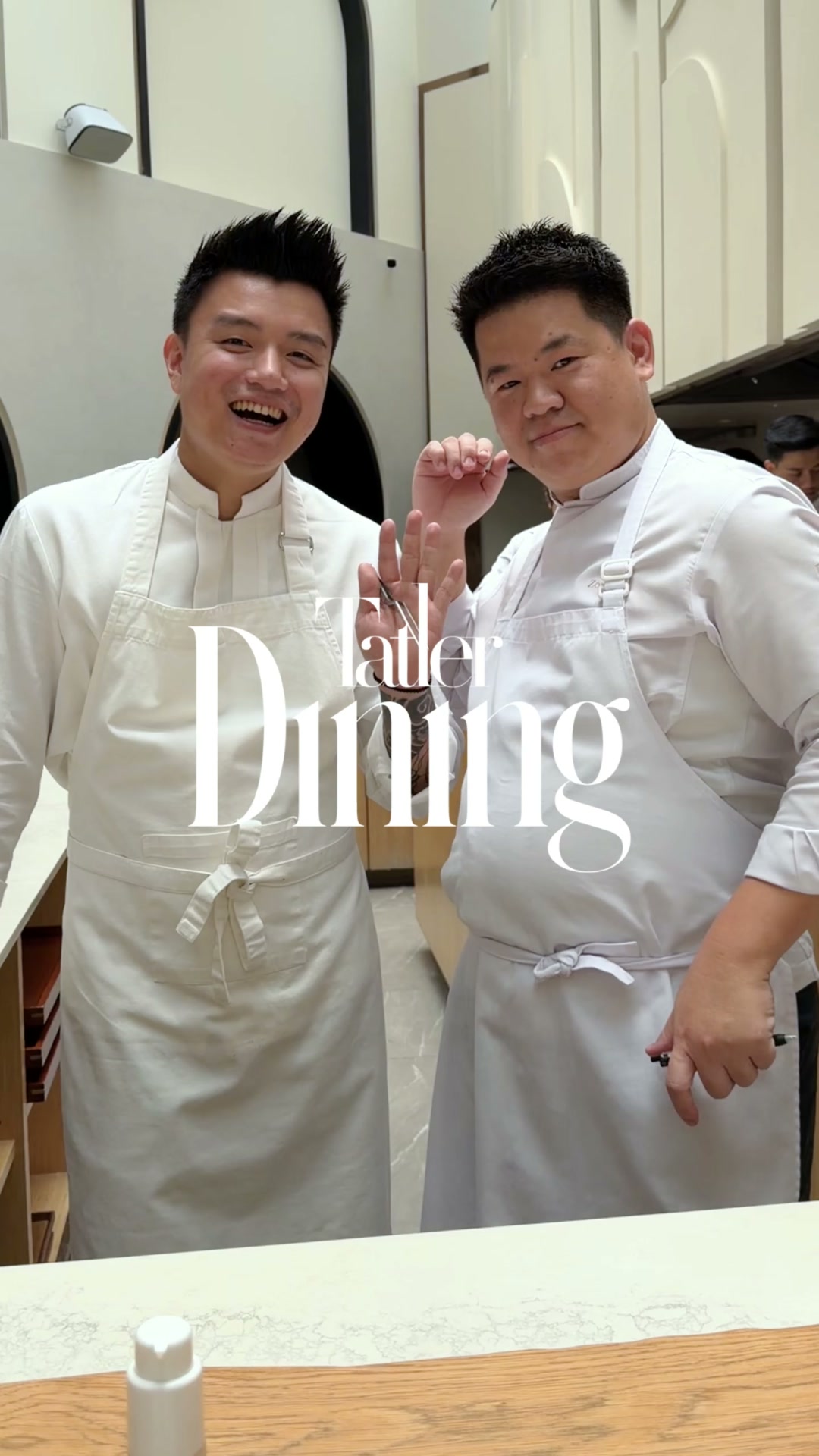

Cover Osteria Da Su chef Suji Park (Photo: Osteria Da Su)
Osteria Da Su chef Suji Park (Photo: Osteria Da Su)
1 / 1
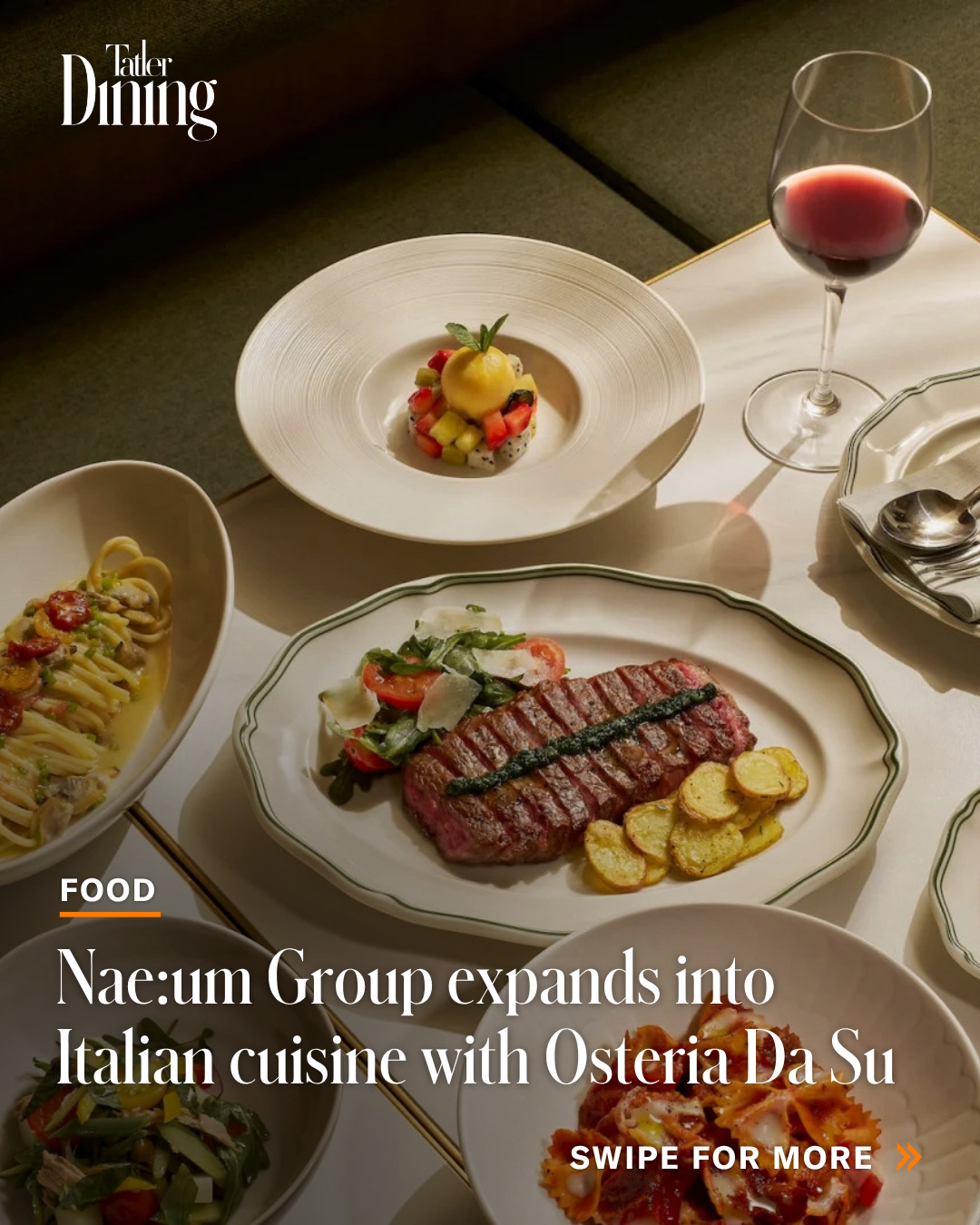
Opening on October 23, Osteria Da Su brings together Italian culinary traditions and Korean influences through handmade pasta, seasonal ingredients and a more approachable style of dining
Nae:um Group is expanding its culinary repertoire with Osteria Da Su, a new Italian restaurant opening this month on Telok Ayer Street. Led by chef Suji Park, it is the group’s first foray into Italian cuisine, joining Nae:um, its contemporary Korean fine-dining restaurant, and Gu:um, a modern Korean steakhouse.
“Nae:um Group has always focused on Korean cuisine seen through a varied lens, so we wanted to expand and try something different,” says founder Louis Han. “Korea has many good Italian restaurants, and we have always wanted to explore that as well.” The aim was also to create a more casual, approachable concept without compromising on food quality. Bringing Korean and Italian influences together felt like a natural next step, says Han, particularly given Park’s extensive background in Italian cooking.
At Osteria Da Su, Park describes her approach as “Italian with a Korean Soul”, drawing on nearly two decades of cooking and studying Italian cuisine in Korea and Italy. Traditional Italian techniques form the foundation, with Korean flavours introduced as subtle accents that complement the cooking without overshadowing it.
Read more: How Nae:um’s new chapter reflects Louis Han’s culinary journey thus far


Above Open kitchen at Osteria Da Su, Nae:um Group’s new Italian restaurant
Open kitchen at Osteria Da Su, Nae:um Group’s new Italian restaurant
1 / 1
Born in South Korea, Park first developed an interest in Italian food while working at La Cucina, a first-generation Italian restaurant in the country. After four years there, she travelled to Italy to understand the cuisine at its source. Her experience spanned neighbourhood osterias and trattorias in Bergamo, Milan and Sicily, as well as established kitchens, including three years at three-Michelin-starred Da Vittorio in Bergamo and two years at Claudio Sadler’s Milan trattoria. She spent nearly a decade in Italy, travelling widely to learn the regional traditions and techniques that shape its cooking. The experience taught her that Italian cuisine is not governed by a single set of rules. Its character is shaped by regional ingredients, local traditions and individual interpretation, a philosophy that still informs her cooking today.
That said, the menu centres on fresh, handmade artisanal pasta, alongside à la carte dishes that showcase quality seasonal ingredients. Park’s Korean heritage emerges in considered combinations that preserve the integrity of Italian cooking while introducing flavours from her upbringing. The vongole, for instance, combines asari and Venus clams in a stock with minari, or Korean water parsley, and chilli. “Clams and minari are a very familiar combination in Korean cooking, so we wanted to take this pairing and present it through an Italian vongole,” Park explains.


Italian feast at Osteria Da Su
1 / 5
Her tortelli follows a similar philosophy, with a filling of dwaeji galbi, or braised pork galbi, encased in Italian-style pasta and served with a sage butter sauce. Here, the Korean influence is concentrated in the filling, while the pasta and sauce remain firmly rooted in Italian tradition. “We want diners to experience authentic Italian dishes in a slightly different way,” says Park. “The techniques are rooted in Italian cooking, but the flavours have a Korean influence.”
The intention is not fusion for novelty’s sake, but to explore the natural connections between the two culinary cultures while letting each retain its identity. Korean ingredients serve a purpose in each dish, complementing the Italian foundation rather than overwhelming it.
The restaurant’s name reflects this philosophy of accessibility and connection. In Italian, da Su means “from Su”, while the Korean da su (다수) means “many people”. Together, they convey Park’s ambition for an osteria that welcomes everyone to gather over hearty food and wine, without the formality or prohibitive prices often associated with fine dining.

Above The menu at Osteria Da Su centres on handmade artisanal pasta
The menu at Osteria Da Su centres on handmade artisanal pasta
1 / 1
The concept also draws on the traditional Italian osteria, historically a convivial neighbourhood gathering place. That spirit of hospitality is complemented by jeong, a Korean concept describing the bonds formed through shared experiences, care and generosity. It is a fitting influence for a restaurant that grew out of a 16-year friendship between Park and Han, who met as college-mates at Korea Tourism College.
The interiors reflect the same meeting of cultures, combining the homeliness of a traditional Italian osteria with a clean, minimalist sensibility inspired by Korea. Photographs taken by Park during her years in Italy feature throughout the space, offering diners a glimpse of the places and experiences that shaped her cooking.
With Osteria Da Su, Nae:um Group ventures beyond its established Korean focus while keeping its emphasis on craft, identity and hospitality. For Park, the restaurant unites the Italian techniques she spent years mastering with the flavours and values of her Korean upbringing, with the aim of making thoughtful cooking accessible to a wider audience.
Credits
Images: Osteria Da Su

Dudi Aureus is the senior dining and travel editor at Tatler Singapore, covering the city’s most exciting restaurants, global travel trends, and the personalities shaping the culinary and lifestyle scenes. She also serves as co-jury chair for the Tatler Best awards in Singapore, celebrating the very best in hospitality. When she’s off duty, she can often be found at a favourite hole-in-the-wall Thai spot, savouring a perfectly balanced pad thai.

Curated for you
The stories, profiles, and cultural moments featured on our Instagram feed