
Cover Cicheti
Cicheti
1 / 1
Cicheti’s chef and co-owner Lim Yew Aun shares his tips and tricks in creating the perfect pizza base and choosing the right toppings
Ever tried recreating pizza at home only for it to turn soggy? You are not alone. Pizzas are some of the most tricky and complicated dishes to master due to the many variables that affect the dough alone—from the type of flour and water to the temperature and humidity.
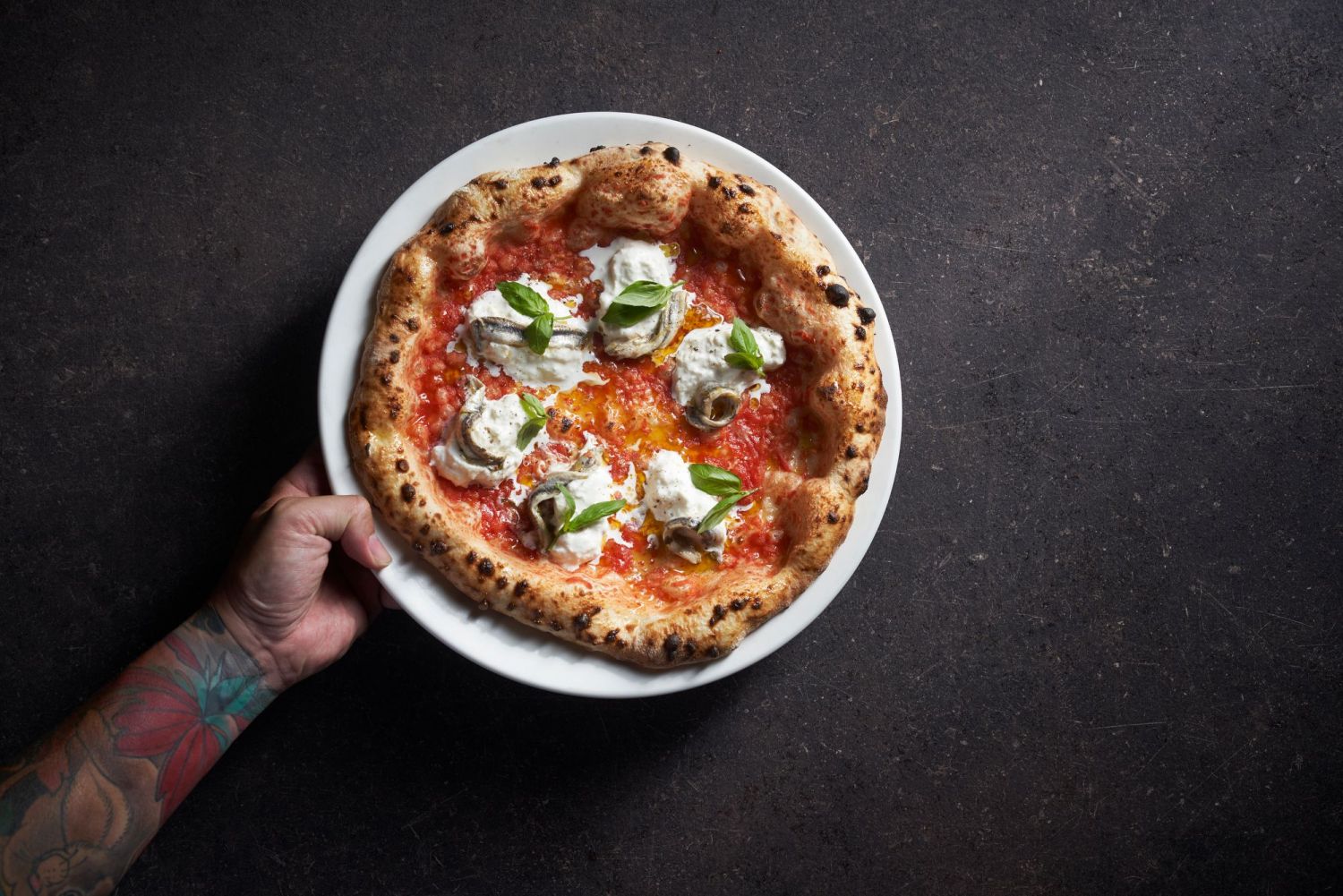
To help us ease this process, we reached out to chef-owner Lim Yew Aun of Cicheti restaurant for help. The homegrown Italian restaurant—known for its Neapolitan pizzas with a soft and chewy crust—recently took the No. 30 spot on this year’s 50 Top Pizza Asia-Pacific list.
Don't miss: Kitchen Inspiration: Pesto Shines in These 6 Recipes
When asked to share more about his tips on making pizza, here are the important points he said:
Preheat the oven before baking

Above Fabrizio Pullara/Unsplash
Fabrizio Pullara/Unsplash
1 / 1
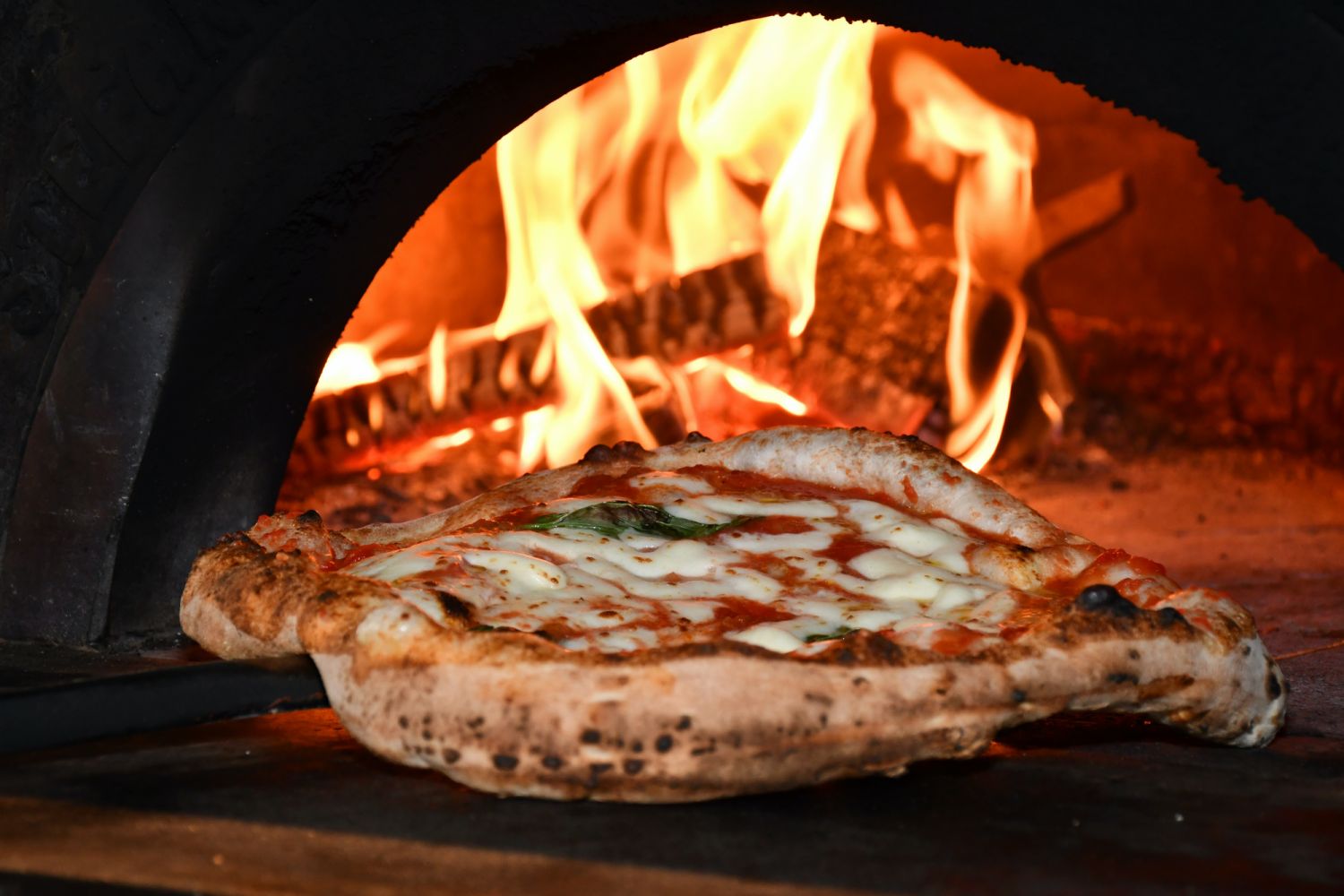
Before making your pizza, remember to preheat the oven. “If you are using a standard home oven, you need to heat it up to 250 degrees Celsius,” says Lim. When it comes to baking pizza, high heat is recommended, as it will result in a lighter and fluffier product.
Lim shares that it is also helpful to use a pizza stone as a base and heat it up beforehand in the oven. Pizza stones are thin slabs of material, typically clay or other minerals, and can help mimic the effect of a brick oven, allowing the pizza to cook evenly.
Read more: Flirty Foodies: Date-Night Recipes to Cook With Your Partner
Gather the main ingredients for the pizza base
Above Nadya Spetnitskaya/Unsplash
Nadya Spetnitskaya/Unsplash
1 / 1
While chef prefers not to share his secrets to making his signature light and fluffy pizza dough base, he did share some general tips in making one.
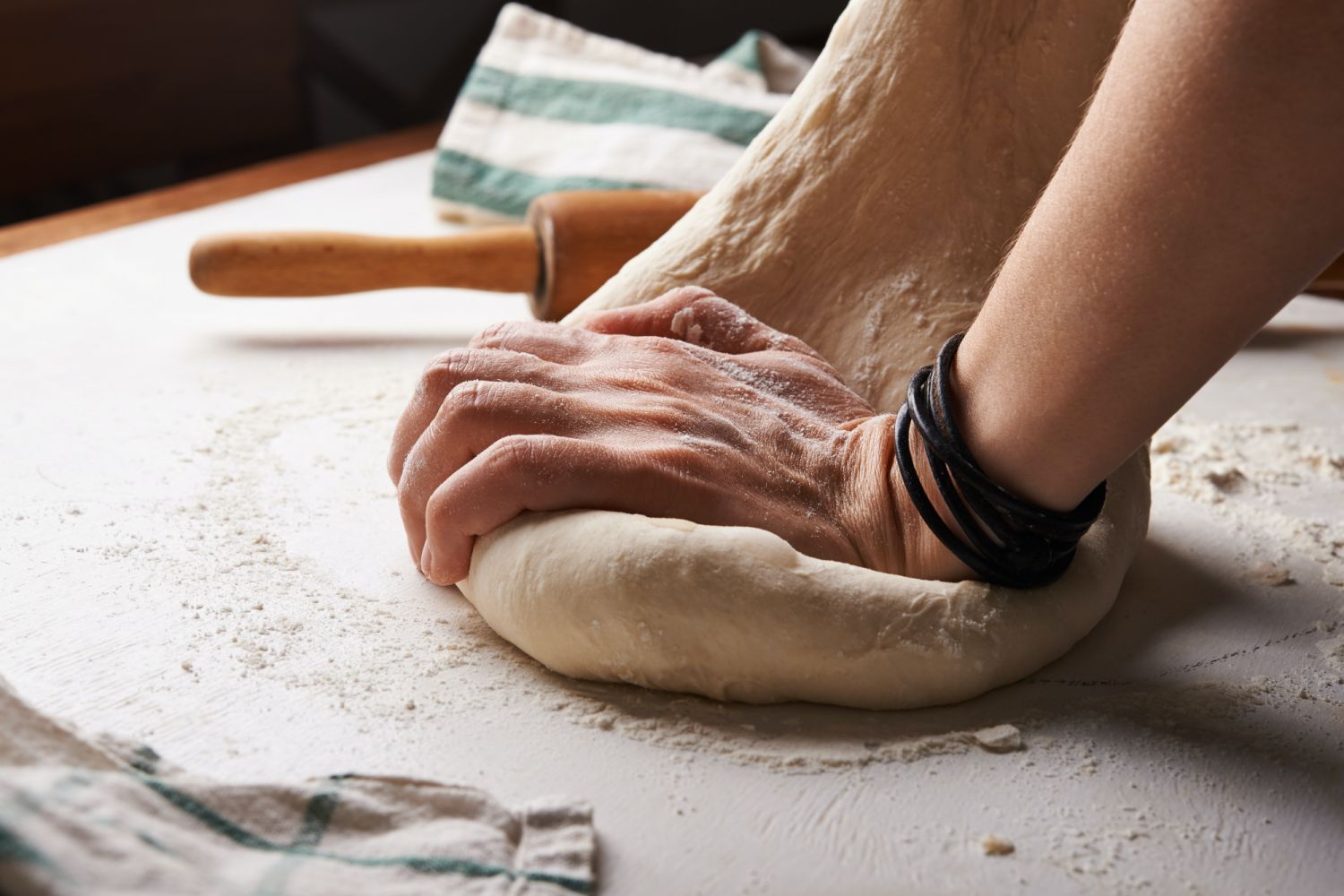
When it comes to making your pizza base, he explains that main ingredients include “00 flour, water, yeast and salt”. 00 flour is ‘gold standard’ for Neapolitan pizzas as this finely ground Italian flour will help produce a base that’s crispy and chewy.
Once the ingredients have been mixed, knead the dough until it’s smooth and elastic. This will help build gluten in the dough, improving its texture.
Above Jason Jarrach/Unsplash
Jason Jarrach/Unsplash
1 / 1
Before stretching the dough out, it is essential that you slow-proof it in the fridge for at least 24 hours. “Lowering the temperature of the dough during proofing slows down the fermentation process, allowing it to develop the flavour and texture it needs, without the risk of over-proofing,” Lim explains. The result of slow proofing is a tender and lighter crust.
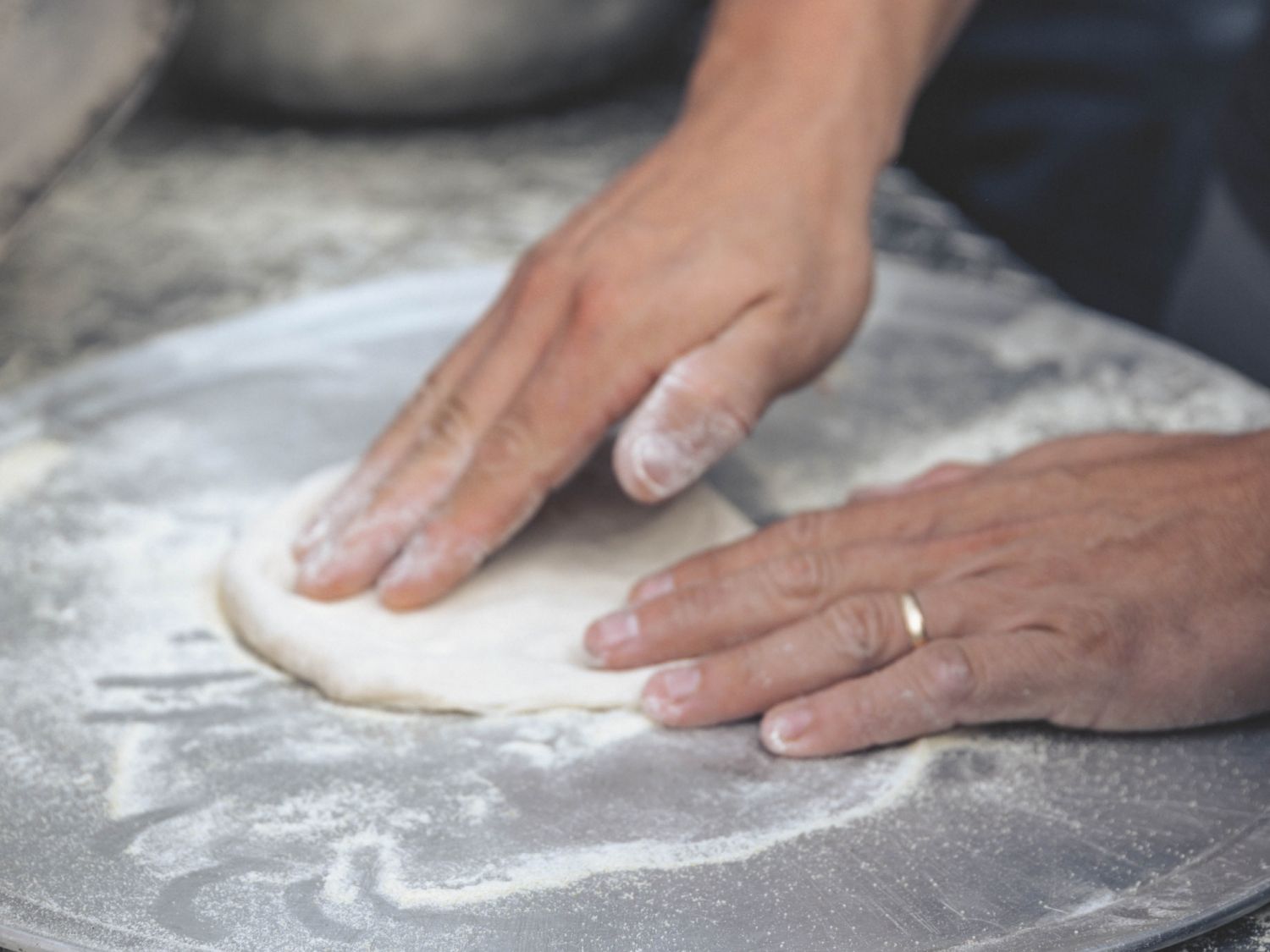
After proofing, place the dough on a heavily floured surface and stretch to your desired size. Stretching the dough, rather than rolling it, will prevent the dough from deflating, resulting in a flat base.
To enhance the flavour of the crust, dusting turmeric powder on the dough or brushing herb oil into to crust can help.
In case you missed it: The Cicheti Group’s Liling Ong and Lim Yew Aun on Their Recipe For Success
Choose your toppings wisely
Above Jason Jarrach/Unsplash
Jason Jarrach/Unsplash
1 / 1
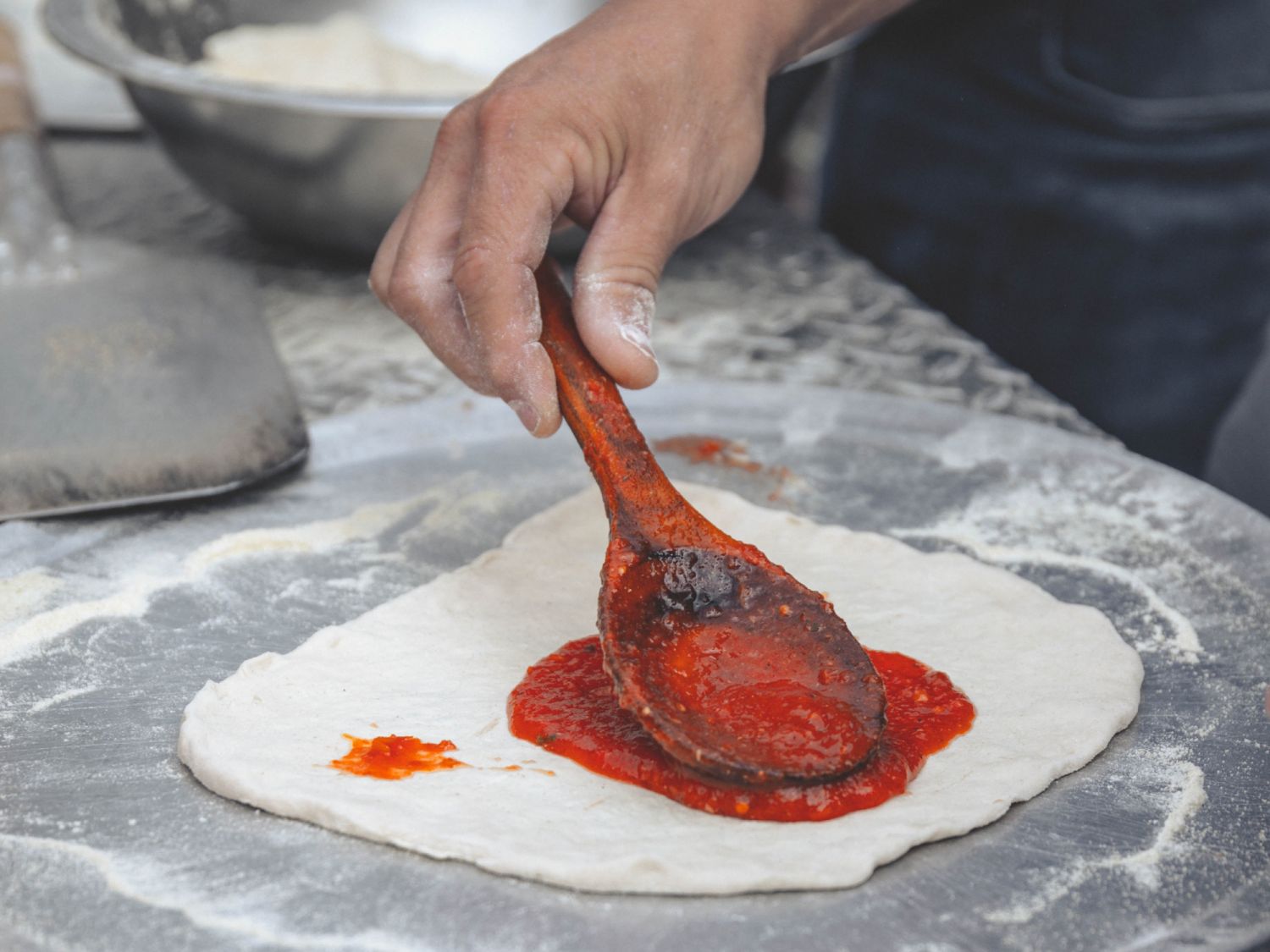
Once your base is prepared, it’s time to layer on your toppings. If you decide to make your own pizza sauce, Lim shares that a can of San Marzano tomatoes can work wonders. This variety of tomatoes is famed for its balanced flavours, adding sweetness and richness to the sauce.
On top of pizza sauce, mozzarella cheese is also important. Lim recommends using shredded mozzarella, especially when baking the pizza in a standard oven. While for portable gas ovens, Lim suggests thinly slicing fresh mozzarella.
While anything can go on pizza, Lim shares that his favourite toppings include tomato sauce, mozzarella, onions, and chilli ‘for an extra kick’.
Do this right after baking
Above Hoja Studio/Unsplash
Hoja Studio/Unsplash
1 / 1
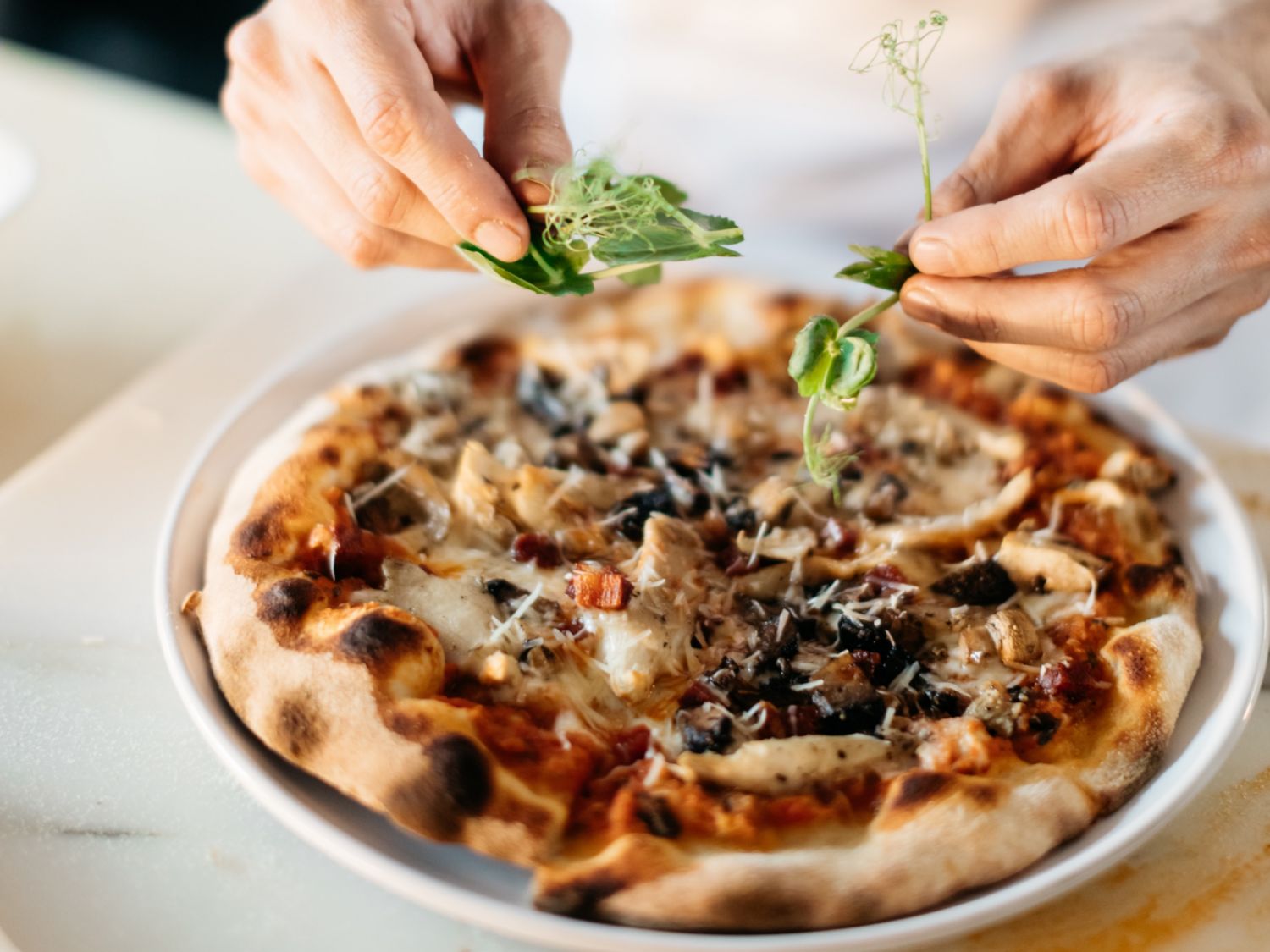
Once your pizza is out of the oven, it's essential to transfer it to a baking rack.
According to Lim, this will help prevent the crust from steaming, keeping the crust ‘"crisp and crunchy".
Topics

Amanda Goh was the former senior writer for Tatler Singapore.





