
1 / 1
Tatler+
An ambitious environmental commitment encapsulates the fourth generation of Champagne Telmont, starting with banning outer packaging
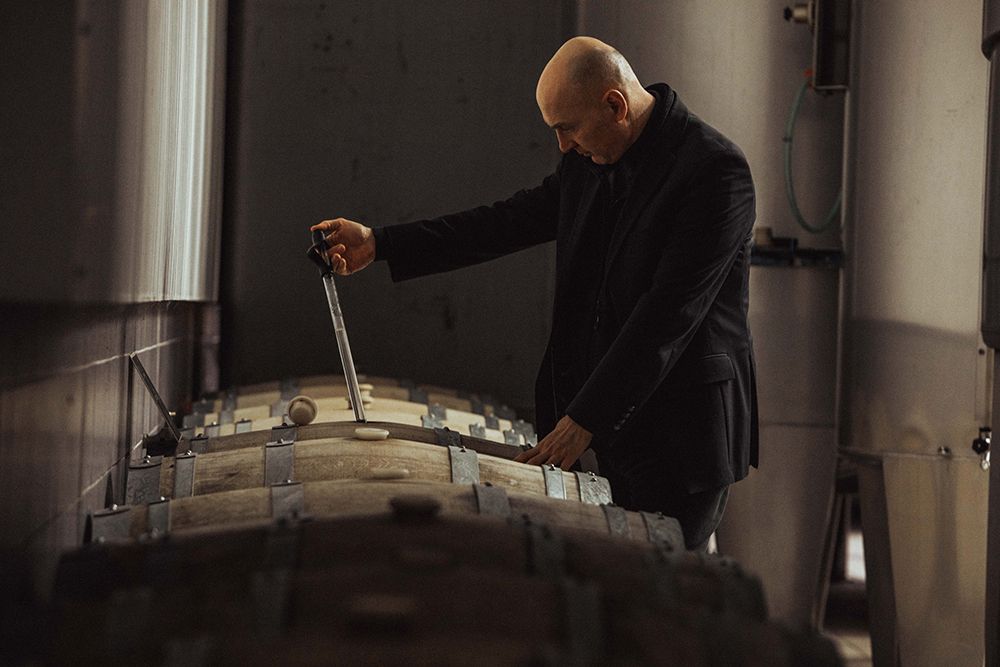
Respect for nature is precisely Champagne Telmont’s nature—just ask Bertrand Lhôpital, cellar master and head of viticulture, part of its fourth generation to steward the Champagne house.
He explains, “My family has always felt fiercely protective of our vines, our terroir, and our Champenois heritage. Courage drove my great-grandfather to participate in the Champagne Riots of 1911 and to pen the hymn “Gloire au Champagne,” urging wine growers to uphold the high quality standards of Champagne. This courage is what today inspires me and urges our House to see the organic conversion of our vines through and our ambitious sustainability objectives.”
Champagne Telmont was established in 1912 in Damery near Epernay, and until 2020 was known under its former name of J de Telmont. Its motto is Nec Pluribus Impar—unlike any other. In 2017, the label began its journey in organic conversion, a step towards ensuring its vitality in terroir, grape quality and integrity of Champagne making.
Don't miss: How To Talk Authoritatively—And Interestingly—About Champagne

1 / 1
In line with this shift, the House adopted the tagline In Nomine Terrae—in the name of Mother Nature, in 2020. “We intend to operate in the name of mother nature with everything we do, in all transparency. We consider that our wine is a gift from the earth, which must thus be carefully protected and treated with respect,” Bertrand elaborates.
His commitment is echoed by the Rémy Cointreau group, which has made terroir and sustainability their main focus as a brand value. The Group bought a majority share in Telmont in 2020, and is fully onboard for the environmental journey to go even further.
The partnership is timely, as Telmont has mapped out five key missions which are ambitious but necessary. These are:
1 / 2
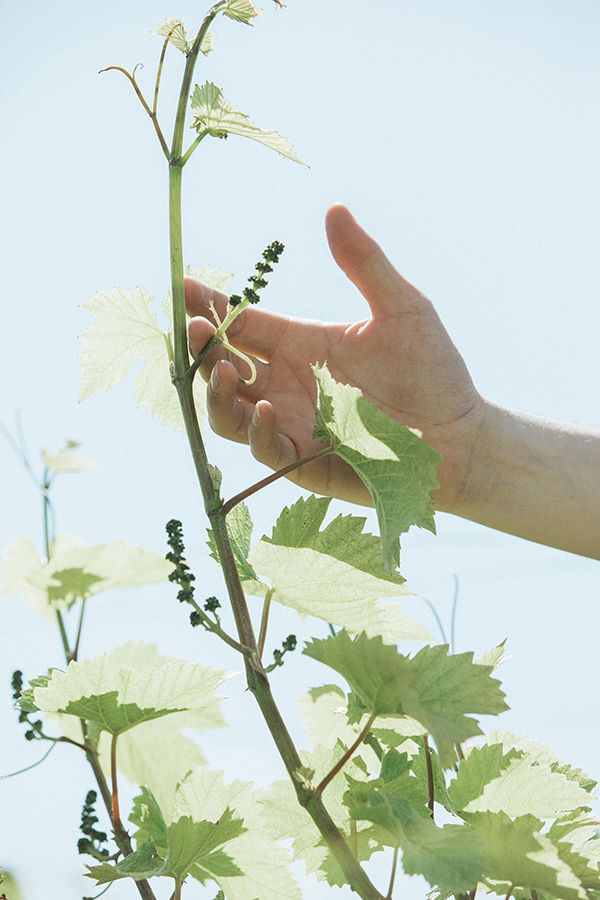
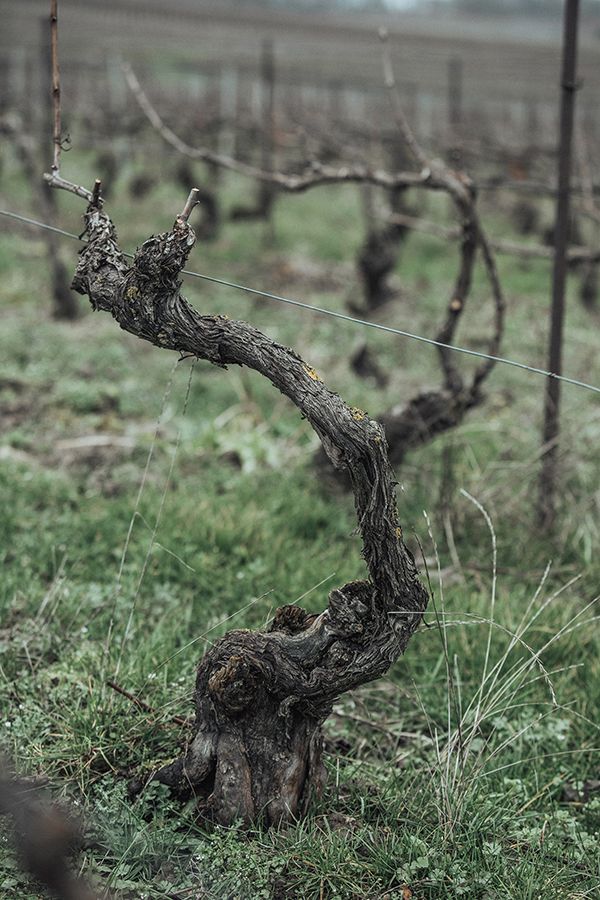
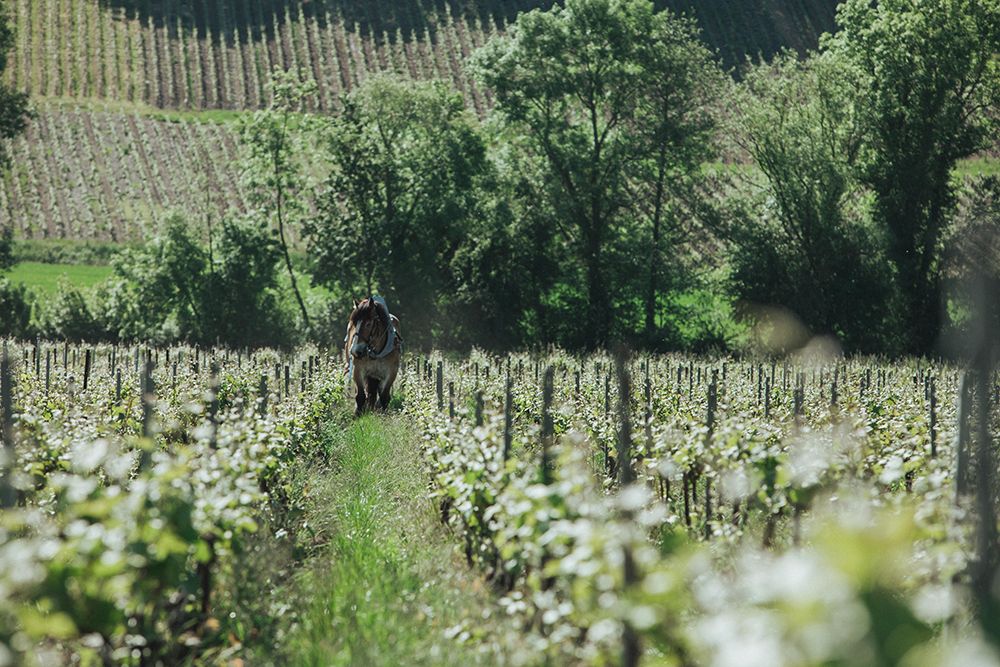
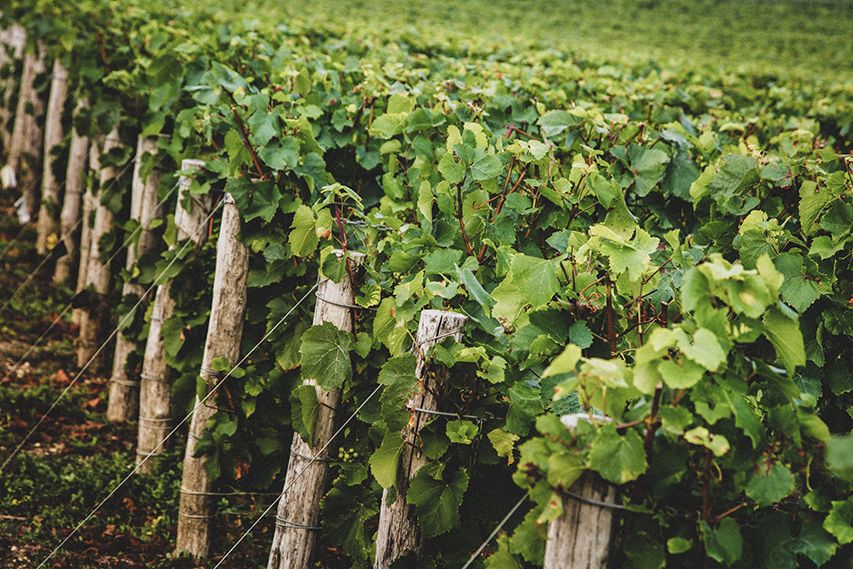
- To preserve terroir and biodiversity. Currently, 72 per cent of the estate’s 24.5 hectares are certified or in process of conversion to organic agriculture. The aim is to convert 100 per cent of the estate by 2025, and 100 per cent of partner winegrower estates by 2031. Additionally, 2500 shrubs will be planted to provide insect hotels in the vineyards.
- To focus on the bottle and nothing but the bottle. In a first in Champagne, Telmont is banning production and use of outer packaging or gift boxes, to reduce waste. Discontinuing transparent bottles, the House will use only green bottles, 100 per cent recyclable and made from 85 per cent recycled glass.
- Green energy sources for all activities. The transition to 100 per cent renewable electricity involves purchasing adapted energy and the development of an on-site solar power production system.
- Limiting greenhouse gas emissions indirectly related to its business. Moving forward, Telmont will select transporters according to their CSR score and will enforce its zero-air transport policy for supply and distribution.
- Traceability and transparency. The new bottles will be numbered while all components and methods of production are listed.
In case you missed it: The Tatler Bar is Your New Online Destination For the Finest Spirits and Champagnes
1 / 2
All of these are essential, as Bertrand notes, “We must make bold decisions in our present which enable a more sustainable for future generations.” Yet none of it is easy.
Organic farming, for starters, can present unique challenges. “Organic winegrowers choose to forego the use herbicides and pesticides, paying careful attention to each grape. At Telmont, we spend more time in our vineyard than in our cellars and assume a certain degree of vulnerability and humility as we have chosen to work alongside nature rather than attempting to control it,” he tells us.
This year, organic farmers in Champagne were presented with one of their toughest challenges yet. “Most of our organic crop was ravaged by the worst onset of mildew I have seen in years, alongside frost and excessive rain. However, although this year’s organic crop harvest will be smaller, our team worked tirelessly to preserve the high quality of the grapes remaining,” Bertrand describes.
It is this thought, intention and savoir faire that goes into every drop of Champagne Telmont that places it among the most likely to meet the climate change challenges of the future.
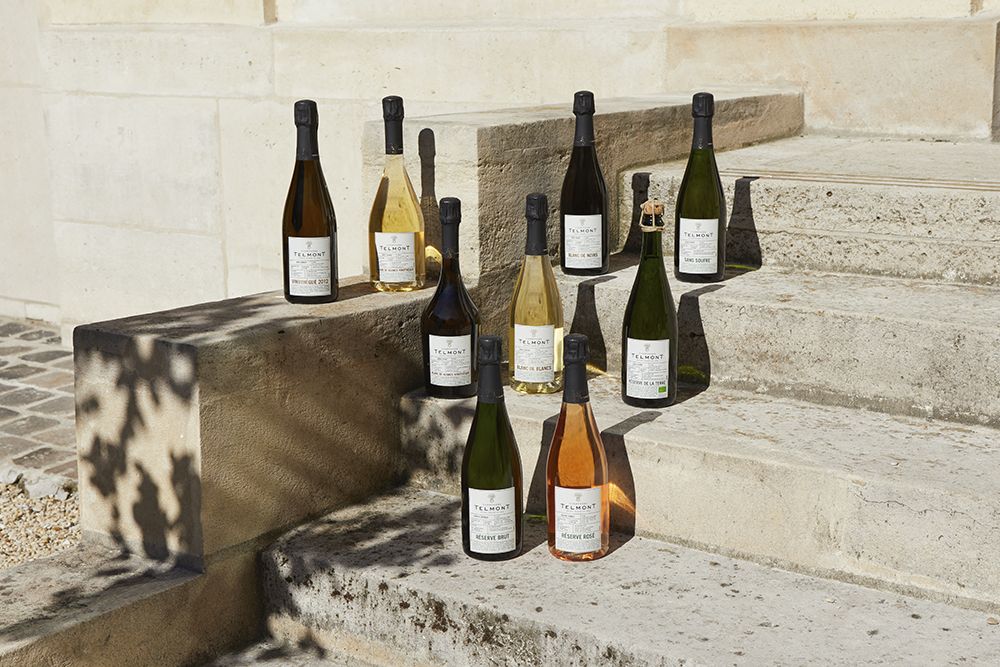
Above Telmont champagne collection
Telmont champagne collection
1 / 1
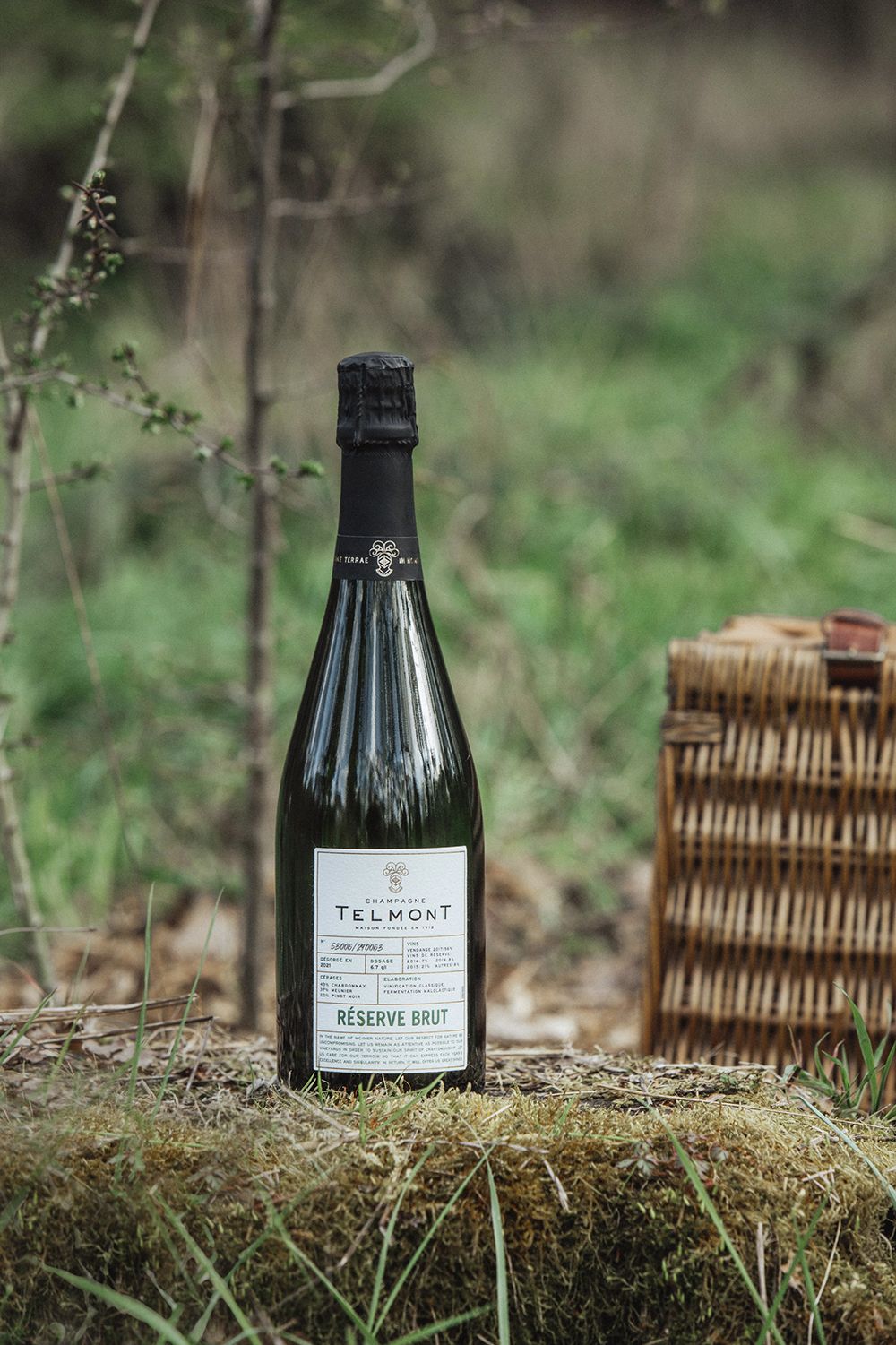
The range has just recently landed in Singapore, and comprise the Réserve Brut, Réserve Rosé, Blanc de Blancs Vintage 2012, Blanc de Blancs Vinothèque 2005, and Vinothèque 2012. These are available at leading retailers in Singapore.
Telmont Champagne is also available at select venues in Singapore including Casa by Remy Lefebvre, Tippling Club and Artemis. Guests can look forward to special promotions including complimentary pairings at Casa’s Wine Room through the end of the year and signature cocktails at Tippling Club.
Telmont Champagnes are now available for purchase on TheTatlerBar.com.
NOW READ
How Baptiste Loiseau Is A Master Of Time





