

Cover A stack of pancakes with caramel, nuts and strawberries (Photo: Ash/Pexels)
A stack of pancakes with caramel, nuts and strawberries (Photo: Ash/Pexels)
1 / 1
Go beyond your syrupy breakfast stacks and celebrate Pancake Day with these Asian favourites
Pancakes are a staple breakfast food all over the world. Most commonly seen served with syrup, fruits, and butter, the Western style of pancakes that we know are made with a batter of eggs, milk and butter, and cooked on a griddle or frying pan.
However, these Asian variations of the pancake are just as tantalising and include savoury and sweet options. From Malaysia's appam balik and Taiwan's scallion oil pancake to South Korea's pajeon and Japan's okonomiyaki, here are a few of Asia's best pancakes.
Read more: 10 of the best omakase experiences in the Klang Valley
Bánh xèo


Above Bánh xèo with king prawns by Style My Plate (Photo: @stylemyplate/Instagram)
Bánh xèo with king prawns by Style My Plate (Photo: @stylemyplate/Instagram)
1 / 1
Bánh xèo is Vietnam's contribution to the pancake world. Loosely translated to sizzling pancakes, its name was derived from the sound the batter makes when poured into the skillet.
These crisply pancakes are crunchy on the outside and can be filled with all sorts of savoury ingredients such as pork belly, shrimp, beansprouts, and scallions. The batter's main ingredients are rice flour, water, turmeric powder, and sometimes coconut milk or cream.
Cong you bing

Above Taiwanese scallion pancakes (Photo: Guy Dickinson/Flickr)
Taiwanese scallion pancakes (Photo: Guy Dickinson/Flickr)
1 / 1
In Taiwan, cong you bing, or scallion pancakes, are a major player in the street snack world. Flaky, light, and flavourful, these pancakes are best eaten when fresh off the griddle. Unlike its Western counterparts, Taiwanese scallion pancakes are made with dough instead of batter. You can find different takes on it across Taiwan, from Kaohsiung to Taipei.
See also: A food lover’s guide to Taipei
Appam Balik

Above Appam balik made with corn and peanuts (Photo: @jordantaliente/Instagram)
Appam balik made with corn and peanuts (Photo: @jordantaliente/Instagram)
1 / 1
No night market is complete without a stall selling appam balik and its variations. It can be made with a wide variety of fillings, with the most common being ground nuts and corn, and the most modern being Nutella.
Almost every Malaysian’s childhood has been touched by this nostalgic and sinfully good street snack so it’s only fair that it gets a little (or a lot of) love.
Appam
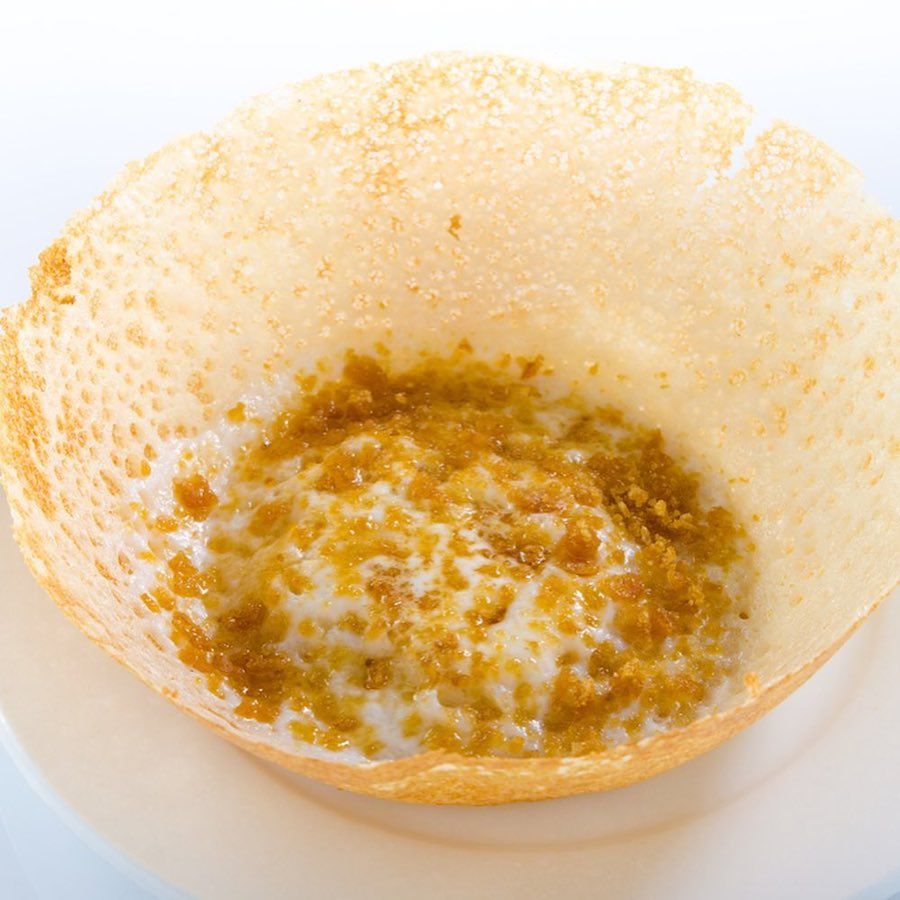
Above Sweet appam (Photo: Aliyaa)
Sweet appam (Photo: Aliyaa)
1 / 1
Malaysians rave about our appam balik and Sri Lankans have the same pride for their appam. The Sri Lankan appam is available sweet or savoury, with the former traditionally made with coconut and cardamom powder.
Jeon
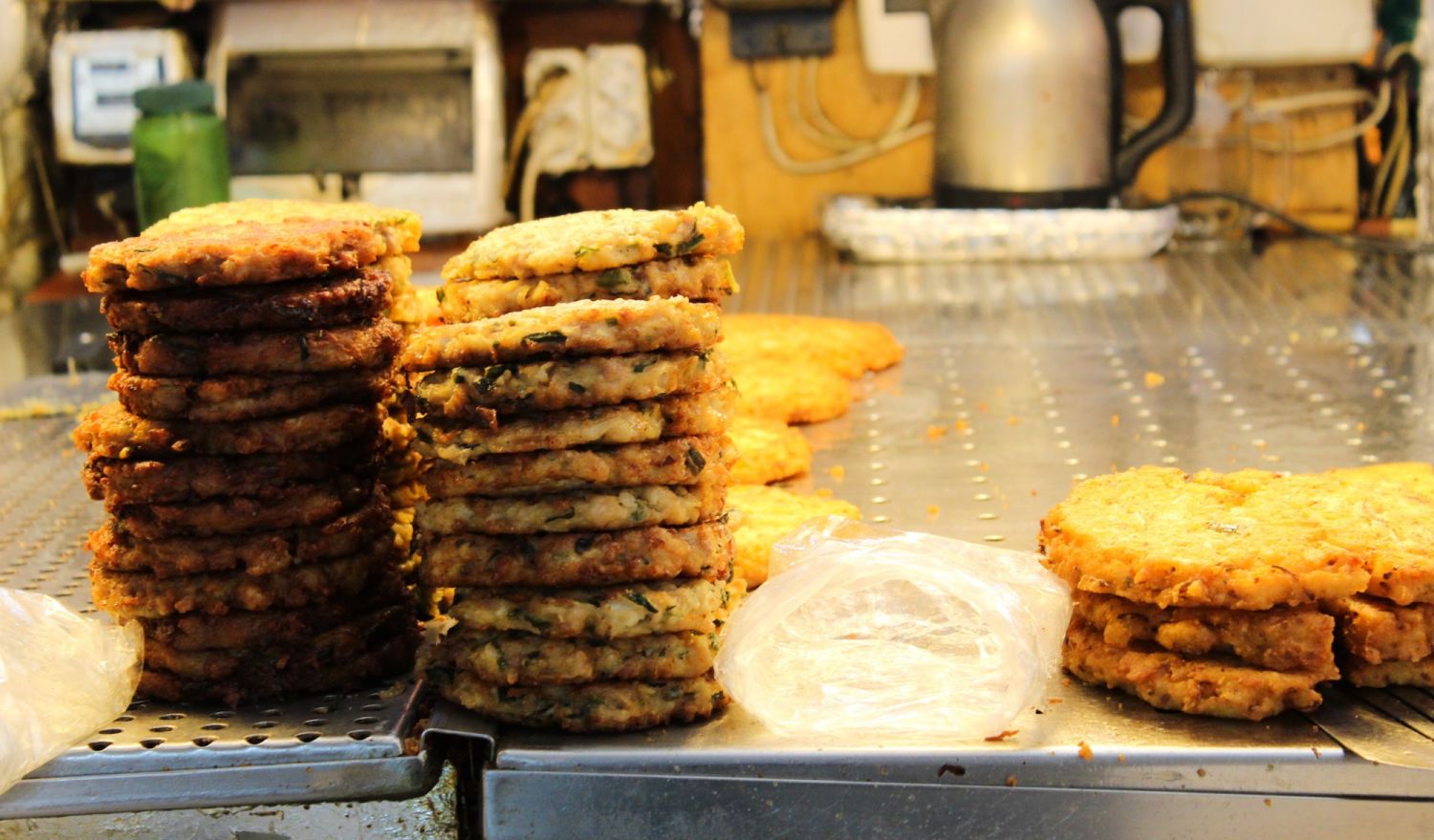
Above Pajeon or spring onion pancakes at a night market in South Korea (Photo: Crystal Jo/Unsplash)
Pajeon or spring onion pancakes at a night market in South Korea (Photo: Crystal Jo/Unsplash)
1 / 1
Jeon is a staple in Korean cuisine, as seen in many K-dramas and Korean restaurants around the world. Made of wheat flour, water, soybean paste, and a bit of sugar, these jeons are some of the most adaptable pancakes out there with green onions, kimchi, seafood, minced meat, and perilla leaves being some of the most common types of jeon.
Okonomiyaki

Above This okonomiyaki has also been topped with bonito flakes (Photo: @marboochan/Instagram)
This okonomiyaki has also been topped with bonito flakes (Photo: @marboochan/Instagram)
1 / 1
Hailing from Japan, the okonomiyaki is another pancake that gets remixed depending on which region of Japan you’re in. The Kansai style of okonomiyaki is the base on which others are built on, made with cabbage, flour and egg and topped with sliced pork, the savoury-and-sweet okonomiyaki sauce, Japanese mayonnaise and aonori (powdered dried seaweed).
Wo bing

Above Wo bing made with lotus paste (Photo: @ themalaysianfoodie/Instagram)
Wo bing made with lotus paste (Photo: @ themalaysianfoodie/Instagram)
1 / 1
Wo bing, or woh peng in Cantonese, is a classic Chinese dessert dish that can be made with lotus paste or red bean paste. We've also seen variations made with pandan. It is usually served at family dinners, particularly during a dim sum meal. When fresh, these flaky and buttery pancakes are extremely difficult to resist.
See also: Tatler Dining Awards 2022: The Top 20 Restaurants in Malaysia
Roti Canai
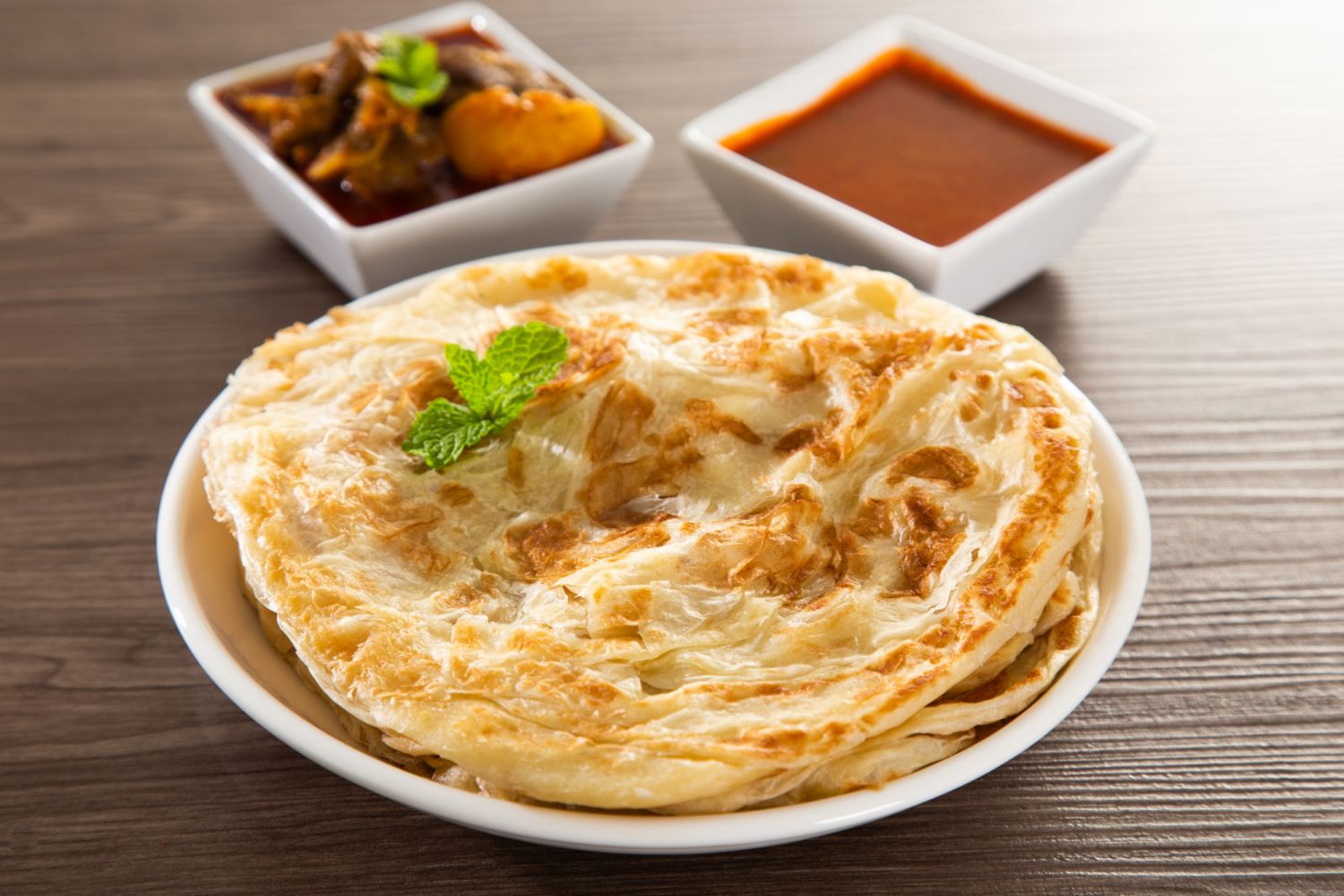
Above Photo: iStock
Photo: iStock
1 / 1
Recently crowned the second best street food in the world by TasteAtlas, the roti canai is a formidable presence in the Malaysian food work. A mamak meal is simply incomplete without an order of the fluffy and light roti canai. You can have it served with curry, dahl, kaya, or even sugar, alongside a cup of teh tarik or local kopi.
NOW READ
13 minimalist cafés to visit in the Klang Valley
Who are the people behind Inside Scoop, a Malaysian ice cream brand?
Topics

Amanda is a KL-born and raised third culture kid, who lives to eat. If not found reading, writing for Tatler Dining, or snacking, she is most likely playing with her dog, Katsu, sourcing new Birkenstocks, or looking for a new restaurant to venture to.
Follow her on Instagram at @feedingamanda.





