
Cover Improve your health with these simple habits (Photo: Courtesy of Unsplash)
Improve your health with these simple habits (Photo: Courtesy of Unsplash)
1 / 1
Ready to take your health seriously? On World Health Day this April 7, we’re listing out science-backed habits for better mental and physical health
We’ve all been there. Perhaps it’s triggered by a few too many hangovers throughout the month, or a minor health scare from a family member—there comes a time when all of us pause and wonder if this is the moment when we should start making our health a priority.
Better health doesn’t come overnight, and we all know it’s easier said than done when it comes to changing old habits. Whether you’re looking to slowly incorporate one or two new habits to begin your health journey, or if you’re on a transformation journey to completely reboot your life, we list out 6 science-backed habits that’ll help improve your mental and physical health.
See also: The Best Gyms to Book in Hong Kong—and the Ones We Said Goodbye to 2022
Read books daily


Above Photo: Courtesy of Unsplash
Photo: Courtesy of Unsplash
1 / 1
Time needed: 15 to 30 minutes daily
When was the last time you were fully immersed in a book? Reading has shown to help strengthen your brain, prevent cognitive decline and reduce stress, according to research.
In a study on the short and long-term effects of novel reading, significant increases in connectivity were found in the story comprehension and perspective-taking regions of the brain.
Short on time? Reading for just 15 to 30 minutes a day could help your brain form cognitive maps as it learns, which in turn keeps your brain sharp, according to neuroscientist Dr. Kristen Willeumier on the mindbodygreen podcast.
See also: 15 Must-Read Books By Asian Authors
Exercise for general well-being

Above Photo: Courtesy of Unsplash
Photo: Courtesy of Unsplash
1 / 1
Time needed: Three 30 minute exercise sessions weekly
Physical activity not only helps us burn off extra calories, but also helps reduce our risk of major illnesses and improve our mental health.
Aerobic exercises such as running, walking and dancing have been proven to reduce anxiety and depression by raising self-esteem and cognitive function. All you need is thirty minutes of moderate exercise three times a week to feel the many benefits of exercise—from improving your sleep, increasing endurance, lower stress, reduce blood pressure and many more, according to a study on exercise for mental health.
Meditate ten minutes a day

Above Photo: Courtesy of Unsplash
Photo: Courtesy of Unsplash
1 / 1
Time needed: From 10 minutes a day
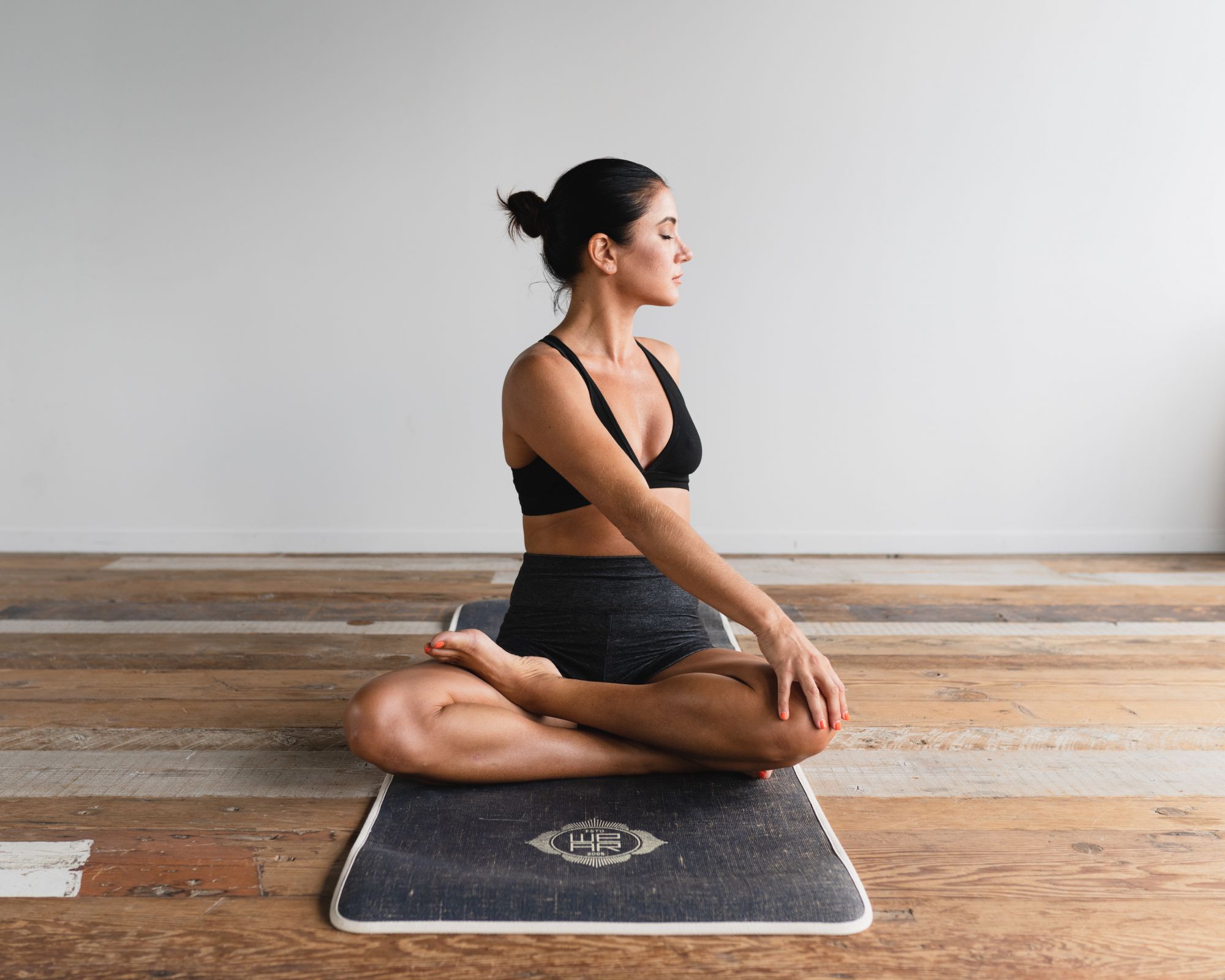
Meditation, the art of training your mind to stay focused on the present may sound easy. After all, it’s as simple as closing your eyes and sitting still—how hard could that be, right? Those who have tried it, however, will tell you it’s a lot harder than it seems.
Despite its challenges, meditation is a science-backed practice that’ll help improve both your physical and mental health. In one eight-week study, mindfulness meditation helped reduce participants’ stress-induced inflammation response, while another study found that the practice helps decrease anxiety levels. Meditation is also found to lengthen attention span, fight memory loss, improve sleep, and even reduce pain levels.
See also: How To Build A Meditation Space At Home: Meditation Trainers, Singing Bowls & More
Stretch regularly
Above Photo: Courtesy of Unsplash
Photo: Courtesy of Unsplash
1 / 1
Time needed: 10 minutes per time, three to five times a week
Stretching improves your flexibility, which helps you maintain a range of motion in the joints, according to Harvard. When muscles become tight due to long days of sitting at your desk, stretching or other flexibility exercises such as yoga and tai chi will help keep your muscles and joints happy. For the best results, spend around a minute on each stretching exercise and hold each stretch for fifteen seconds, four times per stretch.
See also: Monday Motivation: How To Stretch At Your Desk Feat. Utah Lee
Drink enough water
Above Photo: Courtesy of Unsplash
Photo: Courtesy of Unsplash
1 / 1
Amount needed: Four to six cups a day
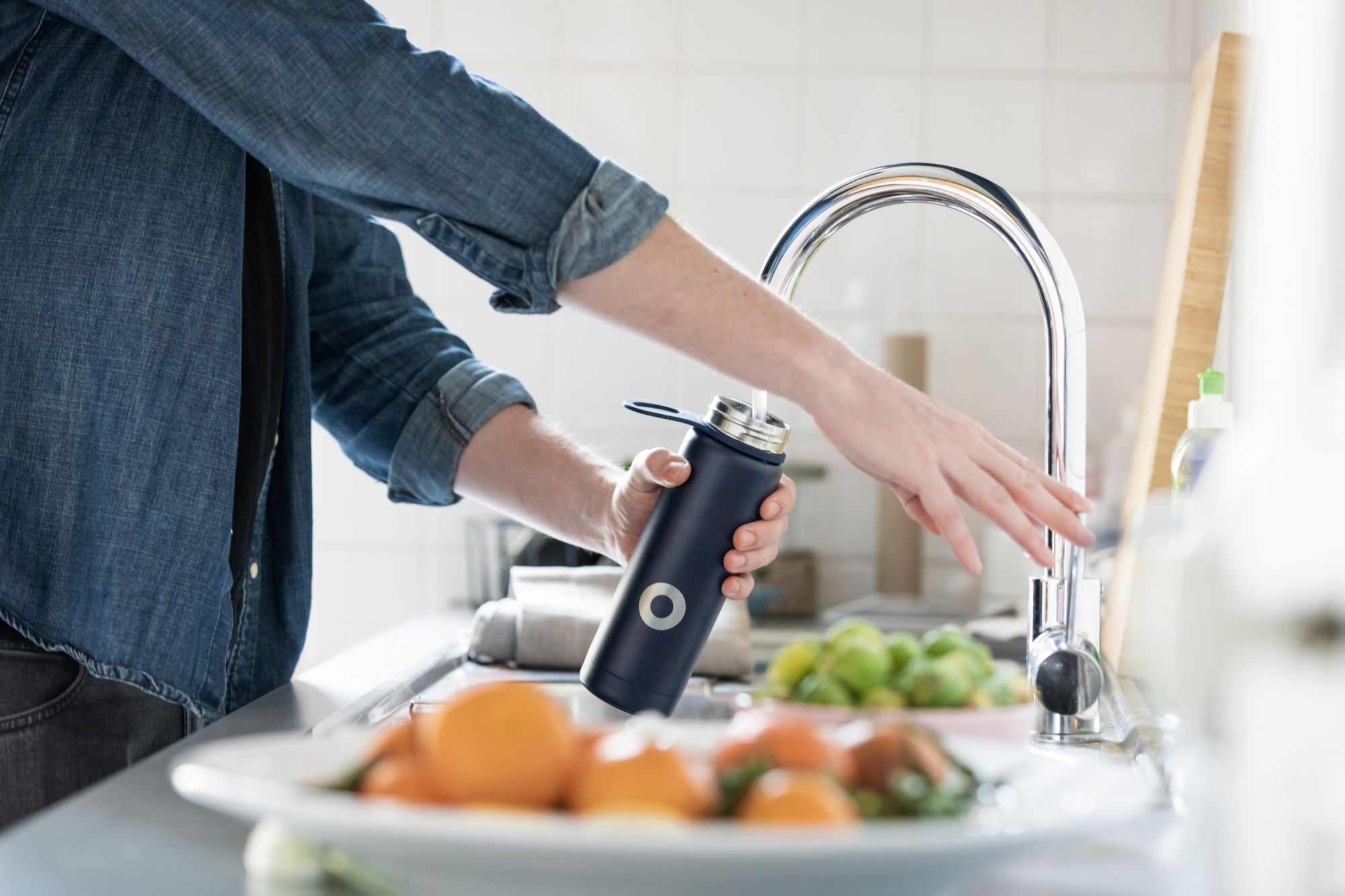
We’ve all heard that we should drink around eight glasses of water a day, but why exactly is staying hydrated so important to our overall health?
In a 2011 study on water, hydration and health, researchers found that one’s hydration status for sweat production is crucial to the body’s process of temperature control. The effects of dehydration also affect one’s physical performance and cognitive performance such as disrupting mood, impairing short-term memory, concentration and more.
Maintain good emotional health

Above Photo: Courtesy of Unsplash
Photo: Courtesy of Unsplash
1 / 1
Being healthy is more than just the physical. Maintaining good mental health is every bit as important as keeping our body strong and healthy. According to studies, emotional distress can make us more susceptible to physical illness, infections and cardiovascular diseases. Having poor emotional health may also lead you to adopt unhealthy habits such as smoking, drinking and consuming high-fat foods, which may impair your physical health in the long run.
To maintain good emotional health, having a regular self-care practice, practising emotional regulation, exercising, getting enough sleep and having a strong support system are just a few ways of strengthening your emotional health.
This article was published June 11, 2021 and updated on April 7, 2022.
NOW READ
Want To Improve Your Mental Health? Wake Up An Hour Earlier, New Study Suggests
The Best Wellness Podcasts by Women in 2022
Here’s How a Hong Kong Psychologist Defines Good Mental Wellbeing
Topics

Born in Hong Kong and raised between the +852 and Vancouver, Doris is a lifestyle writer and Literature grad who loves piecing together words and visuals to tell a story. Passionate about food, wellness and chihuahuas, you'll most likely find her slurping up a bowl of ramen, or escaping the city's hustle and bustle by exploring the quiet parts of Hong Kong on the weekends. Follow her on Instagram @lamgrams.





