Cover At the AI in Health x ATxSummit 2026 symposium, the moderator and speakers on the Women’s Health x AI panel included Valerie Lim, Jocelyn Chew, Celene Hui, Wang Qianyi, Jazlyn Lim, Dr Pauline Tay (Photo: SingHealth)
At the AI in Health x ATxSummit 2026 symposium, the moderator and speakers on the Women’s Health x AI panel included Valerie Lim, Jocelyn Chew, Celene Hui, Wang Qianyi, Jazlyn Lim, Dr Pauline Tay (Photo: SingHealth)
1 / 1
The AI in Health x ATxSummit 2026 symposium on Smart Nation to Blue Zone Nation: AI and Healthy Longevity brought together Tatler Gen.T Leaders of Tomorrow Daniel Ting, Jocelyn Chew, Veronika Linardi and Sebastian Togelang and other experts, to explore how artificial intelligence is reshaping what it means to age well
The word “longevity” can bring to mind two opposing concepts. On the one hand, we are brought into the world of billionaires and biohackers, with the extreme routines they follow and the discipline of elite athletes in an effort to reverse time. On the other hand, we think of Blue Zone regions like Japan, Costa Rica and Greece, where residents tout a balanced diet, healthy lifestyle and an expanse of nature that contribute to a long and fulfilling life.
For many Singaporeans forced to contend with a rapidly ageing population, longevity comes in the form of a more practical question: how can I spend more of my foreseeably longer life feeling well, independent and in control?
This question was discussed on multiple fronts at the AI in Health x ATxSummit 2026 symposium held in May 2026, and one idea kept surfacing: the future of longevity will not be defined by a single technology. Instead, it will be defined by whether science, data and behaviour can be brought together in ways people can trust and act on, and whether AI can serve as the connective tissue that makes this possible. Here are five key takeaways from the symposium.
Read more: Longevity’s most-used words, decoded
Healthspan, not lifespan


Above Daniel Ting, director of AI Office at SingHealth, frames Singapore’s opportunity around healthspan, not just lifespan in his welcome address (Photo: SingHealth)
Daniel Ting, director of AI Office at SingHealth, frames Singapore’s opportunity around healthspan, not just lifespan in his welcome address (Photo: SingHealth)
1 / 1
Associate professor Daniel Ting, who is the director of the AI Office at SingHealth and co-director of the AI in Medicine Institute (AIMI) at the SingHealth Duke-NUS Academic Medical Centre, opened the event by framing Singapore’s opportunity as a shift from a Smart Nation to a Blue Zone Nation.
While Singapore has been described as an “engineered Blue Zone”, where its exceptional life expectancy is largely engineered through government policies, Ting pointed to a bigger challenge that no one talks about: the gap between lifespan and healthspan, or years of healthy living. For the city-state, that particular gap is ten years.
Living longer is not enough if those additional years are marked by illness, frailty and dependency, which speakers referred to as “sickspan”. The ambition of healthy longevity is to compress this period of decline, not merely extend life.
Read more: Forget the silver bullet: inside Dan Buettner’s Blue Zones blueprint for a longer life
AI’s blind spots

Above Valerie Lim, digital editor of Tatler Leadership, moderated a panel on why building AI that serves women’s health requires more than good intentions, but also better data (Photo: SingHealth)
Valerie Lim, digital editor of Tatler Leadership, moderated a panel on why building AI that serves women’s health requires more than good intentions, but also better data (Photo: SingHealth)
1 / 1
During the women's health panel at the symposium, moderated by Tatler Leadership digital editor Valerie Lim, panellists discussed a striking paradox: women in Singapore may live longer than men, but they spend more years in poorer health. If AI is trained on incomplete or male-centred datasets, it risks reproducing the same blind spots at scale. The panel made clear that inclusive AI is not a niche concern. It is a prerequisite for any longevity technology that claims to serve everyone.
Behaviour change gap

Above Panellists, including National University of Singapore assistant professor Jocelyn Chew, discussed how AI could move healthcare from prediction to prevention across hospitals, homes and communities (Photo: SingHealth)
Panellists, including National University of Singapore assistant professor Jocelyn Chew, discussed how AI could move healthcare from prediction to prevention across hospitals, homes and communities (Photo: SingHealth)
1 / 1
AI enters the longevity conversation with many possibilities. It can analyse patterns humans may miss and connect clinical records, genetic data, wearables and biomarkers to build a more complete picture of individual health. Yet prediction, as several speakers on the Women’s Health x AI panel noted, is only useful if it leads to action. A wearable can track sleep; a blood test can flag risk markers. The more difficult question is whether any of this changes what a person does next.
For Jocelyn Chew, who’s an assistant professor at the National University of Singapore (NUS), this gap between insight and action is central to her work on AI-assisted behaviour change and cardiometabolic disease prevention. The fundamentals of longevity—sleep, movement, nutrition and stress management—are already well understood. The promise of AI is not to replace human judgement, but to make those choices easier, more personalised and better timed.
Evidence versus hype

Above Veronika Linardi, co-founder of longevity clinic Eternami, spoke about turning fragmented health data into actionable longevity journeys (Photo: SingHealth)
Veronika Linardi, co-founder of longevity clinic Eternami, spoke about turning fragmented health data into actionable longevity journeys (Photo: SingHealth)
1 / 1
A panel on market opportunities for longevity health and technologies, moderated by Dr Lee Hsien Hsien, brought up interesting questions, including who longevity is being marketed to, who can afford it and what actually works. Veronika Linardi brought a founder’s clarity to the discussion. At her longevity clinic, Eternami, the model combines biomarkers, diagnostics and AI-enabled insights to turn scattered health information into coherent, actionable journeys. The goal is to offer a clear path of what to measure, what to change and when to seek help.
Longevity at scale

Above Sebastian Togelang, investor and co-founder of Eternami, discussed whether AI-enabled longevity can move beyond niche wellness and become more inclusive, evidence-led and useful (Photo: SingHealth)
Sebastian Togelang, investor and co-founder of Eternami, discussed whether AI-enabled longevity can move beyond niche wellness and become more inclusive, evidence-led and useful (Photo: SingHealth)
1 / 1
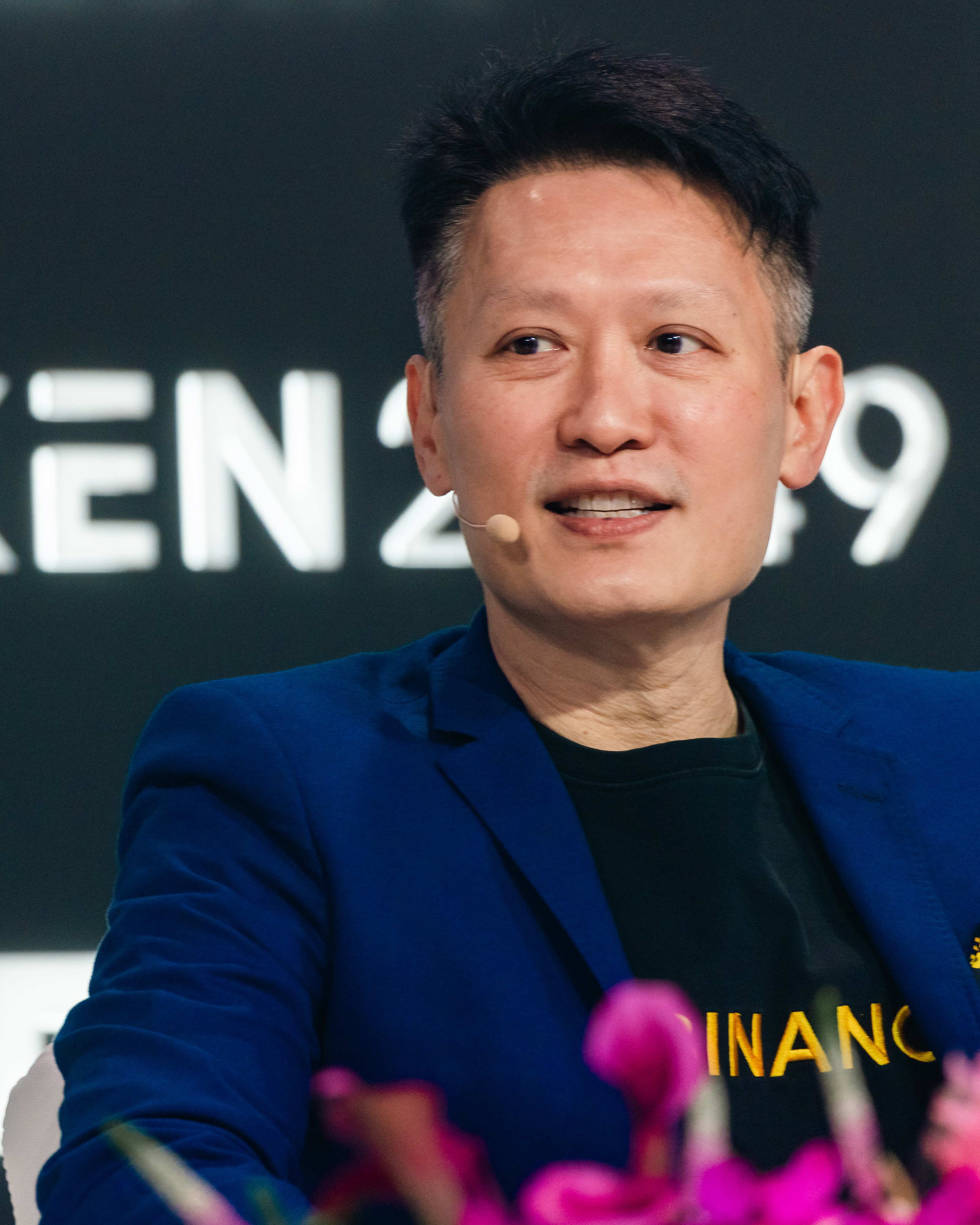
For investor Sebastian Togelang, the longevity market spans biotechnology, diagnostics, wearables and digital health platforms—each with different timelines, capital requirements and real-world reach. Not every opportunity is equal, and not every promising technology will scale.
His framing was also personal: after years in finance and wealth creation, he arrived at the longevity question through a simple realisation: “What is wealth without health?” If the benefits of AI-enabled longevity remain the preserve of the wealthy, the technology will have failed its most important test.
Read more: Are full-body scans overkill? Navigating the rise of high-precision health screening
The human measure of longevity
The value of AI in health will not be measured by its sophistication, but by whether people trust it, clinicians can use it and its benefits reach beyond those who can afford the latest wellness trend.
For the panellists and audience at the symposium, the day reflected a shared conviction: that the future of health will be built across disciplines—clinical AI, behaviour change, applied data and scalable investment—all working in concert. And the goal is not to add years to life. It’s to make those years worth living.
NOW READ
The Longevity Code: Inside the biohacking boom in Singapore
Can an AI companion be ‘someone to talk to’ for lonely elderly people?
Topics
Curated for you
The stories, profiles, and cultural moments featured on our Instagram feed