

Cover Photo: Unsplash
Photo: Unsplash
1 / 1
Three clean energy leaders weigh in on the state of the environment and what can we do to save the planet
The United Nations has issued a stark warning that current global commitments to cut greenhouse gas emissions would still put the planet at risk for an average 2.7-degree Celcius increase in temperature by this century.
This is compounded by a global energy crisis that has resulted in power shortages across major economies. Already, factories in China were forced to shut down while the price of natural gas prices surged to record levels and could derail Europe’s economic recovery.
See also: COP26: Meet The Youths Representing Malaysia At The United Nations Climate Change Conference


Above Vinesh Sinha
Vinesh Sinha
1 / 1
Analysts are blaming the energy crunch on several factors including the sharp rise in demand due to the economic rebound from the pandemic, thereby depleting power reserves. FatHopes Energy founder and chief executive officer Vinesh Sinha believes that Europe is facing this situation because it has been too dependent on natural gas for energy. This illustrates the urgent need to move away from fossil fuels and towards alternative forms of energy like solar, wind, hydropower and even nuclear.
“Both wind and solar are viable renewable energy sources to consider, but we need to diversify our energy supply,” Sinha cautions.
See also: How FatHopes Energy’s Vinesh Sinha Is Turning Food Waste Into Sustainable Fuel
Good news. The use of renewable energy is slowly expanding across Southeast Asia, says solar company Plus Xnergy Holding group chief executive officer Ko Chuan Zhen. He says Malaysia has the potential to be Southeast Asia’s renewable energy champion, specifically for solar power.
The government has announced plans to increase the share of renewable energy in the country to 31 per cent by 2025. That would be an increase from the current 4,430 megawatt (MW) to 10,944 MW in the next 15 years.
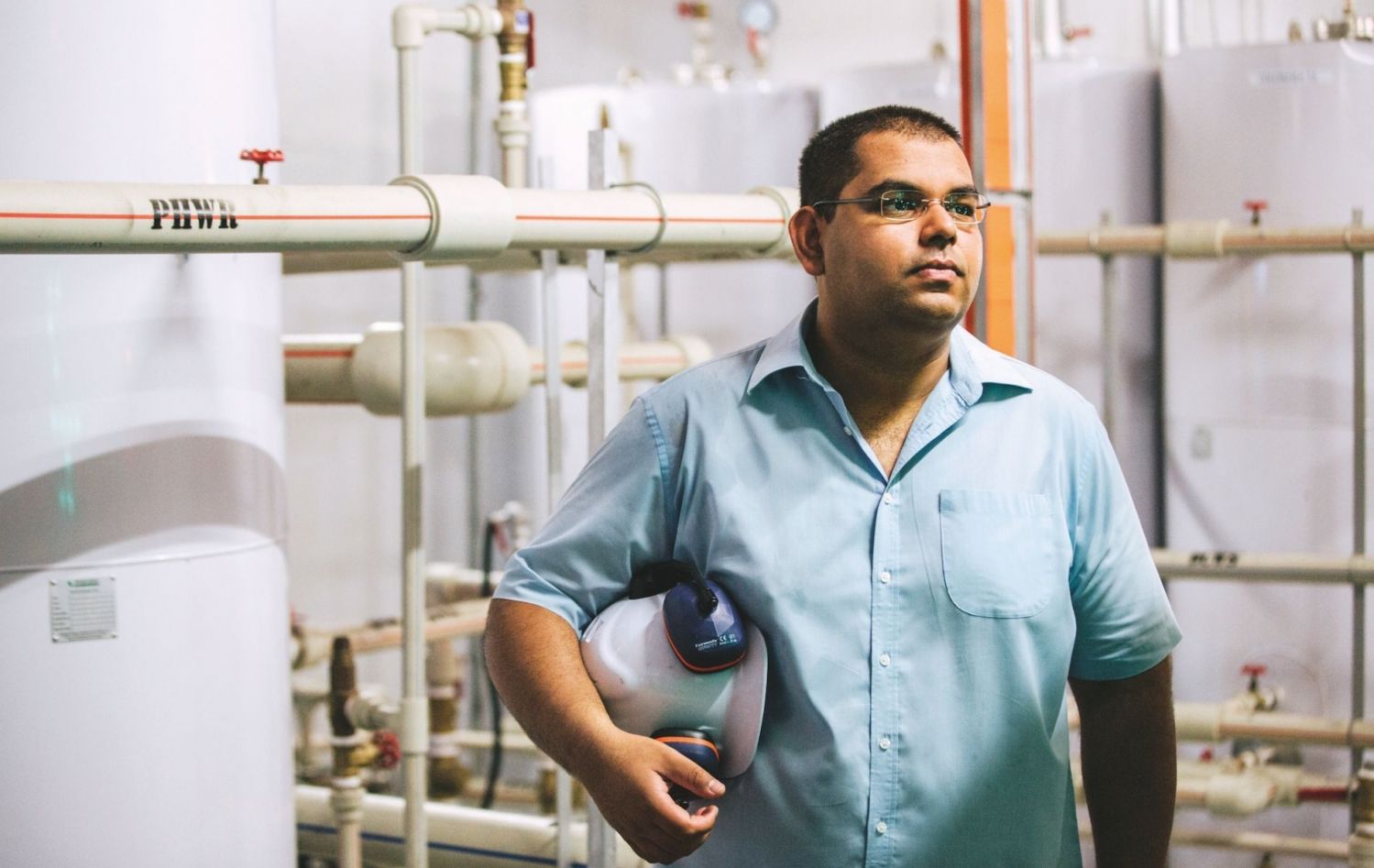
Above Aaron Patel
Aaron Patel
1 / 1
Aaron Patel, chief executive officer of iHandal Energy Solutions says he’s encouraged to see Malaysia and its regional peers target to have at least a 20 per cent renewable energy mix by 2025. In addition, Malaysia has several comprehensive roadmaps to achieve these sustainability targets, by encouraging industries to see the wealth of opportunities ahead.
Ko says there is still a lot of untapped potential in the domestic solar market both for businesses and consumers. Plus Xnergy estimates there are 3.2 million residential properties in the country, however, consumer adoption is still low. This is largely due to the misconception that solar solutions are expensive.
Read this: Ko Chuan Zhen Foresees A Bright Future For Malaysia With Solar Energy
This year, the solar energy company introduced a rent-to-own solar program for consumers and a power purchase agreement for businesses. It hopes these measures will help lower the barrier for solar energy adoption. Adding to this, Ko says the government needs to establish a Net Energy Metering (NEM) scheme as a way to export excess power generated to Tenaga Nasional Berhad.
“Solar is the cheapest form of electricity according to the International Energy Agency but Malaysia is still highly dependent on fossil fuels. I expect the transition to renewable energy will take some time,” he says.

Above Ko Chuan Zhen
Ko Chuan Zhen
1 / 1
“We need more aggressive policies that combat climate change and prioritise the adoption of clean energy and digitalisation among businesses and communities”
To encourage greater clean energy adoption, we would need to use smart energy grids. These are electricity networks that enable a two-way flow of electricity and data. The grid would also be able to detect and charge in accordance with the customer’s usage. Ko adds that with a smart grid, many types of alternative energy can be utilised to power homes and businesses. A great example is Germany where 46 per cent of its total energy generation comes from alternative energy sources.
Besides that, energy storage technologies like batteries will help retain energy that is generated during peak times (like when there is lots of sunshine or wind), for use when it’s dark. They are also useful to accommodate sudden spikes in demand, whereby power can be automatically supplied to the grid thanks to smart sensors.
“We need more aggressive policies that combat climate change as well as more funding to prioritise the adoption of clean energy among businesses and communities,” Ko adds.
The 37-year-old entrepreneur believes that in order to accelerate Malaysia’s energy transition, the country would need to build and invest in a smart energy ecosystem to enable various sectors such as businesses, homeowners and utility power plant investors to access these forms of energy.
See also: Canvass Bistro & Bar On Pushing For Sustainability In Malaysia
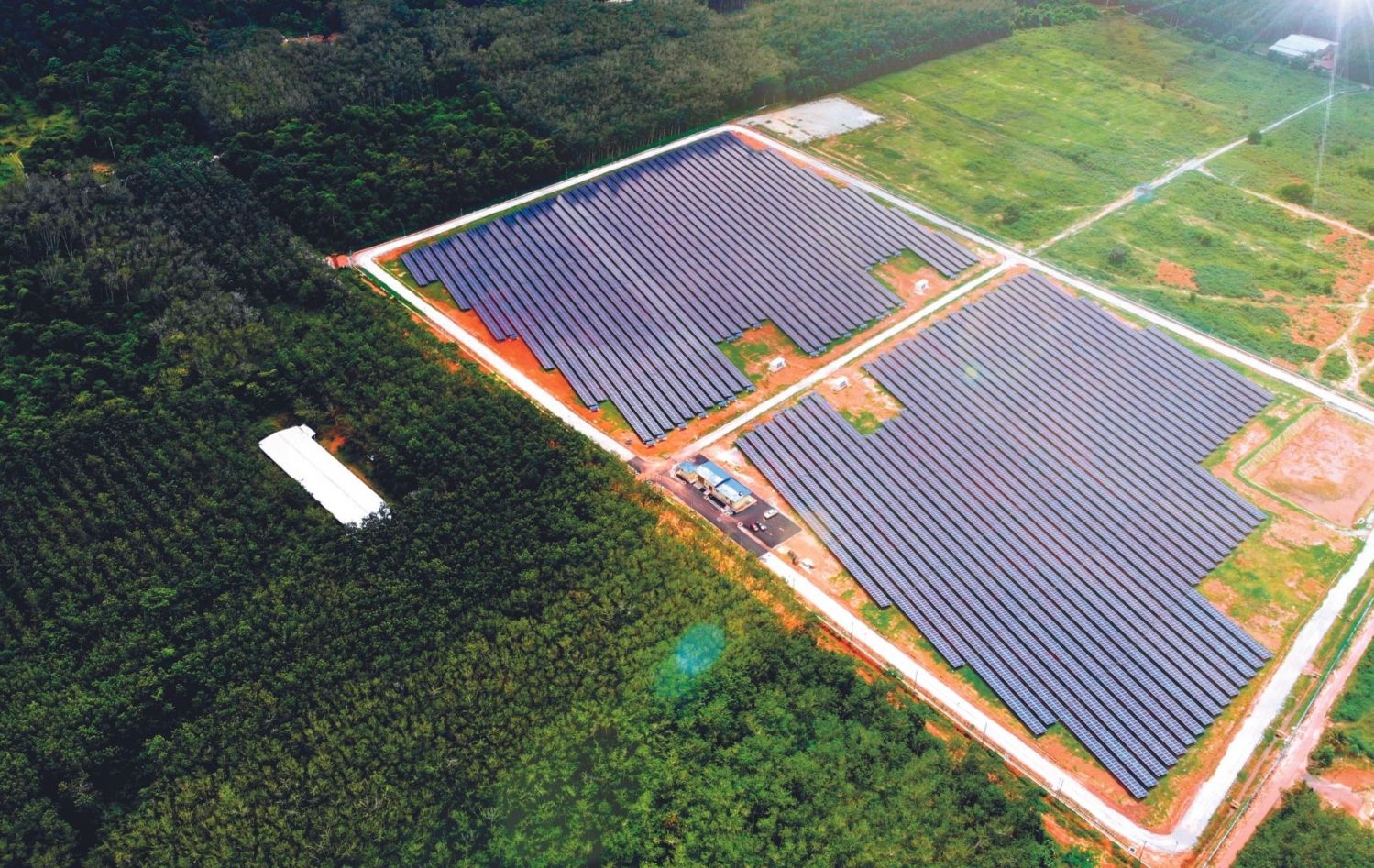
Above Plus Xnergy has moved into solar farm development
Plus Xnergy has moved into solar farm development
1 / 1
That being said, there needs to be more policies and initiatives to further liberalise the energy industry in Malaysia. Both the government and private sector need to work hand-in-hand to make clean energy more accessible and affordable to all. There are already some incentives like the government’s Green Investment Tax Allowance (GITA) and Green Income Tax Exemption (GITE) that would be able to move us along in the direction of a lower-carbon nation.
“This is a critical time for Malaysia, considering the increasing role of sustainability, such as the UN Sustainable Development Goals (SDGs) targets and Environmental, Social and Governance (ESG) values in securing investments worldwide,” says Ko. “Together we need to create a sustainable and collaborative ecosystem. The mutual effort of policymakers, financial institutions and renewable energy industry players will play a big role in determining the success of the country’s renewable energy target.”
Fossil Fuel Still Relevant
With many governments around the world pledging to be carbon neutral within the coming decades, there is a concerted effort to phase out fossil fuels. But it is not as simple as that, says Sinha.
“Part of the reason why fossil fuel, coal and natural gas remain popular today is that they are so abundant. Secondly, they provide a reliable output of power in comparison to clean energy sources like wind or solar that vary in output depending on factors like the weather,” he says.
Fossil fuels are likely to be still used in remote towns or villages like in the interiors of Sabah and Sarawak where the electricity supply is often unstable. Though they can use solar panels to get energy, because the population is too spread out, factors like transmission loss may result in less than optimum power delivery.
Sinha says, “It would not be wise to change everything to renewable energy because this would be too disruptive. Given that a lot of existing infrastructure may not be compatible with the existing infrastructure in modern-day power plants.”
To him, it doesn’t matter where carbon is saved. Instead of exporting oil and gas out of the country, Malaysia could use its own supply locally and channel the money saved to develop clean energy technologies instead.
He cites Iceland as an example. The country switched from importing energy from the UK to developing geothermal energy, becoming experts in harnessing it and has exported the technology around the world.
The Nuclear Option
Wind and solar energy have become more affordable over the years, says Sinha, but nuclear power remains one of the best clean energy sources available today. Unpopular as it may be, there is no denying that nuclear power generates electricity efficiently without the negative side effect of generating lots of carbon.
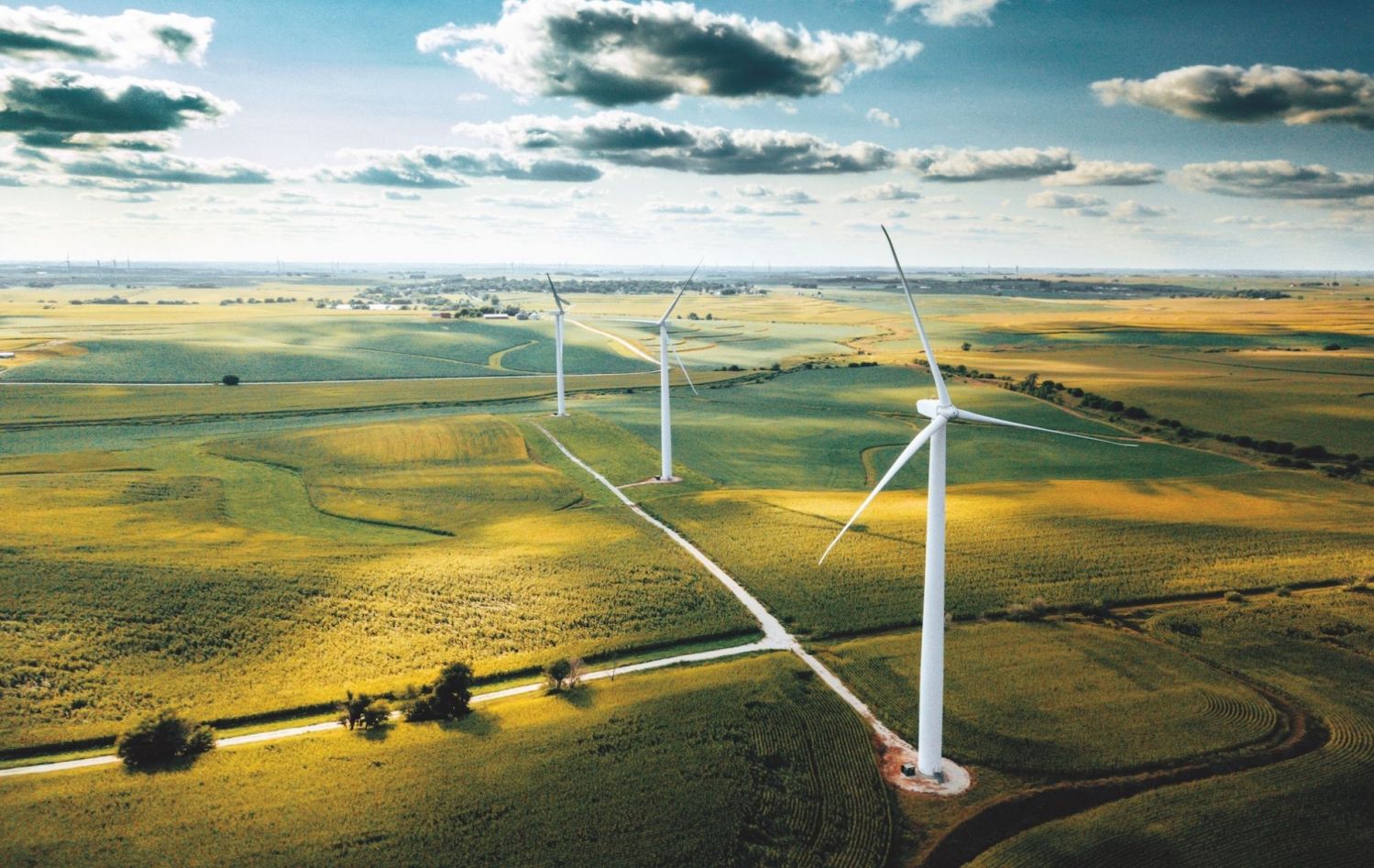
Above Wind turbines
Wind turbines
1 / 1
That being said, nuclear energy however carries a negative stigma due to the catastrophic accidents that occured in Chernobyl (1986) and Fukushima (2011). Understandably, people are concerned about the safety of nuclear energy and possibility of meltdowns occuring.
“Even so, the fact remains that nuclear power plants are considered to be quite safe as they have multiple, overlapping safety systems,” says Sinha.
Part of the solution could come in the form of small modular reactors that are rated to provide up to 300 MW of electricity per module. They are built in factories and shipped wherever they are needed. A company called NuScale is already doing this and intends to transform the clean energy industry through its scalable nuclear power generators.
This may come in handy for some markets that do not have the means to support a traditional nuclear power plant. In their place, these small reactors make more sense as they can be deployed in remote areas that need a dedicated power supply which does not rely on fossil fuel.
See also: Rolex Awards For Enterprise 2021: Meet The 5 New Laureates
“Both wind and solar are viable renewable energy sources to consider, but we need to diversify our energy supply”
The International Energy Agency says that switching to clean energy is not enough to get us to net zero. There needs to be a multi-pronged approach towards sustainability, says Patel. “There is an urgent need to educate and focus on more immediate solutions like better energy efficiency and responsible consumption.”
The unfortunate reality is that people are moved to action when they are personally affected by something. “Most don’t understand how climate change will eventually affect everyone on the planet and future generations. Mitigating it is not a job left to others but it starts with ourselves,” he says.
The 12-year industry veteran advises organisations not to be too hasty in looking for a clean energy solution. They should instead focus on reducing their current waste and offset that with clean energy. This would be the most economical way to do their part in combating climate change.
Patel’s iHandal, an energy solutions provider, is doing its part to combat climate change and has an ambitious target of reducing 200 million tons of carbon emissions. To put that in perspective, that would offset 80 per cent of Malaysia’s carbon emissions recorded in 2019. Patel advises companies to focus on responsible consumption and make full use of their resources.

Above Photo: Unsplash
Photo: Unsplash
1 / 1
There is already growing demand for green technology that should help businesses become more resilient by reducing costs and optimising processes. While governments may be slow to enact policies to combat climate change, the good news is that cities on a local level can experiment with climate solutions, resulting in tangible local impact. This will however require sustained funding and political will to see this through.
Patel hopes there is a holistic approach towards targeting the adoption of green technology with the right objectives and motivations in place. “There is no quick singular solution in the pursuit of adopting clean energy. Responsible consumption and education are all important pieces of the puzzle as we work towards leaving a better world for future generations,” he says.
NOW READ
The Vegetable Co. Champions Innovative Sustainable Indoor Farming





