

Cover (Photo: Getty Images)
(Photo: Getty Images)
1 / 1
How bodes the economy as the year ends? We asked four experts about their thoughts on the last four months of the year
The Omicron COVID-19 variant kicked off 2022. But unlike the previous year, which battled the first variant Delta with nationwide lockdowns, the government responded with just small and localised ones. It was an obvious response to the plea of the economic sector to save an economy already down on its knees, battered by a two-year standstill in business activity. As the economist Cielito Habito said then, “It’s time to look at COVID-19 not as a pandemic but as an endemic disease. It will always be there, so we must dance with it.”
Read more: 8 Financial Tips For The Busy Millennial
Not even the monkeypox variant appearing mid-year locked down the economy. Business activity continues, oblivious of the virus, and, as predicted, the economy is recovering. So they say.
The newly installed NEDA Secretary Arsenio Balisacan is optimistic. “When I look at how we as a developing economy performed in the last 20 years, there is a good basis for more optimism. The past administration pushed the opening of the economy faster, and that was a good accomplishment,” he tells Tatler in an exclusive interview. Statistics buttress this positivity as the GDP posted an 8.2 per cent growth in the first quarter of 2022.


Above (Photo: Unsplash)
(Photo: Unsplash)
1 / 1
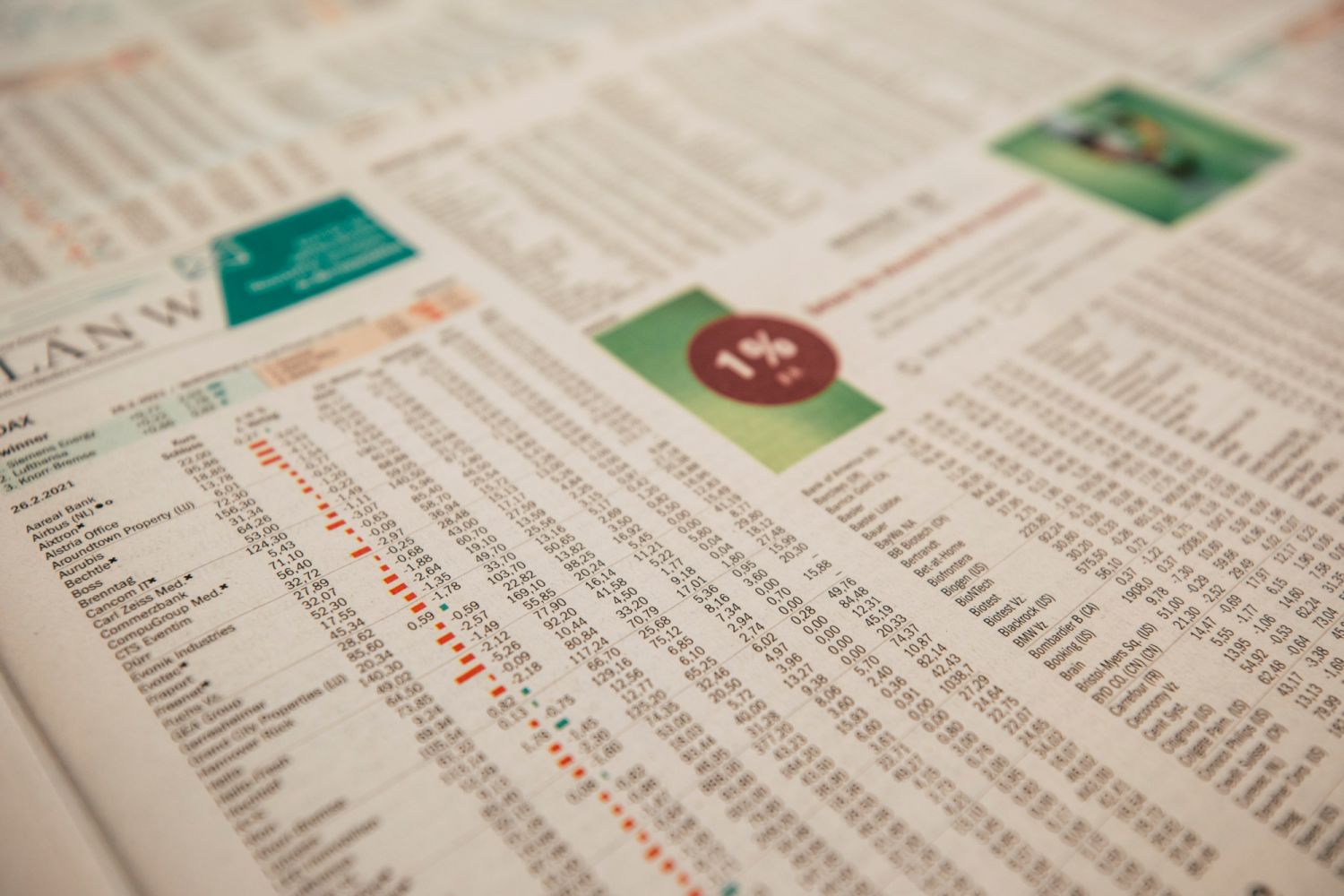
However, ominous dark clouds loom too close for comfort. The Development Budget Coordination Committee (DBCC) has already revised the GDP growth rate expectations downwards from 7-8 per cent to 6.5-7.5 per cent in 2022. Finance Secretary Benjamin Diokno has cited these as dampeners to the economy: quickening inflation (the annual rate is 6.4 per cent as of writing), government debt bloated by pandemic-era spending, and a worsening global outlook as the dampeners.
All of these are not lost on Balisacan, who also served as NEDA Secretary for the late Benigno Aquino III. “External factors are moderating our expectations—the continuing uptick of prices, the oil and basic food items like rice and wheat, including inputs like fertilisers,” he admits. “These are serious concerns. But everywhere else in the world, inflation is picking up, and since our economy is open, small, we are also exposed to the pressure from this economic phenomenon.”
These concerns are crystal clear to Salve Duplito, resident financial advisor and columnist for the Philippine Daily Inquirer. She sees them in “businessmen who seem optimistic during television interviews and industry gatherings [yet] speak in hushed tones during after-work conversations about supply chain worries, the rising prices of food and gasoline, and the lingering dark shadow arising from a pandemic that refuses to go away”.
Above (Photo: Unsplash)
(Photo: Unsplash)
1 / 1
Her current economic picture is more of a mix of “optimism, less negativity, and despair”. A view shared by Arlene Agustin, private banking head of UnionBank. “Some clients are worried about the global situation, the health concerns and geopolitical issues happening simultaneously. Others are more cautiously optimistic, as they expect that market will rebalance itself eventually, hence they can go through the temporary market weakness,” she says.
See also: Why Values Matter in Building Brands and Businesses
But Duplito, who also hosts ANC’s On the Money, adds that the picture can improve “if the strategies that will be employed are indeed geared towards not just faster growth but better-quality growth”. Which is at the core of Balisacan’s economic reforms. “In the short run, the priority is to address high inflation and the socioeconomic scarring inflicted by the pandemic upon vulnerable segments of the population," he says. How does he propose to do this? "Through targeted subsidies and social assistance programmes to help poor households and prevent leakages. The return of face-to-face education and maintenance of minimum public health standards will also be key to addressing the scarring issues. In the medium and long term, the goal is to address the binding infrastructure and regulatory constraints to economic transformation, especially with respect to job creation and to increasing the productivity of our sectors.”
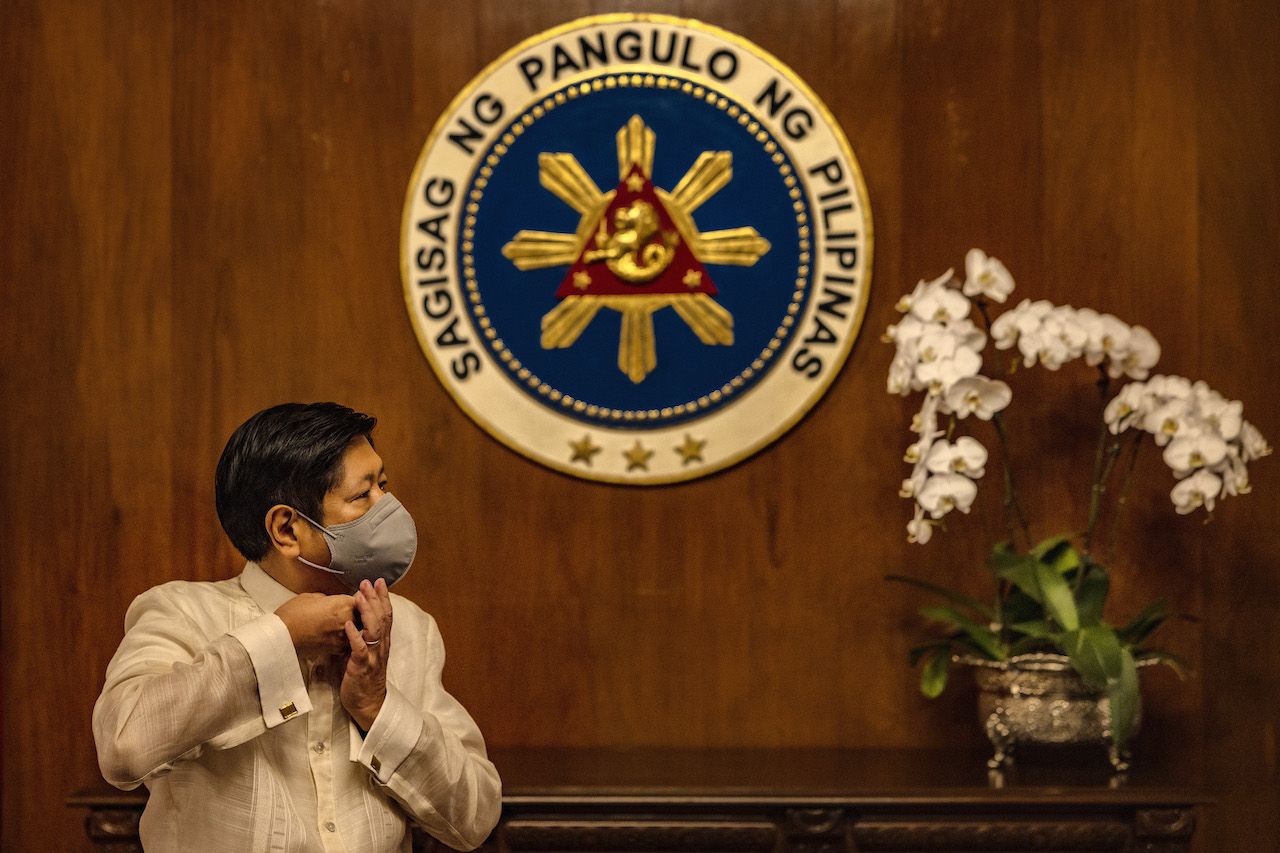
Above MANILA, PHILIPPINES - AUGUST 06: Philippine President Ferdinand "Bongbong" Marcos Jr. prepares to meet U.S. Secretary of State Antony Blinken at Malacanang Palace on August 6, 2022 in Manila, Philippines. Blinken visited the Philippines following House Speaker Nancy Pelosi's tour of Asian allies earlier this week, as China made it clear that her visit to Taiwan was unwelcome and conducted live-fire military drills in response. (Photo by Ezra Acayan/Getty Images)
MANILA, PHILIPPINES - AUGUST 06: Philippine President Ferdinand "Bongbong" Marcos Jr. prepares to meet U.S. Secretary of State Antony Blinken at Malacanang Palace on August 6, 2022 in Manila, Philippines. Blinken visited the Philippines following House Speaker Nancy Pelosi's tour of Asian allies earlier this week, as China made it clear that her visit to Taiwan was unwelcome and conducted live-fire military drills in response. (Photo by Ezra Acayan/Getty Images)
1 / 1
Now there’s the rub. Somehow, the NEDA chief’s reforms play like an old worn-out tune. It’s all been said (but never achieved) before. And yet, Balisacan must be more able than his predecessors to reach this dream. After all, he is known primarily to his colleagues in the UP School of Economics as an expert in achieving inclusive growth, according to Duplito.
He pins his hopes on the powerhouse economic team of this administration. “I have been in government for a long time. I am pleased to say that I can see a commonality in the president’s choices of Cabinet members. Working together, I think, is not a major issue, with the president providing the guidance directive. I see no reason to fail. But I think what is important is that we in the Cabinet, with the president, are mindful of the minimal resources and yet can mobilise these resources strategically.”
Duplito responds, “Everyone is hoping for the president and his newly minted economic team to pull it off despite the trenchant conditions of the day. But businessmen want to know more. They are anxious about the nuts and bolts of the new administration’s economic strategy.”
In this drive towards success, sustaining economic growth is crucial. Mentioning the fact that the Philippine economy has grown in the last 20 years, albeit not as robust as its neighbours, Balisacan says, “We have managed to grow, but the challenge for us is sustaining that growth because for us to reach a developed country status, we must be able to grow on a sustained basis, say 7 per cent a year, just like what [some of] our neighbours have done. They have moved from developing nations to rich nations in one generation.”
NOW READ
The Business of Youtube: How Much do Filipino Vloggers Earn?
What’s a Busy Entrepreneur’s Evening Skincare Routine? Allana Montelibano Spills Her Secrets
Gen.T Intelligence Report: The Value Of Building A Purpose-Driven Business
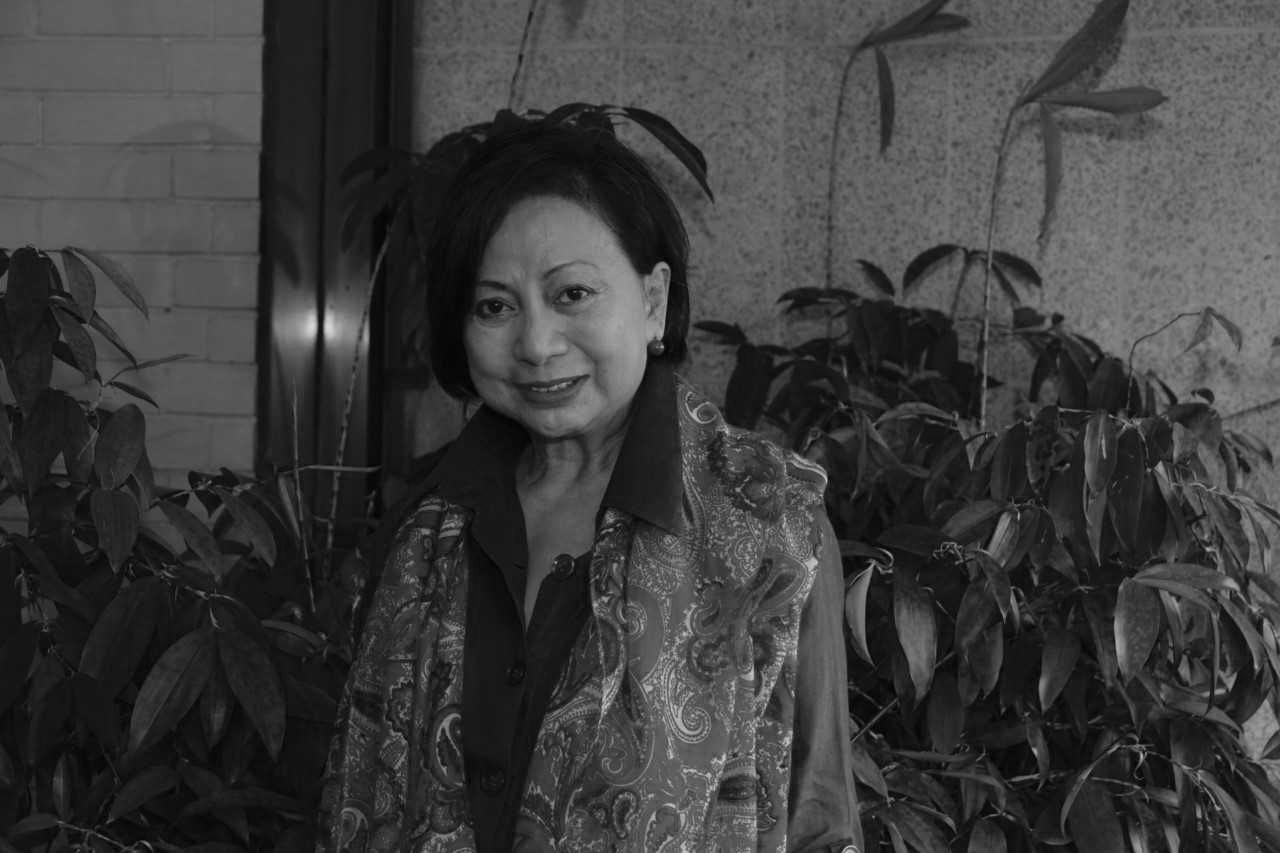
A journalist of more than 30 years, Chit has had varied exposures in this field, both in hard news as well as in soft news, and brings everything she has learnt to the production of the magazine. When not writing or editing, Chit is deeply involved in her chosen service organisation, Rotary International.





