

Cover Coach Benny Price
Coach Benny Price
1 / 1
Fitness coach and founder of Joompa, Benny Price, lets us in on how he stays on track during Ramadan
Whether it's dealing with fluctuating energy levels or scheduling gym sessions around sahur and iftar times, it can be difficult to continue pursuing your fitness goals during the fasting month.
Read more: Food and faith: How do Muslim chefs work while fasting during Ramadan?
From tailoring your nutrition and changing training routines and mindsets, Price shares—in his own words—some insight on how small adjustments and really listening to your body's needs can make a world of difference this month.
Take a look below at his biggest tips to stay fit during Ramadan.
1. Manage your expectations


Above Photo: Pexels

Above Photo: Pexels
Photo: Pexels
1 / 2
The fasting month is not the ideal time to be building muscle. When working around suhur and iftar schedules, it’s tough to train at full intensity, consume enough calories, and get enough sleep, which is an essential combination for muscle growth.
I would instead suggest aiming to maintain your current weight or going into a calorie deficit (burning more calories than you consume) and training with the ‘minimum effective volume’ to lose fat while keeping muscle. If your training got off to a good start this year, you can use this month as a maintenance period.
If your goal is losing fat, exercise is a great way of maintaining your calories. It works twofold: you burn calories by exercising, and while you’re exercising, you’re not consuming calories. For example, if you can head off to the gym immediately after a protein shake and a few dates at suhur, then that’s 30 to 60 minutes of effective distraction from tasty Ramadan fast-breaking treats!
Just focus on getting to the gym each day and training within your energy levels. Look forward to pushing your limits after Eid al-Fitr.
See also: Fitness coach Benny Price debunks 6 myths about home workouts
2. Build a routine that works for you

Above Photo: Pexels
Photo: Pexels
1 / 1
Exercising depends on your energy levels, availability and training preference. You may have to adjust your schedule and your intensity slightly around the new routine this month but there really is no ‘ideal’ time of day to exercise, as long as you do it.
I currently train at 6.30am because it’s the only time that my long-term gym buddy and best friend is able to train. I can hang out with him while getting my training out of the way before the working day begins. Training early also forces me to be punctual with my sleep.
Don't miss: How Datuk Jake Abdullah prioritises fitness in his busy schedule
3. Eating right is key
A sensible approach to mealtimes is essential in getting the right nutrition and consuming the appropriate amount of calories to support your goal.
For example, a fat loss goal can be challenging during Ramadan because of the lack of calories burned during the day. A lot of those fasting struggle with energy throughout the day, resulting in a lower Non-Exercise Activity Thermogenesis (NEAT). Your NEAT is your movement outside of the gym, such as walking, climbing stairs, even household chores.
This is often why, despite not being able to eat for a large part of the day, many people actually put on weight during the fasting month. Fasting is only an effective weight loss strategy if you stay in a calorie deficit. Avoid piling your plate high every evening and consuming a day’s worth of calories in a single sitting when you break your fast in the evening.
Read more: 7 Malaysian fitness influencers to follow on Instagram
4. Stick to nutritious and delicious foods
Above Photo: Pexels
Above Photo: Unsplash
Photo: Pexels
1 / 2
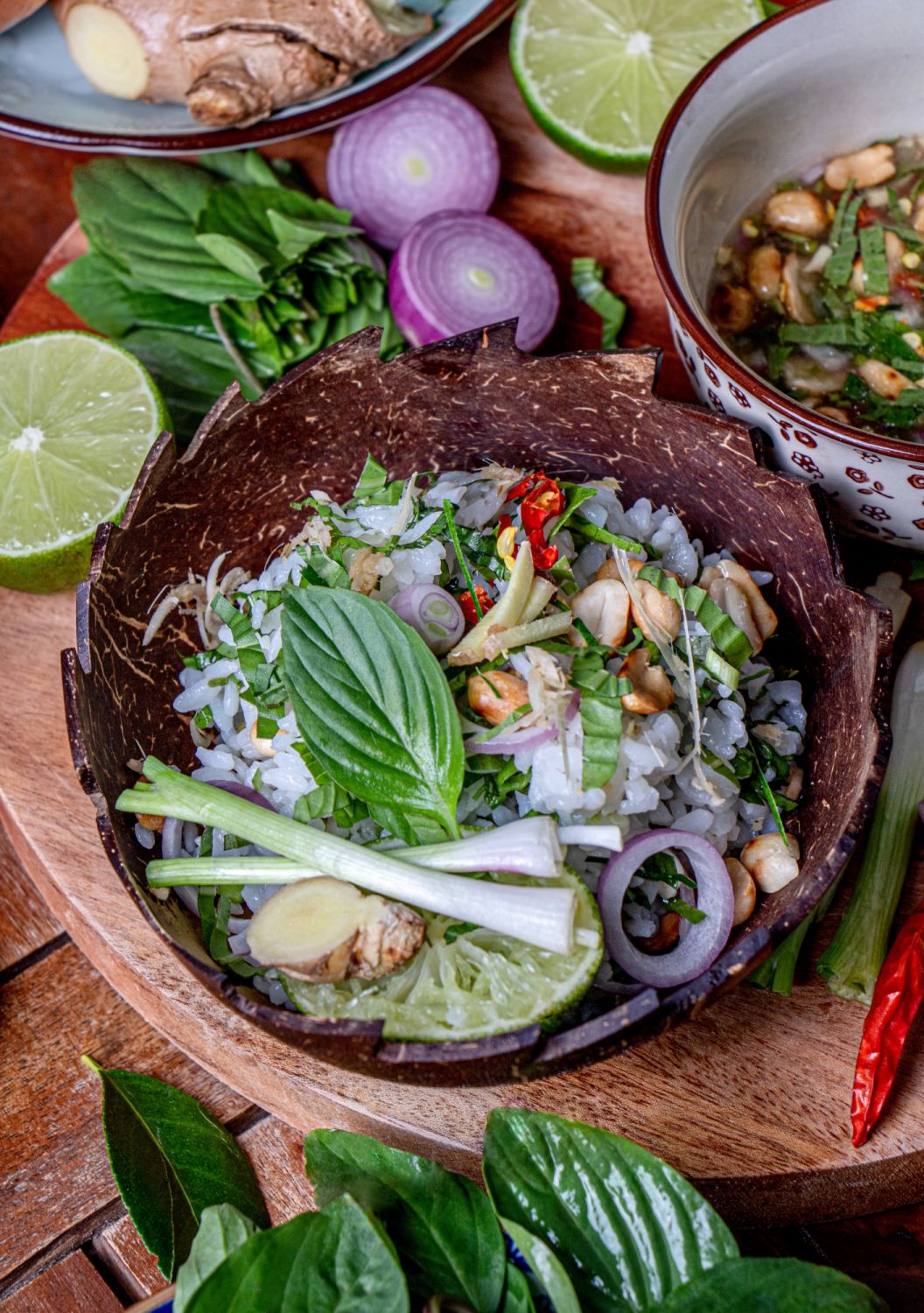
I aim for nutritious and delicious—why compromise one for the other? Identifying such snacks and meals and learning to enjoy preparing them for yourself and others is the key to sustainable nutrition.
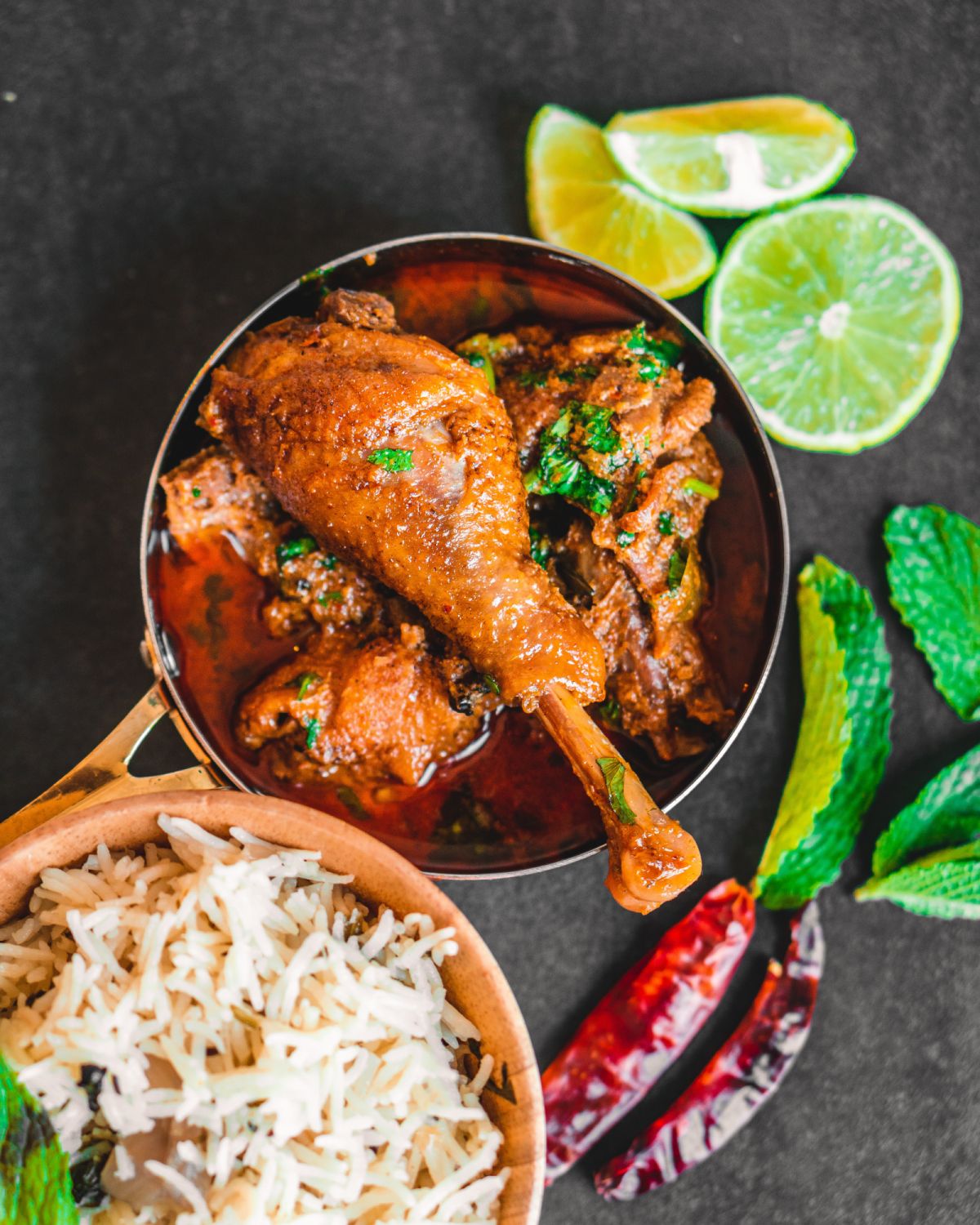
Before and after training, focus on consuming more protein and calorie-dense foods. Stick to satay and ayam percik as much as possible. Try to keep kuih and other snacks to an occasional treat. If you’re getting enough protein on board and doing even half the amount of work you’d normally do when training for maximum performance, you can expect to maintain your strength and muscle mass.
At the other end of the eating window, prioritise a variety of fruits and vegetables over protein.
See also: The best Ramadan bazaars in Malaysia, according to chefs
5. Do your best
To me, motivation has very little to do with exercise. It’s about identity. Ask yourself, why should you have to psych yourself up to get to the gym every single day? What kind of person you wish to be? What kind of life you want to maintain?
Once you can answer those questions, it becomes easier to stay committed to your goals. That doesn’t mean I’m perfect. Of course I’ve chosen to take a rest instead of going for a run and I regularly treat myself to the yummy things in life but I’m aware of those choices and comfortable with where they fit into my lifestyle and identity.
NOW READ
5 high-tech fitness gadgets to upgrade your workout
Ili Sulaiman on how fitness is part of her PCOS journey
These Malaysian health brands will help you de-bloat and detox
Topics

Based in Kuala Lumpur, Zue Wei Leong is the senior style writer at Tatler Malaysia. Read her stories on the latest in fashion, beauty and jewellery or follow her on Instagram at @fshnbrnr.





