

Cover Eraserheads
Eraserheads
1 / 1
Has the digital age killed the analogue stars? We do not think so! Hang onto your vinyls and cassettes, Tatler will take you back in the 90s
In the '90s, when you grow grim about the mouth, the closest thing you have to music is either a heap of vinyl records or a discman—primitive, yes, but people in the era witnessed a brand new period in pop. Dive bars and concert grounds were cramped and everybody wanted a glimpse of the country's biggest rock stars.
Alternative rock music is defined as the "umbrella term for underground music that emerged in the wake of the punk rock movement in the mid-'80s." It gives music a slightly unconventional touch in such a way that it rejects the commercialism of mainstream culture.
In the Philippines, a new era of alternative rock was ushered in by different bands. The '90s had Parokya ni Edgar, Teeth, Sandwich, Wolfgang, Rivermaya, and, the band that became a cultural phenomenon, Eraserheads.
In case you missed it: "We Can Do Anything": Why Ely Buendia Says It's Important To Support OPM
Eraserheads Define Rock n' Roll
The commercial success of Eraserheads paved the way for more Filipino rock bands to flourish. Perhaps what contributed to its strong social and cultural impact was the easy-to-follow melody and raw storytelling of its frontman Ely Buendia. In 1993, the band started recording its debut album Ultraelectromagneticpop! Which featured their chart-topping tracks "Pare Ko", "Toyang", "Ligaya", and "Tindahan ni Aling Nena". In the same year, the album became a smash hit with an estimated 300,000 sold copies.
The following year in October 1994, the 'Heads immediately released a follow-up album entitled Circus which was remastered in 2019, just in time for their 25th anniversary.
On November 24, 1994, the rock band held its first major concert titled "Eraserheads Jamboree", an event that catapulted their songs "Kailan", "Magasin", "Alapaap", and "With a Smile" further into the music scene.
The band's talent made it impossible for them to break free from the grips of success and the eyes of the crowd. In fact, some of their songs were starting to become controversial "Alapaap", for example, was criticised for allegedly promoting drug abuse. In 1995, Senator Tito Sotto, who was a staunch anti-drug advocate, called for a ban on the airplay and sales of the song.
Their song "Spoliarium" has been associated to the alleged rape and suicide of teenage star Pepsi Paloma in the 1980s. Buendia would later dismiss speculations saying that "the myth sort of took over the facts."
Related: Are we Filipinos Because We Love Music, or Do We Love Music Because We are Filipinos?

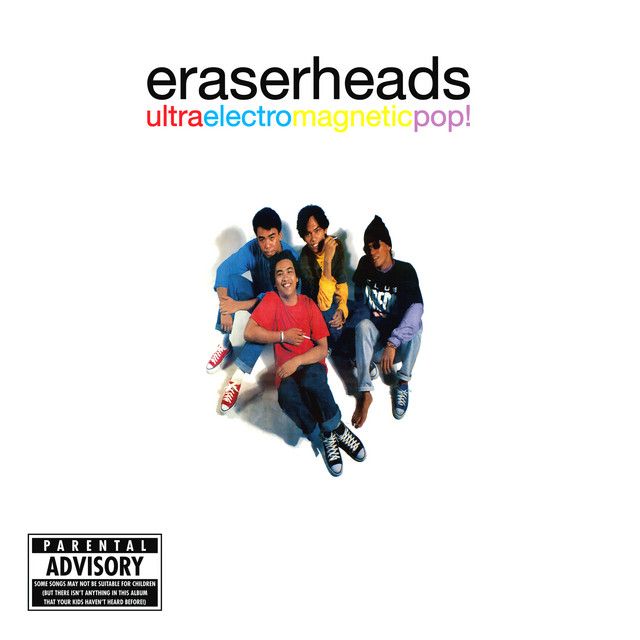
Above The cover of Ultraelectromagneticpop! album
The cover of Ultraelectromagneticpop! album
1 / 1
The group came out with their third studio album Cutterpillow in 1995. The album is notable for being the first and only Eraserheads album entirely recorded in the English language. In 1996, it hit the gold record even before being launched in record stores.
Raw, evocative, and most of the time theatrical, the band has undeniably embedded its influence on Filipino pop culture. The stories it has given light to inspired a league of garage bands in the '90s to strum their guitar, take centre stage, and perpetuate the rise of alternative rock.
More from Tatler: Learn Music Online: Where To Study Piano, Guitar, Drums, And More
Rock Thrives in Modern Time
The modern age did not kill our analogue stars, and this is what Buendia repeatedly stressed in his podcast interview with Jamie Wilson.
"[Analogue, radio, and digital platforms] They all have their own strengths; I don't exactly prefer one over the other. When digital blew up, I really appreciated it for what it was and what it offered in terms of convenience in recording and the consumption of music; it was all very utopian," Buendia explained.
"But of course, there's always a flip side to everything. I think one of the bad effects of everything going digital is that anyone can just whip out a song and put it out there in an hour or two [but] it does not necessarily mean that the song is going to be good. It's just overly saturated now, and I think it's bad."
"Digital has not supplanted the radio; as a matter of fact, I still get a little excited when I hear my songs or any of Offshore's artists' songs played on the radio," he added.
Tatler Trivia: Offshore is an independent record label founded by a mix of businessmen and musicians in 2016.
The Heroes Don't Rest

Above (Photo: Brent Keane/Pexels)
(Photo: Brent Keane/Pexels)
1 / 1
The rock bands of the '90s remain relevant to this day. While some of their members have taken off to new careers, joined new bands, and tried different genres, there are those like Parokya Ni Edgar and Rivermaya that come together from time to time to make songs that let people experience all sorts of emotions.
Today, alternative rock continues to live through brand new artists who reap what the legends have sown.
NOW READ
Pulitzer Prize 2022: All the Winners For Books, Drama and Music

Jove holds a degree in Journalism and is currently pursuing graduate studies in Philosophy at the University of the Philippines–Diliman. She has flair for in-depth, interview-driven stories that explore politics and culture, shaped by her background in national broadsheets.
When she’s not on assignment, Jove spends her days painting, sipping lemonade, and walking her dog, Jupiter. She can often be seen in Escolta with a film camera in hand, browsing novelty shops in search of rare memorabilia. For leads, reach her at Jove@tatlerphilippines.com.





