

Cover In this interview, Mark Kennedy Rocas shares how the flute became his lifelong companion (Photo: Giann Carlo Potente)
In this interview, Mark Kennedy Rocas shares how the flute became his lifelong companion (Photo: Giann Carlo Potente)
1 / 1
A portrait of Mark Kennedy Rocas, who finds purpose in the flute and sees every performance as a chance to inspire
Playing the flute came almost by default as there were few instruments in Mark Kennedy Rocas’s house growing up. But what was once just proximity soon became purpose.
Growing up in Cavite, he joined the local Sta Cecilia Band 89 and the Philippine Youth Symphonic Band before studying at the Philippine High School for the Arts and later at the UP College of Music. It was his scholarship with CCP that proved pivotal—not just a lifeline but a turning point. “I wasn’t very motivated with school before,” he admits. “But the audition changed everything.” Suddenly, music offered a reason to keep going.
Despite his numerous performances, accolades and training under international artists, he remains hesitant to name a proudest moment. “None,” he says. “Enough is not enough.” For Rocas, each concert brings its own joy, its own kind of light. “There will always be people willing to help,” he says. “But you must help yourself first.”
Learn more about Rocas below.
More from Tatler: Adrian Nicolas Ong on how passion and imagination shaped his journey as a violinist


Above A portrait of Mark Kennedy Rocas (Photo: Giann Carlo Potente)
A portrait of Mark Kennedy Rocas (Photo: Giann Carlo Potente)
1 / 1
How did you begin playing the flute, and what first attracted you to music?
Mahaba po eh. Pero sige. Nung bata ako, inggitero po ako sa ate at kuya ko. Ang layo kasi ng agwat namin—mga nine at 11 years old na sila, ako bunso. ‘Pag pumapasok sila sa school, naiinggit ako. Sabi ko, “Gusto ko rin pumasok.” Kaya tuwang-tuwa ako no’ng ako rin nag-aral. Tapos, nung nag-music sila, siyempre nainggit din ako. Tinuruan ako ng mama ko ng basic solfège at piano. Sa bahay, iilan lang ang instrumento: oboe at flute ng ate ko, at trombone ng kuya ko. Eh hindi ko maabot ‘yong trombone noon, kaya napunta ako sa flute. Bago ako mag-flute, naglalaro kami ni mama. Kasi wala akong kalaro. Ang laro namin ng nanay ko ay solfege at piano.
(It’s a long story. But when I was young, I always envied my older siblings. There’s quite a big gap between us—they were nine and 11, and I was the youngest. When they went to school, I would get jealous and say, “I want to go to school too.” So I was thrilled when it was finally my turn. Later on, when they studied music, of course, I wanted to do the same. My mum taught me basic solfège and piano. At home, we only had a few instruments: my sister’s oboe and flute, and my brother’s trombone. But I couldn’t reach the trombone. That’s how I ended up with the flute. Before I played the flute, my mum and I would “play” together, because I didn’t really have playmates. We’d play the solfège and piano.)
Could you tell us about your scholarship at the Cultural Centre of the Philippines? What are you doing now, and how did you receive it?
‘Yong scholarship ko sa CCP, halos nawalan na ako ng pag-asa mag-aral noon. Ang dami kong in-email, wala namang sagot. Pero nagpa-audition sila, at awa ng Diyos, nakapasa ako. At natuloy.
(With my CCP scholarship, I had almost given up on studying. I sent so many emails but received no replies. Then they held auditions, and by God’s grace, I passed. That’s how it continued.)
What would you say is your proudest achievement so far in your career as a flutist?
Wala po. (laughs) I mean, syempre proud naman tayo sa lahat ng ginagawa natin, sa mga milestones, scholarships, projects. Pero para sa akin, hindi pa sapat. Hindi dahil greedy ako, pero mas mataas yung pangarap ko. Hindi naman ako nag-aaral para lang sa sarili ko, kung hindi para sa bayan. Kaya hangga’t wala pa akong mas malinaw na ambag, hindi ko pa matatawag na “achievement” ‘yon.
(None. Of course, I’m proud of everything I’ve done—the milestones, scholarships and projects. But for me, it’s not enough. It’s not because I’m greedy, but because my dream is bigger. I don’t study just for myself, but for the country. Until I can make a clearer contribution, I can’t really call it an “achievement.”)
Is there a performance you remember that opened many opportunities for you?
Marami po. Lahat naman ng performance may kanya-kanyang saya at kanya-kanyang liwanag. At siyempre, mas maraming opportunities, mas malawak ang network. So ‘yung mga malalaking events sa CCP, sa NAMCYA (National Music Competitions for Young Artists), solo concerts o kahit chamber music with friends—masaya lahat ‘yon kasi kahit sa maikling sandali, nakaka-inspire ka ng ibang tao. Kahit damdamin lang yung mabago mo sa isang tao, malaking bagay na yun.
(There are many. Every performance has its own joy and its own light. And of course, the more opportunities, the wider the network. The big events at CCP, at NAMCYA, solo concerts or even chamber music with friends—they’re all fulfilling because even for a brief moment, you’re able to inspire someone. Even if you only move a single person’s feelings, that’s already something important.)
How has your classical training shaped you as an artist, in terms of discipline and creativity?
‘Yon yung mahirap i-explain kasi hindi ko siya nakikita as training. Para sa akin, parang laro lang siya. Mahirap lang kasi kami noon. Kaya yung flute, naging laro ko. ‘Pag malungkot ako, tutugtog ako. ‘Pag masaya ako, tutugtog ako. Kaya kahit laro lang, nandoon yung discipline at consistency. Kasi kahit nag-eensayo ka, kailangan ng disiplina.
Pero hindi sapat yung tutugtog ka lang. Kasi oo, mai-inspire mo sila, pero pagkatapos nun, ano? Kaya mas fulfilling sa akin yung workshops—doon mo naibibigay hindi lang inspiration kundi direction, discipline at knowledge.
(That’s a bit hard to explain because I don’t see it as training. For me, it was like play. We didn’t have much back then—so the flute became my toy. When I was sad, I played. When I was happy, I played. Even though it felt like play, there was discipline and consistency. Because even when practising, discipline is needed.
But just playing is not enough. Yes, you might inspire someone, but after that, what then? That’s why workshops feel more fulfilling—because there, you can offer not only inspiration but also direction, discipline and knowledge.)
Related: Kaila Estrada never thought she’d end up here—now she’s one of TV’s brightest stars
Above In this interview, Mark Kennedy Rocas shares how the flute became his lifelong companion (Photo: Giann Carlo Potente)
In this interview, Mark Kennedy Rocas shares how the flute became his lifelong companion (Photo: Giann Carlo Potente)
1 / 1
What challenges have you faced as a flautist, and how did you overcome them?
Faith at perseverance. Kapag hindi ko na kaya, laging may tumutulong. Halimbawa, muntik na akong sumuko noon pero dumating ang scholarship sa CCP. Sabi nga ng kuya ko nung bata pa ako, may poem na Don’t Quit. Pwede kang magpahinga, pero huwag susuko.
(Faith and perseverance. Whenever I felt I couldn’t go on, there was always someone who helped. For example, I almost gave up before, but then the CCP scholarship came. As my brother used to say when I was young, there’s a poem called Don’t Quit. You can rest, but don’t give up.)
Who are your biggest influences in music?
Ang dami. Nanay ko, kasi kung hindi siya nagturo sa akin, hindi ako magiging ganito. Mga kapitbahay na Pinoy musicians. Sir Enrique Barcelo—dating prof ng UP at UST at Principal ng PPO—siya nag-encourage na mag-audition ako sa Philippine High School for the Arts.
Malaki rin ang tulong ng Philippine Symphonic Band, Young Musicians Development Organisations, Inc at mga teachers sa UP. Pati sponsors na tumulong sa akin kahit ako mismo parang hindi ko kayang tulungan ang sarili ko. Kaya hindi talaga puwedeng sumuko, kasi andaming naniwala at sumuporta.
(So many. My mum, because without her teaching me, I wouldn’t be where I am. Our neighbours who were Filipino musicians. Sir Enrique Barcelo—a former professor at UP and UST, and Principal of the PPO—he encouraged me to audition for the Philippine High School for the Arts.
The Philippine Symphonic Band, the Young Musicians Development Organisation, Inc and my teachers at UP also helped me a lot. Even sponsors supported me when I felt I couldn’t support myself. That’s why giving up was never an option—so many people believed and supported me.)
Aside from classical music, are there other genres you would like to explore?
Hindi naman ako mapili. Pero Jazz siguro. Kasi maraming elements sa Jazz na rooted kay Bach. Improviser kasi si Bach, kaya kapag nag-aaral ka ng music niya, parang may connection sa Jazz. Hindi sila gano’n kalapit, pero may relationship sila. Kaya gusto ko ring mag-explore doon. Pop din, masaya rin. Hindi naman po talaga ako namimili. Depende sa programme na tutugtugin, basta coherent at concise.
(I’m not very choosy. But perhaps Jazz. There are many elements in Jazz that are rooted in Bach. Bach was an improviser, so when you study his music, you feel a connection to Jazz. They’re not that close, but there’s a relationship. That’s why I’d like to explore that too. Pop as well—it’s fun. I don’t really limit myself. It all depends on the programme, as long as it’s coherent and concise.)
You mentioned in another interview that your personal life and life as a flautist are almost inseparable. Could you explain this?
Wala akong ibang alam kung hindi ang flute. Kapag tinanggal mo ang flute, wala na ako. Parang gano’n. Hindi naman sa ginugol ko ang buong buhay ko sa flute, pero ‘yon lang talaga alam ko. Isip-bata pa rin ako pagdating sa pagtugtog—masaya lang, laro lang… Kaya hindi ko rin masasabing hiwalay ang personal life kay flute life—magkarugtong sila.
(I don’t know anything else apart from the flute. If you take away the flute, there’s nothing left of me. It’s not that I devoted my entire life to it, but it’s the only thing I truly know. When it comes to playing, I still have a childlike spirit—it’s fun, it’s like a game. That’s why I can’t say that my personal life and my flute life are separate—they’re intertwined.)
Is there a piece you always return to for inspiration or comfort?
Depende sa panahon, depende sa pagkakataon. Pero madalas, bumabalik ako kay Bach. Nakakatuwa kasi kapag inaaral mo, nakikita mo kung paano nagko-connect ang lahat ng nangyayari sa music niya. Minsan mahilig ako sa Mozart—sa mga solo pieces. Minsan ‘yong mga orchestral works, like Beethoven, Brahms, depende.
(It depends on the time and the situation. But often, I return to Bach. It’s wonderful because when you study his music, you see how everything is connected. Sometimes I enjoy Mozart, especially his solo pieces. At times, orchestral works like Beethoven and Brahms. It really depends.)
NOW READ
The making of Anthony Jennings: on grit, gratitude and growth
Stamina, trust and truth: Gabby Padilla on the lessons that shape her performances
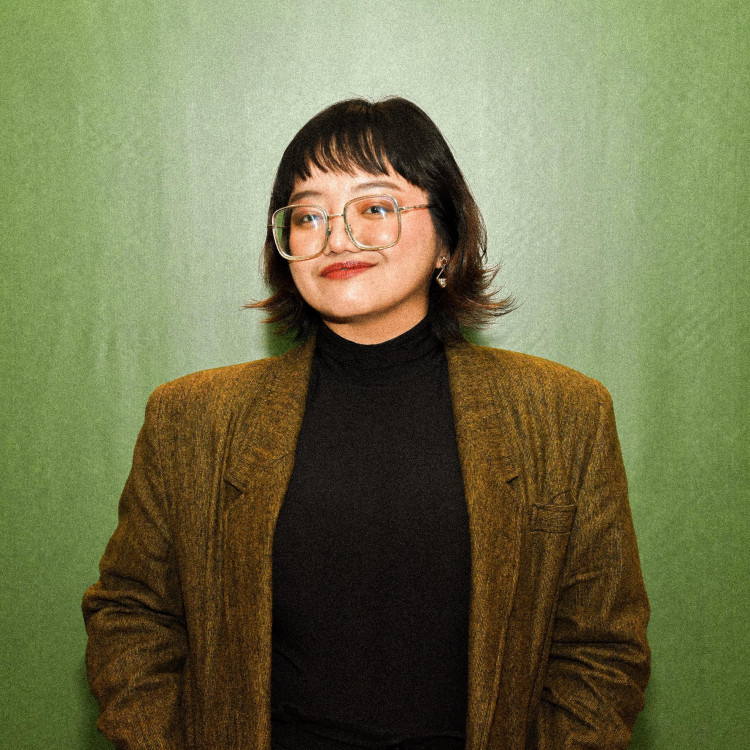
Angela Nicole Regis Guiral is a digital editor at Tatler Philippines. She studied journalism and has since written features that look closely at how culture, lifestyle and social impact converge, while occasionally wandering into the worlds of style and travel.





