

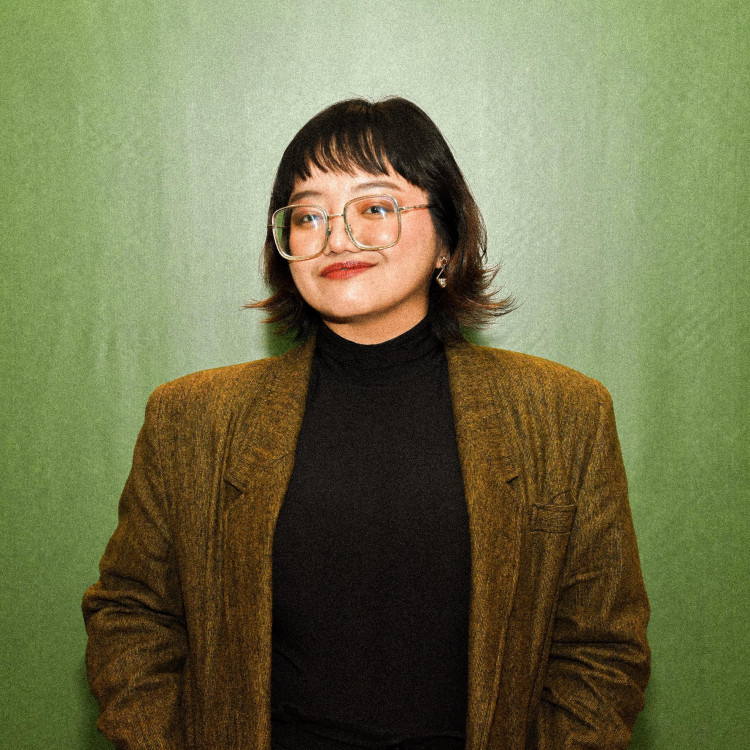
Cover For Sheena Belarmino, success in theatre comes from heart, humility and the desire to make audiences feel seen and heard (Photo: Sace Natividad)
For Sheena Belarmino, success in theatre comes from heart, humility and the desire to make audiences feel seen and heard (Photo: Sace Natividad)
1 / 1
In the Philippines’ performing arts scene, Sheena Belarmino shares how theatre became her brave space—shaping her voice, artistry and confidence on and off the stage
She was the youngest in the room, at eight years old, when drafted into an ensemble cast to complete the numbers for a rock musical. What might have been a one-off turned into something lasting for Sheena Belarmino, then a shy but eager performer, who held her own among older, more seasoned castmates.
Outside the theatre, she was already forging a name in the public eye: first as a quarter-finalist on Dance Kids, then as a grand finalist on Tawag ng Tanghalan Kids and Your Face Sounds Familiar Kids, where she became the most awarded contestant of the season. That same instinct now fuels her work onstage, most recently in PETA’s One More Chance: The Musical, where she played Tricia—Popoy’s second great love—at just 18. It was also only her second theatre production in Manila.
“Theatre is my brave space,” she says. “It healed my inner child... it gave me back my courage to go back and live the dream that was given back to me.”
Discover more about her in the interview below.
More from Tatler: How Lea Salonga found her voice—and made space for her son’s


Above Sheena Belarmino maintains that her work hinges on consistency—never letting her energy, voice or emotions spike too high or drop too low, especially in live theatre (Photo: Sace Natividad)
Sheena Belarmino maintains that her work hinges on consistency—never letting her energy, voice or emotions spike too high or drop too low, especially in live theatre (Photo: Sace Natividad)
1 / 1
How did your journey into theatre begin?
It started when I was 8 years old. My dance coach at that time needed one more dancer to complete the ensemble of a rock musical. Honestly, I was too young to be part of the production, but they saw the potential in me. From then on, I was interested in doing more acting. I joined some productions; whether it was in English or Bisaya, I was willing to do it all. As a young dreamer who was finding her niche in the performing arts, theatre was that kind of art medium where I get to hold and feel me. It made me feel more in touch with what I actually want to do in the future.
Was there a production or role that you consider your breakthrough moment on stage? What made it special?
It was PETA’s One More Chance: The Musical. It was my seconf theatre production here in Manila. I did not expect that my version of Tricia would be loved by everyone. At 18, portraying a ‘mature’ character wasn’t on my bucket list because it’s been a while since I did theatre and I still considered myself a newbie in the industry. So, I was surprised that everyone saw my potential to do Tricia. I prepared a lot for the role because I want to give her justice. She made me realise how love can really change you as a person. Being passionate about someone or something makes you want to live life with purpose, even if things get rough.
What have been some of the most challenging moments you’ve faced onstage?
For me, it’s stamina; consistency in every performance I do. From energy, vocals and emotions, nothing should dip or go overboard. That’s why I prioritise my physical and mental health to make sure I’m steady and always ready to perform, especially in live theatre.
More from Tatler: Elijah Canlas is curating his legacy on screen, one meaningful role at a time
Who or what has shaped your approach to the craft—any mentors, performances or philosophies that deeply influenced you?
The actors, directors and crew I’ve worked with in the past have inspired me to grow in theatre and to love performing even more. I feel so honoured whenever I get to watch or share the stage with them, doing the thing we love. There was a point in my life when I lost my spark for performing, which is why I’m truly grateful to have found my way back to theatre. Somehow, returning to the stage healed my inner child—it gave me the courage to live the dream that had been handed back to me. Theatre is my brave space.
The theatre community feels like a warm hug, making me more at ease in accepting who I truly am as an artist and as a person, flaws and all. Of course, there’s pressure—it’s part of the experience and a reminder not to grow complacent—but it’s never about pushing too hard. It’s about aiming to be better and greater, without letting negativity in.
How do you navigate vulnerability in live performance, especially when tackling emotionally intense scenes?
It’s about having control over what is reel and what is real. Your mind knows you’re acting, but your body can still respond as if it’s happening for real. After intense emotional scenes, I make a point to release the feeling—whether that’s patting myself on the back, hugging someone, or having a good cry so it doesn’t stay in my system. A big example for me was when I played Natalie Goodman in Next to Normal with The Sandbox Collective. That character stayed with me, and I found it hard to shake her off. That’s why having a strong support system is so important, people you can release the tension and emotions to. I also recommend stress relievers—plushies, fidget toys—anything that helps you let go.
With theatre evolving post-pandemic, what changes or trends are you most excited (or cautious) about in the local scene?
As someone still quite new to theatre, and with most of my experience being in musicals, I’ve recently grown very interested in straight plays. It’s such an honour whenever I get the time and opportunity to watch them—I have so much admiration for the actors, the directors and, of course, the stories themselves. They keep me on my toes in a different way. I’m so used to having instrumentals to support the emotion, but with straight plays, it’s just you—your body and your emotions. That’s why I’m excited to watch more and, hopefully, manifest my way into being part of one in the future.
Do you have a dream role, playwright or production you hope to be part of in the near future?
Hadestown and Spring Awakening are my dream productions, and I’d love the chance to play the female leads—Eurydice and Wendla. I’d also be thrilled to be part of a Filipino historical musical in the future, portraying strong Filipina women, and it would be amazing to take on straight plays as well. Honestly, I’m open to anything. I love a challenge—it keeps me alive.
How do you keep your performances fresh, especially when doing long runs or repeat shows?
Be actively present—tune in to your castmates. Yes, stick to what you’ve rehearsed, but keep discovering new things while you’re on stage, just don’t get carried away. Finding sustainable acting choices is also essential, especially in emotional scenes. I have a tendency to slip into autopilot, and that’s a big no-no, so I’ve learned to focus and keep my mind in the right place. When you’re in the theatre, the show is your priority; once you step out, it’s time to return to reality.
What advice would you give to aspiring stage actors who are just beginning to find their voice?
Don’t be too hard on yourself—that’s advice I often hear from my castmates and crew. There’s nothing wrong with giving your best on stage, because you should, but at some point you have to learn to let loose, let go and discover. Learn to appreciate yourself. Deliver your lines, notes and steps by heart, and always remember: don’t be selfish. As a theatre artist, your goal is to move people, to let them feel everything. Through you, they should feel seen and heard.
NOW READ
Much-anticipated Filipino production of Stephen Sondheim’s ‘Into the Woods’—is it worth the hype?
‘Weapons’ blends the structure of ‘Magnolia’ with supernatural terror
Why Emilio Daez left his corporate job—and how it led to his first lead role
Angela Nicole Regis Guiral is a digital editor at Tatler Philippines. She studied journalism and has since written features that look closely at how culture, lifestyle and social impact converge, while occasionally wandering into the worlds of style and travel.





