

Cover Filipino and American prisoners of war marched from Mariveles to San Fernando. This march was named the Bataan Death March because of the high number of brutal and gruesome deaths along the road at the hands of the Japanese (Photo: Bettmann Archive/Getty Images)
Filipino and American prisoners of war marched from Mariveles to San Fernando. This march was named the Bataan Death March because of the high number of brutal and gruesome deaths along the road at the hands of the Japanese (Photo: Bettmann Archive/Getty Images)
1 / 1
As we commemorate the lives of unsung heroes who fought on the ‘Araw ng Kagitingan’ or the Day of Valour, Tatler sums up everything that happened in the Philippines this day several years ago
The story of the Fall of Bataan remains a devastating tale. It is not a story ripped from fiction books but a tragedy engraved in the dark pages of history. The Day of Valour, also known as the Araw ng Kagitingan, commemorates the Filipino and American soldiers who stood up against Japanese forces during World War II.
On April 9, 1942, Luzon Force, Bataan commander Major General Edward P King, Jr, surrendered more than 76,000 of his starving and disease-ridden troops (64,000 Filipinos and 12,000 Americans) to Japan.
As captives, the soldiers were forced to endure the infamous 140-kilometre Bataan Death March to Camp O'Donnell in Capas, Tarlac. Along the way, thousands died due to famine, heat prostration, untreated wounds, and wanton or execution-style murder.
Historians believe that only 54,000 of the 76,000 prisoners were able to reach Camp O'Donnell. The exact number of deaths and escapees was difficult to assess.
Read also: A dose of history: The glory days of Philippine society before World War II


Above Filipino and American prisoners of war marched from Mariveles to San Fernando. This march was named the Bataan Death March because of the high number of brutal and gruesome deaths along the road at the hands of the Japanese
Filipino and American prisoners of war marched from Mariveles to San Fernando. This march was named the Bataan Death March because of the high number of brutal and gruesome deaths along the road at the hands of the Japanese
1 / 1
The Plan
The Japanese planned to move the captured soldiers to Camp O’Donnell, a place that they turned into a prison. During the march, soldiers were placed into boxcars in San Fernando. Men who could not fit in were forced to walk.
Camp O’Donnell was later closed, and the imprisoned soldiers were transferred to the Cabanatuan prison camp to join the prisoners of war from the Battle of Corregidor.
The Hardships
The Philippines’ surrender to Japan led to the world’s worst atrocities in modern warfare. The Japanese troops did not provide food and water to their captives; as a result, many soldiers became weaker and started to fall behind the group.
Those who fell behind were beaten and killed. Those who were not lucky enough were driven over by trucks and other army vehicles.
Read also: International Dance Day Fest returns to Circuit Makati this April 2026
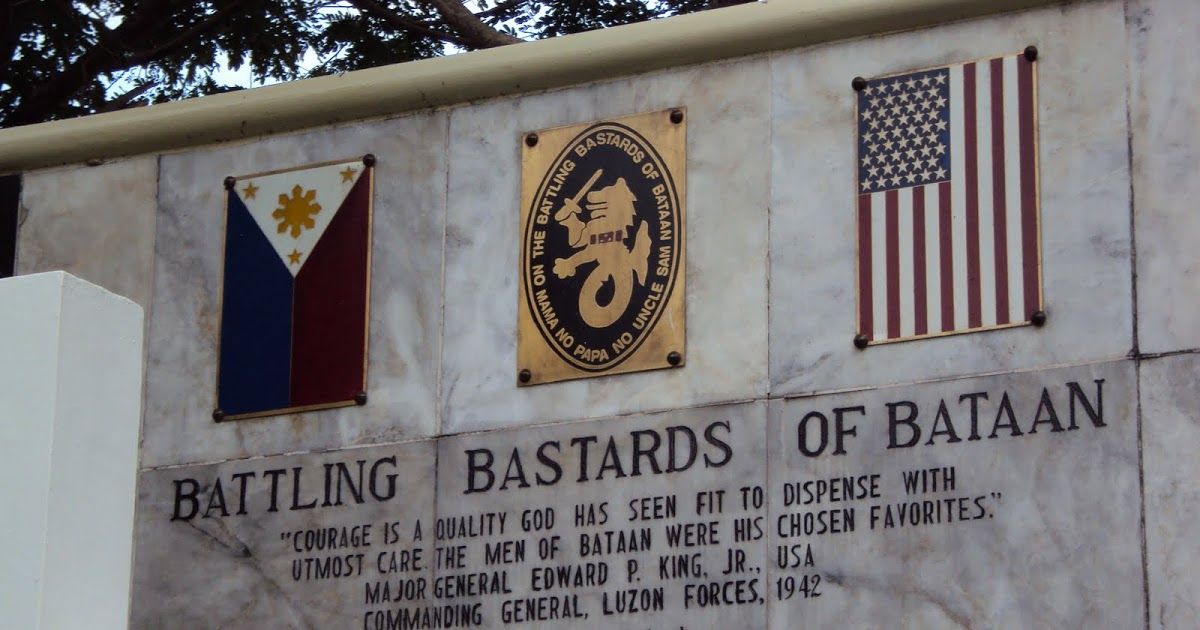
Above Photo: courtesy of Harley Ride to Nowhere
Photo: courtesy of Harley Ride to Nowhere
1 / 1
Soldiers Rescued
The march lasted for six days. The prisoners who survived were only rescued in early 1945 during the Raid at Cabanatuan.
Bataan Day is also remembered in the U.S.
Maywood, Illinois, a small western suburb of Chicago, is the hometown of the members of the 192nd Tank Battalion, a US Army unit that participated in the Battle of Bataan. The town marked the second Sunday in September as Maywood Bataan Day.
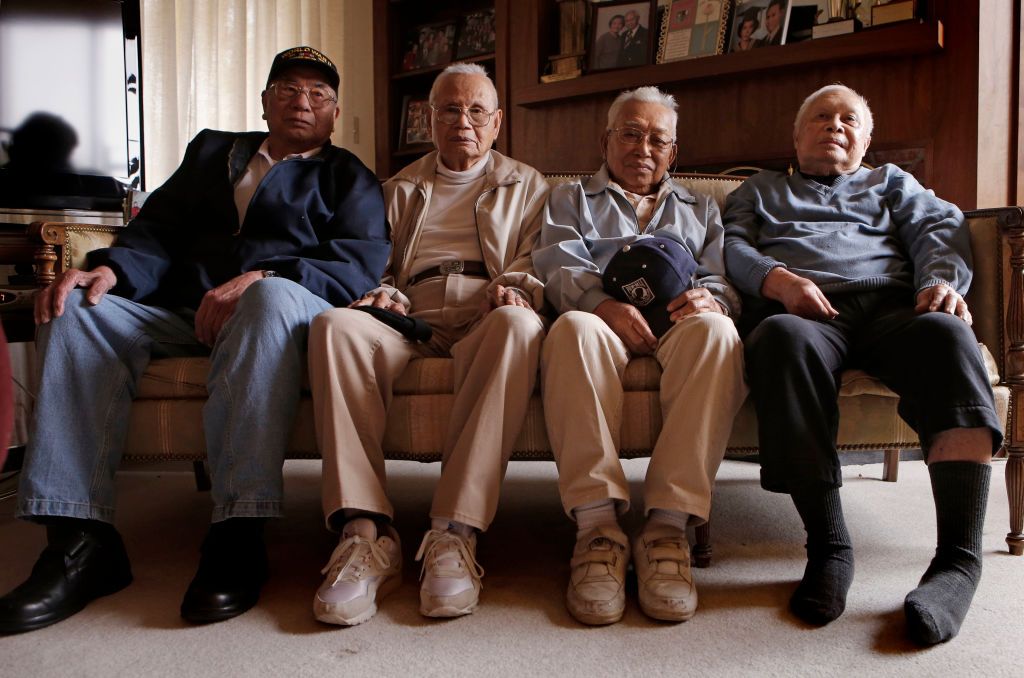
Above All former prisoners of war during World War II Pedro PIneda, Proculo Bualet, David Tejada and Luis Gaerlan Jr. as seen on Thursday May 22, 2014, in San Francisco, Calif. Pineda, Tejada and Gaerlan are survivors of the Bataan Death March of 1942. Bualet is a POW survivor, captured on Corregidor. A talk with survivors of the Bataan Death March of 1942 (Photo: Michael Macor/San Francisco Chronicle via Getty Images)
All former prisoners of war during World War II Pedro PIneda, Proculo Bualet, David Tejada and Luis Gaerlan Jr. as seen on Thursday May 22, 2014, in San Francisco, Calif. Pineda, Tejada and Gaerlan are survivors of the Bataan Death March of 1942. Bualet is a POW survivor, captured on Corregidor. A talk with survivors of the Bataan Death March of 1942 (Photo: Michael Macor/San Francisco Chronicle via Getty Images)
1 / 1
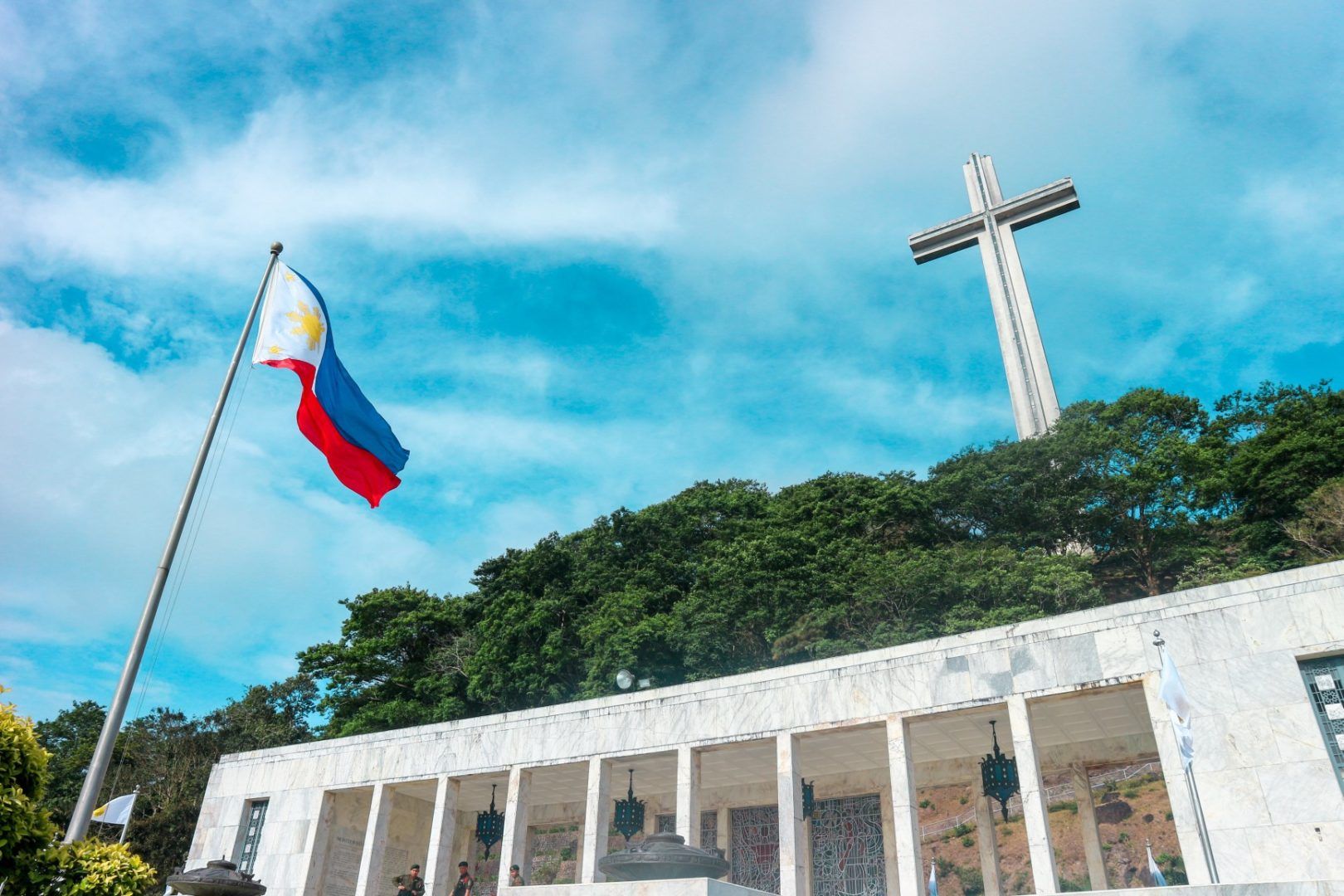
Above Photo: courtesy of The Jerny Travel and Inspiration
Photo: courtesy of The Jerny Travel and Inspiration
1 / 1
Araw ng Kagitingan
Under Republic Act 3022, the Day of Valour was officially a Filipino holiday. Passed by Congress in 1961, the law states that part of the observance for Bataan Day is a moment of silence among citizens and public offices at 4.30 pm.
NOW READ
How reclaiming the self-portrait became a strategy for cultural agency in contemporary art
Infinite Cantina’s ‘Saglit Lang’ tackles mentorship and theatre accessibility
Encore Theater stages ‘Miranda & Yolanda’, a twin bill examining the cost of power
Topics

Jove holds a degree in Journalism and is currently pursuing graduate studies in Philosophy at the University of the Philippines–Diliman. She has flair for in-depth, interview-driven stories that explore politics and culture, shaped by her background in national broadsheets.
When she’s not on assignment, Jove spends her days painting, sipping lemonade, and walking her dog, Jupiter. She can often be seen in Escolta with a film camera in hand, browsing novelty shops in search of rare memorabilia. For leads, reach her at Jove@tatlerphilippines.com.





