
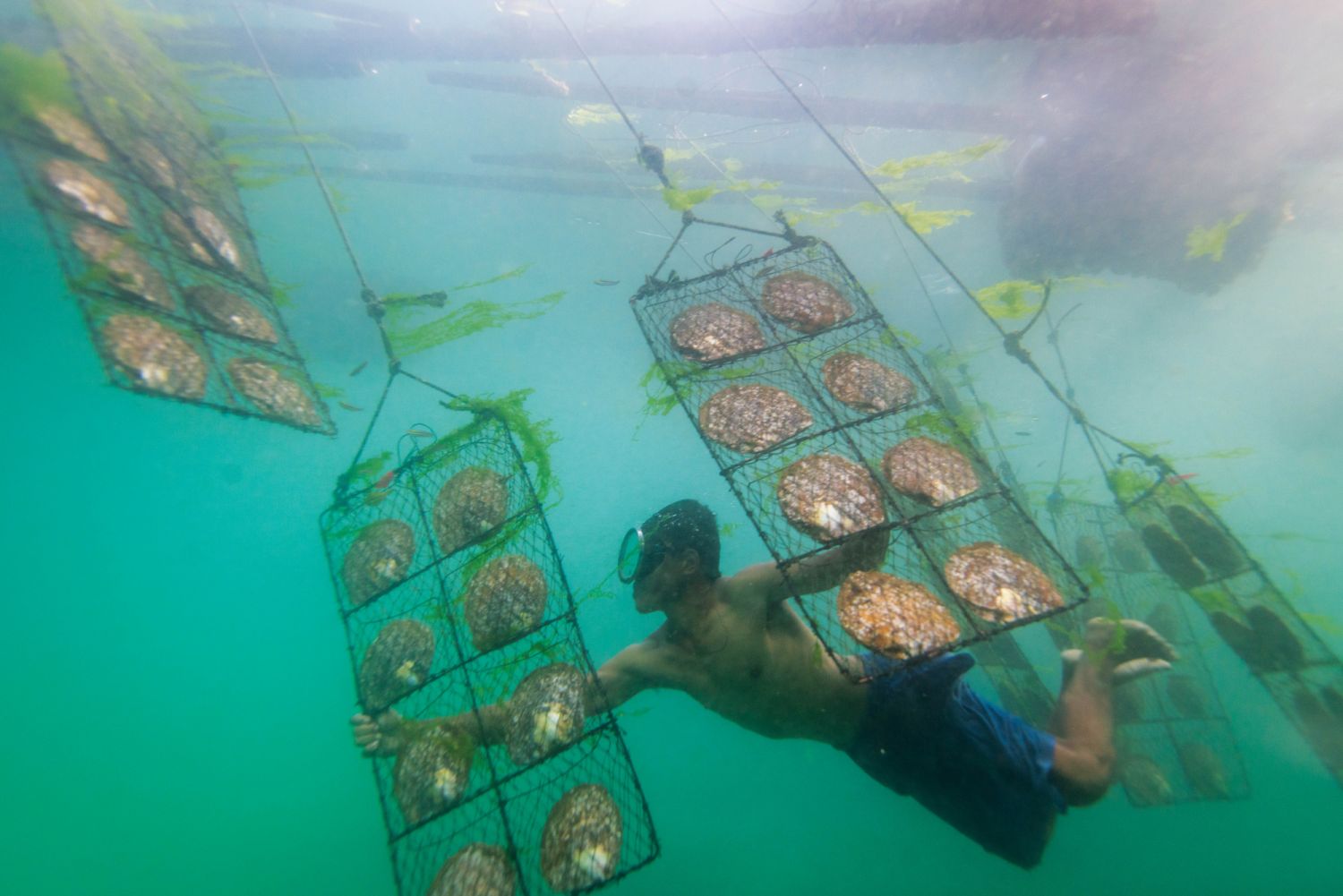
Cover A Sama man checks on farmed pearls (Sulu)
A Sama man checks on farmed pearls (Sulu)
1 / 1
Visually stirring images by photographer Jacob Maentz in his book 'Homelands' spotlight our race, culture and heritage, and bring pride to who we are as a nation and as a people
In 2003, the American documentary photographer Jacob Maentz came to the Philippines as a Peace Corps volunteer to survey the marine life of Palawan and teach environmental education. But he stayed on, doing conservation work in the country. In 2011, he visited a tribe in Isabela province, the Agtas; this started a commitment to tell the story of indigenous people through powerful photographs that show who they really are.
Chronicling this story has spanned over a decade now and produced thousands of photographs. More than enough material to publish a book.
Read also: Why Is Filipino Cuisine One Of The Richest Food Cultures In The World

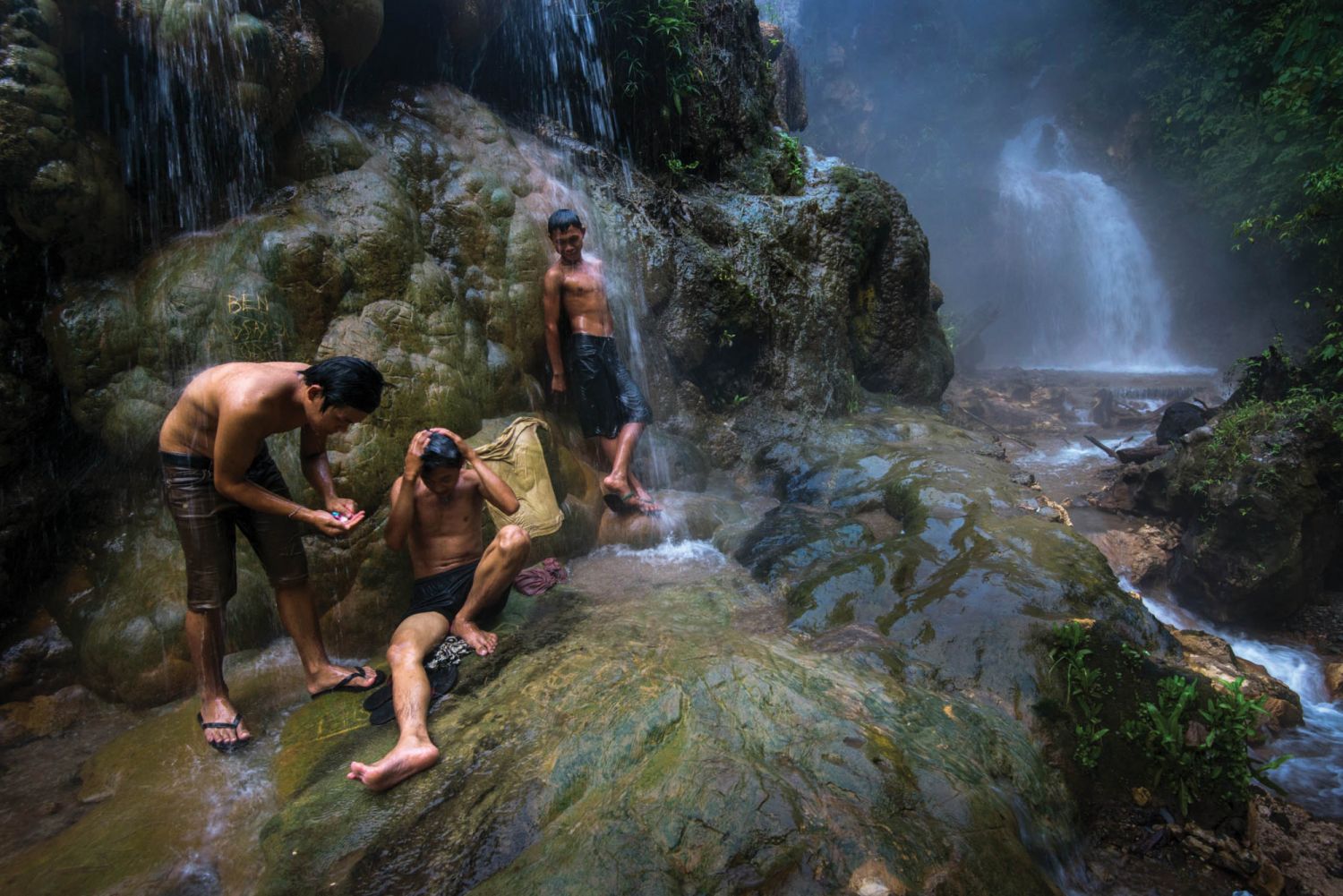
Above Mansaka boys taking an afternoon bath in the Mainit Hot Spring, considered the birthplace of the first Mansaka man, Inangsabong, who created the
different Mansaka settlements
still present today
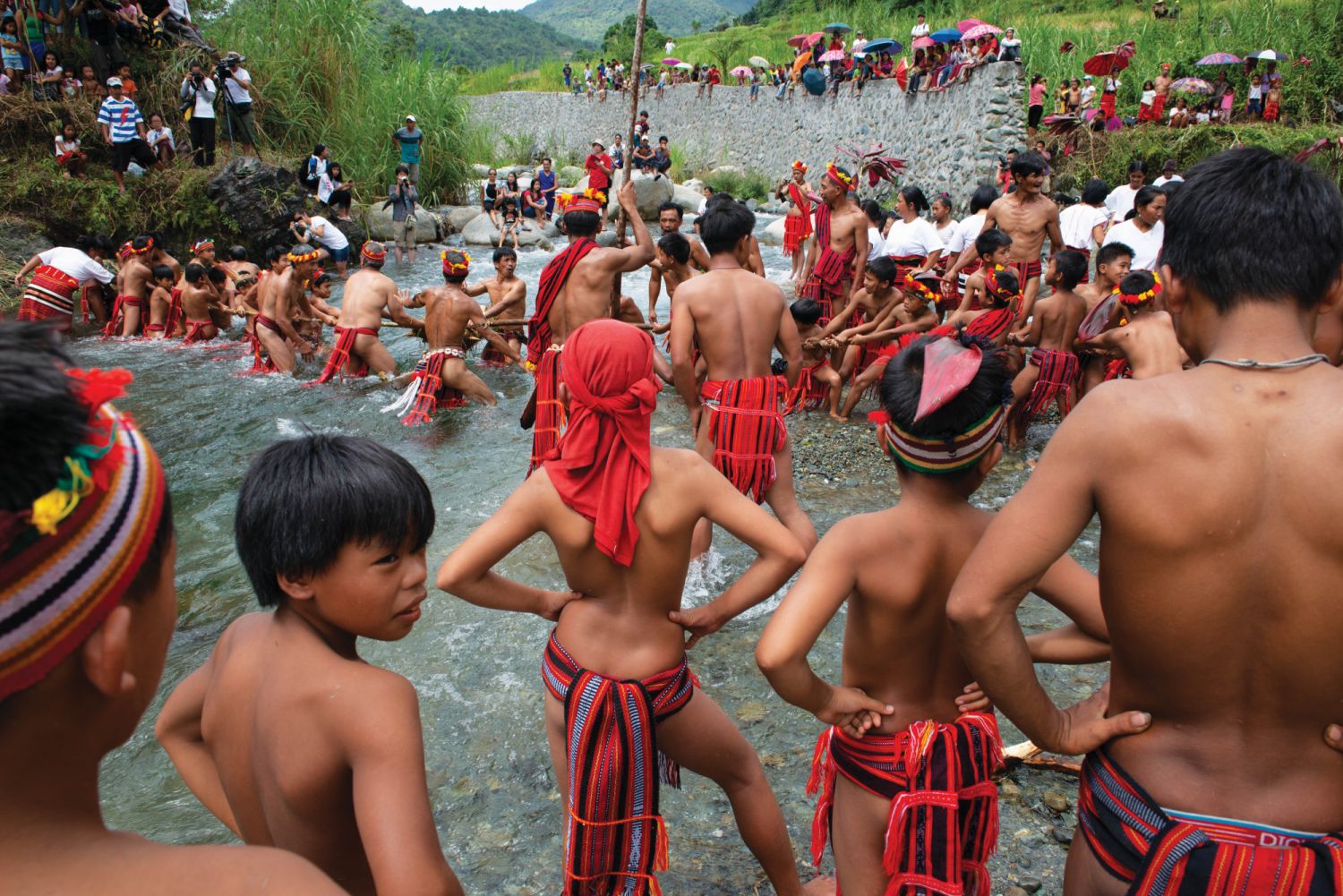
Above The annual punnuk, a festival to celebrate the end of the rice harvest (Ifugao)
Mansaka boys taking an afternoon bath in the Mainit Hot Spring, considered the birthplace of the first Mansaka man, Inangsabong, who created the different Mansaka settlements still present today
1 / 2
“The idea of putting a book together was something I contemplated many times throughout the weeks and months I spent with communities. A book always seemed like a good medium, a place where these photos could live, not as individual images, but as part of a cohesive narrative and in physical form. I wanted to create something that would allow for both discovery and reflection, and a space where deeper conversations about the Indigenous struggle for land and self-determination can begin,” Maentz said in the newly launched Homelands.
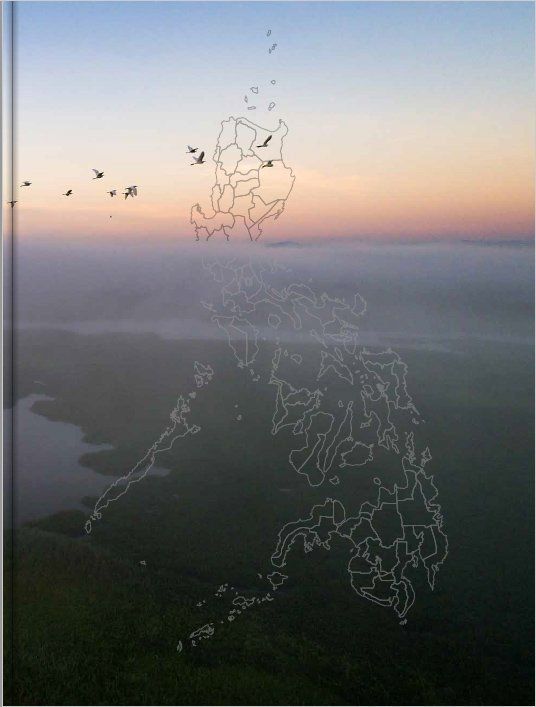
Above Homelands, with the Philippine map debossed on the cover and cover text only on the spine and back cover
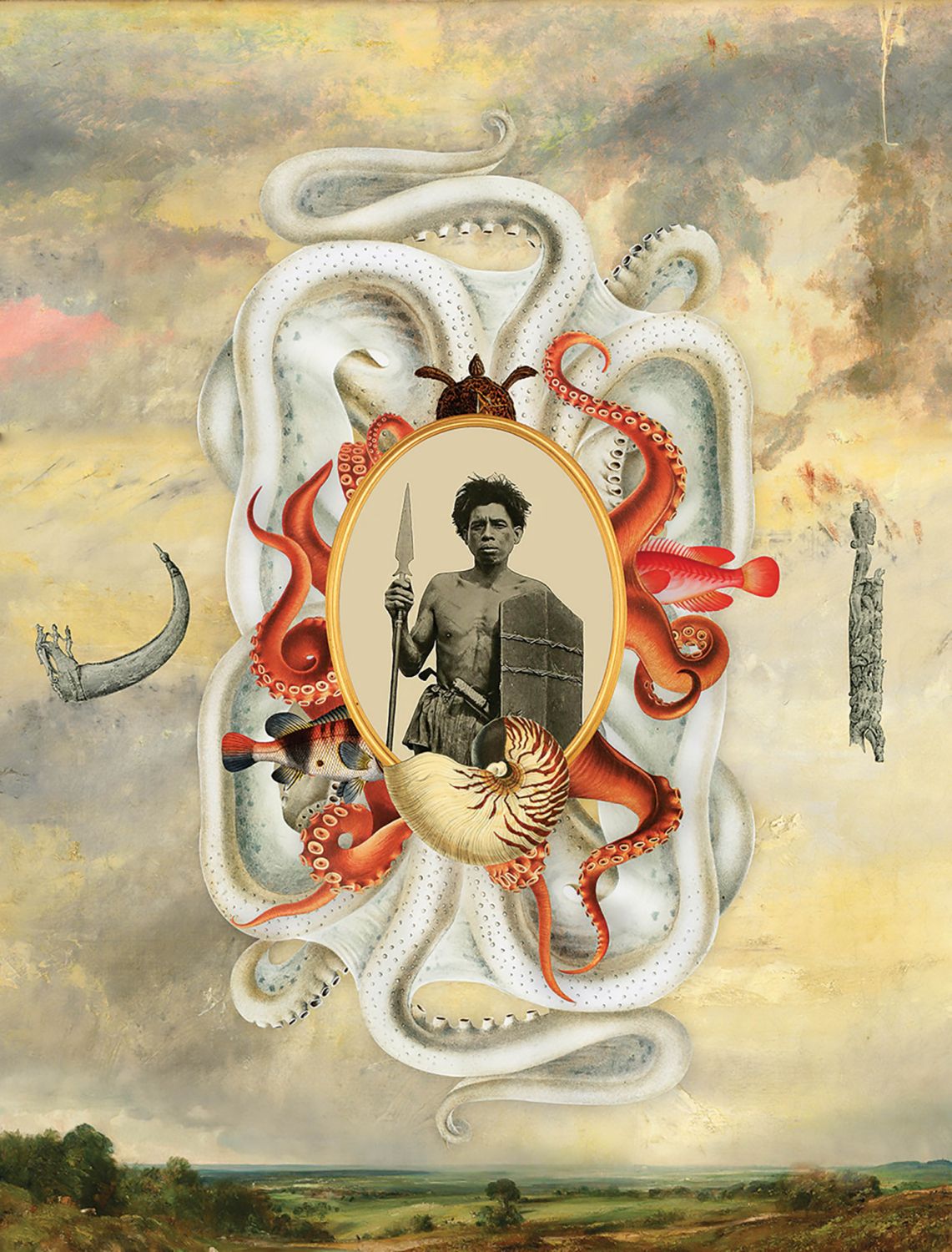
Above Original collage art by artist Kristine Caguiat
Homelands, with the Philippine map debossed on the cover and cover text only on the spine and back cover
1 / 2
In over 300 pages, Maentz and his creative team (writers and editors Nicola Sebastian, Gabriel Malvar, Neen Sapalo and Anna Canlas; artists Kristine Caguiat, Cian Dayrit, Raxanne Maniquiz and Jo Tanierla; researcher manager Saree Gloria; photo editor Mike Davis; lithographer Sebastiaan Hanekrootbook; and book designer Sybren Kuiper) put together 218 photographs and 18 essays. The compendium, according to principal writer Sebastian, “reflects on indigeneity as cultural identity, rallying banner and multitudinous question”.
Immersing himself in the world of the indigenous people, this graduate of conservation biology from Colorado State University says that the amazing diversity among different indigenous groups in the Philippines “is a beautiful thing that should be celebrated.” He noticed that, for instance, “different languages can be found from one valley to the next only separated by a mountain”. To Maentz, this “shows that the peoples adapted to their natural environments over time creating languages and cultures completely different”. And concluded, “that the resilience of our ecosystems actually relies on the diversity of our cultures”.
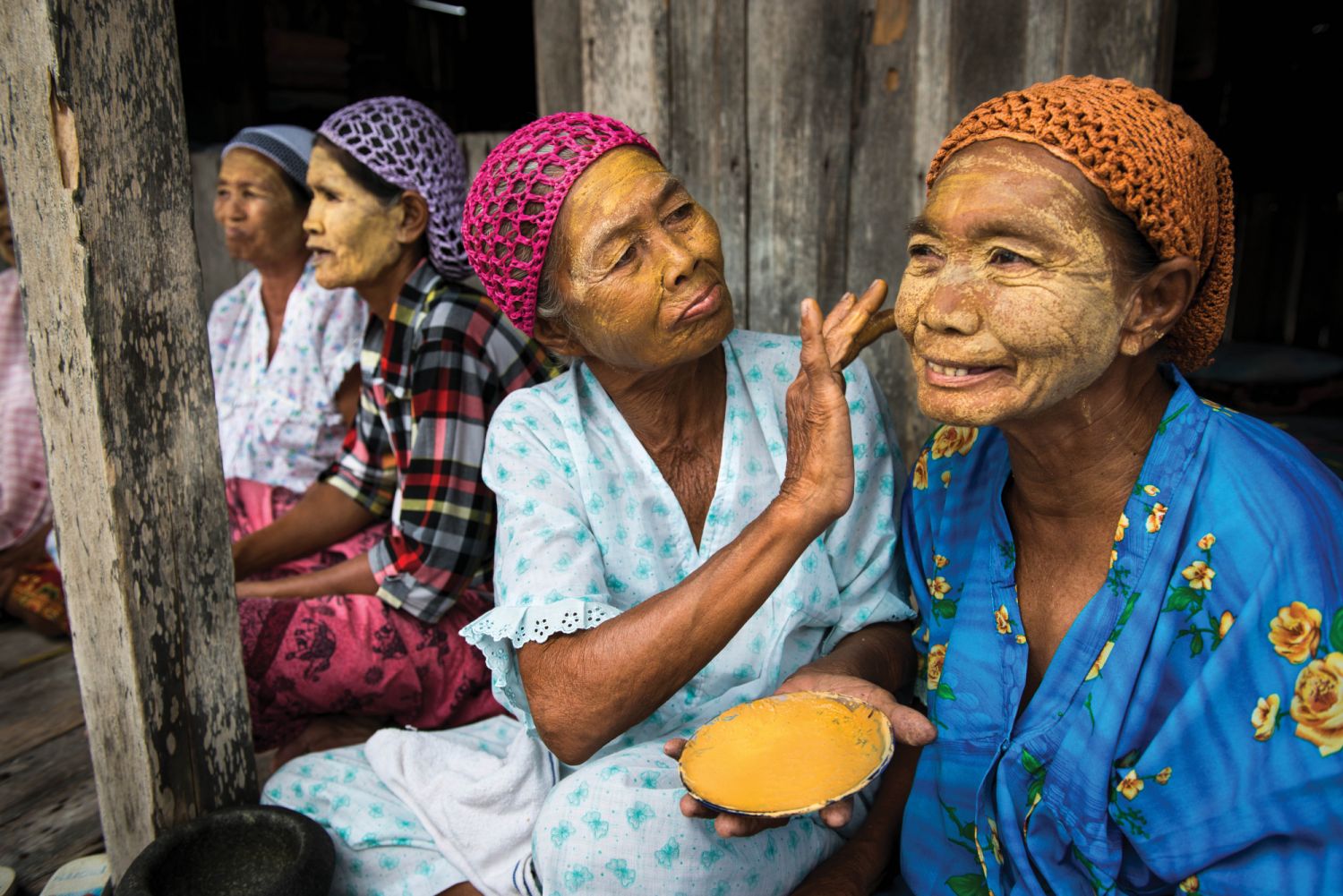
Above Sama-Bajau women
apply burak, a natural paste
made from pounded rice,
turmeric and other ingredients
for beauty and sun protection
(Tawi-Tawi)
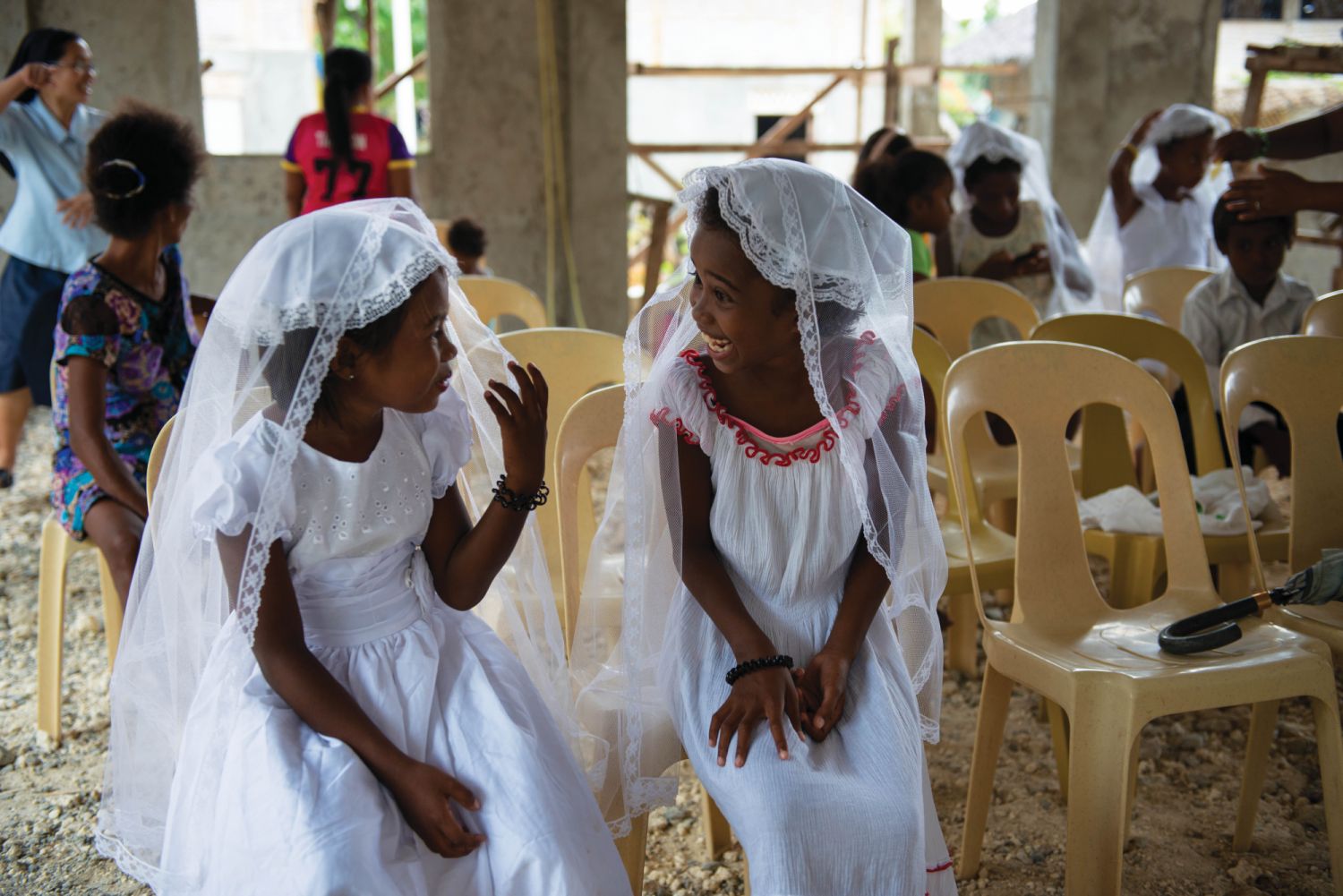
Above Ati children prepare for their
holy communion on Boracay
island
Sama-Bajau women apply burak, a natural paste made from pounded rice, turmeric and other ingredients for beauty and sun protection (Tawi-Tawi)
1 / 2
And yet, the six-foot self-taught photographer found a common thread. He says that “although indigenous communities are diverse in their ways and knowledge, a strong sense of community and relationship with the land is something they share.” This indigenous relationship with the land is the common thread throughout Homelands.

Above Agta children
play makeshift basketball
(Isabela)
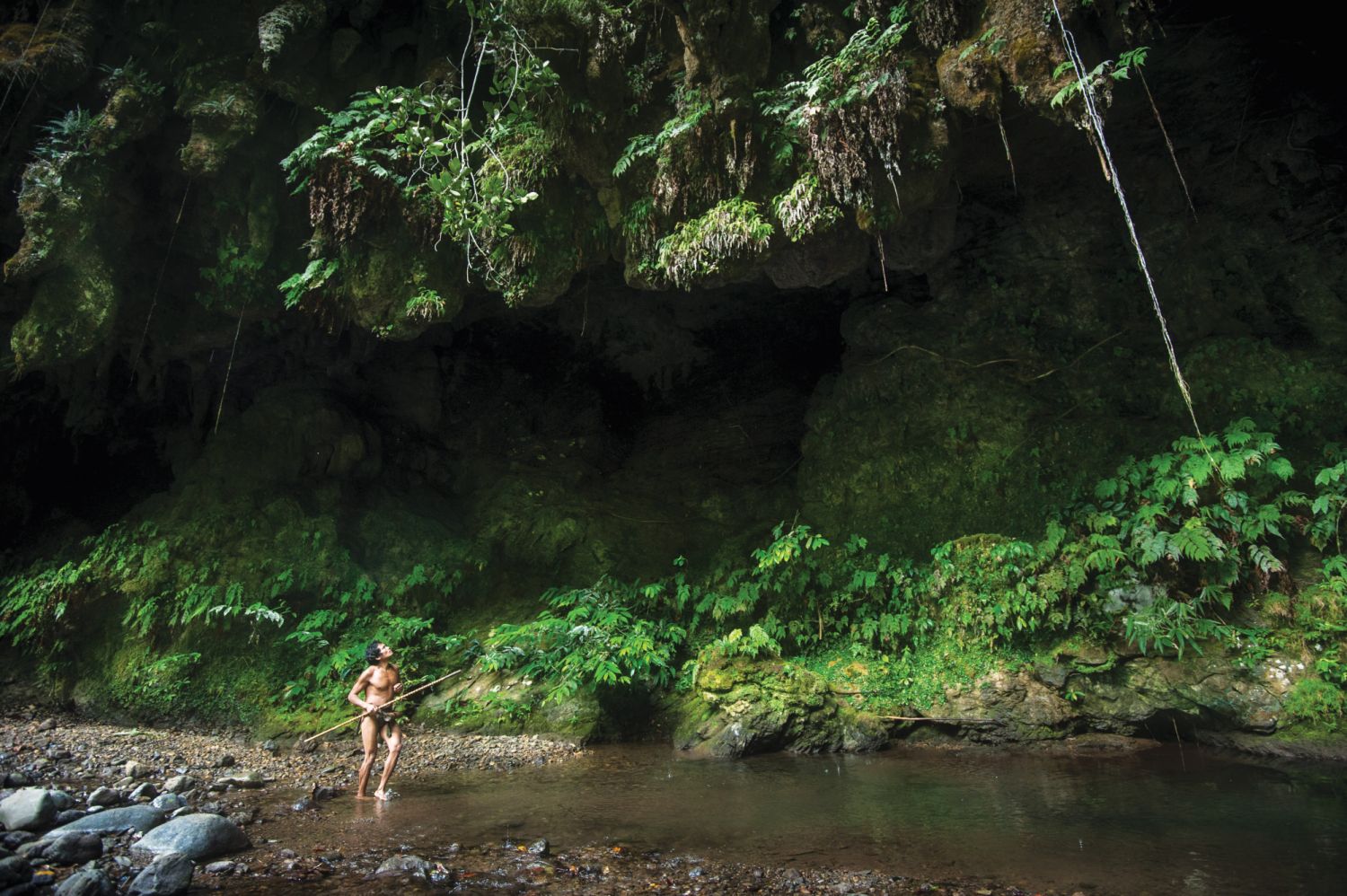
Above Tumihay, a Tau’t Bato man, walking along the entrance to a large cave looking for birds and other prey to hunt (Palawan)
Agta children play makeshift basketball (Isabela)
1 / 2
The book describes Maentz as “the type of photographer who, as the subject sharpens into focus, fades into the background”. First, he makes the indigenous people comfortable around him. Next, he makes them understand his intention and seeks permission to shoot. Last, he validates his intentions by showing them his photos and writing. Many times, he is invited into communities or asked to join special occasions.
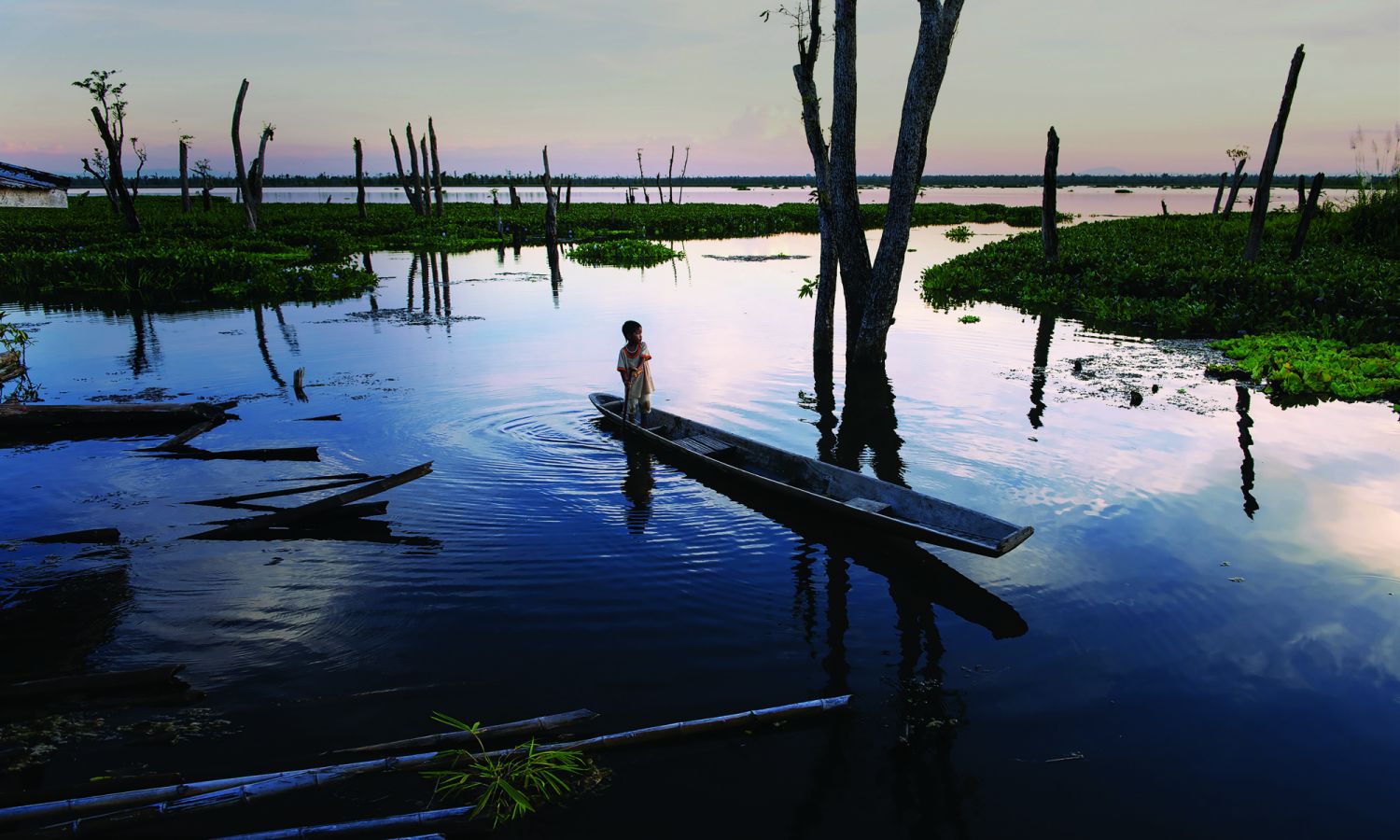
Above Travelling by baroto (outrigger-less hand-
carved wooden canoes) is the
primary form of transportation for the Agusan Manobo (Agusan del Sur)
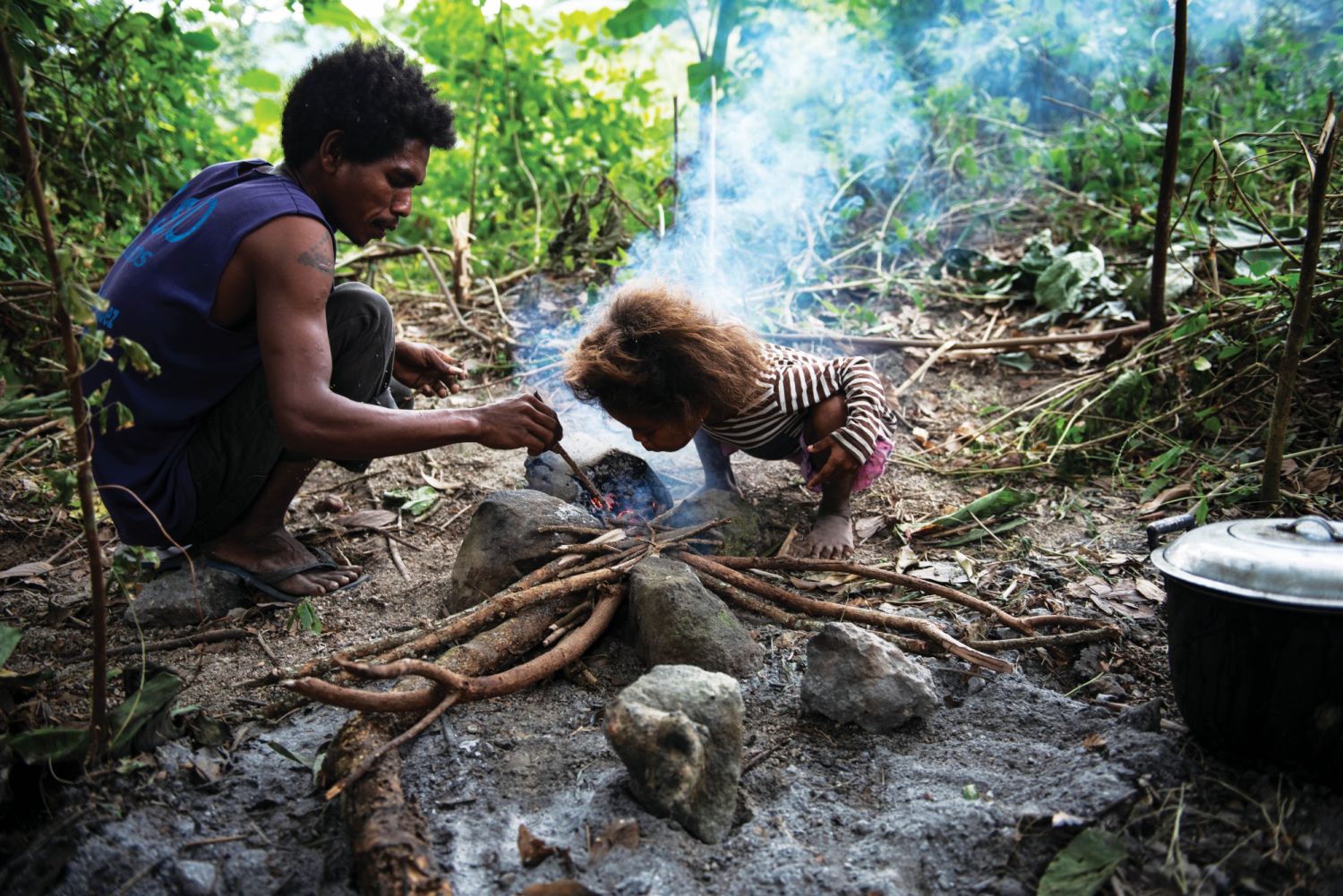
Above Taking a break from
foraging, this Ayta man and
his daughter build a fire to
cook lunch (Zambales)
Travelling by baroto (outrigger-less hand- carved wooden canoes) is the primary form of transportation for the Agusan Manobo (Agusan del Sur)
1 / 2
Living in Cebu with his Filipino wife, who is a teacher, and their two children, Maentz works as a project photographer with Blue Earth Alliance, a community of professionals that supports visual storytelling on critical environmental and social issues. As he focuses on this first book, for now, Maentz is also looking forward to more books in the future. What is sure, however, is that the theme will still be, he says, about “where my heart is”. And his heart is clearly with the indigenous peoples of the Philippines.
Homelands is available for purchase on its official site, homelands.ph. 100 per cent of any book profits will go towards continuing this work and providing scholarships for indigenous youth.
NOW READ
Which Tourist Spots in Asia Can Give You the Best Sunset and Sunrise Views?
Indigenous Peoples of the Philippines: Why We Need to Celebrate and Protect Them
Bohol’s Asin Tibuok: Protecting the Culinary Heritage of the Philippines Through Salt
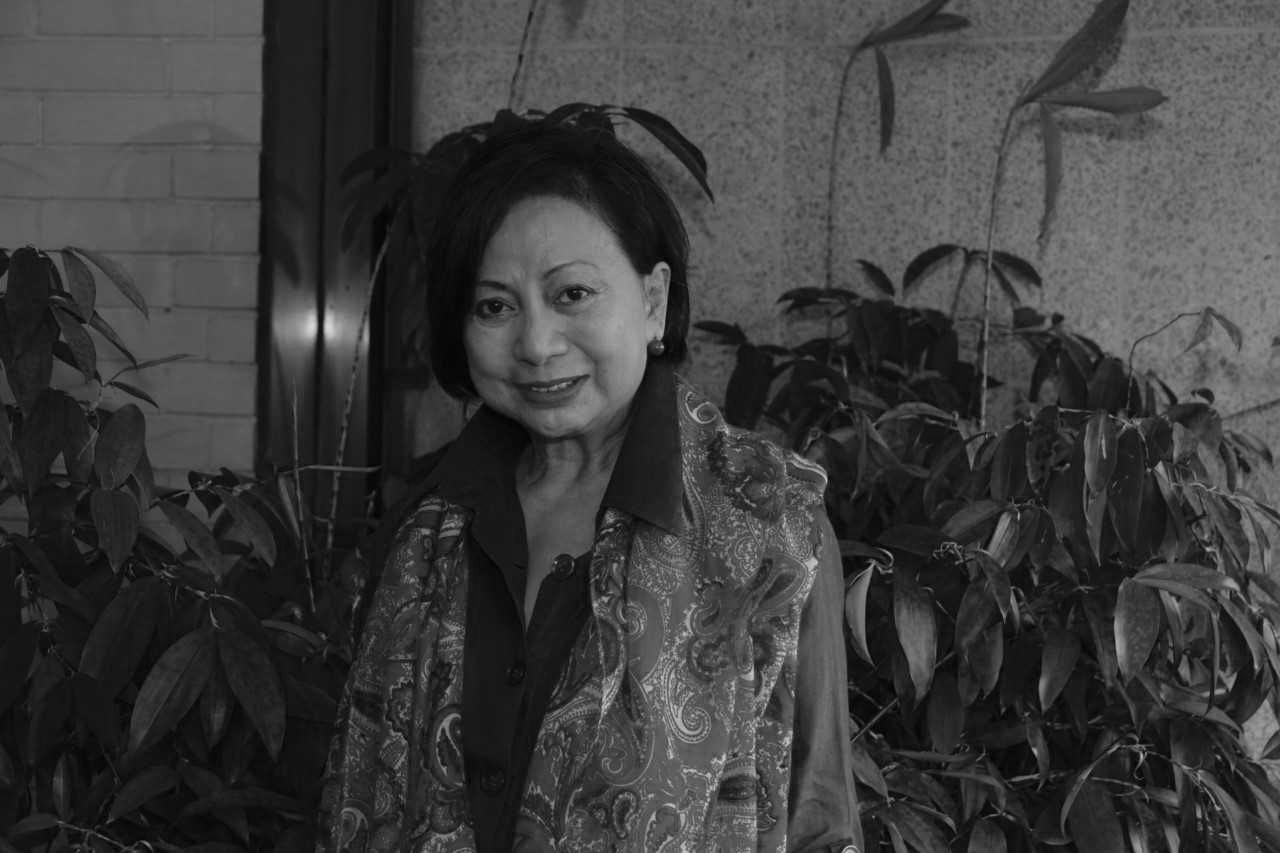
A journalist of more than 30 years, Chit has had varied exposures in this field, both in hard news as well as in soft news, and brings everything she has learnt to the production of the magazine. When not writing or editing, Chit is deeply involved in her chosen service organisation, Rotary International.





