
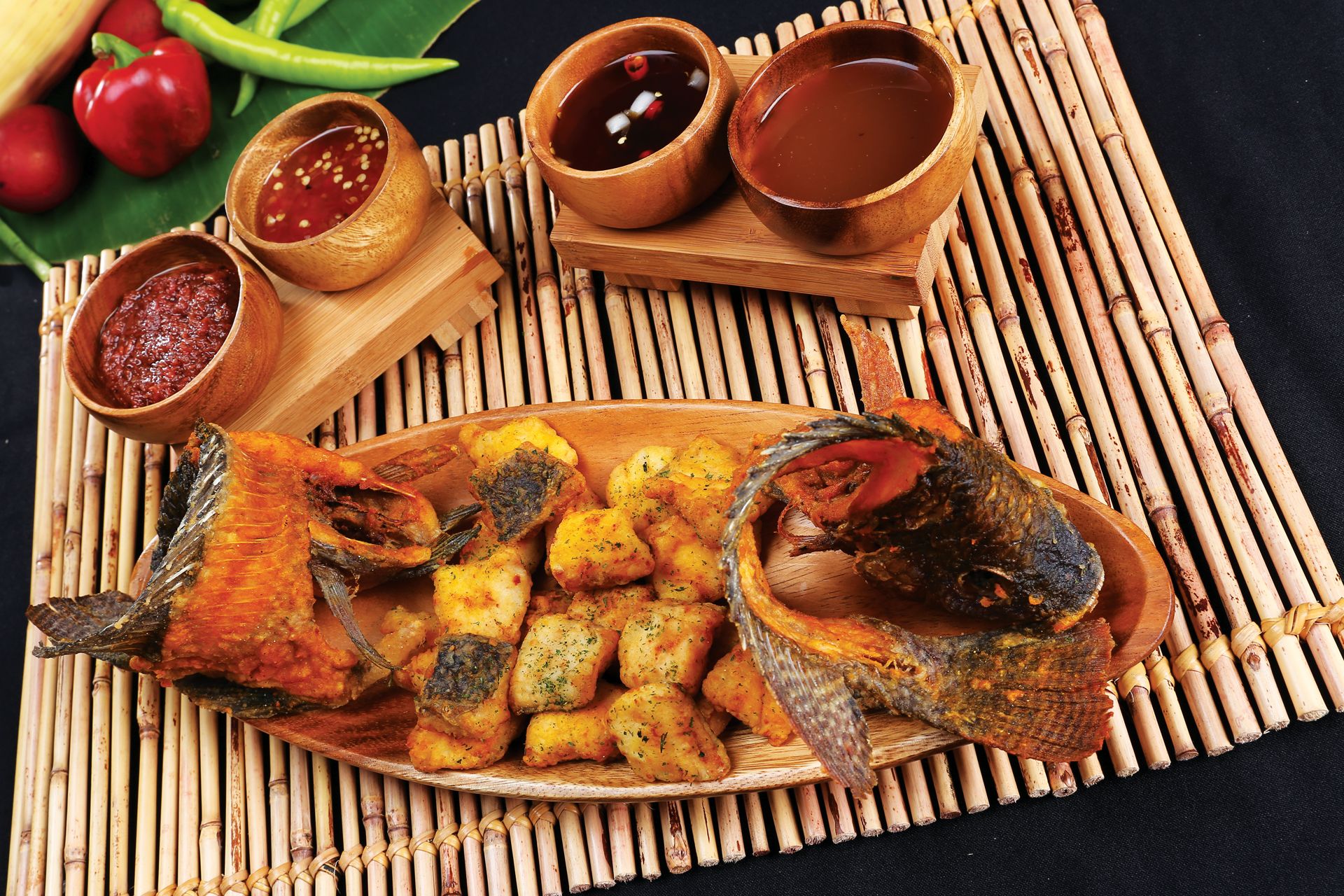
Cover Mesa’s take on modern Filipino cuisine—Crispchon, suahe (prawns) on the rocks, and crispy boneless tilapia
Mesa’s take on modern Filipino cuisine—Crispchon, suahe (prawns) on the rocks, and crispy boneless tilapia
1 / 1
Philippine Tatler Best Restaurants Guide looks into Filipino cuisine and how it has evolved into the interesting fare that it is today.
Filipino cuisine is a rich tapestry of flavours and influences, reflecting the country’s diverse history and cultural exchanges. It includes a variety of dishes ranging from hearty meat stews to vibrant seafood preparations, often characterised by the use of vinegar, soy sauce, and tropical ingredients like coconut milk, tamarind, and various fruits. Some popular Filipino dishes include adobo (a marinated meat stew), sinigang (a sour soup), lechon (roast pig), and lumpia (spring rolls). Filipino food also emphasises the balance of sweet, sour, salty, and savoury tastes, making it a unique and exciting culinary experience.
As the Philippine culinary landscape continuously evolves, we gathered some of the movers and shakers in the industry to ask what they envision for this cuisine we all grew up with:
Manam

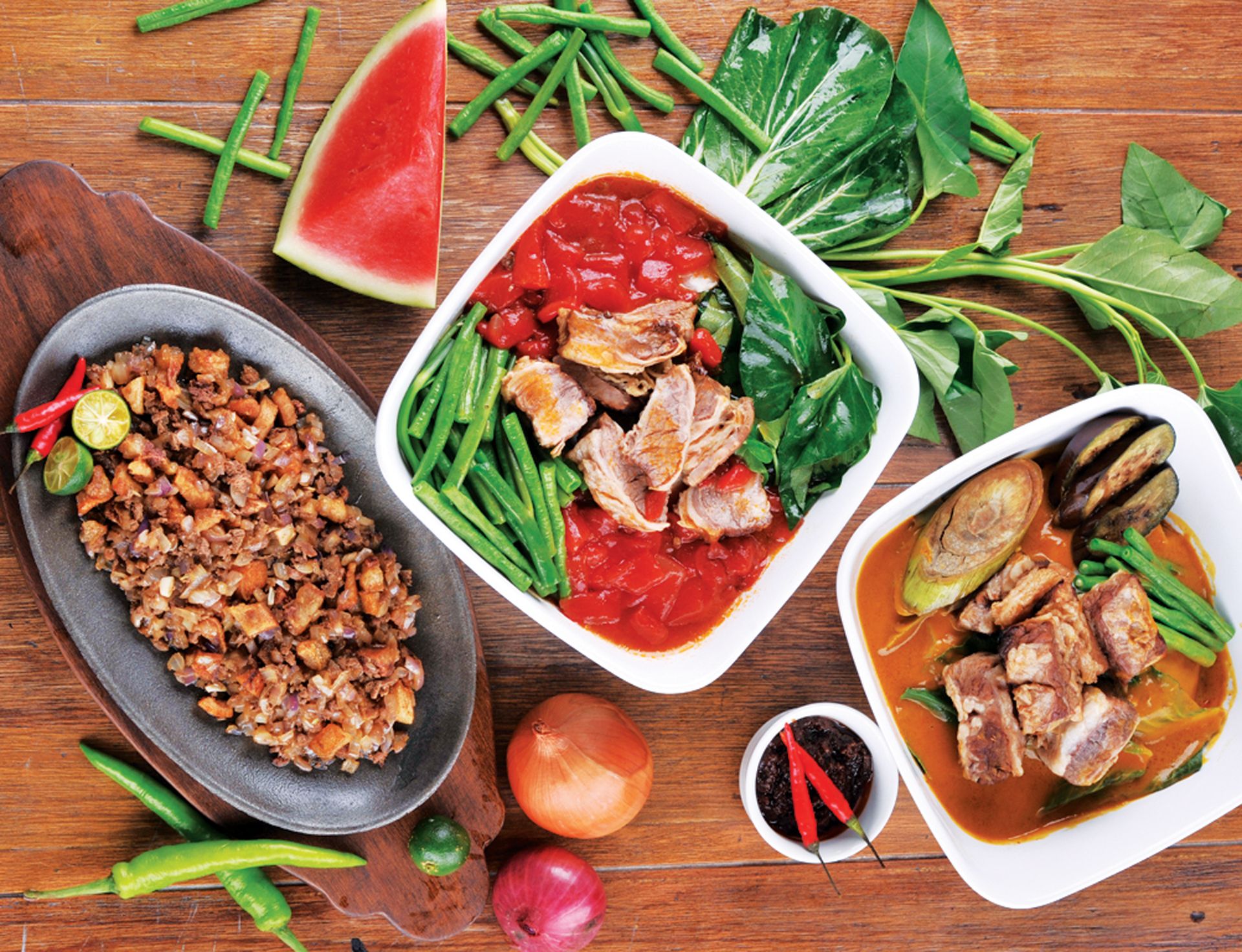
Above House crispy sisig, sinigang na beef shortrib and watermelon, kare-kare with oxtail
House crispy sisig, sinigang na beef shortrib and watermelon, kare-kare with oxtail
1 / 1
Founded by friends Abba Napa, Eliza Antonino, and Jon Syjuco, Manam Comfort Filipino is a homegrown concept by The Moment Group. The restaurant features a menu inspired by the founders' favourite dishes from their childhood and travels. To date, Manam's kitchen is helmed by the executive chef Ernz Owera.
Define modern Filipino cuisine
Abba Napa (AN): It is about subtly challenging the taste of traditional Filipino dishes by putting in twists that remain relatable and comforting to the palate of the contemporary Filipino diner. These are spins to Filipino dishes that remain to be well-loved favourites that touch the food-loving Filipino spirit.

Above The Moment Group’s Eliza Antonino, Abba Napa, and Jon Syjuco
The Moment Group’s Eliza Antonino, Abba Napa, and Jon Syjuco
1 / 1
Traditional Filipino vs. Modern Filipino
AN: Filipino cuisine comprises of dishes that we’ve all learned to love and have formed nostalgia for, perhaps these are the dishes that were cooked for us at home during our childhood. Likewise, traditional Filipino cuisine is typically associated with generous, family-sized servings.
Besides the interesting twists that are added to Manam's traditional Filipino dishes, we offer our dishes in three different sizes: small (for one person), medium (for three) and large (for six), allowing diners to satisfy their cravings in serving sizes that are just right. So now, they can savour comfort Filipino cuisine at its tastiest, in amounts that suit them best—such is the simple, yet innovative concept of Manam.
Which of your creations best exemplifies modern Filipino cuisine? What makes these dishes modern Filipino?
AN: The team behind Manam developed an all-Filipino spread that is wisely divided into two groups: classics and twists. From the classics, there is the crowd favourite house crispy sisig, which is an ode to the Capampangan classic. But in true Manam style, is cooked crisp and sizzling to the last bite. The twists selection offers the same delicious Filipino taste, with an original Manam spin. The sinigang na beef short rib and watermelon is another best-seller and an original recipe of Eli Antonino, managing partner of The Moment Group. It is prepared to the point that there is a balance between the sweetness of the watermelon, the savoury taste of the beef and the sour sinigang broth. It is perfect for anyone craving for sinigang but is looking for a new exciting dish. Another signature dish is the caramelised patis wings, whose sweet-and-salty taste makes it a popular beer match.
Read more: The Asian Culinary Exchange 2021 spotlights Filipino cuisine and the local food scene
Mesa
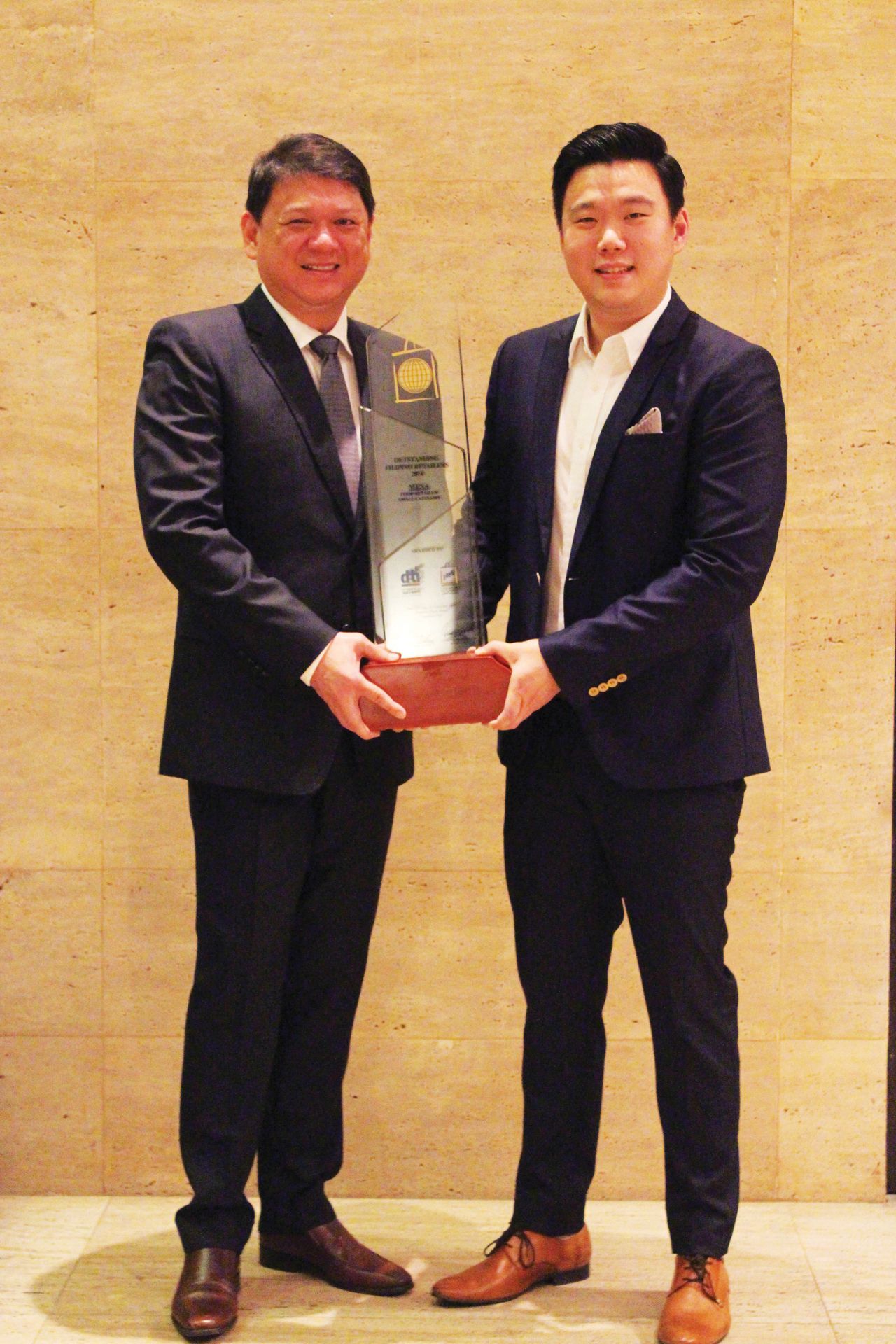
Above Rikki and Eric Thomas Dee
Rikki and Eric Thomas Dee
1 / 1
Founded by father-and-son Enrico “Rikki” and Eric Thomas Dee, Mesa Filipino Moderne presents creatively styled modern Filipino fare that is perfect for the discerning palate, whether for small or big groups of friends and family.
Define modern Filipino cuisine
Eric Thomas Dee (ETD): To put it simply, modern Filipino cuisine is a seamless blend of favourite and familiar Filipino classic flavours, stylised and presented with a twist.
Above Crispchon, suahe (prawns) on the rocks, and crispy boneless tilapia
Crispchon, suahe (prawns) on the rocks, and crispy boneless tilapia
1 / 1
Traditional vs. Modern Filipino
ETD: Traditional Filipino cuisine gives you your usual dishes in all its authenticity, while modern Filipino cuisine innovates the dish into something with a little bit of sophistication influenced by its authentic roots and inspired by other regional recipes. One characteristic that makes a dish modern is its presentation. The simple sisig is usually served on a sizzling plate; at Mesa, it is served in a pouch and carefully deep-fried. Our innovative take on the old-time Filipino favourite lechon is the Crispchon, which is served in two ways: wrapped in a pandan crêpe and garnished with cucumber, cilantro, and spring onions; after which, the rest are tossed in a chilli garlic sauce.
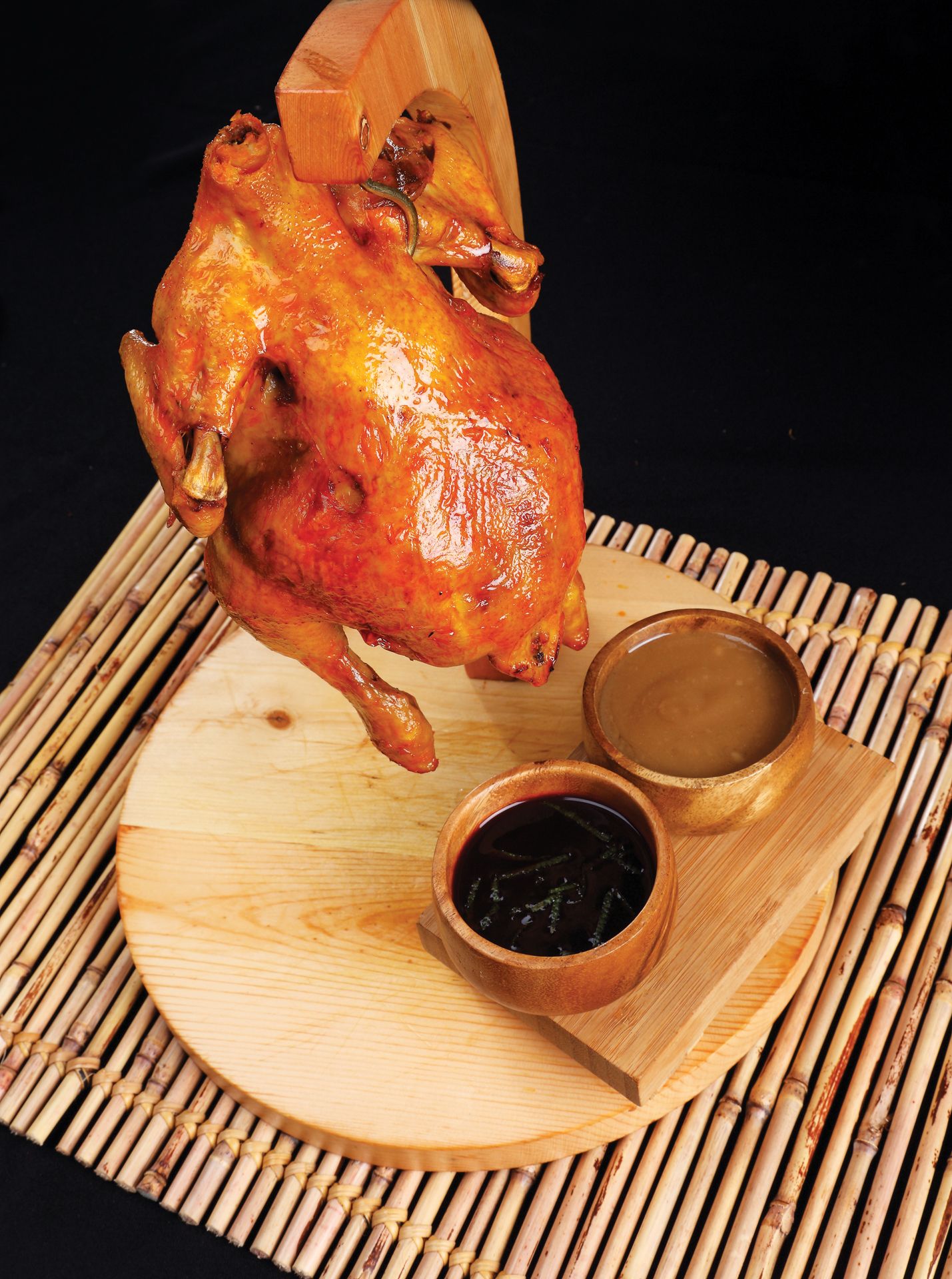
Above Pinatayong manok
Pinatayong manok
1 / 1
Which of your creations best exemplifies modern Filipino cuisine?
ETD: Our bestsellers that best exemplify modern Filipino cuisine are the Crispchon, suahe (prawns) on the rocks, and crispy boneless tilapia. Deep-fried to perfection, the Crispchon served in two ways is heavenly crispy on the outside and soft and tender on the inside. On the other hand, suahe on the rocks features fresh prawns cooked on your table, right before your eyes, in a claypot full of hot stone. A visual and gastronomic feast, indeed! The simple yet mouthwatering crispy boneless tilapia is deboned, breaded, and deep-fried and served with four kinds of sauces. The body and head and the body of the tilapia are the main attractions of the dish, as is twisted to form a unique shape. In addition, the pinatayong manok is a nice play on words on yet another popular Filipino dish called pinaupong manok (roasted chicken in a pot with a bed of salt). Mesa’s version—crispy whole chicken in a standing position (tayo or pinatayo is the Filipino word for “standing”) carved tableside—is far different from the iconic Filipino roasted chicken. Through creative presentation, you are giving diners something to talk about.
Read more: Holy Gaw’s Chef Marvin Gaw on bringing modern Filipino cuisine to Hong Kong
Kafé Batwan by Sarsa
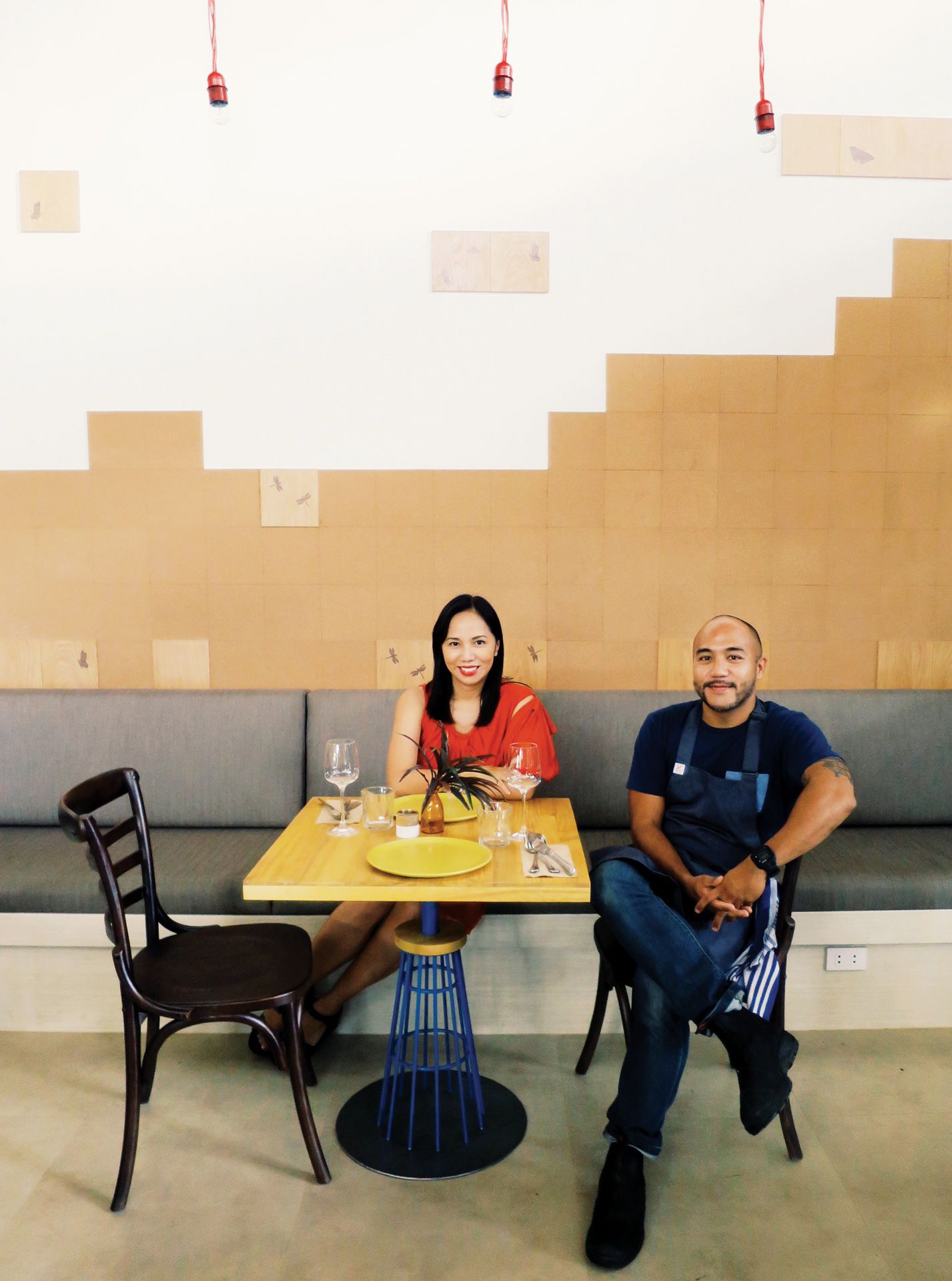
Above Tracie Anglo-Dizon and JP Anglo
Tracie Anglo-Dizon and JP Anglo
1 / 1
With chef JP Anglo and his sister, Tracie Anglo-Dizon, at its helm, Kafé Batwan is a modern Filipino interpretation of the café concept Sarsa, an all-day restaurant that continues to make raves in Metro Manila’s Filipino dining scene.
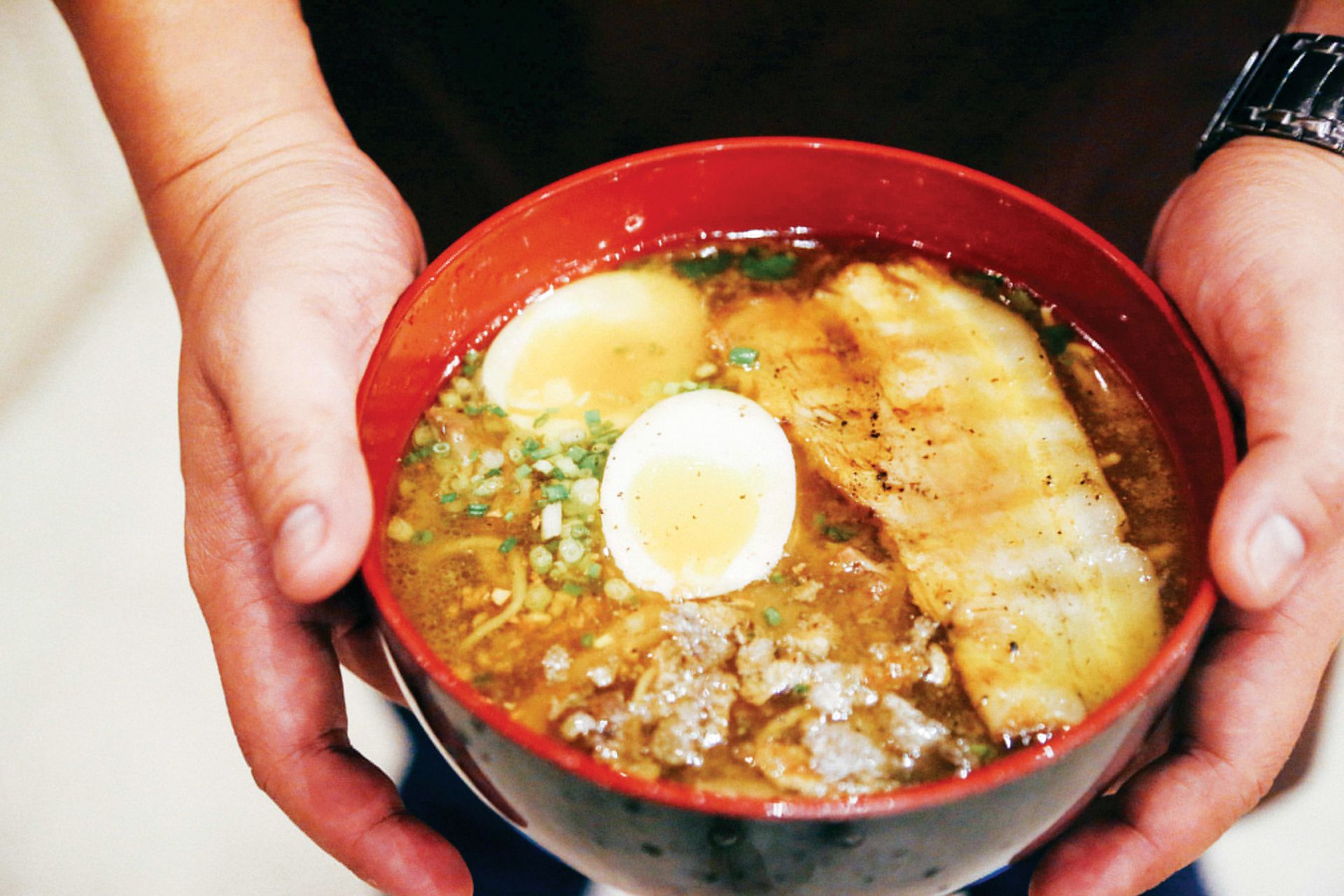
Above Super Batchoy served at the recent Madrid Fusion Manila
Super Batchoy served at the recent Madrid Fusion Manila
1 / 1
Define modern Filipino cuisine
Tracie Anglo-Dizon (TAD): For us, it is anything that pushes Filipino cuisine forward.
Traditional Filipino vs. Modern Filipino
TAD: Modern Filipino is a more contemporary take on classic Filipino dishes. At Kafé Batwan, we try to have a creative and playful take on traditional Filipino dishes. Modern is whatever goes, as long as it tastes good and still has that Filipino soul. Take the classic batchoy, an iconic Ilonggo soup. At Sarsa, our more traditional restaurant, we serve it straight up, just the way you would eat it in Iloilo. At Kafé Batwan, it is more like a Filipino ramen—half part batchoy, half part ramen. We try to create something new out of something traditional.
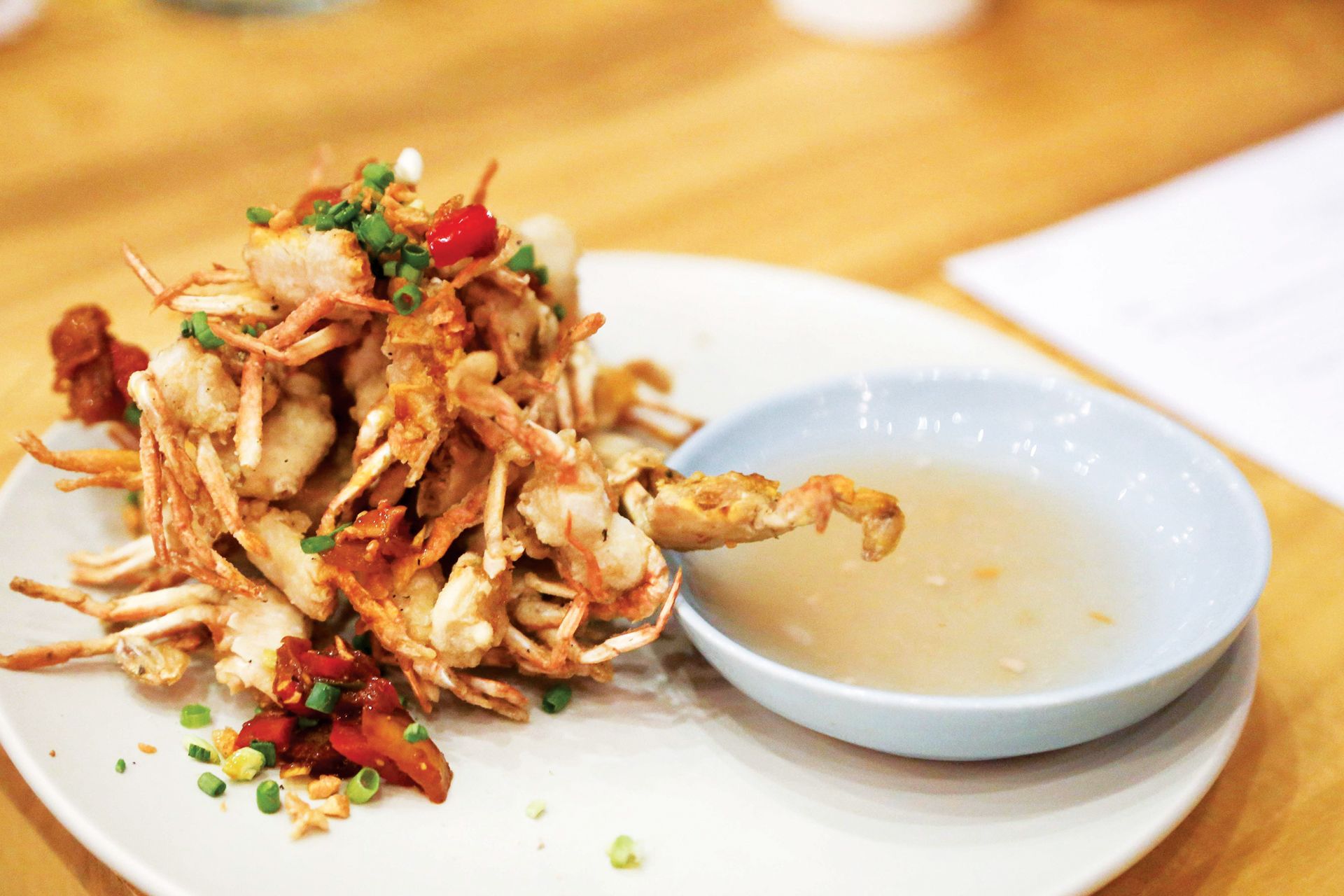
Above Crispy crablets
Crispy crablets
1 / 1
Which of your creations best exemplifies modern Filipino cuisine?
TAD: Our bestsellers include the Madrid Fusion Super Batchoy, a bowl of 12-hour soup stock, Kurobuta char siu, and soft-boiled egg; kalabasa (pumpkin) bisque with crab meat; trio of Pinoy spreads, which features delectable monggo labuyo, salted egg talong (eggplant) and tahong (mussels) ginamos (fish bagoong) with biscotto pan de sal; grilled Kurobuta liempo (pork belly) with sambal beans; sizzling budbud with ube butter and coco pandan coffee cream about it. We put our own twist on a classic dish while still retaining that Filipino identity.
Read more: Why is Filipino cuisine one of the richest food cultures in the world?
Via Mare
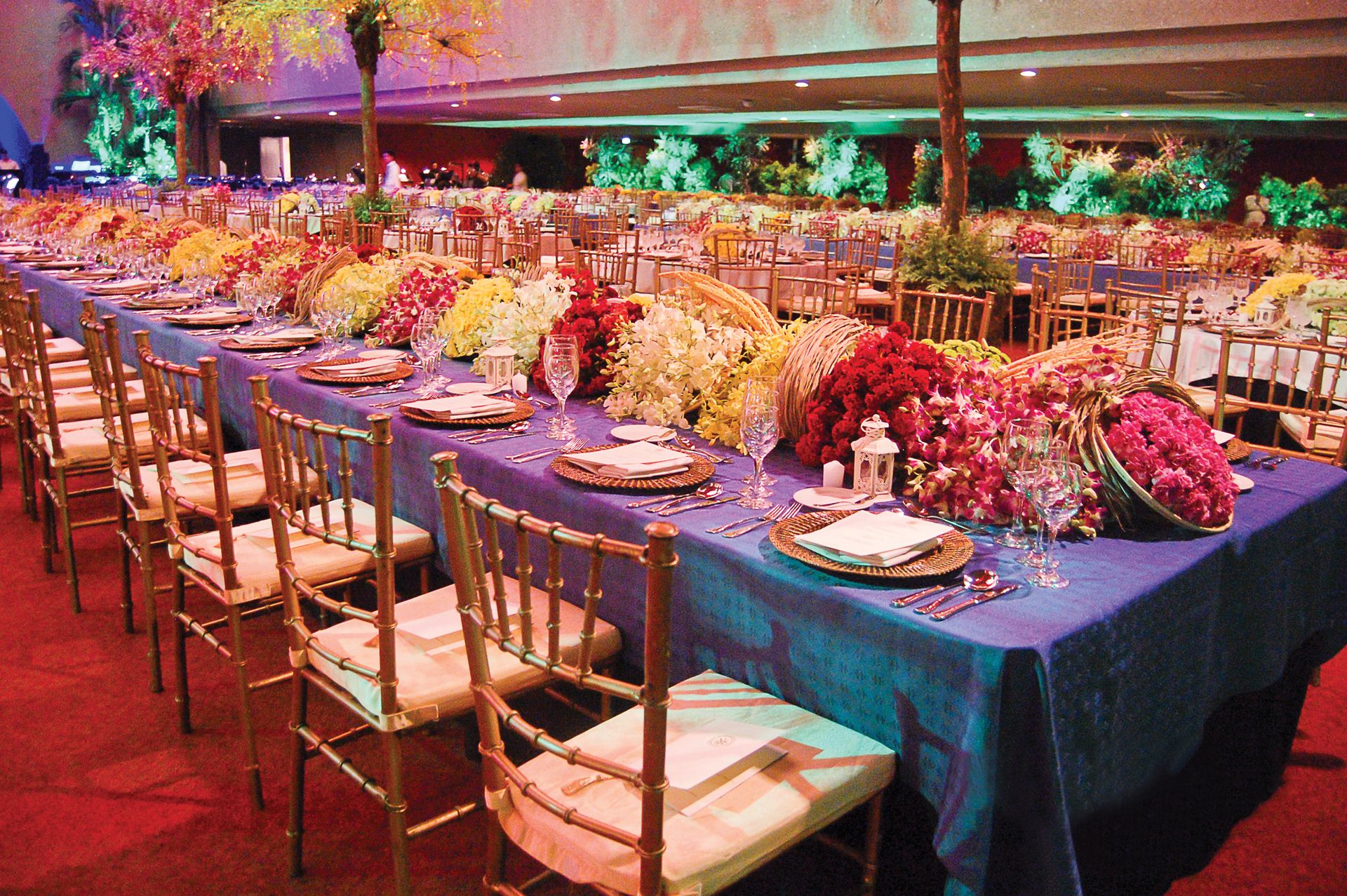
Above Via Mare catering
Via Mare catering
1 / 1
Via Mare, is one of the pioneer restaurants who brought the refined Filipino cuisine concept. It currently operates the Cafe Via Mare, a truly Filipino café that boasts heartwarming fares such as bibingka, puto bumbong, pancit luglog and dinuguan to a different level. Along with it is The Via Mare Oyster Bar, an upscale seafood dining restaurant well-known for its oyster menus, and lastly, the popular Via Mare Catering, a mobile catering services provider. Heading Via Mare's management team is the visionary, Glenda Rosales-Baretto.

Above Glenda Rosales-Baretto
Glenda Rosales-Baretto
1 / 1
Define modern Filipino cuisine.
Glenda Rosales-Baretto (GRB): I would rather call it as “Refined Filipino Cuisine”. Refined Filipino Cuisine is elevating Filipino Food into an art—merging true Filipino flavours with world-class techniques and sophisticated presentations.
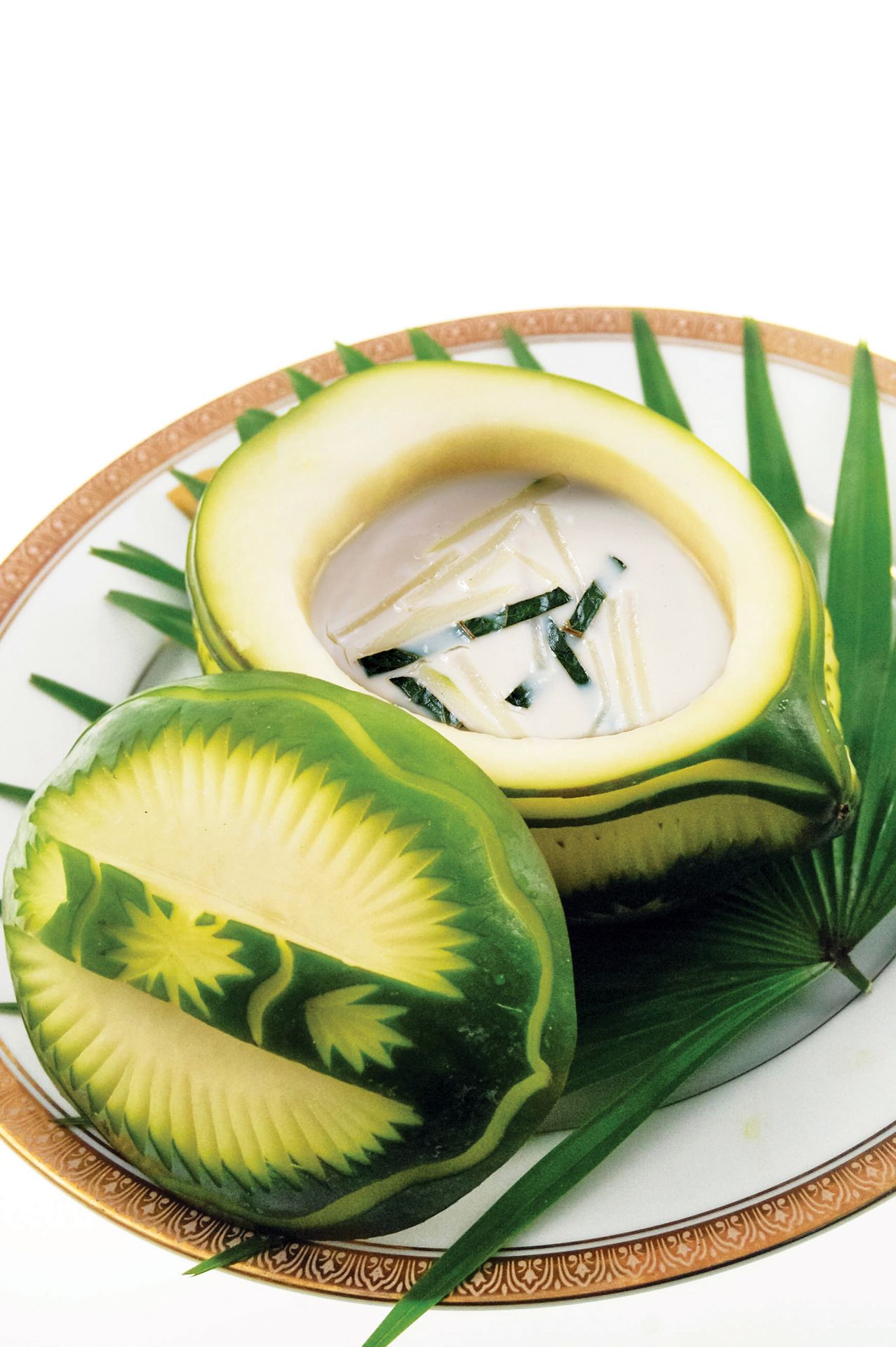
Above Tinola flan
Tinola flan
1 / 1
Traditional Filipino vs. Modern Filipino
GRB: It is not in the flavours but in the method and refinement of serving and preparation. Filipino food, by itself, is presented in a way to serve families and intimate events–modern Filipino cuisine is presented and prepared in a way that it can compete internationally.
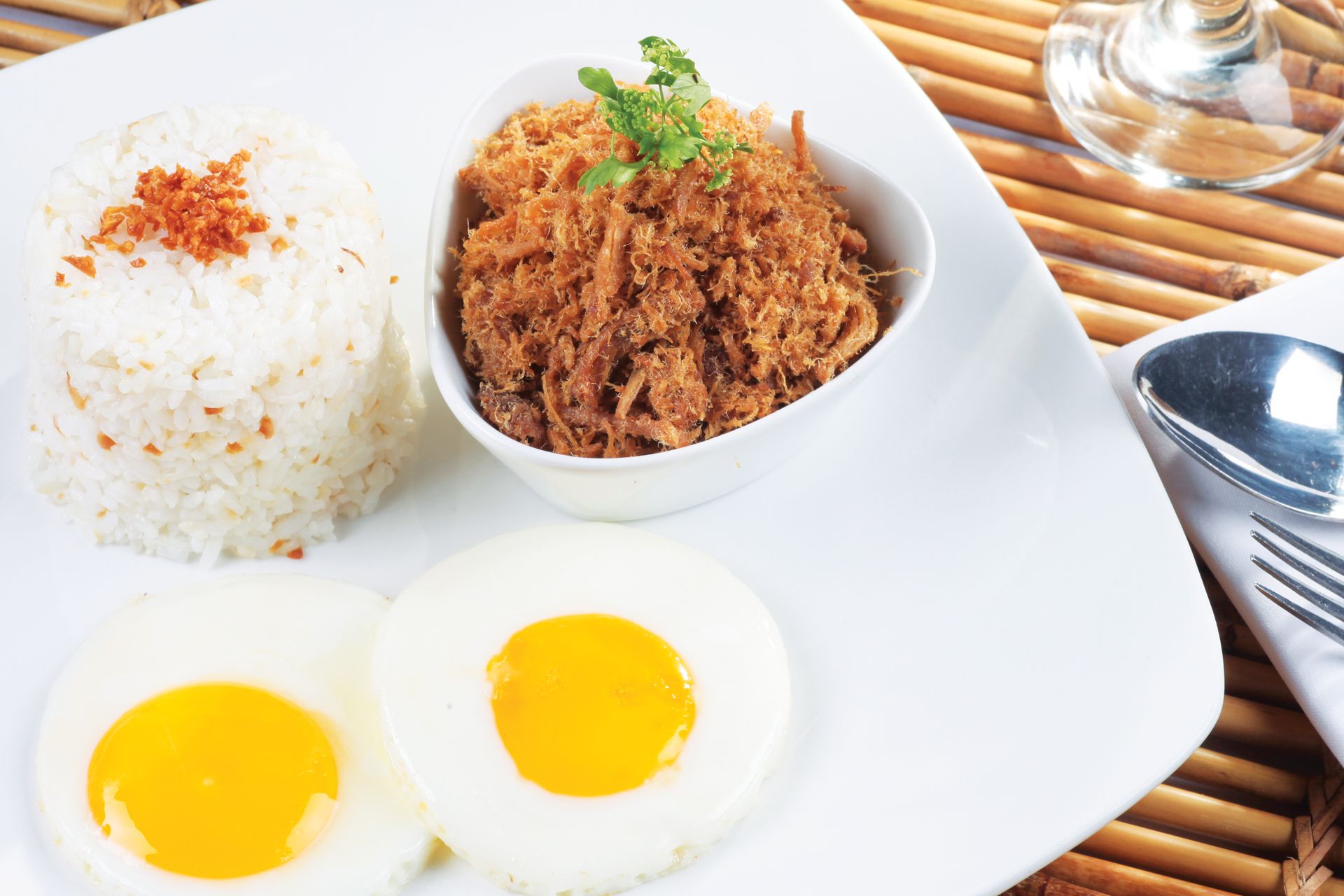
Above Adobo flakes
Adobo flakes
1 / 1
Which of your creations best exemplifies modern Filipino cuisine?
GRB: Our tinola flan (rich chicken soup with ginger, lemongrass steamed with egg and milk into a light custard) is a refined way of serving the classic Filipino soup—instead of serving it in a soup per se, the flavours are absorbed into a light custard. The crispy adobo flakes (shredded pork adobo, toasted to a chewy and crisp finish) are more versatile as they can be used as an appetiser or sandwich filling. Lastly, the Balut Surprise (succulent duck embryo with garlic and white onion sauce, topped with pastry) is a world-class dish inspired by classic street food.
NOW READ
Filipino cuisine: Do we really need international recognition to push the industry forward?
Who is Abi Marquez, the content creator showcasing Filipino cuisine to the world?
Credits
Images: Courtesy of respective restaurants

Whether on assignment or not, Maritess is always on the lookout for off-the-beaten-path destinations as well as the yummiest finds in the Philippines and abroad. In 2020, she plunged into the black hole of Korean la la land. Follow her escapades at @matetreyes.





