
1 / 1
Blackwattle's cuisine style leverages the attractive mix of local and imported flavours today's progressive restaurants proffer
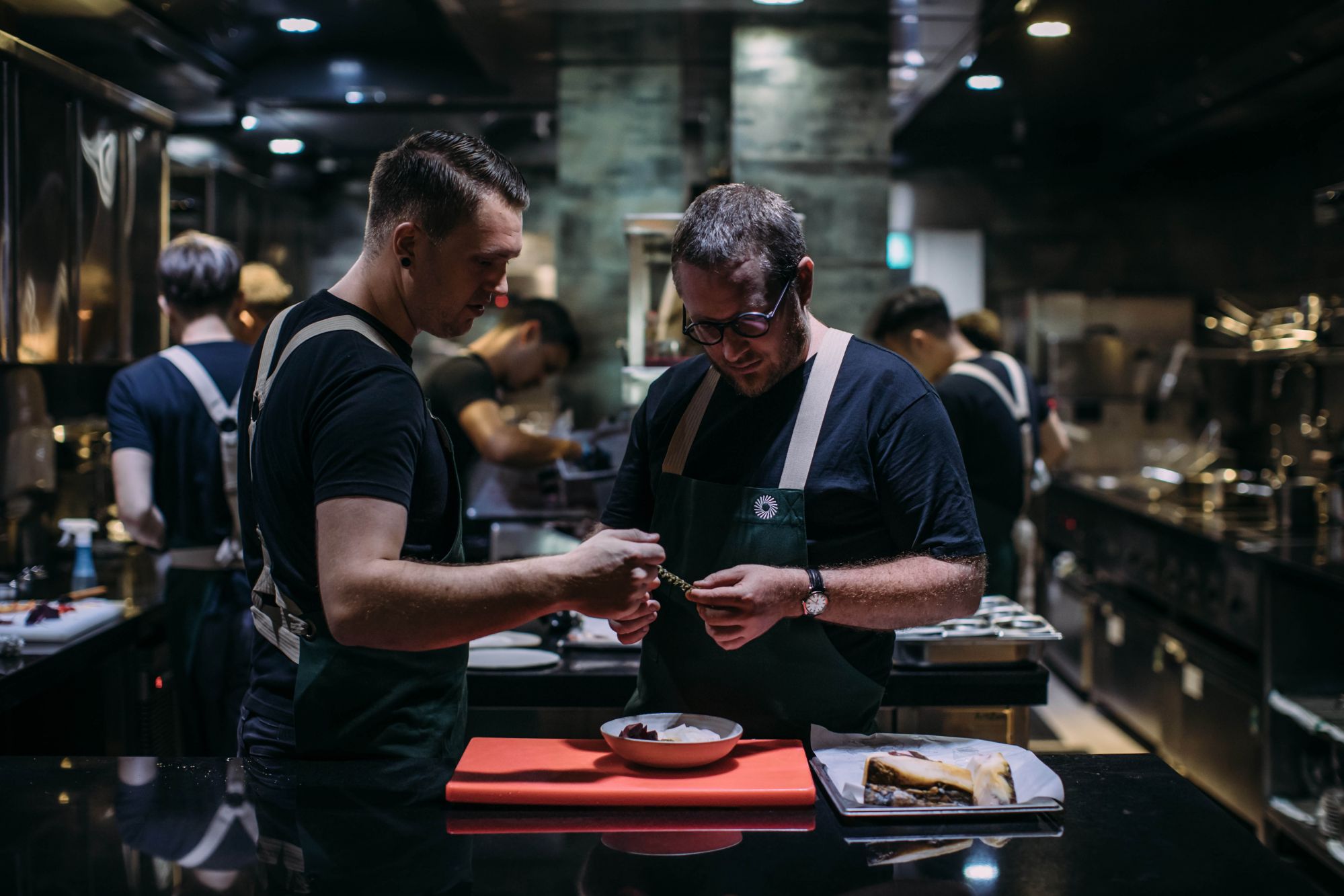
The opening of Blackwattle on Amoy Street—award-winning Australian chef Clayton Wells’ first restaurant in Asia—was one of last year's hottest. It may not be the first to proffer the progressively global approach to cooking the island’s small but growing band of gastro cowboys are championing with disarming confidence, but it did put an exclamation point on this delectably palpable development.
What sets it apart from similar cuisine styles is Wells and Blackwattle head chef Joeri Timmermans' seemingly freeform approach to creating the restaurant's frequently changing menu—it is not only dependant on the availability of locally sourced ingredients but also the high-quality Australian produce they are able to procure.
(Related: Chef Andre Chiang Receives The Diners Club Lifetime Achievement Award)

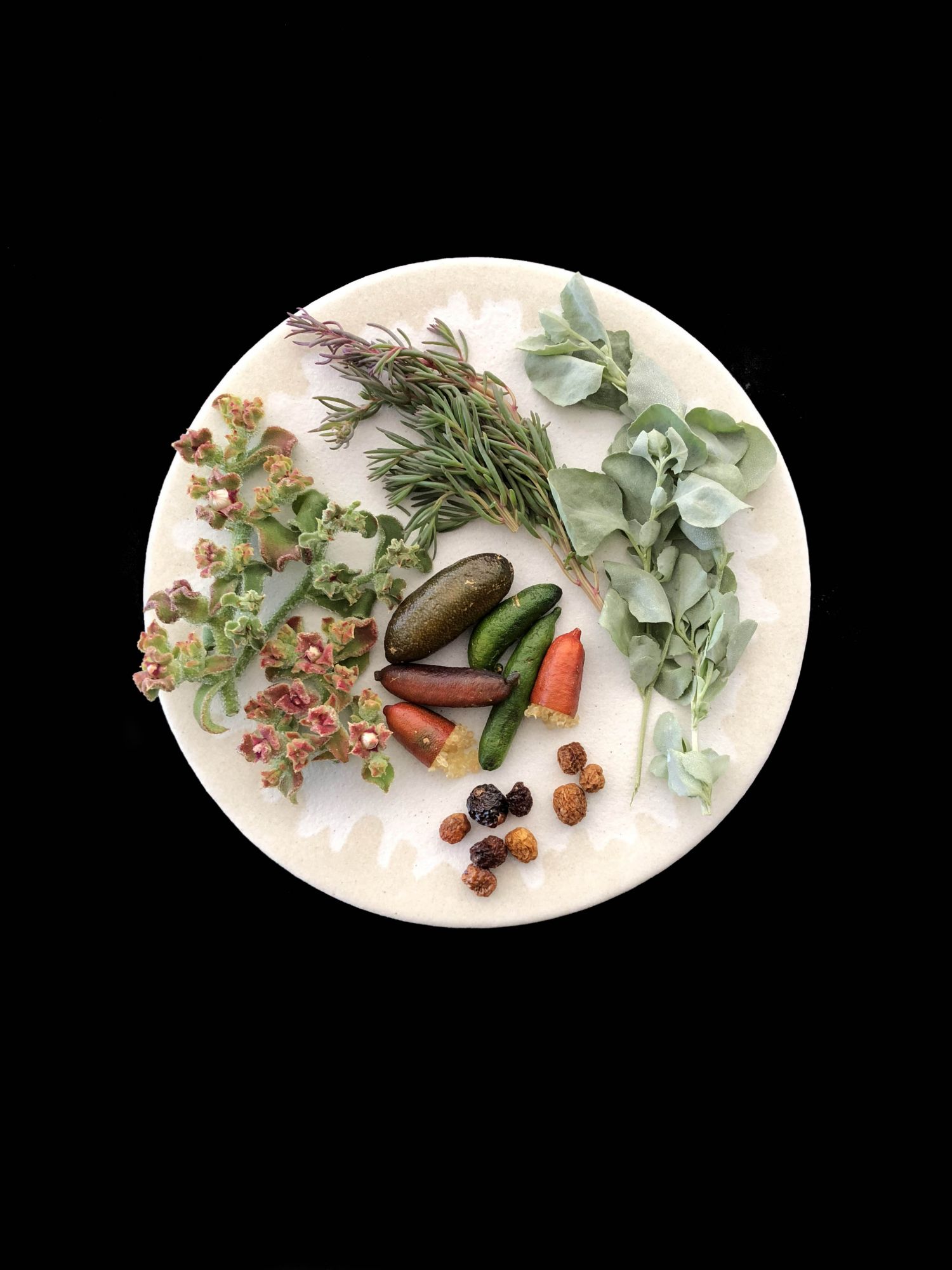
Above The native Australian ingredients used at Blackwattle include lemon aspen, finger limes, saltbush, bush tomatoes and dessert limes; the last are found in South West Queensland, Western New South Wales and a small area of the Flinders Ranges of South Australia
The native Australian ingredients used at Blackwattle include lemon aspen, finger limes, saltbush, bush tomatoes and dessert limes; the last are found in South West Queensland, Western New South Wales and a small area of the Flinders Ranges of South Australia
1 / 1
The latter makes up an essential part of the cuisine they serve at the restaurant. And it’s also their familiarity with these indigenous ingredients that seems to take centrestage. But it's their knack for using Asian flavours in less than traditional ways that completes this winning process.
That being said, Australia’s culinary heritage features a range of distinctive fruits and vegetables that are known for their great diversity of flavours, such as bright scarlet quandongs, which contain a significant level of antioxidants, desert limes with a distinct tangy flavour, as well as briny saltbush.
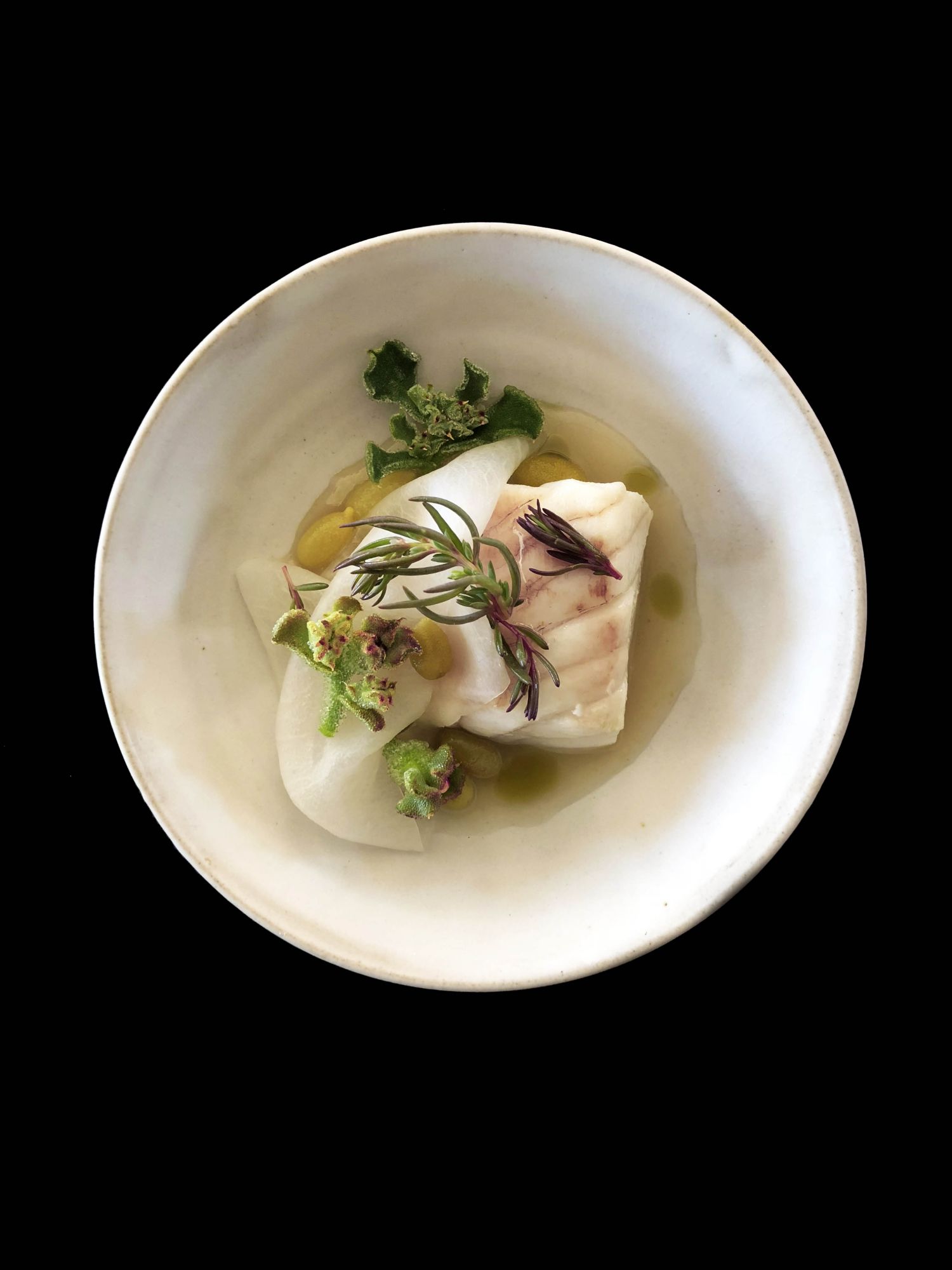
Above Steamed ling with fermented daikon and citrus broth, desert lime and coastal greens
Steamed ling with fermented daikon and citrus broth, desert lime and coastal greens
1 / 1
And some examples of the creations Wells has come up with to showcase this unique variety include a dish of steamed ling with fermented daikon and citrus broth, desert lime and coastal greens; as well as David Blackmore wagyu tri-tip, served with burnt onion mustard, grilled saltbush and quandong jus.
While there is always a chance to find similar dishes on this changing menu, one dish that remains a fine example of how Wells pairs local flavours with indigenous Australian produce is the Fremantle octopus he prepares with XO sauce, vinegar and a fennel and squid ink puree, finished with marigold from a local farm in Singapore.
Watch Clayton Wells show you how it’s done.
Above Clayton Wells shares about his love for Singapore's diverse food scene.





