
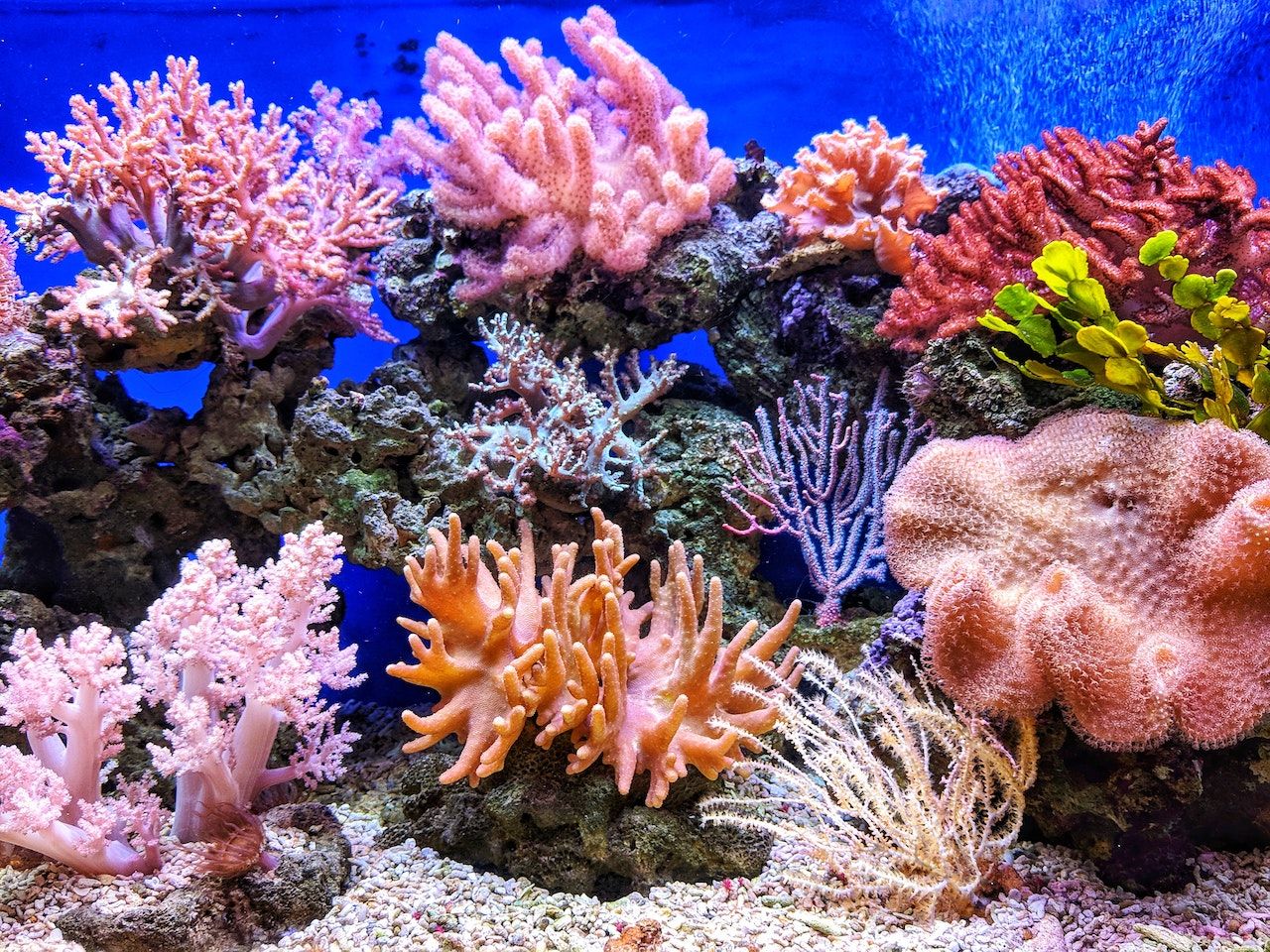
Cover (Photo: Unsplash)
(Photo: Unsplash)
1 / 1
Summer's here and it's time to head to the beach! Whether you're snorkelling, sunbathing, or scuba diving—watch out for dangerous wildlife that may put a damper on your vacation
The Philippines is home to some amazing biodiversity. But as humans begin to make their way to beaches this summer, it's important to remember: we may not exactly be welcome. These dangerous sea creatures have been known to harm people who get too close. So when out for vacation, always remember to give them space and be respectful.
Read more: Where to Travel in 2022: 9 of the Most Picturesque Islands in the Philippines
Cone snail

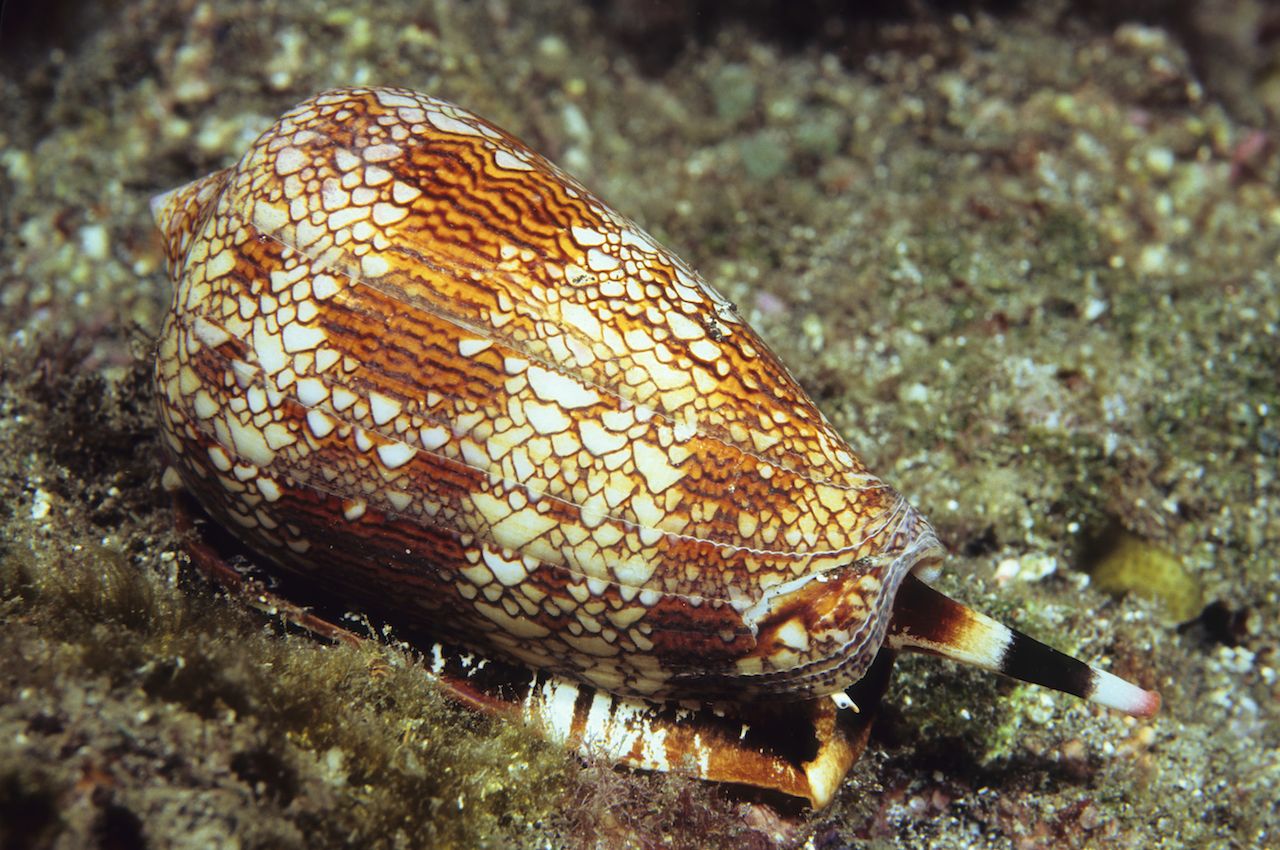
Above Tiny but dangerous and lethal shell (Photo: Getty Images)
Tiny but dangerous and lethal shell (Photo: Getty Images)
1 / 1
If you see a cone snail at the beach—whether brought unto the shore by a wave or underwater on a swim—do not touch it. While its bright colours and beautiful patterns may be tempting to some, it is also venomous. It attacks its victims by injecting a barbed dart coated with venom; they often use this to immobilise their prey such as snails, worms, and small fish. However, it has happened to a few human victims as well—and we're willing to bet, it's not very pleasant.
Blue-ringed octopus
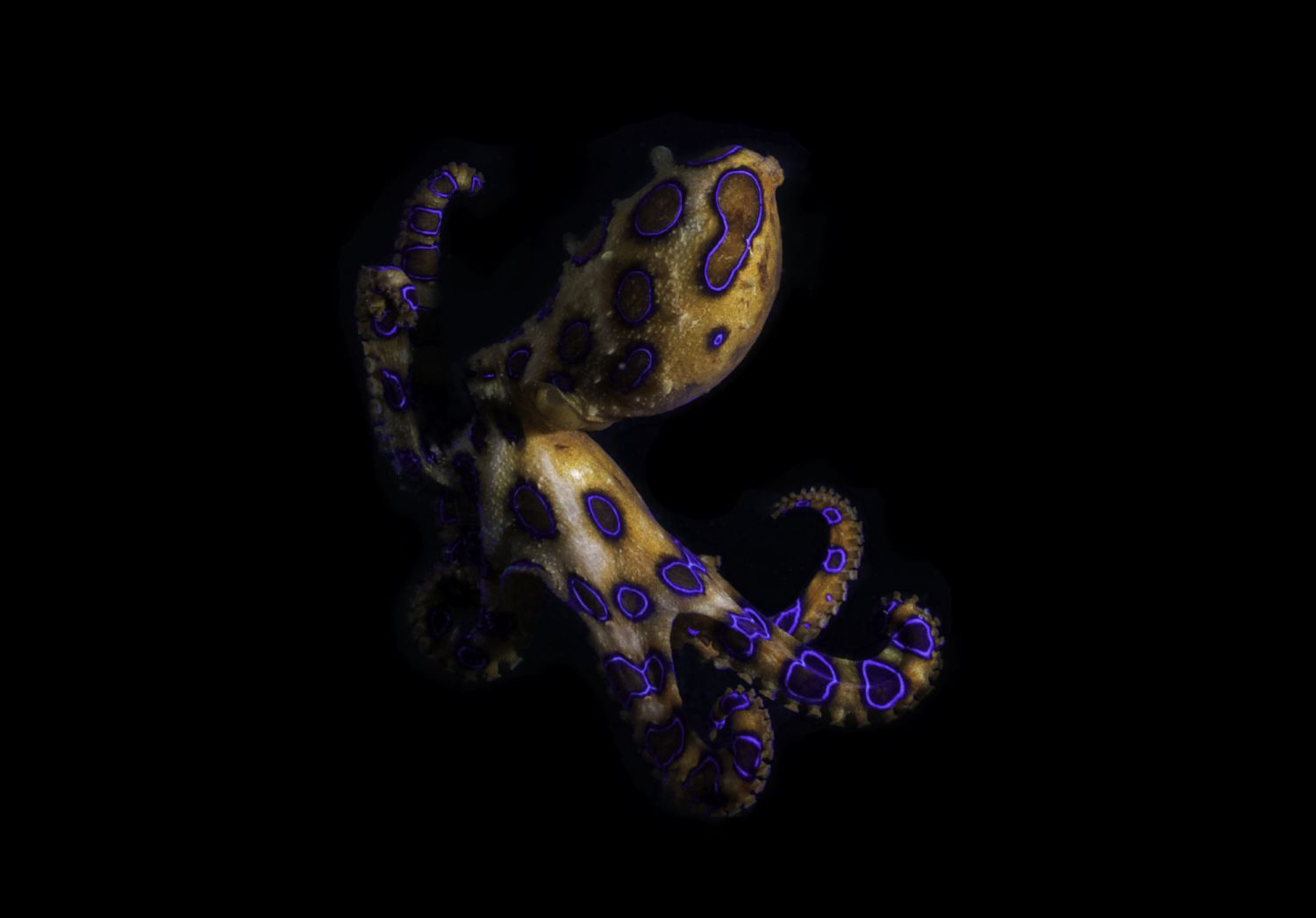
Above night shot of blue ringed octopus, a highly venomous octopus which can kill adult human with its venom (Photo: Getty Images)
night shot of blue ringed octopus, a highly venomous octopus which can kill adult human with its venom (Photo: Getty Images)
1 / 1
Native to the Pacific Ocean, blue-ringed octopi are often found in soft sand at the bottom of shallow tide pools or coral reefs. They're immensely beautiful, with bright blue rings contrasted against vibrant yellow. Size-wise, they're also small, measuring less than 12 inches. But don't let them fool you: they're incredibly deadly. Their venom is about a thousand times more toxic than cyanide and one blue-ringed octopus can create enough venom to kill 26 people at once. When underwater, be sure to avoid them as it's best to marvel at them from a distance.
Sea urchins
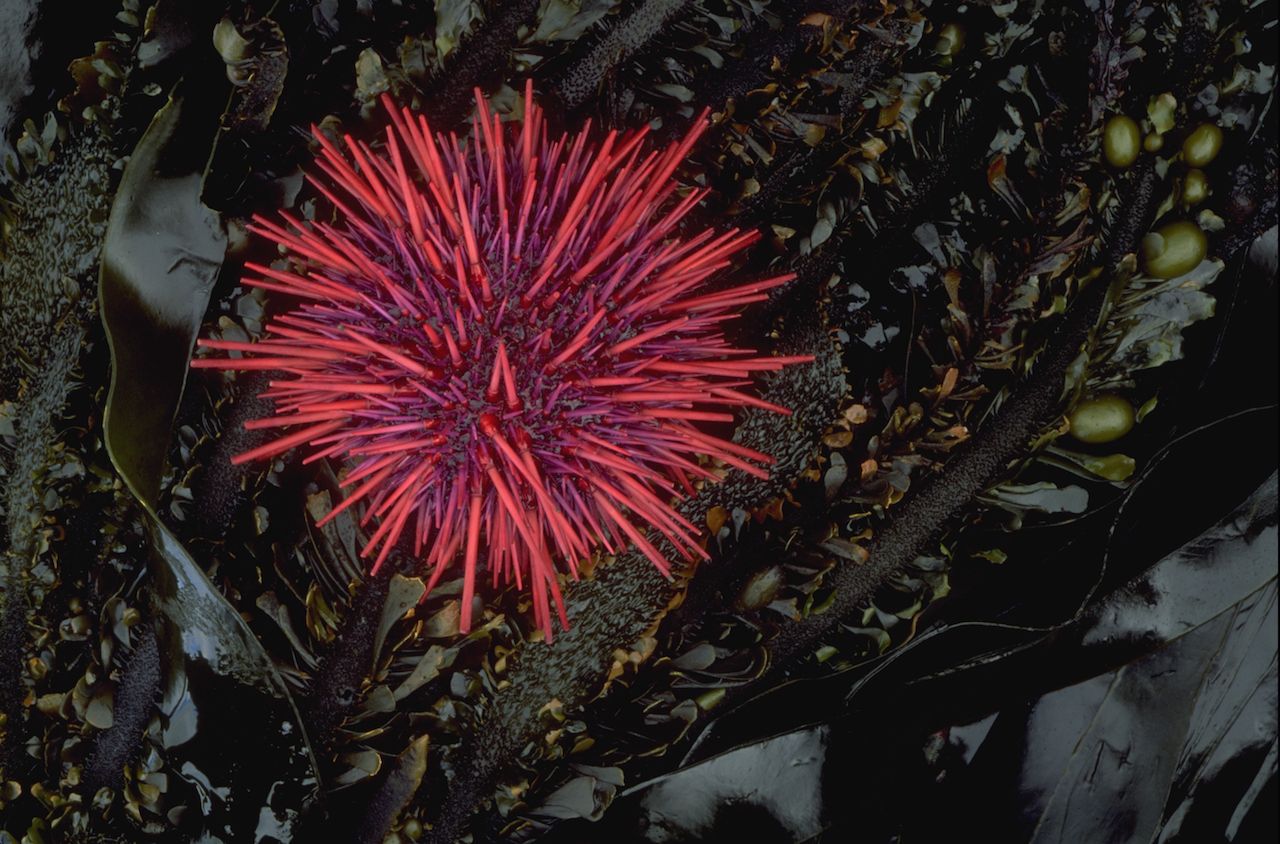
Above A red, spiny sea urchin sits exposed on the shore, along with strands of kelp, at low tide. Tongue Point, Washington. (Photo: Getty Images)
A red, spiny sea urchin sits exposed on the shore, along with strands of kelp, at low tide. Tongue Point, Washington. (Photo: Getty Images)
1 / 1
Sea urchins aren't exactly the friendliest looking critters in the sea, but because they're often spotted in shallow waters along the beach, it's very easy to accidentally step on one or touch one. Always be on the lookout, however, as sea urchin stings are not only painful but may cause complications, especially if there are multiple wounds inflicted.
See also: 5 Philippine Camping Sites You Should Visit On Your Next Vacation This 2022
Fireworm
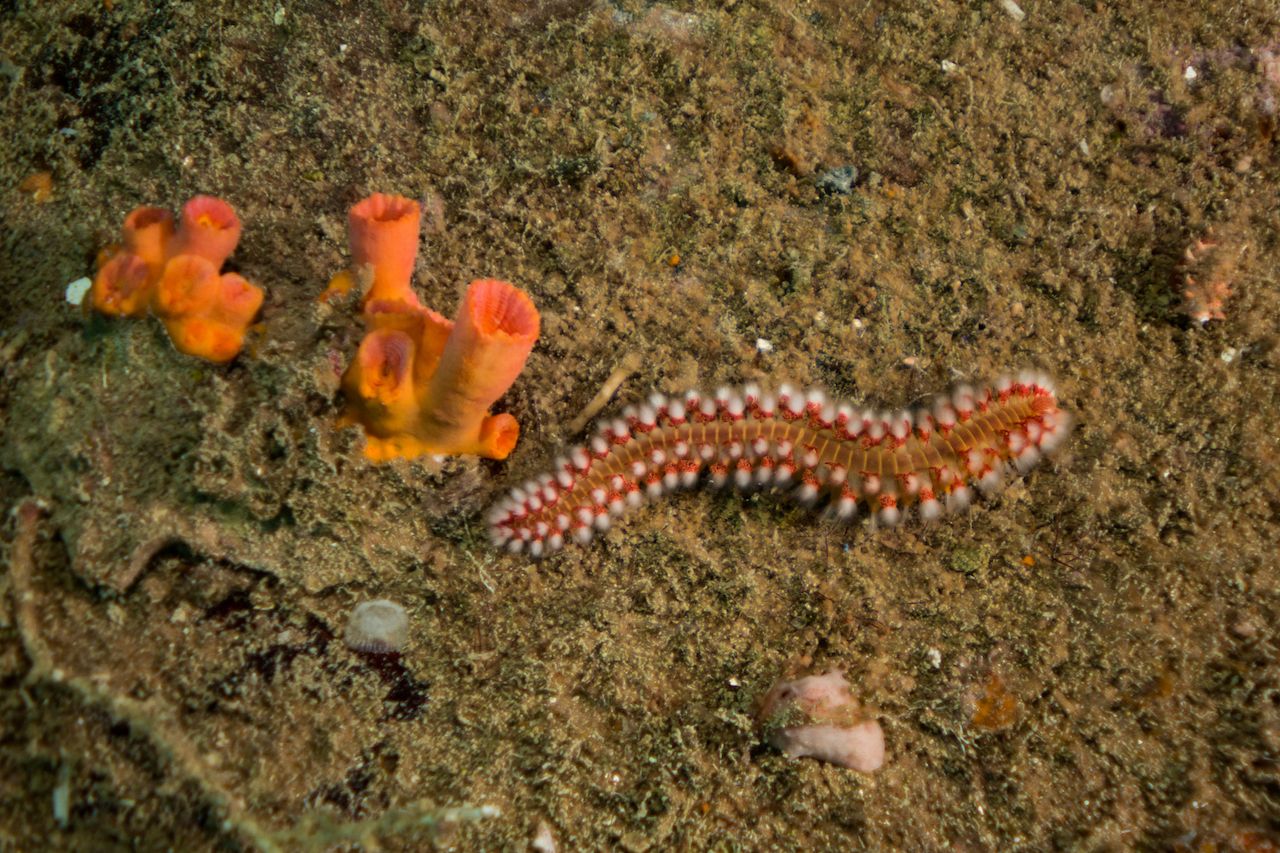
Above Bearded fireworm with red sponges in caribbean sea. Underwater life (Photo: Getty Images)
Bearded fireworm with red sponges in caribbean sea. Underwater life (Photo: Getty Images)
1 / 1
Bearded fireworms are incredible creatures. They may be elusive at times thanks to their ability to camouflage into corals, but when spotted in the wild, a diver may be tempted to engage. He or she may even accidentally come across a fireworm when swimming near corals.
Despite their beauty, however, fireworms may cause some discomfort to those who choose to go too near. A touch will immediately cause a burning sensation caused by the neurotoxin emitted by the fireworm. The body part that comes into contact with the fireworm may feel itchy, it is also likely to swell; but the good news is the victim is less likely to die or have complications.
Lionfish
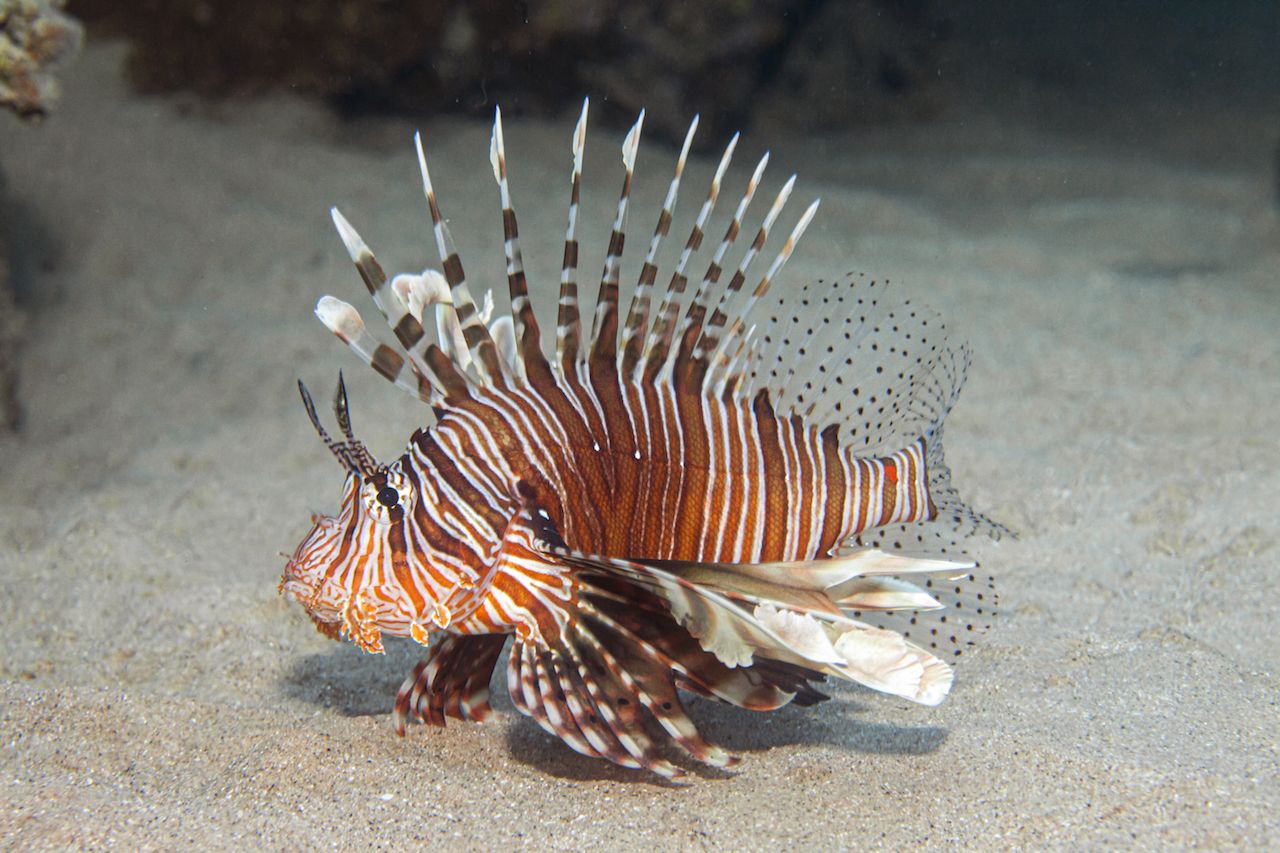
Above Pterois miles, the devil firefish or common lionfish. is a species of ray-finned fish native to the western Indo-Pacific region. It is frequently confused with its close relative, the red lionfish. The scientific name is from Greek pteron, meaning "wing", and Latin miles, meaning "soldier". (Photo: Getty Images)
Pterois miles, the devil firefish or common lionfish. is a species of ray-finned fish native to the western Indo-Pacific region. It is frequently confused with its close relative, the red lionfish. The scientific name is from Greek pteron, meaning "wing", and Latin miles, meaning "soldier". (Photo: Getty Images)
1 / 1
Lionfish are curious creatures. Their stripes make them incredibly photogenic but what some forget to take into account are the spines along the creature's back, pelvis, and underside. These can pierce through flesh and cause its victims intense pain and sweating. Serious cases may even result in paralysis so make sure to avoid them when underwater.
Read more: Which Tourist Spots in Asia Can Give You the Best Sunset and Sunrise Views?
Titan Triggerfish
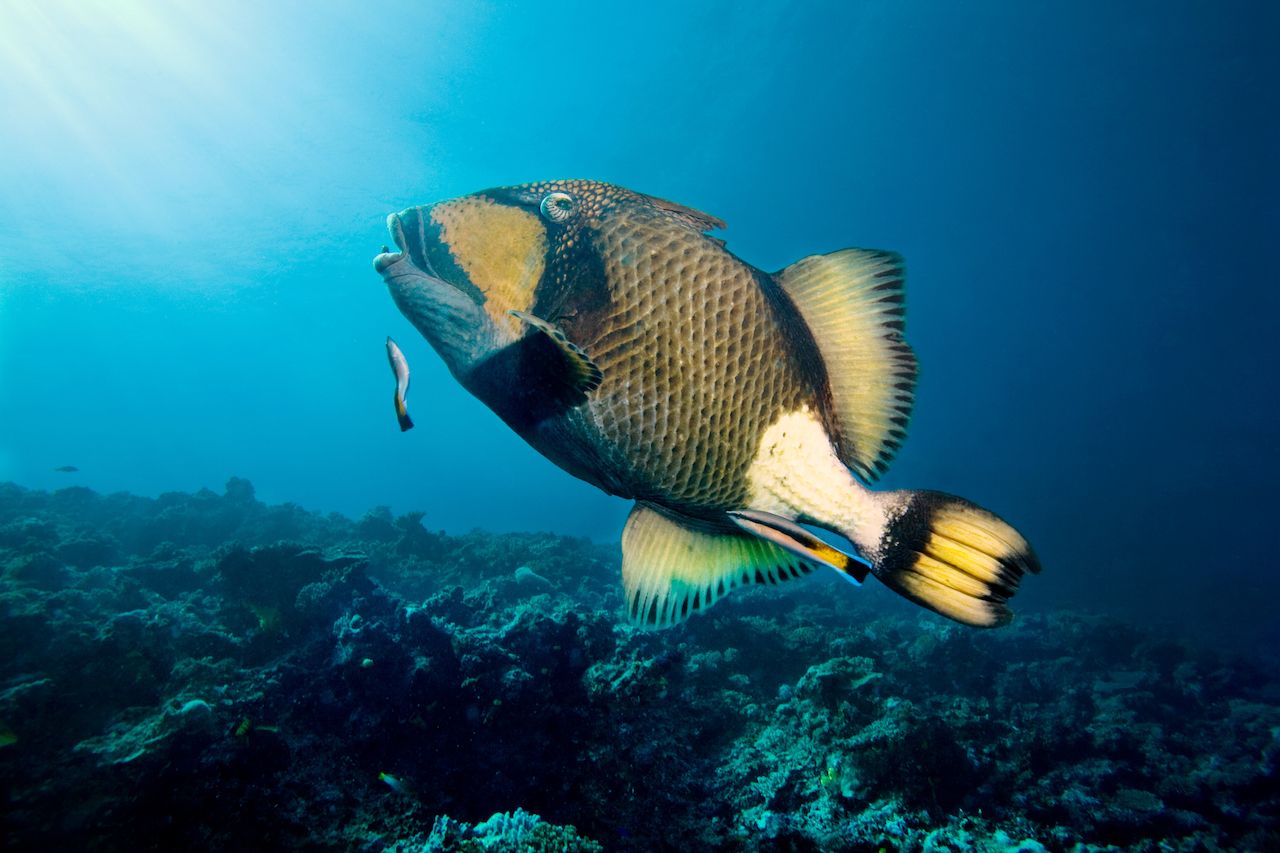
Above Titan Triggerfish with Cleaner Wrasses (Photo: Getty Images)
Titan Triggerfish with Cleaner Wrasses (Photo: Getty Images)
1 / 1
Titan Triggerfish look like any other friendly fish in the sea. But be careful, these animals are quite aggressive. They bite and do so ferociously, sometimes leaving marks on divers' equipment—and body parts if one isn't careful.
Jellyfish
Above (Photo: Getty Images)
(Photo: Getty Images)
1 / 1
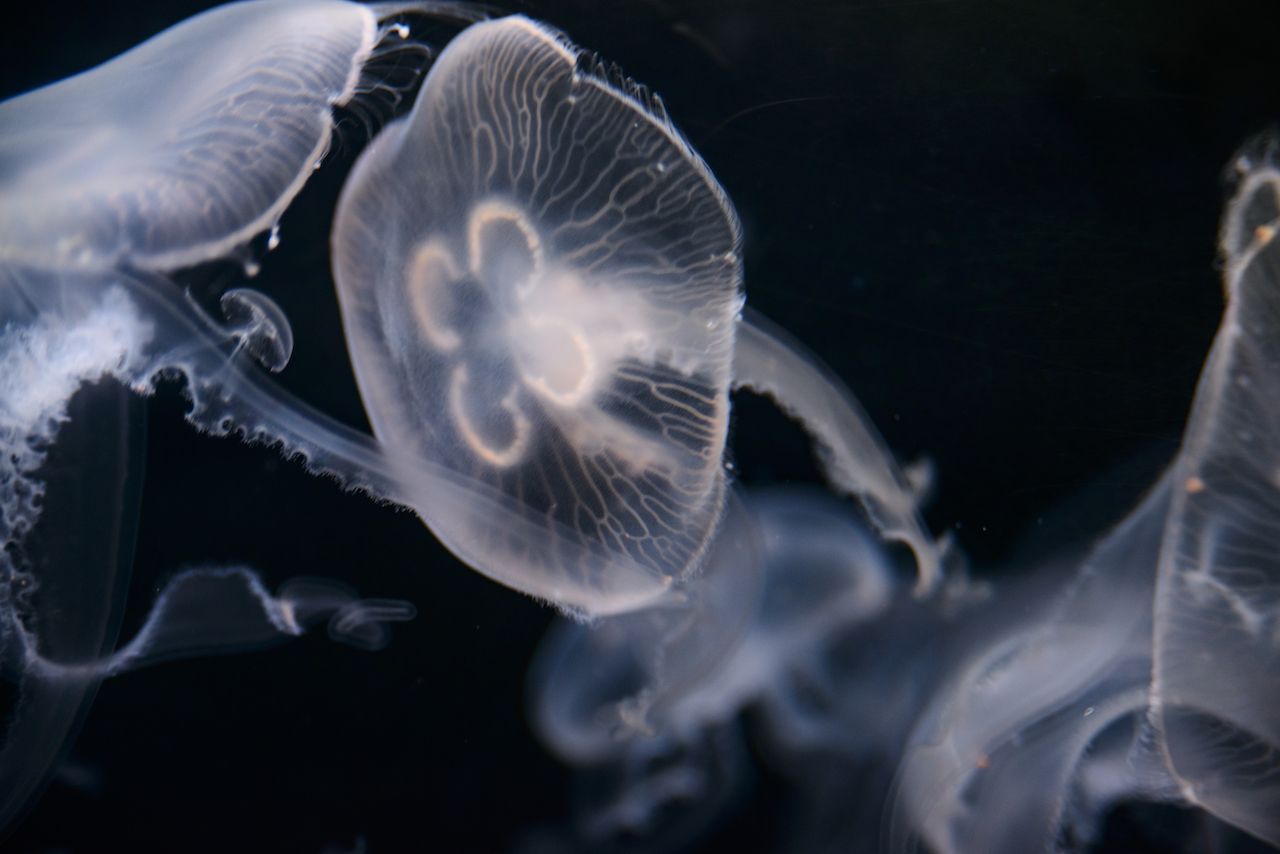
This is fairly obvious but it's best to be reminded: avoid jellyfish during summer months as they are more plentiful during the season. There are different kinds of jellyfish around the Philippines, some of which are less harmful than others. Common and less harmful ones are the Aurelia or moon jelly while one of the most dangerous ones is the box jellyfish, which can kill a human if stung on the chest or face.
NOW READ
13 Must Know Wildlife Photographers To Follow On Instagram
An Instagram-Worthy Stay: 12 Picturesque Hotels Around The World
Topics





