

Cover Photo: Mandai Wildlife Group
Photo: Mandai Wildlife Group
1 / 1
Le Le will be on display at River Wonders at 10.30 am and 3.30 pm daily for 20 to 30-minute intervals each
This story was first published on August 16, 2021, and updated on December 30, 2021.
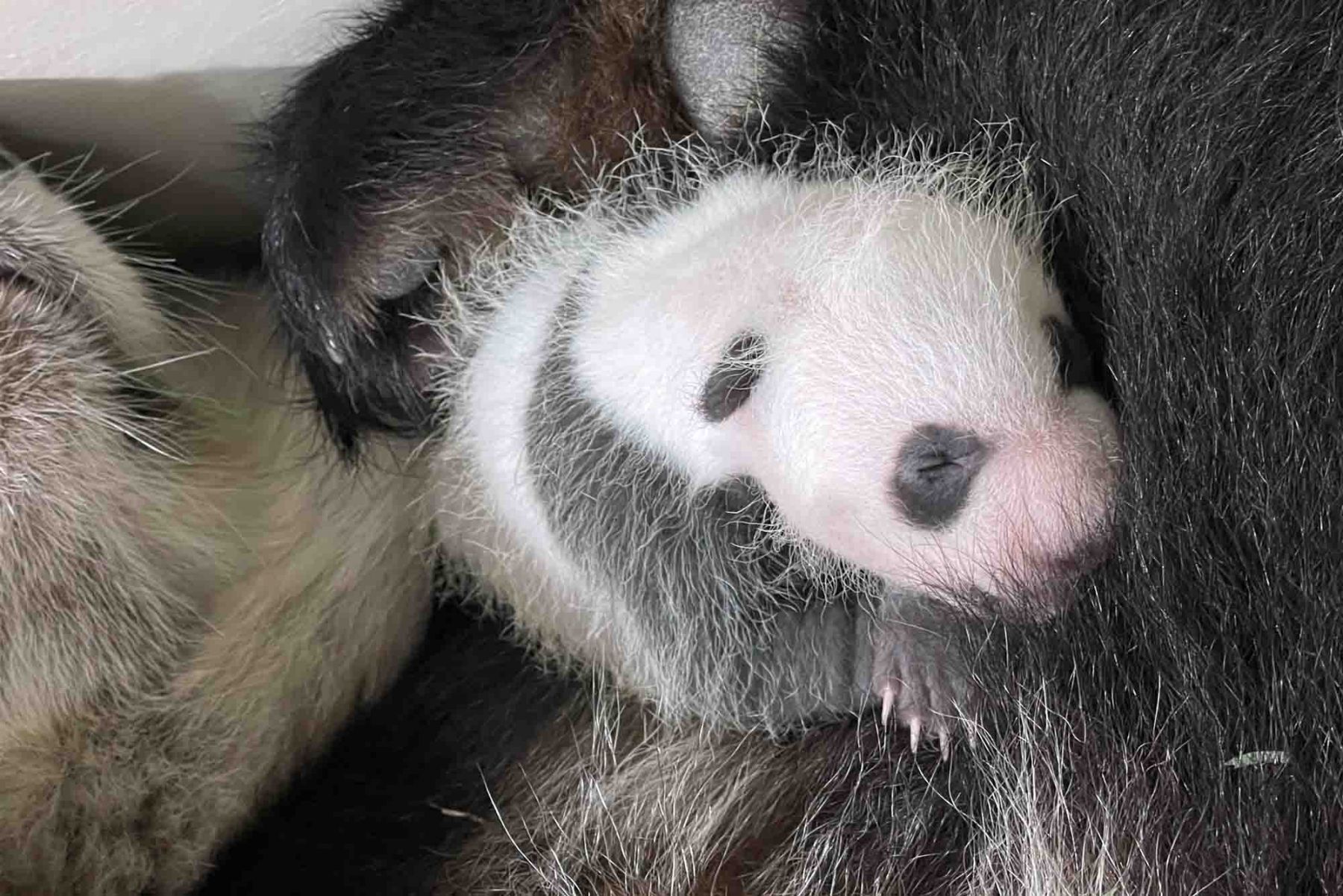
It has been an exciting past few months for Singapore and the team at River Wonders as the nation’s first panda cub was born on August 14 to Kai Kai and Jia Jia. Now, the adorable cub has finally been named Le Le, making his official public debut today (December 30).
Don’t miss: Watch Live Games From the NBA Season Restart and Enjoy a Virtual Singapore Zoo Visit This Week
Le Le’s name was derived from an old Chinese term, “shi le po”, which refers to Singapore. The term was used when Singapore was just starting out as a trading hub and is also a transliteration of the Malay term “selat” which means straits.
Le Le’s name was officially revealed by Singapore and China on December 29 after members of the public were asked to submit and vote for their favourite names.
Some of the other popular names in the running were Hong Hong, Xin Le, Xin Yang and Xin Yuan. Le Le made his public debut in his new glass-fronted nursery at the Giant Panda Forest at River Wonders, formerly known as River Safari.
He will be on display twice a day at about 10.30 am and 3.30 pm daily. Each viewing session is set to last 20 to 30 minutes, according to Mandai Wildlife Group.
“These viewing periods coincide with Jia Jia’s feeding and exercise sessions when she is comfortable to leave little Le Le on his own,” said the group in a press release.
Of course, this is subject to change depending on how well the cub and his mother do when they are apart.
“At four-and-a-half months, he continues to be heavily reliant on mom’s milk and tender loving care. Both Le Le and Jia Jia are also still getting used to spending more time away from each other, so we adapt their daily routines based on close observation to ensure their well-being remains the top priority and that they do not display any stressful behaviours,” said Mandai Wildlife Group animal care officer Trisha Tay Ting Ni.
Of course, the road to Le Le’s debut has been very exciting and the cub has been growing steadily and celebrating many milestones such as his first 100 days and when he learnt to crawl. In fact, Le Le even had a party for his gender reveal.
The cub’s gender was revealed by Kai Kai as part of his 14th birthday celebrations. Kai Kai got to tug on an enrichment gift which released a shower of blue confetti, along with carrots as part of the celebrations.
The gender of the cub was determined by a series of visual assessments performed by Wildlife Reserves Singapore’s (WRS) panda care team as well as with consultations from a team of experts from the China Conservation and Research Centre for Giant Panda (CCRCGP).
Don’t miss: 11 Best Dog-Friendly Cafes and Restaurants in Singapore

Above Photo: Wildlife Reserves Singapore
Photo: Wildlife Reserves Singapore
1 / 1
The birth of the cub was an incredible and rare feat by the two adult pandas who have gone through seven breeding seasons since they began mating in 2015.
Giant pandas are notoriously difficult to breed in captivity mostly because females only ovulate once a year and their fertility only peaks for between 24 to 36 hours.
Though Kai Kai and Jia Jia displayed signs of being in heat early in 2021, they were unable to successfully mount and WRS had to collect and freeze semen from Kai Kai which they then used to artificially inseminate Jia Jia.
Pandas typically have a gestation period of about three to just over five months and it was only on August 10, 2021, that vets saw a clear outline of a panda foetus and heard a strong heartbeat during an ultrasound scan.
Until now, Jia Jia and her new cub were in an off-exhibit den as they nursed and bonded.
Today, the cub, who was about 200 grams at birth, weighs 9.62 kilograms as of December 29.
Jia Jia and Kai Kai’s reproductive feat is thankfully not the only iconic one that WRS has managed to achieve over the years. In fact, keep scrolling to see all their latest milestone animal births.
Don’t miss: Looking to Adopt a Cute Pup or Dog? Try the Singapore Zoo
1. Singapore Zoo: Lion cub
Above Photo: Wildlife Reserves Singapore
Photo: Wildlife Reserves Singapore
1 / 1
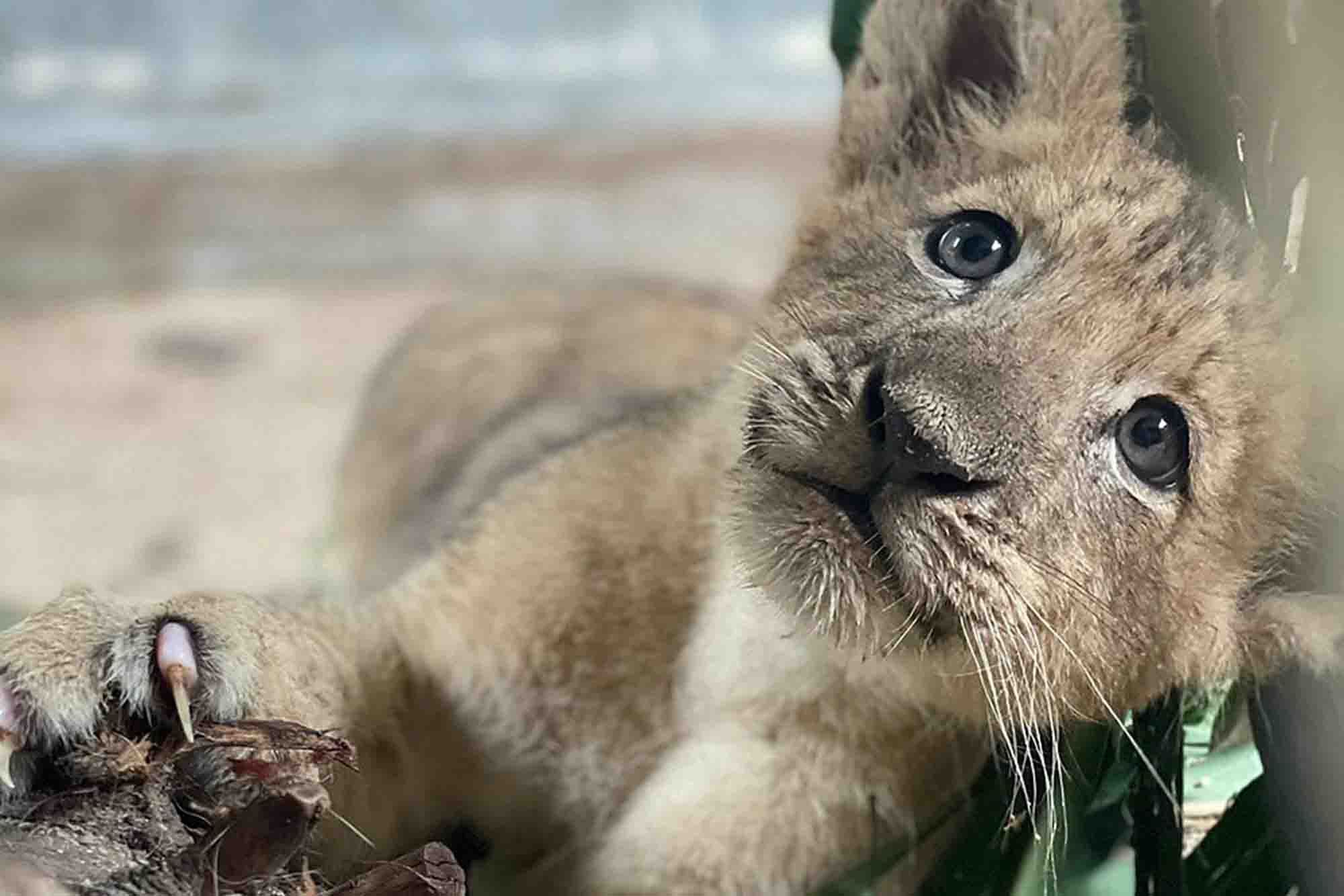
It was a momentous day for the team at the Wildlife Healthcare and Research Centre in the Singapore Zoo on October 23, 2020, when a male lion cub was conceived through assisted reproduction.
The team worked to collect semen from the cub’s father, Mufasa, using the process of electro-ejaculation and with Kayla, a lioness, they were able to bring baby Simba into the world.
Unfortunately, Mufasa never got to meet his son as he died following the procedure as a result of his deteriorating health.
Don’t miss: 7 Best-Dressed Dogs To Follow On Instagram in 2021
2. Night Safari: Malayan tigers
Above Photo: Wildlife Reserves Singapore
Photo: Wildlife Reserves Singapore
1 / 1
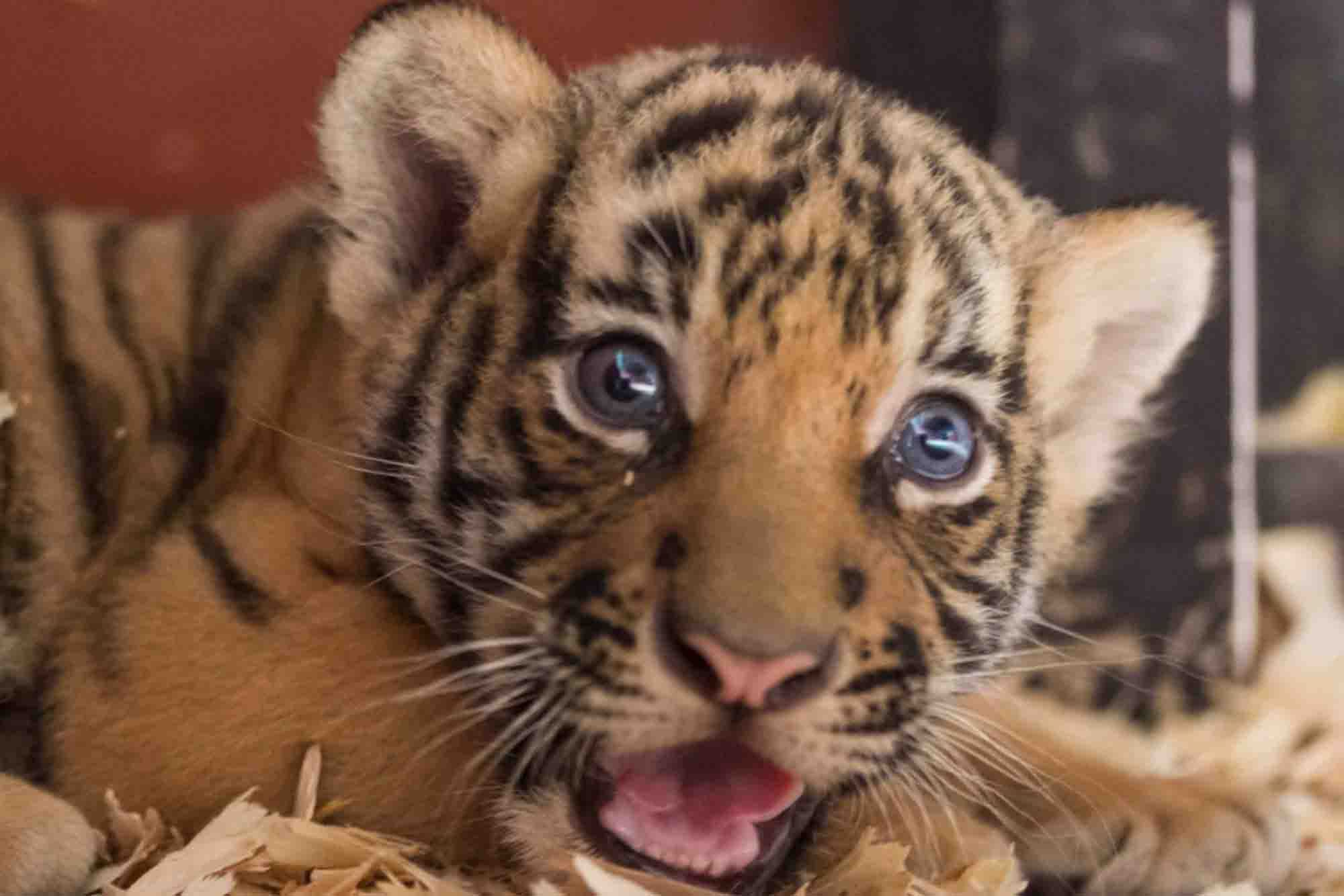
It was a belated Christmas miracle for the team at the Night Safari when they welcomed a pair of Malayan tiger cubs on December 27, 2020.
This was the first birth of this endangered sub-species that the Safari has seen in over two decades (the last birth was in 1998) and they added to the other 24 other successfully bred Malayan tigers in Wildlife Reserves Singapore’s (WRS) parks.
Their birth was particularly significant because, over the years, there has been a lack of suitable breeding pairs especially because genetic diversity has to be considered.
3. Jurong Bird Park: Red-fronted macaws
Above Photo: Wildlife Reserves Singapore
Photo: Wildlife Reserves Singapore
1 / 1
Breeding season at the Jurong Bird Park in 2020 was pretty fruitful with the park welcoming a western long-tailed hornbill, crowned hornbill, violet-backed starling, Golden-breasted starling and a burrowing owl.
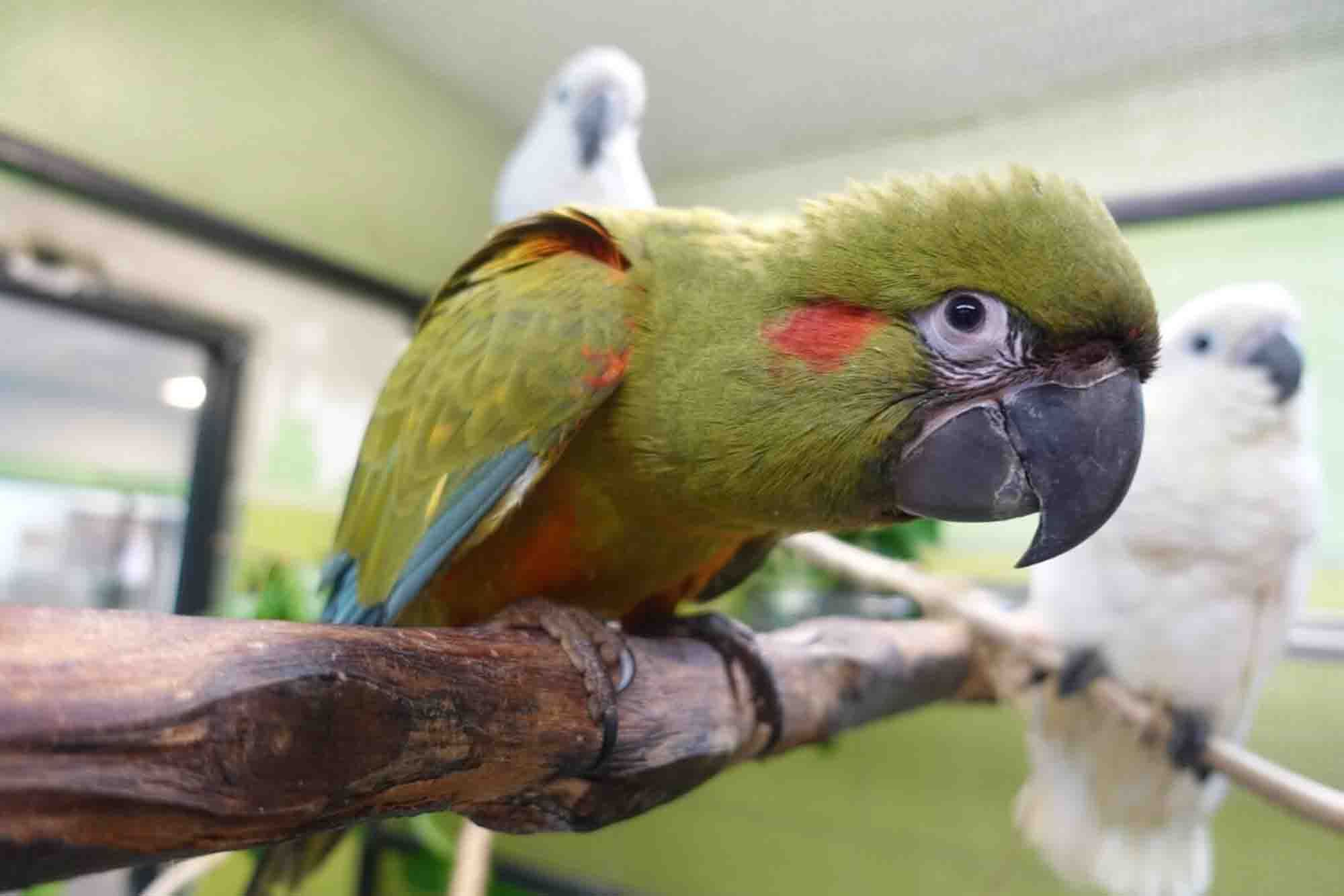
However, the most iconic births were the two beautiful red-fronted macaws. These creatures are critically endangered due to habitat loss and illegal trade and Jurong Bird Park’s Breeding & Research Centre made the decision to hand-raise these special chicks in order to ensure their survival.
Don’t miss: Birdwatching in Asia: Here’s Why This Hobby Is Taking Flight
4. Singapore Zoo: Red ruffed lemurs
Above Photo: Wildlife Reserves Singapore
Photo: Wildlife Reserves Singapore
1 / 1
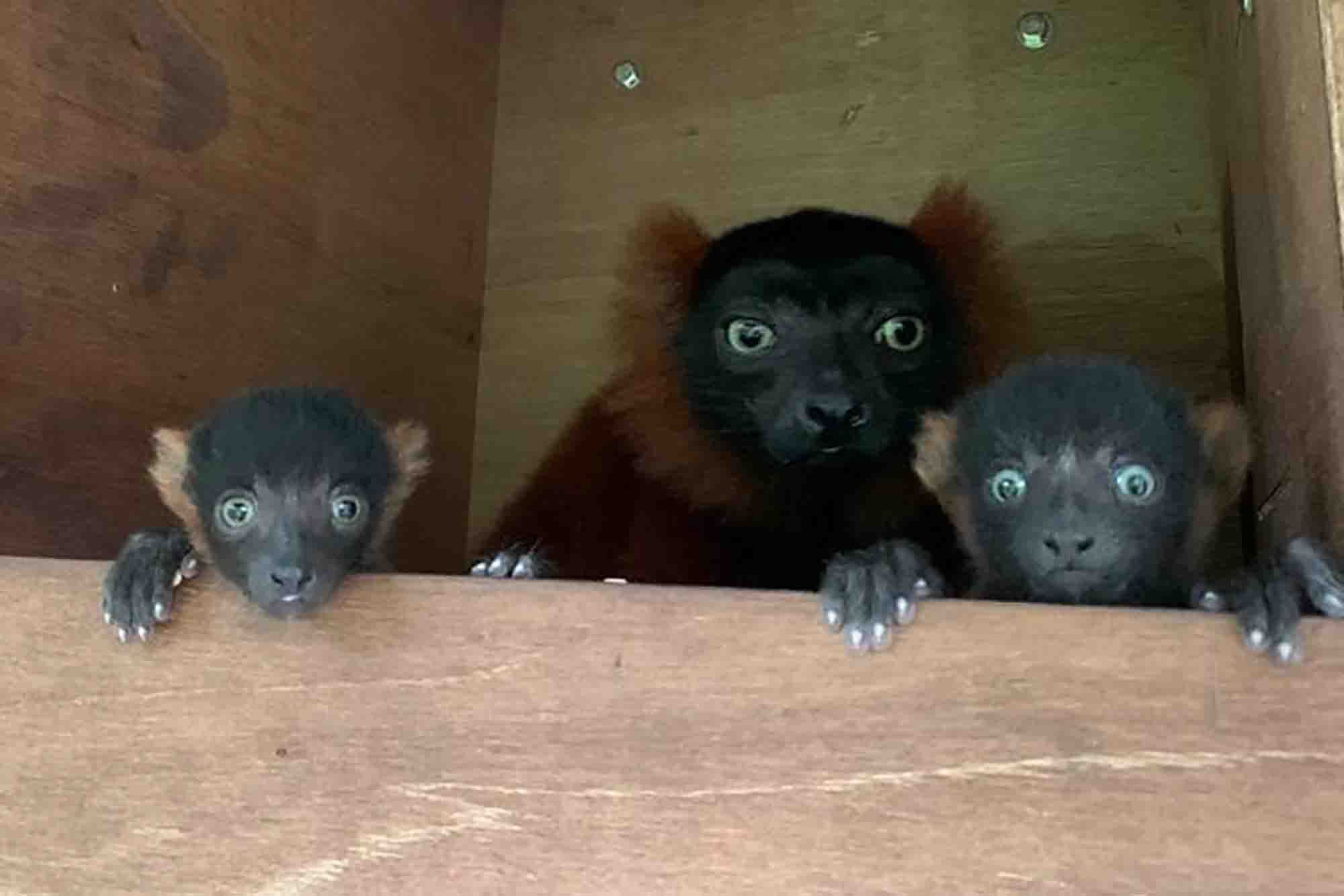
Just as Covid-19 started spreading across the world in 2020, the Singapore Zoo had quite a bit of good news with the announcement that twin red ruffed lemur babies had been born.
This birth was very significant because the animals are critically endangered and the last birth of these creatures that the zoo had happened 11 years ago when the twins’ father, Bosco, was born.
“Reproduction for these rust-coloured primates is notoriously difficult as they only breed once a year,” the reserve shared. “On top of this, females are only fertile for one out of the few days they are sexually receptive, making this twin birth particularly special.”
5. Singapore Zoo: Black-legged poison frogs
Above Photo: Wildlife Reserves Singapore
Photo: Wildlife Reserves Singapore
1 / 1
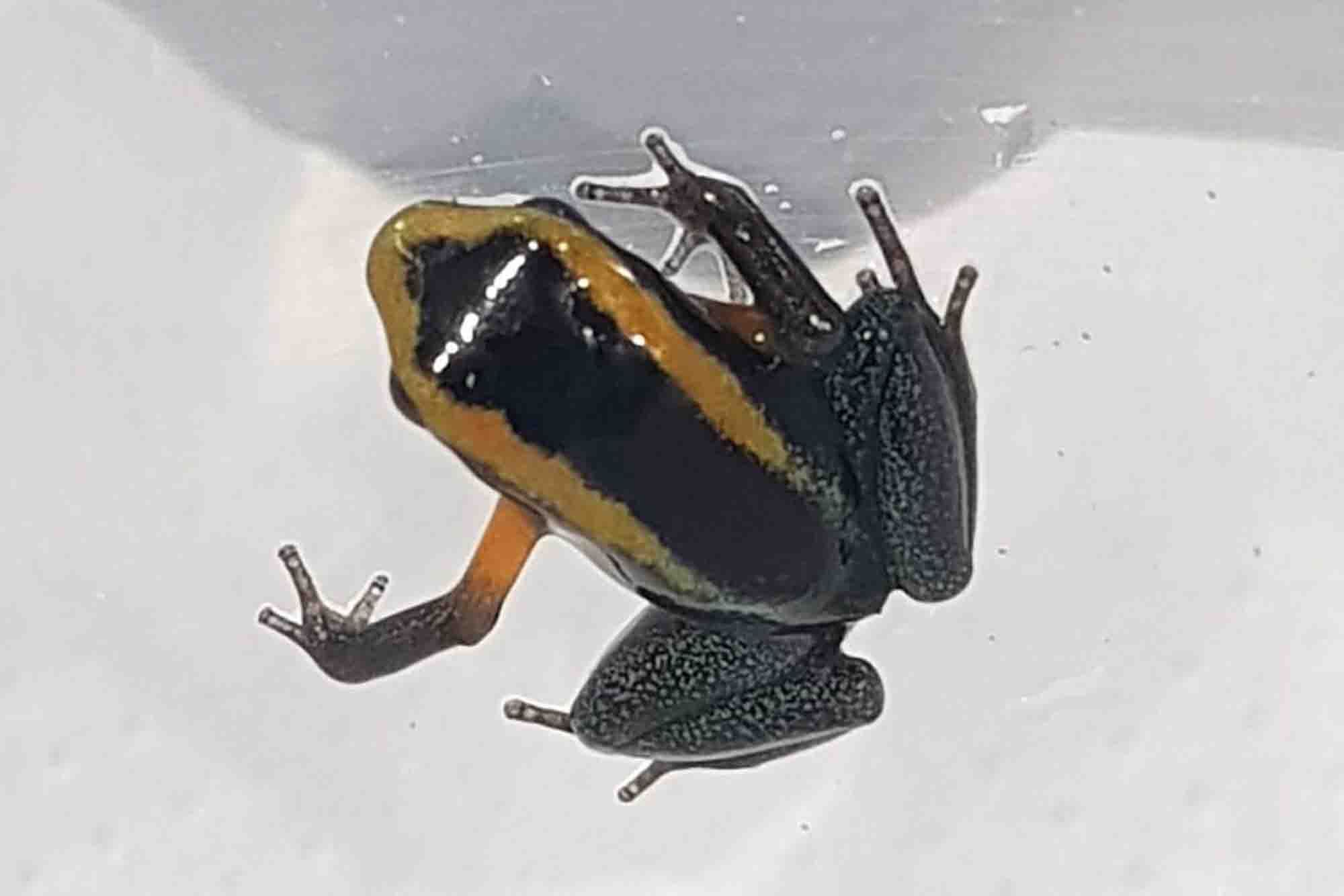
They might be small but these beautiful black-legged poison frogs are highly dangerous to humans and are also endangered as a result of the illegal pet trade and habitat destruction.
This is why it was so special when seven of the creatures were welcomed by the Singapore Zoo’s Reptopia team in 2020.
As these frogs are naturally found in tropical rainforests, the zoo has had to ensure that the new frogs were kept under high humidity levels to ensure that they survived.
NOW READ
Covid-19: Can Your Pet Contract the Virus? Here’s What You Need to Know
Are Silkie Chickens the New Trendy Pet to Have in Singapore?
Keeping Chickens in Singapore: How to Take Proper Care of This Pet at Home
Topics

Camillia Dass is the digital writer for Tatler Singapore.





