

Cover From Instagram to in-store: Mir Momin Parveez and Yesshminni Ravindran at their Yeshan Sarees boutique in Pavilion Bukit Jalil
From Instagram to in-store: Mir Momin Parveez and Yesshminni Ravindran at their Yeshan Sarees boutique in Pavilion Bukit Jalil
1 / 1
Meet Yesshminni Ravindran and Mir Momin Parveez, the enterprising duo determined to put Indian-made ethnic apparel on the map
“We’ve always believed that if you want to do something great in this world, you can’t do it alone,” muses 27-year-old Yesshminni M.R. Ravindran, one half of the duo that founded Yeshan Sarees, an ethnic Indian fashion house that emerged in 2015 on Instagram.
Eight years later, Yeshan Sarees is beloved by clientele across 35 countries, crafting over 7,000 garments and opening its 1,100 sq ft flagship boutique at Pavilion Bukit Jalil, in time for Deepavali 2022. A year after becoming the first Malaysian Indian ethnic apparel brand to open at Pavilion Bukit Jalil, Yeshan Sarees is making waves yet again in 2023, securing partnerships with Pavilion Kuala Lumpur’s Parkson Elite and E-commerce fashion platform Zalora, where Yeshan Sarees’ lehengas, sarees, and kurtis will be sold for the first time.
Yesshminni, who studied medical biotechnology at university, met her business partner Mir Momin Parveez during her studies, and the pair have been firm friends ever since.
Related: Saree, Not Sorry: Why Sumitra Selvaraj Wears A Saree Every Day


Above Ipoh-born Yesshminni or 'Yesh' Ravindran studied medical biotechnology in university
Ipoh-born Yesshminni or 'Yesh' Ravindran studied medical biotechnology in university
1 / 1
“In my native language Kashmiri, we have a saying that one plus one isn’t two, it’s 11,” says Momin, 26, in between brotherly jesting at his co-founder. “When two brains are together, they work like 11 people’s brains. And that’s what it’s like with us at Yeshan Sarees.”
From sleepless nights to days with no money to pay rent, the two have endured countless hurdles in their ambition to make Yeshan Sarees a leading brand in Asia for artisanal ethnic Indian clothing. In an effort to make authentic, customisable and high-quality sarees and lehengas more accessible to a global clientele—some customers have come from as far as Australia to visit the store—Yeshan Sarees targets both mass and luxury consumers through two distinct collections.
See also: ‘Bridgerton’ Season Two Teases Stunning South Asian Representation
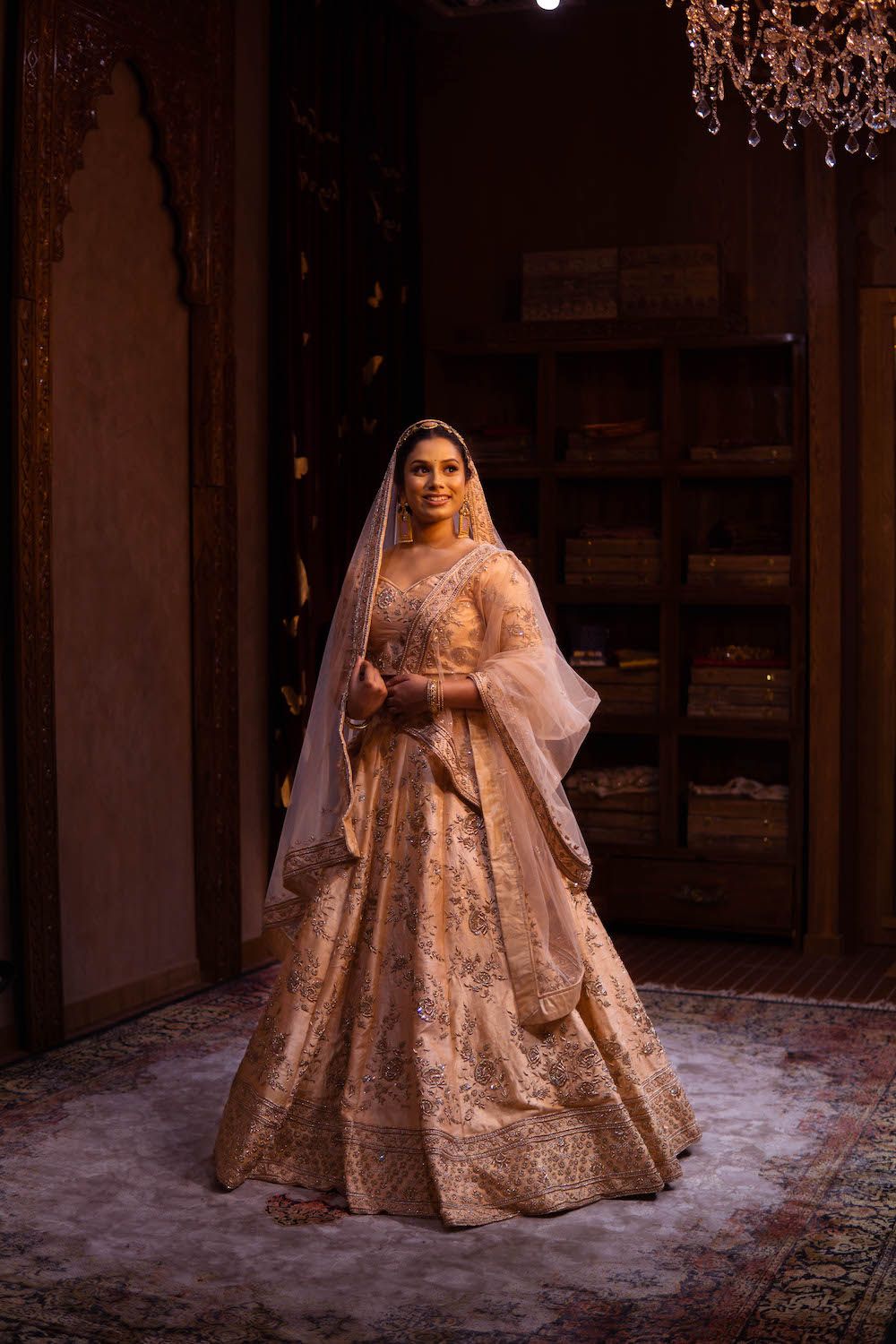
The namesake Yeshan Sarees line consists of ready-to-wear sarees, lehengas, and kurtis. Then there’s Proudly, which is a bespoke luxury couture line that specialises in custom-made bridal and evening wear made with silk handloom weavings and traditional handwork styles of zardozi, dabka, and kantha.
“It was our first time opening a store, and it was a big responsibility for us,” Momin says, relating the challenges of translating a brand that performed so well on Instagram into a premium, in-store experience. “You open 365 days a year. You open at 10am and close at 10pm. You can't take holidays, and you can’t open late. It took us around six months to adapt, and it was a learning phase for us on how to manage a store, E-commerce and Instagram.”
Juggling multiple hats as saree designers, website developers and business owners, Yesshminni and Momin tell Tatler what motivates them to share India’s rich artisanal heritage and culture with the world.
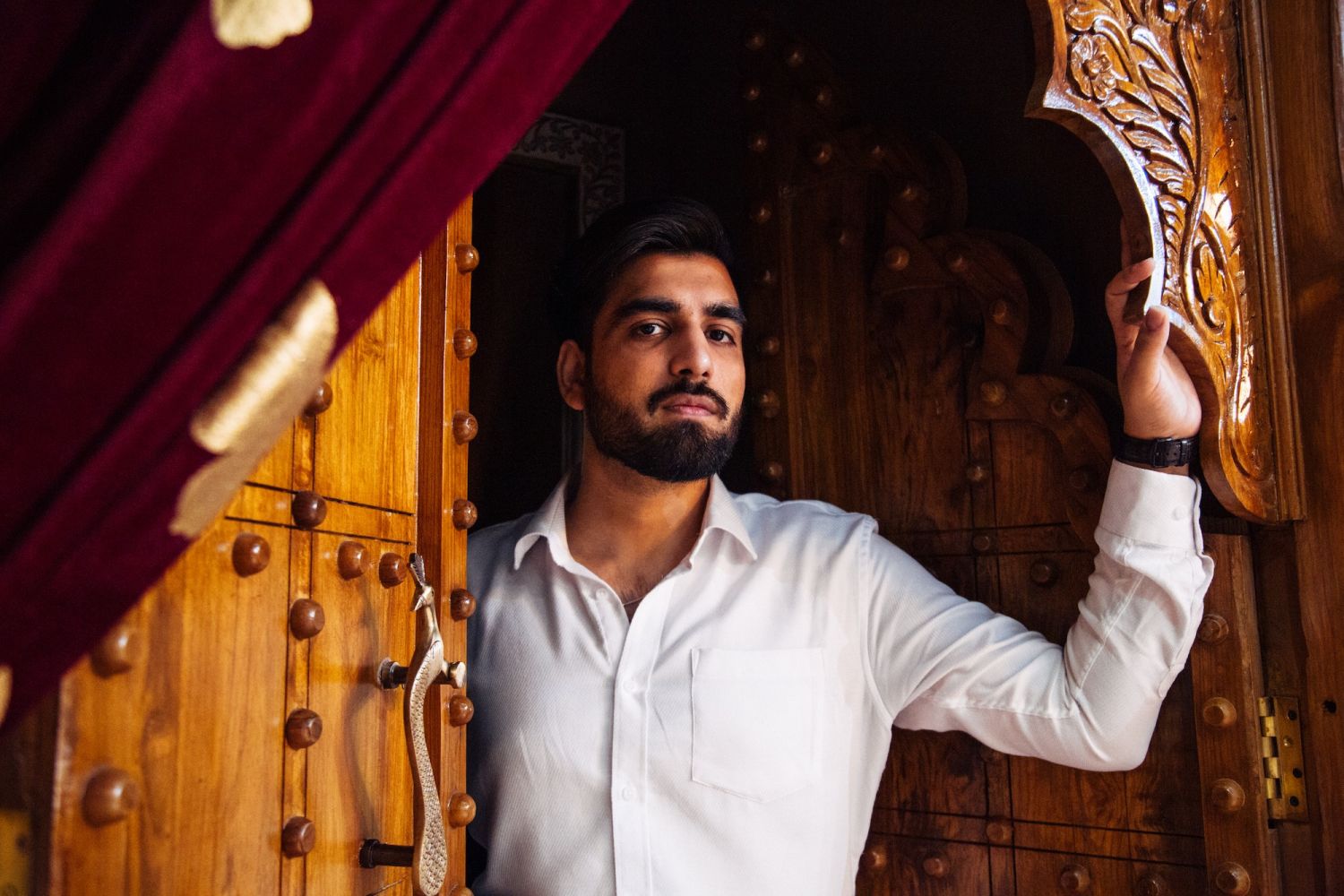
Above Mir Momin Parveez aspires to showcase the craftsmanship of artisans in his homeland of India
Mir Momin Parveez aspires to showcase the craftsmanship of artisans in his homeland of India
1 / 1
How does Yeshan Sarees distinguish itself from other ethnic Indian fashion houses?
Momin: The problem we were trying to solve is that Indian ethnic clothing was not as accessible as it could be. Most places selling Indian ethnic clothes won’t tell you much about the fabric you’re buying or where exactly it was made. In India, each state has its own handloom culture. You can tell from seeing a certain type of fabric whether it’s from the north, south, east or west.
A Kanjivaram bridal saree for instance, is made from silk and made in Kanjivaram. A North Indian bride looking for a Banarasi saree would look for one that’s handwoven in the traditional Banarasi way.
Yesshminni: Fast fashion has caused us to remain oblivious to how or where a garment is made and who made it. We started to learn what Kanjivaram was and what made it so special. Why our grandmothers or mothers could brag that their Kanjivaram saree was of the same quality as it was from 20 years ago. We don’t hear brides nowadays keeping bridal sarees from 10 years back to pass on to their daughters or granddaughters. What changed?

Above A pure handloom Kanjivaram made by a master weaver in India with 25 years' experience (Photo: MDClicks Photography)
Above Photo: MDClicks Photography
A pure handloom Kanjivaram made by a master weaver in India with 25 years' experience (Photo: MDClicks Photography)
1 / 2
Momin: Industrialisation—the need to make something quick and cheap—has killed the art form to an extent. I’m not saying that everyone should spend RM1,000 to RM2,000 on a saree. I’m saying it shouldn’t be sold in the name of something else. Don’t sell a machine-made saree for RM50 and call it a Kanjivaram. The Kanjivaram saree is something that 50 people in an entire village in Kanjivaram worked on for a month. It’s just not the same thing.
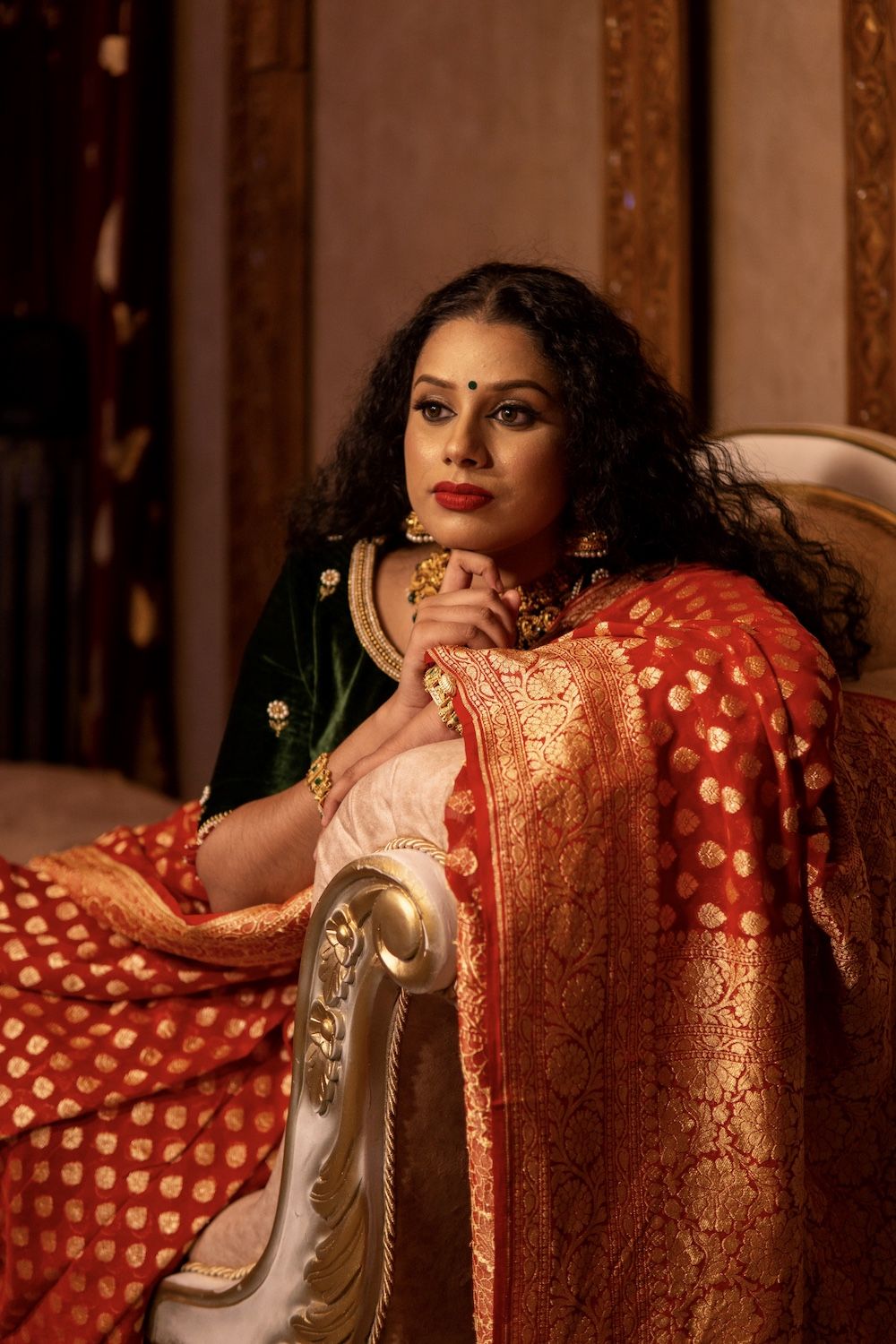
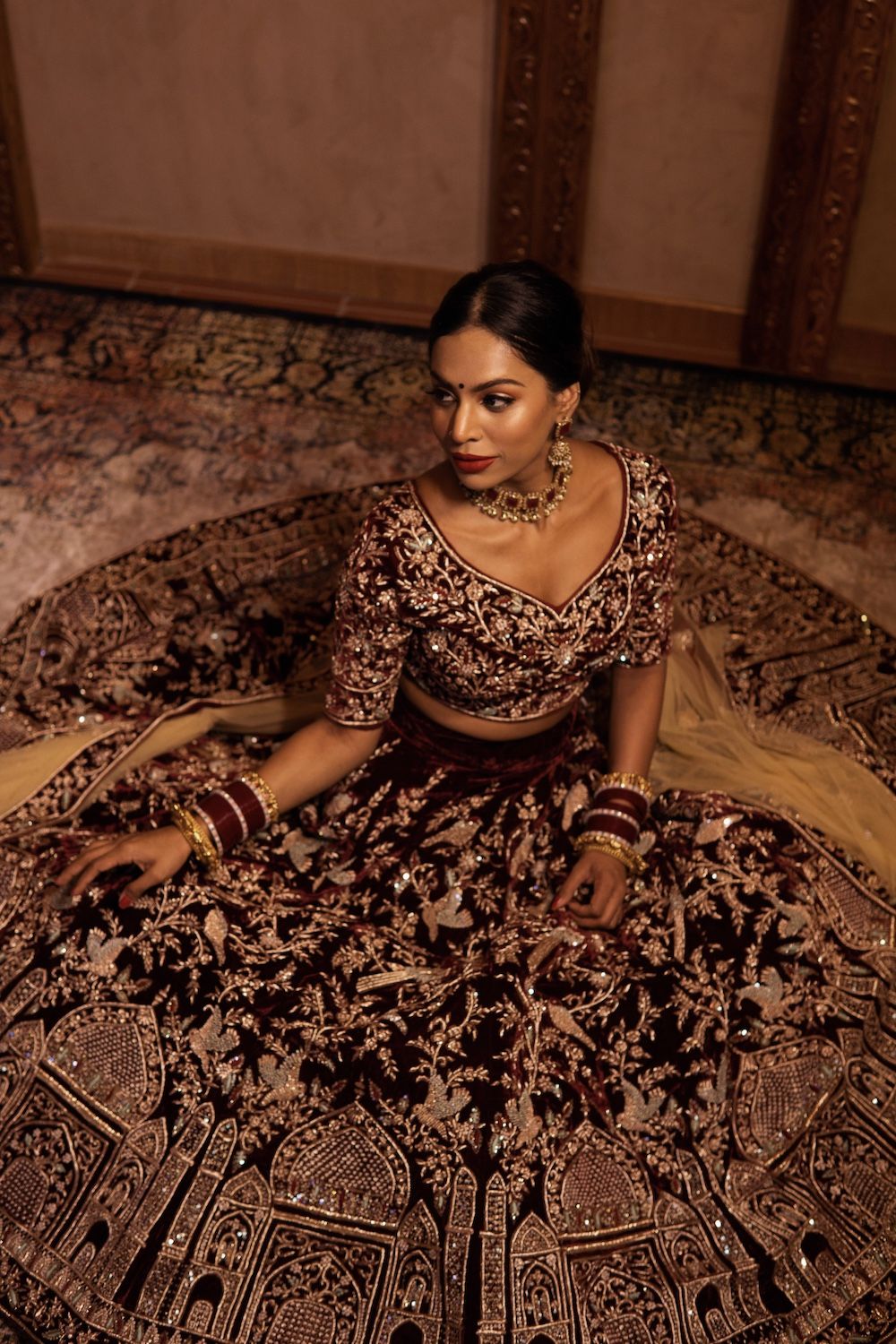
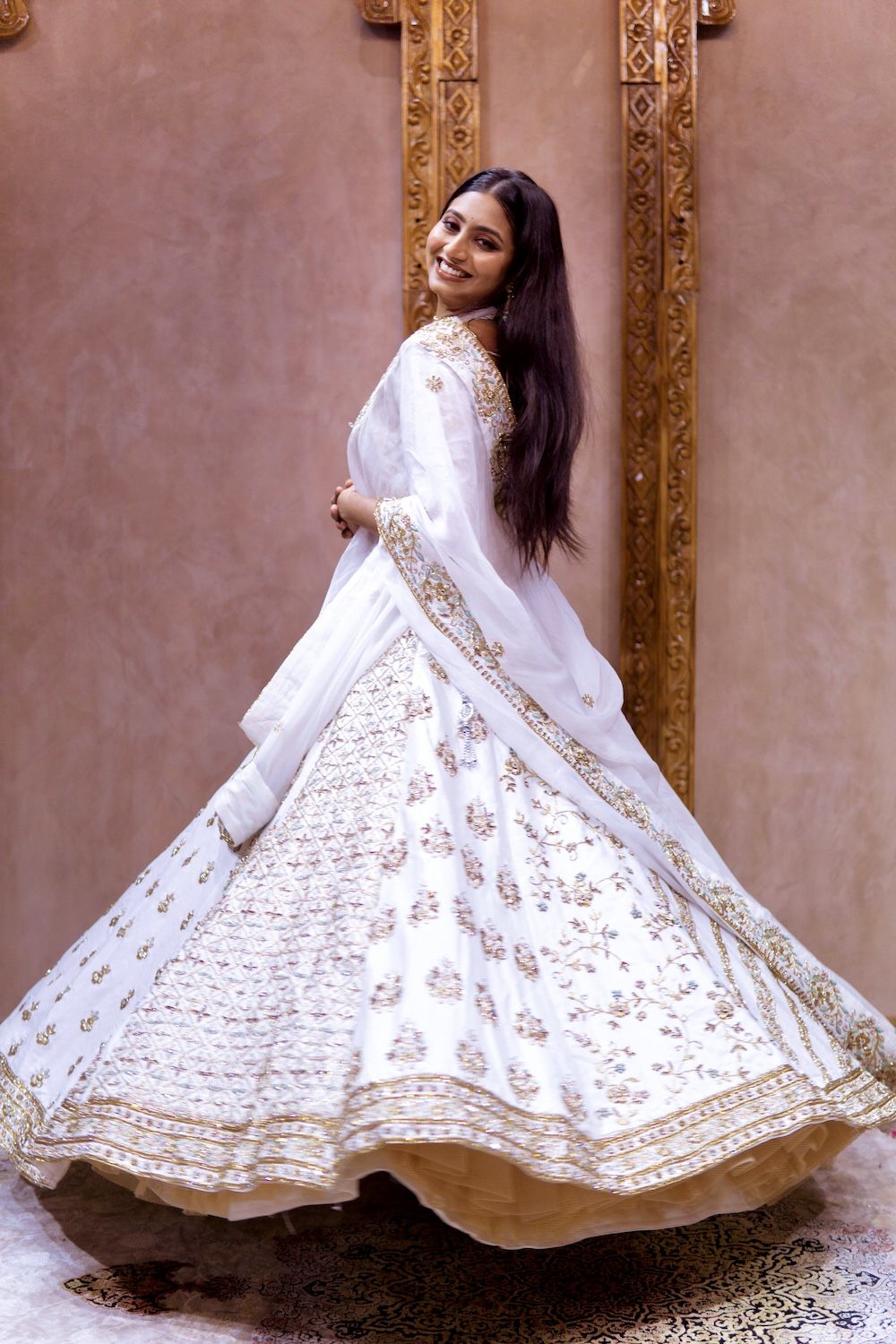
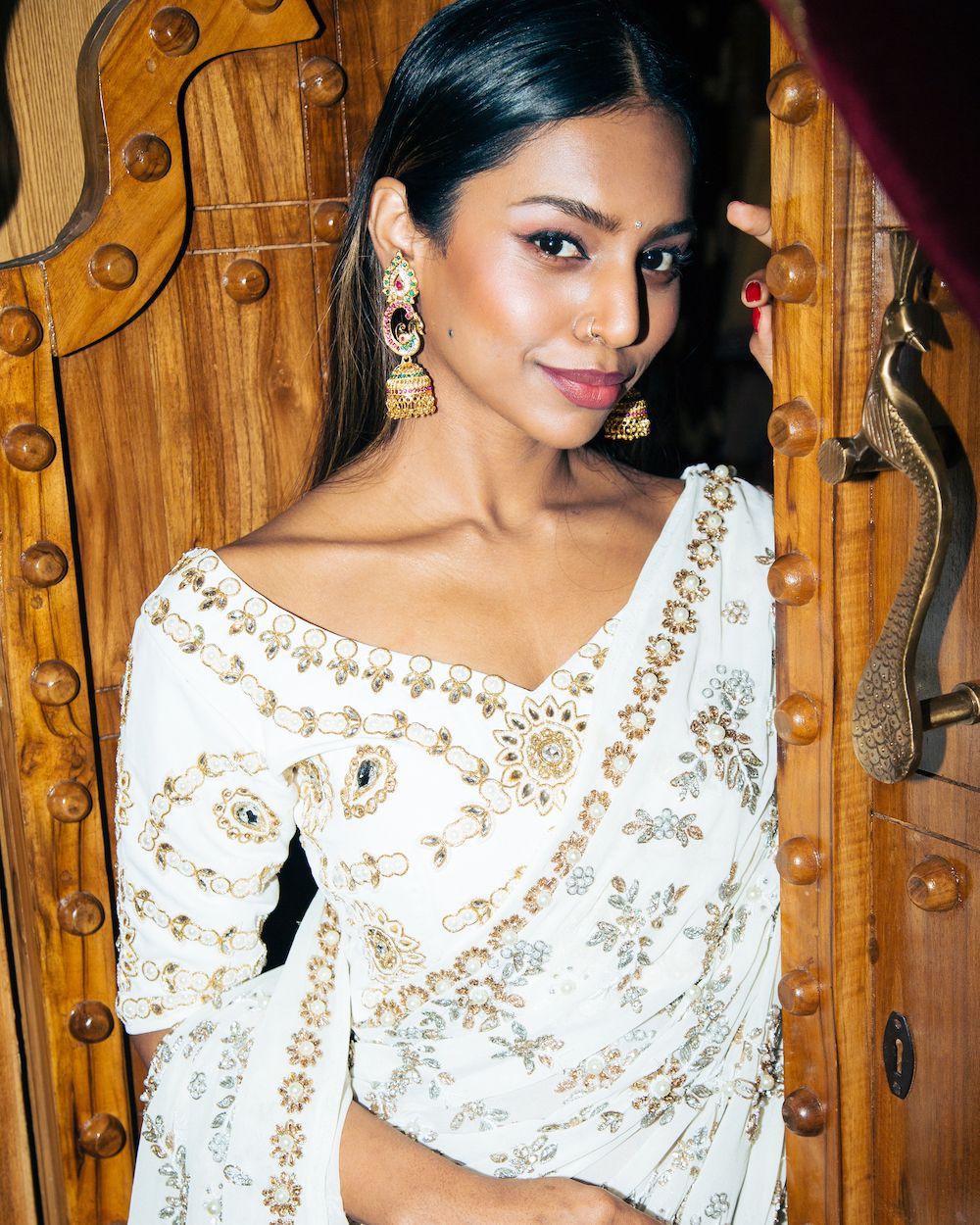
A model wears a saree from Yeshan Sarees (Photo: MDClicks Photography)
1 / 3
How much effort goes into a typical garment at Yeshan Sarees?
Momin: It depends. Proudly only uses pure fabrics that are handcrafted by experts we work with from six different states in India. Everything is handcrafted by weavers who inherited their skills from their parents or grandparents.
Yesshminni: These artisans are so far out of the reach of regular consumers. But our goal is to empower the artisans who have been so subjugated in an environment that compels them to compete with the output of machines or gives them orders without letting them explore their full potential. It’s like taking someone who knows the ocean and asking for a bucket of water. What we’re trying to do is put all this heritage out there so people everywhere can start noticing, start appreciating, and start learning.
What do you think makes the saree so appealing even to other races?
Momin: When you buy one saree, you can wear it a million times and make it into different things. We have so many Malay customers who buy our fabric and end up making them into baju kurung. The same goes for our Chinese customers. Men can drape saree material into pants and pair it with a T-shirt or a kurta. It’s such a versatile product.
1 / 1
What’s the most elaborate custom order you’ve ever received for Proudly?
Momin: We had one lady who requested a saree with the letters ‘LV’ on it, and she wanted it in real gold silk. That saree took 60 days to weave, but it’s one-of-a-kind.
Is it challenging to educate customers about the authenticity of Yeshan Sarees pieces?
Yesshminni: We want to be honest with customers about what they’re getting. We're selling the story along with that garment. There’s a difference between simply selling a saree to someone versus taking the time to really explain it to them. It shows them you care and it makes them feel like they matter.
How does it feel to celebrate one year since opening your flagship store at Pavilion Bukit Jalil?
Yesshminni: I think we understood a lot in the last one year than we have in the last eight years of having this business. It taught us that you don’t always get it right on the first go, and you may not get it right even after the 10th try, but as long as you keep getting up and working, and you keep learning along the way and are willing to change, I think you'll figure it out.
NOW READ
Saree, Not Sorry! Why I Choose to Wear This Garment Every Day
From India to international runway: meet Hong Kong-based designer Shili Patel
Credits
Photography: Imran Sulaiman
Make-Up: Shallee Ping of Tale Studio
Hair: Shallee Ping of Tale Studio
Location: Yeshan Sarees, Pavilion Bukit Jalil
Topics

Previously contributing to Esquire Malaysia, Expat Lifestyle and Newsweek, Tania oversees digital stories across Tatler’s key content pillars, also leading the Front & Female platform exploring issues and topics affecting women today.





