


What do your office toilets say about your company culture? 🚽 More than you might think. You can have all the inspiring mission statements, fancy coffee machines and employee wellness initiatives in the world. But if the office bathrooms are a disaster, something doesn’t quite add up. Clean, safe and accessible toilets might not be the most glamorous workplace perk, but they say a lot about how an organisation treats its people. And that includes everyone, from the CEO to the cleaning crew. This #WorldToiletDay (November 19), we’re taking a closer look at an overlooked leadership insight: company culture isn’t what you promise. It’s what your people experience. So, what’s one small workplace detail that tells you a lot about a company’s culture? #TatlerLeadership #Leadership #WorkplaceCulture Images: 20th Century Fox Television; Unsplash, Pixabay, Pexels, ChatGPT
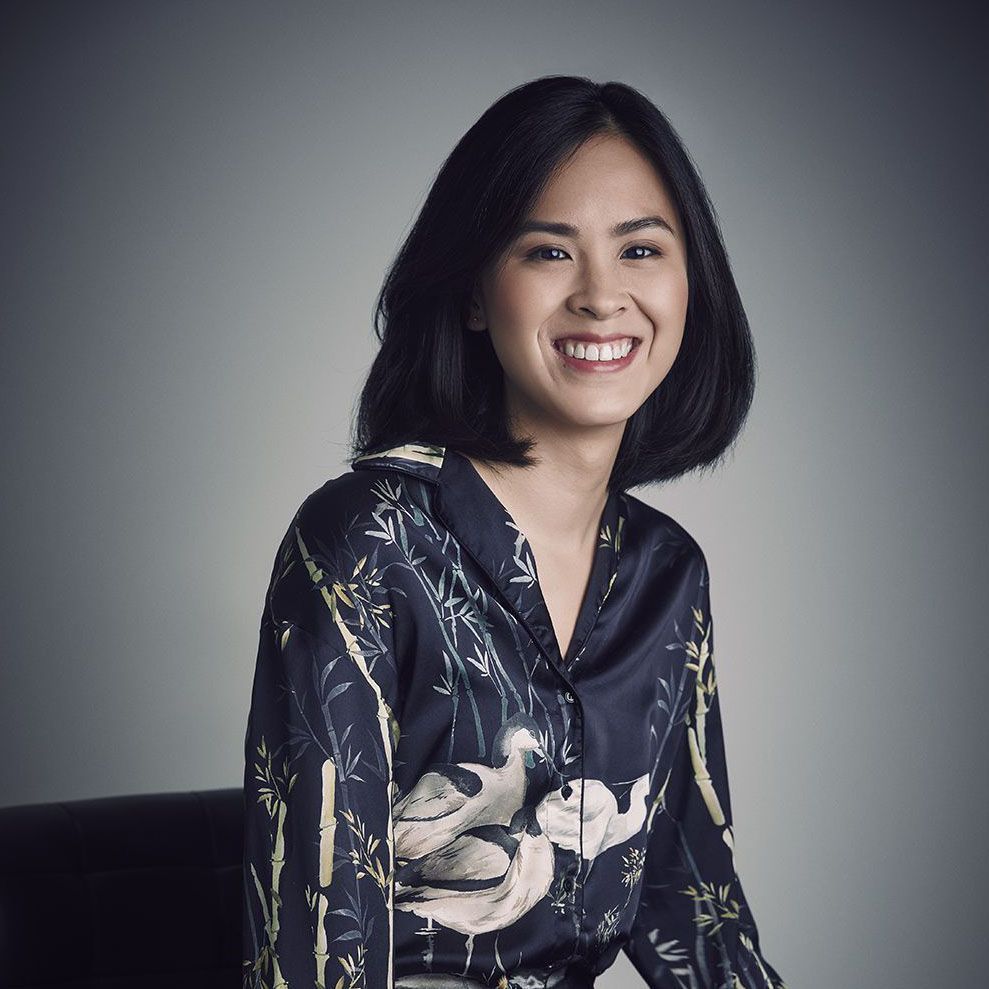
Up against a problem that feels too big for you? Dr Sylvia Earle's advice starts with what you're good at. To anyone who feels powerless, the renowned oceanographer says to find your "superpower", then put it to work with others who share your goals. "Nobody can do everything that is needed, but everyone has the power to do something." Additional clips: Getty Images Location: OceanXplorer
English actor Robert Pattinson has been named the new James Bond. Before he dons the tuxedo, we look back at six of his past characters, and the habits they’d bring to the office. Swipe for what to copy and what not to. Tag your team's Cedric Diggory. Photos: A24, Amazon MGM Studios, Entertainment One, Lionsgate, Warner Bros Entertainment
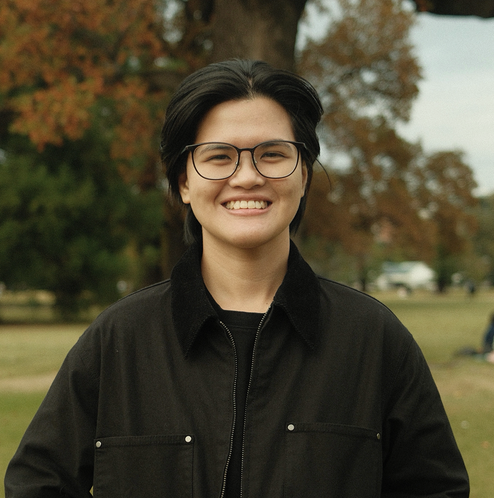
"It never feels like work when you're completely engaged with everything that it encompasses." Katrina Razon, the wife of Wonderfruit founder Pete Phornprapha and founder of KSR Ventures which invests in social enterprises, on the reality behind building Wonderfruit. The business world often debates work-life balance, but visionary enterprises are rarely built in compartments. When ambition is woven directly into how you live, breathe, and lead, relentless execution ceases to be friction, it becomes second nature.
Mickey Mouse turns 98 today. But before there was a mouse, Walt Disney had a rabbit. Disney helped create Oswald the Lucky Rabbit, but his distributor held the rights. Losing control of Oswald set the stage for Mickey, who made his big-screen debut in ‘Steamboat Willie’ on November 18, 1928. A few years later, Mickey was on watch faces. Swipe to read the business lessons from Mickey's first 98 years, and tell us in the comments which lesson feels most relevant to you right now. Photos: Getty Images and Unsplash
In an economy built on infinite scroll, deep presence is a radical operational strategy. For Wonderfruit’s Pete Phornprapha, mindfulness isn’t wellness rhetoric; it’s the cornerstone of how an organization shows up. Sustainable leadership demands that we stop engineering for passive consumption and start designing environments that anchor people in the immediate moment.
William E Heinecke started a business at 17 with a US$1,200 loan. Nearly six decades later, his company, Minor International, runs more than 2,800 restaurants, nearly 200 retail outlets and more than 640 hotels, resorts and branded residences in 72 countries. The Tatler Thailand November 2026 cover star shares what he has learnt along the way. Photography: Termsit Siriphanich Other photos: Minor Hotels
True innovation begins with asking inconvenient questions. When Wonderfruit founder Pete Phornprapha set out to build a cultural platform, he didn’t benchmark against other festivals; he questioned why museums demand silence. By reimagining culture as an active intersection of mind, nature, and frequency, he proved that leadership isn’t about refining existing categories; it’s about inventing entirely new ones.
James Cameron (@jamescameron) measures a film’s success in tears: three cries per movie, at least. At the @oceanx Summit 2026 in Singapore, the director of 'Avatar' and 'Titanic' explains why: emotional reaction is how you turn curiosity into commitment. Spark it in the formative years, and one child in a thousand could become the engineer or scientist who solves the problems we can’t yet. For leaders, people don’t commit to what they understand. They commit to what moves them.