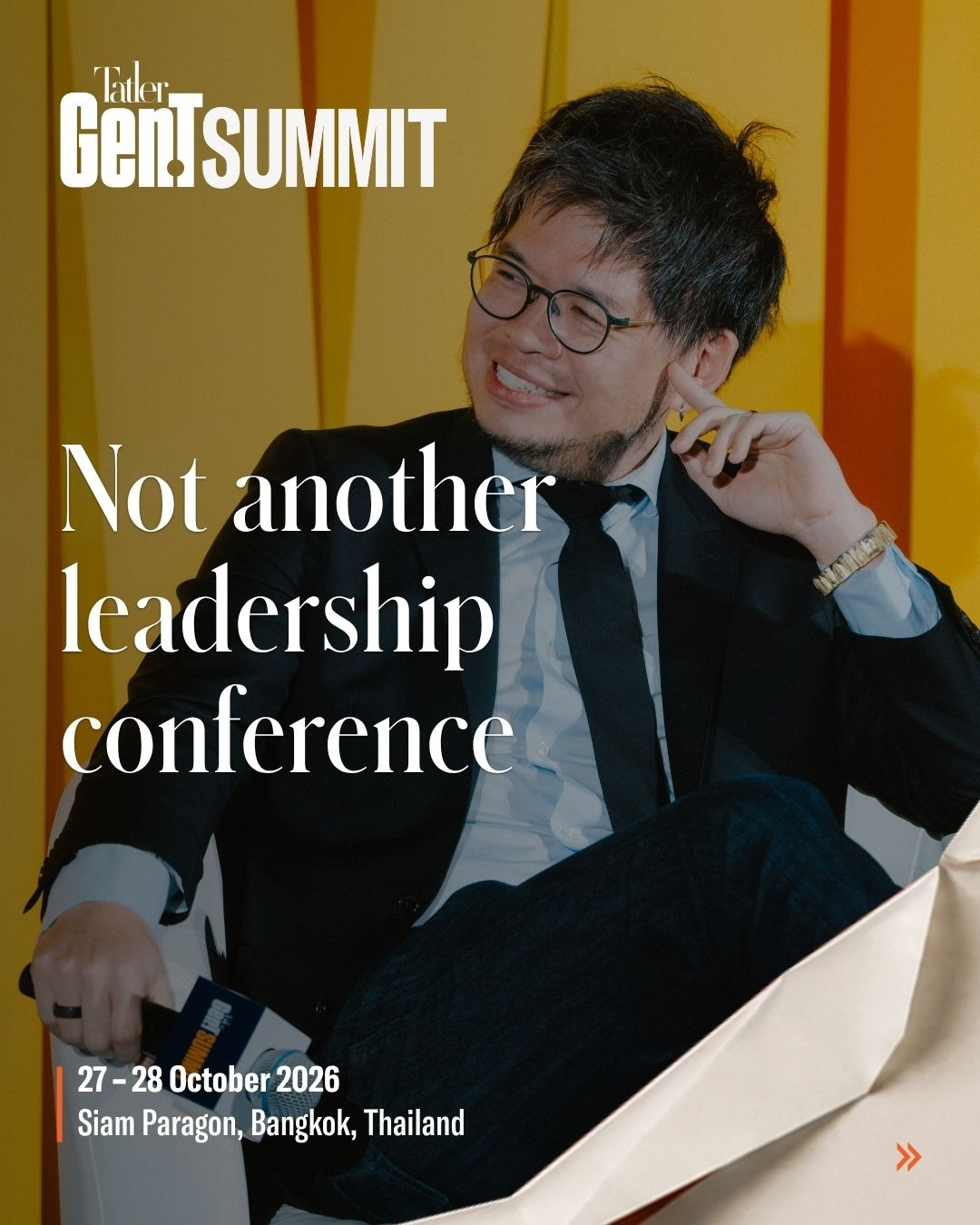
Cover HR-tech founders Jay Huang and Dorothy Yiu were part of a panel of three discussing AI’s role in affecting and addressing employee unhappiness. The discussion was hosted by Tatler in partnership with IMDA on July 8 at the Tatler House in Singapore (Photo: Benny Loh)
HR-tech founders Jay Huang and Dorothy Yiu were part of a panel of three discussing AI’s role in affecting and addressing employee unhappiness. The discussion was hosted by Tatler in partnership with IMDA on July 8 at the Tatler House in Singapore (Photo: Benny Loh)
1 / 1
Three HR-tech leaders discuss how AI can transform workplace anxiety into opportunity, challenging traditional notions of recruitment and employee satisfaction
In an era of rapid technological transformation, the intersection of artificial intelligence and human resources has become a critical focal point for organisations worldwide. At a recent panel discussion hosted by Tatler in partnership with Singapore’s Infocomm Media Development Authority (IMDA), three tech founders discussed the complex relationship between AI, employee engagement and workplace satisfaction.
The panellists were Jay Huang, the co-founder and CEO of Pulsifi, an IMDA Spark company whose world’s first HR platform is used by MNCs, governments, education institutions and SMEs; Dorothy Yiu, co-founder and CEO of EngageRocket, an IMDA Accredited company that helps others with employee engagement and performance management; and Vaisagh “VT” Viswanathan, the co-founder and CEO of the IMDA-accredited Impress.ai, which is an AI chatbot platform for enterprise recruiters to conduct competency interviews autonomously.
The event, held at the Tatler House in Singapore, brought together C-Suites and HR heads of MNCs and local organisations looking to understand how AI can affect as well as address employee discontent. As the digital landscape evolves, the engaging discussion revealed nuanced insights into how AI might be both a source of anxiety and a potential solution for modern workers.
Read more: How to embrace AI without losing ourselves


From left: Tatler Singapore managing director Stephanie Tay with panellists Pulsifi co-founder and CEO Jay Huang, EngageRocket co-founder and CEO Dorothy Yiu and Impress.ai co-founder and CEO Vaisagh Visawanathan as well as moderator Tatler Power and Purpose editor Chong Seow Wei (Photo: Benny Loh)
1 / 5
The AI anxiety epidemic
The panel unanimously acknowledged the growing anxiety surrounding AI in the workplace. Yiu shared a striking statistic from a Deloitte study: 44 per cent of Gen Z workers report feeling burned out, partly due to fears of being replaced by technology. This anxiety is not unfounded. With major tech companies like Microsoft and Google implementing significant layoffs since the beginning of the year while simultaneously investing heavily in AI, employees are understandably apprehensive.
However, the conversation took a more optimistic turn, highlighting how AI can also become a tool for employee empowerment rather than replacement.
Read more: No, unless AI can’t do it: CEOs on Shopify’s bold hiring directive
Redefining talent assessment beyond the CV
Huang presented a different approach to talent management. Traditional recruitment methods, which rely heavily on CVs and academic credentials, are becoming obsolete. His platform, Pulsifi, uses multi-dimensional data analysis, incorporating personality assessments, behavioural insights and individual values to give recruiters a more holistic view of potential employees.
“What predicts best performance is not what [companies] are always used to,” Huang explained. He gave the example of a client who was initially sceptical about a job candidate that Pulsifi had rated highly. “The client was looking to fill a HR role, but our candidate was a biochemistry graduate,” shared Huang, adding that the client thought his platform must have made a mistake. “I encouraged them to interview the candidate anyway and they eventually hired them. A year later, they told me the person was their best hire of the year.”
This approach challenges the long-standing practice of hiring based solely on educational background or previous work experience, suggesting that understanding an individual’s intrinsic motivations is also crucial.
Read more: AI at work: what are Singapore CEOs prioritising and finding a challenge?


Samir Shah (Photo: Benny Loh)
1 / 6
Humanising the recruitment process
Viswanathan offered a compelling perspective on using AI to reduce, rather than increase, workplace friction. His company’s AI-powered recruitment platform is designed to make the application process more transparent and human-centric.
By creating AI agents that guide candidates through the entire application process, Impress.ai’s solution aims to eliminate the notorious “black hole” of job applications, he shared. More importantly, it frees up recruiters to focus on meaningful interactions about company values and candidate potential. He cited helping one client fill positions 60 per cent faster than before they automated the process.
Read more: These are the Tatler Gen.T Leaders of Tomorrow 2025 shaping Asia’s future
The future of employee engagement
The most profound insight emerged from the discussion of continuous feedback. Gone are the days of annual employee surveys that provide outdated insights. Yiu highlighted a critical finding: employees who do not participate in engagement surveys are 2.3 times more likely to resign within six months.
The solution lies in real-time, continuous listening strategies that provide immediate insights into employee sentiment. By leveraging AI to analyse both active (surveys) and passive (meeting frequency, after-hours communication) data, organisations can proactively address potential burnout and disengagement.
As the panel concluded, the message was clear: AI is not a replacement for human connection, but a tool that can enhance it. The most successful organisations will be those that view technology as an enabler of human potential, not a substitute for human interaction.
At the same time, Yiu reminded leaders to be intentional and clear about why they want to adopt AI: “Don’t fall in love with the tool, fall in love with the problem,” she said.
The future of work is not about choosing between human intuition and AI, but about finding the delicate balance that allows both to thrive.

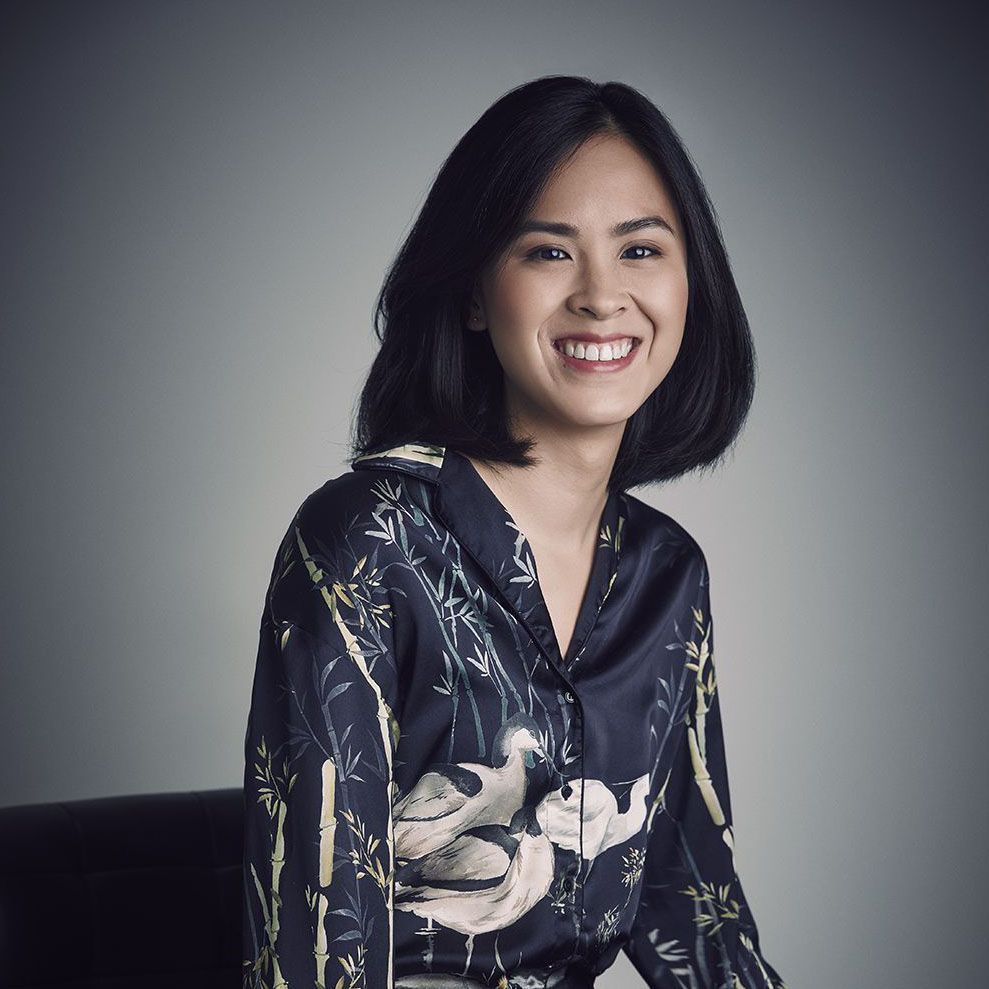
Chong Seow Wei is a regional senior editor covering business, innovation, impact and people. Based in Singapore, she oversees content for Gen.T, Tatler’s platform for promising entrepreneurs and new-generation leaders, and its Power & Purpose vertical.
Latest From Our Socials
Read Our Social Feed