

Cover Dr Vanessa von Auer (Photo: Bokelicious Photography)
Dr Vanessa von Auer (Photo: Bokelicious Photography)
1 / 1
Tatler+
The founder and CEO of Integrated International School (IIS) shares how her unique teaching approach brings out the strengths of every child
Singapore is home to one of the best education systems in the world, a success that can be credited as much to the nation’s effective government as its passionate education leaders. Dr Vanessa von Auer is one such example. On a mission to make local education more inclusive, the clinical psychologist founded the Integrated International School (IIS).
“I quickly became aware of a significant gap in the education industry with regards to students who learn differently and/or have special needs,” said Dr von Auer. “Children who learned differently or weren’t suited for a big mainstream school were not catered to. This naturally had a ripple effect on the child’s sense of self-worth and the family’s distress.”
Eschewing a “one-size-fits-all” approach to education, IIS is instead built on its founder’s trademarked Von Auer Collaborative Teaching/Parenting Approach (VACT/PA), which adapts to the various needs of its students. At the school, social skills and values like empathy, respect and kindness are nurtured and championed just as much as academic excellence.
“I believe that every child should have an equal opportunity to attend a school that loves and accepts them holistically, advocates for their rights, interests and likes, and demonstrates to them that all of their teachers believe in them to redefine their personal successes,” says Dr von Auer.
Below, she tells us more about how IIS creates that opportunity for children in Singapore, and how she is shaping education with her unique approach to learning.
Read more: Meet 3 Women Making Waves in Singapore’s Education Scene

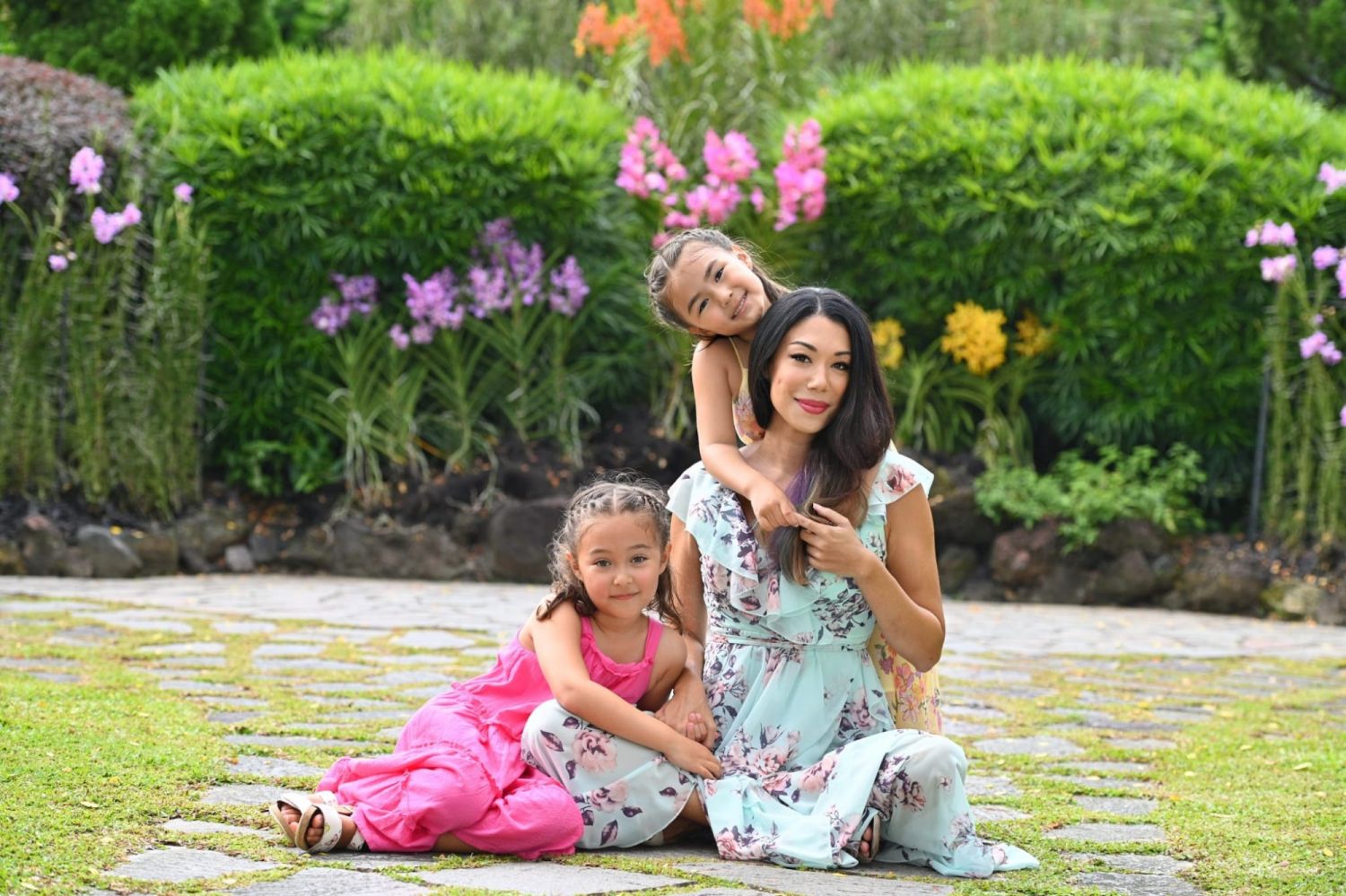
Above Dr von Auer with her children (Photo: Bokelicious Photography)
Dr von Auer with her children (Photo: Bokelicious Photography)
1 / 1
Tell us about yourself.
Vanessa von Auer (VVA): I’m a clinical psychologist, the founder and CEO of the Integrated International School (IIS), and a proud mama of two! My whole career has revolved around supporting children and their families in living happy, meaningful and successful lives.
Even though I founded the VA Psychology Center (VAPC) in 2008 with the intention of offering intervention, counselling and diagnostic services, I quickly became aware of a significant gap in the education industry with regards to students who learn differently and/or have special needs. From this realisation, I founded IIS just one year later. We started out with five pioneering students, all under the age of six years and quickly quadrupled in numbers just in our first year of operation.
You developed the Von Auer Collaborative Teaching/Parenting Approach. Can you please share the process behind its creation and what inspired you to do this?
VVA: The trademarked VACT/PA was created based on my work and interactions with my child clients, as well as my own children and best practices empirically validated in the education and parenting literature. This contemporary approach helps teachers and parents to view their interactions with children as a collaboration, and with respect, even in challenging situations.
The VACT/PA was inspired by all of the children and families I have had the privilege to help; those who wanted to improve the quality of their relationships, parenting and teaching methods in a consistently positive and child-centred manner. From my observations and clinical experience, adults too often tend to lose patience and then may teach or parent with frustration and negative disciplining methods (i.e. corporal punishment, lectures and yelling).
I wanted to teach adults that it is possible to have a stunningly close relationship with our children through positive psychology principles, flexibility and collaboration, which meant teaching adults to navigate any growing pains with fun, patience and innovation.
Above Photo: Bokelicious Photography
Photo: Bokelicious Photography
1 / 1
For interested parents, can you explain what the Von Auer Collaborative Teaching/Parenting Approach is and how it differs from other teaching approaches in Singapore?
VVA: The VACT/PA is a child-centred approach which consistently upholds collaboration, respect and kindness throughout all interactions. The VACT/PA consists of six general pillars any parent or teacher can adhere to while learning to relate to their children or students:
1. Be deeply respectful toward the child. This means that we empathise with their thoughts, feelings and behaviours, and ultimately accept them as they are.
2. Identify feelings (both theirs and yours).
3. Acknowledge feelings (both theirs and yours).
4. Put yourself in the child’s shoes before you make any decisions.
5. Collaboratively brainstorm solutions or action plans with the child.
6. Implement the mutually agreed upon solution(s).
Each pillar consists of subsections of pivotal skills and communication tools, which are detailed in the VACT/PA training.
You started the school (IIS) in your early 20s, what motivated you to do so?
VVA: I was seeing so many children and their families for emotional support and/or therapeutic interventions (i.e. counselling or parent coaching, family therapy) at VAPC who all were in search of a school that cared about their children holistically and not solely academically. Children who learned differently and/or weren’t suited for a big mainstream school were not catered to. This naturally had a ripple effect on the child’s sense of self-worth and the family’s distress.
In 2008, I was seeing five children under the age of six years in the capacity of a clinical psychologist. These five children were asked to leave their mainstream schools with no other options available to them. The parents of these children requested that I start a schooling programme of some sort to allow their children to continue their educational journey in a group setting. I was certainly game to develop an inclusive education program. I started with a pilot program in 2009, which officially became the Integrated International School in 2010.
Why did you choose to start the school in Singapore?
VVA: I love Singapore and have called it home for the last 25 years. I wanted to contribute to my adopted home’s education and mental health arena. When I started my career, it was clear that special needs awareness and inclusive education were not yet readily discussed or available.
You are also the clinical director of the VA Psychology Centre, how do you juggle your responsibilities between the two institutions?
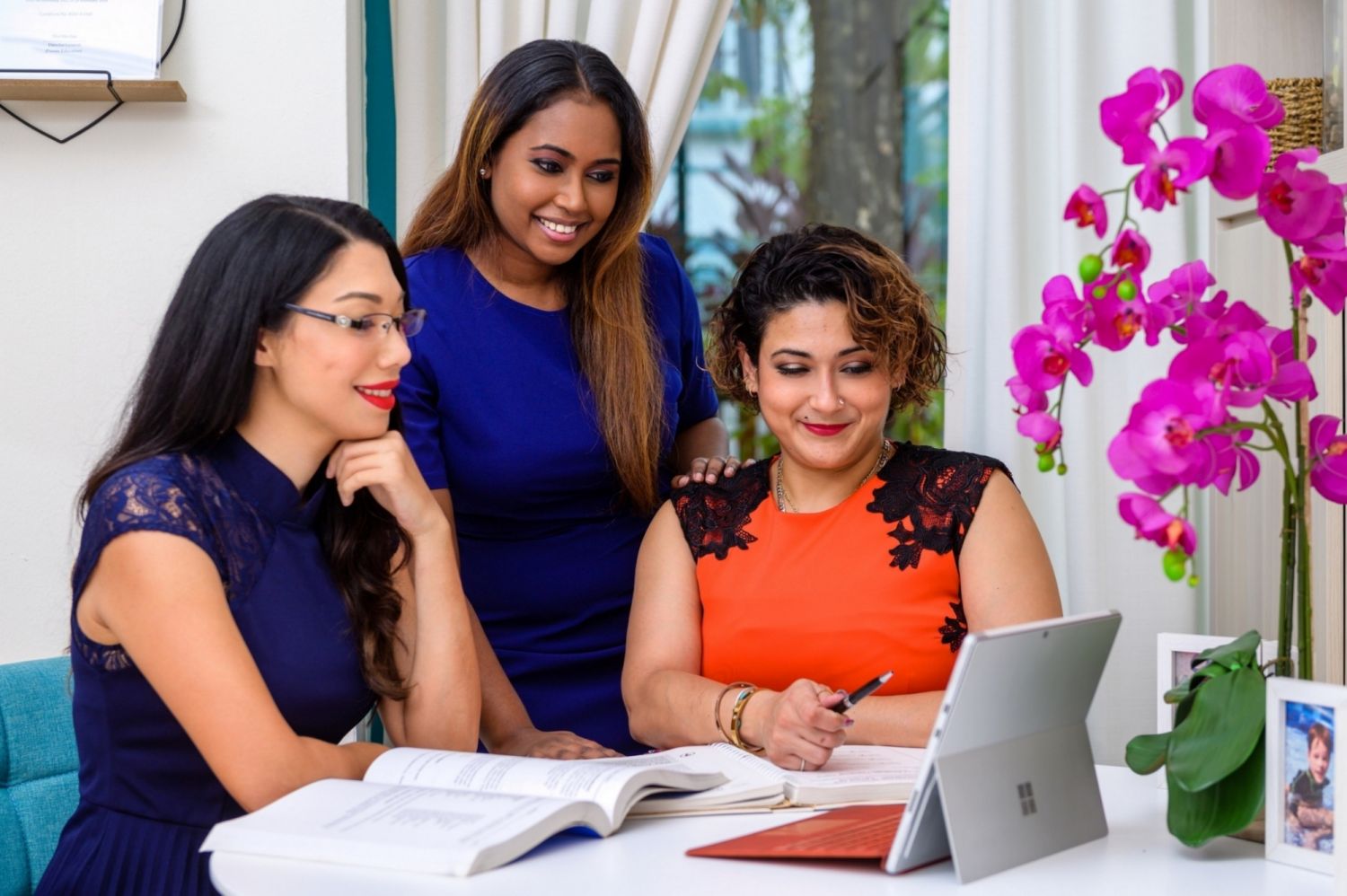
VVA: I have always enjoyed working and am particularly fortunate to be able to do what I love for my career which has made multitasking several projects at the same time seamless. Additionally, I have an amazing team of equally passionate professionals beside me that makes it possible for me to juggle the two businesses.
Please talk us through the dual-education approach to learning at IIS. How does that benefit your students?
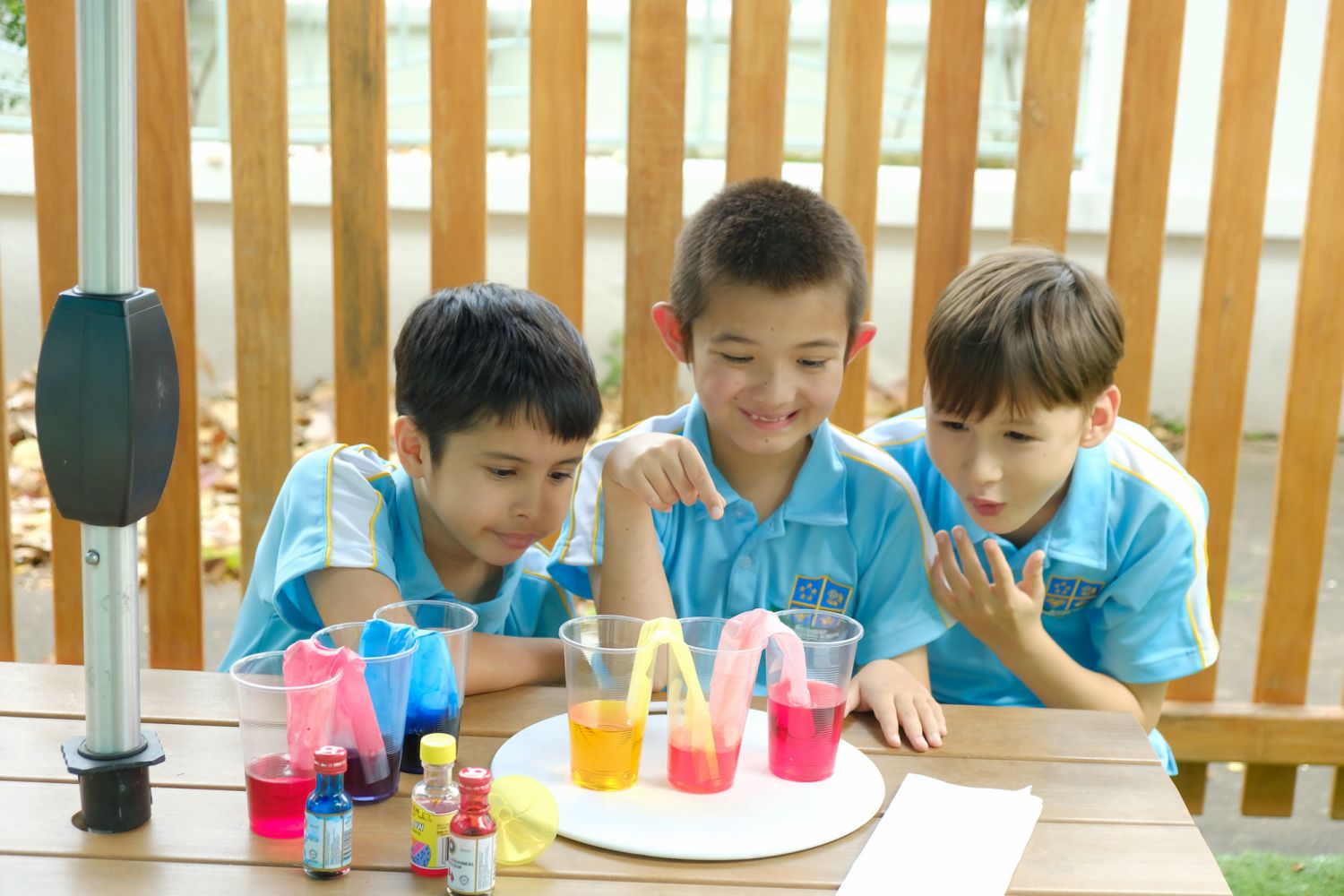
VVA: IIS is a proud inclusive school. This means that we cater to students of diverse abilities, learning styles and preferences. Students who require a bit more individualised attention access a tailored, individual education plan while also being integrated in the classroom setting. This inclusive nature of our school ensures that every student is able to progress in their education, to be a valued member of our school community and to acquire essential social skills to navigate friendships and relationships effectively.
Above Photo: Bokelicious Photography
Photo: Bokelicious Photography
1 / 1
How do you recruit teachers at your school? What are some qualities you look for?
VVA: We recruit through online platforms, within our internal networks, as well as through word of mouth. Finding teachers who are creative in lesson planning and able to individualise yet include each student’s unique strengths and learning styles is not always any easy feat. This is why we recruit all year round and why we invest a lot of time, effort and resources into training all of our staff to ensure that we can offer our best selves to our students.
IIS is about embracing individuality and encouraging uniqueness. Is that something you feel passionate about—discovering and nurturing each student?
VVA: That’s the whole reason I became a psychologist and special needs educator. I believe that every child should have an equal opportunity to attend a school that loves and accepts them holistically, advocates for their rights, interests and likes, and demonstrates to them that all of their teachers believe in them to redefine their personal successes.
The school’s motto is “Redefine Success”. What is success to you?
VVA: Success to me is the ability to live a fulfilled and happy life. This means that we do not view success as solely achieving top marks academically. There are students who demonstrate a propensity for leadership, creative showmanship, innovative entrepreneurship—all strengths which can be harnessed and utilised to advance in their careers and happy lives. We help students identify their passions and strengths early on, and then encourage them to build on them by providing opportunities to our students to showcase their strengths.
The school houses a unique Snoezelen room. What is the room about?
VVA: I wanted to create a learning environment of purpose which compels children’s imagination, creativity, sense of wonder, motivation and excitement around their own education. Our Snoezelen room provides a multi-sensory environment that helps students relax, reduce anxiety or restlessness, but at the same time can also become interactive and encourages social skills and communication. As such, I set out to design and construct a one-of-a-kind Ocean Snoezelen room, which would evoke our students’ senses to awaken and to incorporate this multi-sensorial experience into their day-to-day experiences at school.
Our students use the Ocean room in a variety of ways and they know it is always a safe, calming space to enjoy. The environment is brilliant for decompressing, meditating, imaginative play, and group therapy. It is versatile and the special equipment (i.e. mesmerising bubble tubes, interactive infinity panels, a colourful fibre optic ‘waterfall’ and carpet, solar projector and tactile sea life toys plus soft textured flooring) can be easily modified based on whether a student is over- or under-stimulated. The Ocean room is also a place to celebrate after a successful school day, during those times, we introduce musical instruments while enhancing the colourful light projections to fill the room.
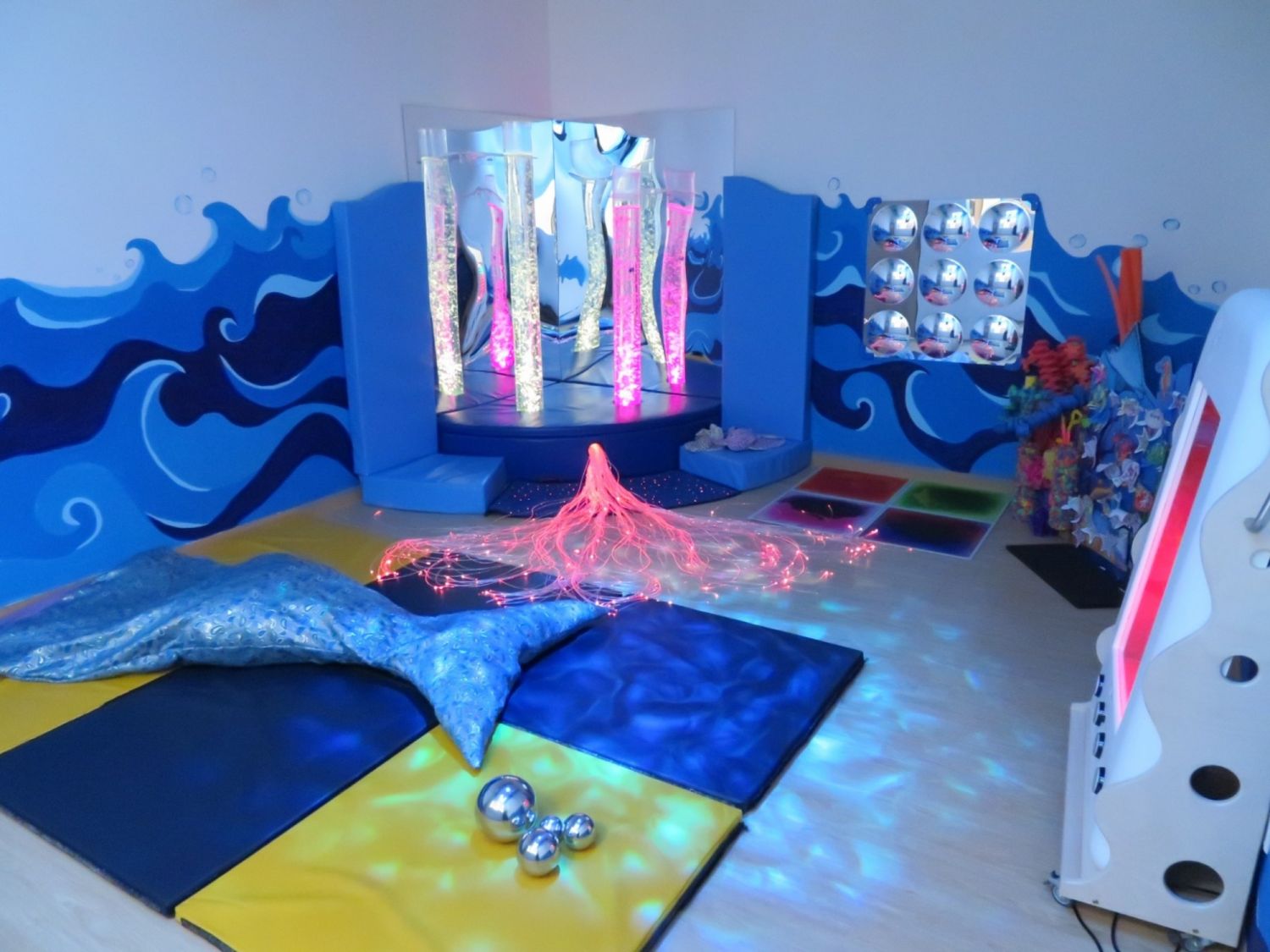
Above The Snoezelen room (Photo: Bokelicious Photography)
The Snoezelen room (Photo: Bokelicious Photography)
1 / 1
How many students does IIS have today?
VVA: In our current premise we fluctuate between 80 to 90 students, and are proactively looking for a bigger campus to grow into in the near future.
How do you support incoming students?
VVA: Aside from our inclusive mainstream education, we aim to be a one-stop shop for our students and families. This means that students have access to an expansive range of support services such as counselling, naturalistic behaviour therapy, occupational therapy and speech therapy amongst others. Our students also receive social-emotional skills training and get used to adopting a growth mindset which allows them to become confident in their own skin.
New students are typically assigned to a buddy who has already been part of the IIS way of life and can make the transition for them more fun and comfortable. Our teachers also ensure that they stay closely connected with the student’s parents to ensure that the new student experiences a smooth integration.
How can parents support their children and vice versa for a more cohesive family life?
VVA: By learning to create stability and consistency for your child, which you can achieve by implementing the right tools and approaches. Our Von Auer Collaborative Teaching/Parenting approach provides a strategic yet practical methodology that teaches parents how they can utilise effective techniques at home to ensure balance, which speeds up progression and improves wellbeing.
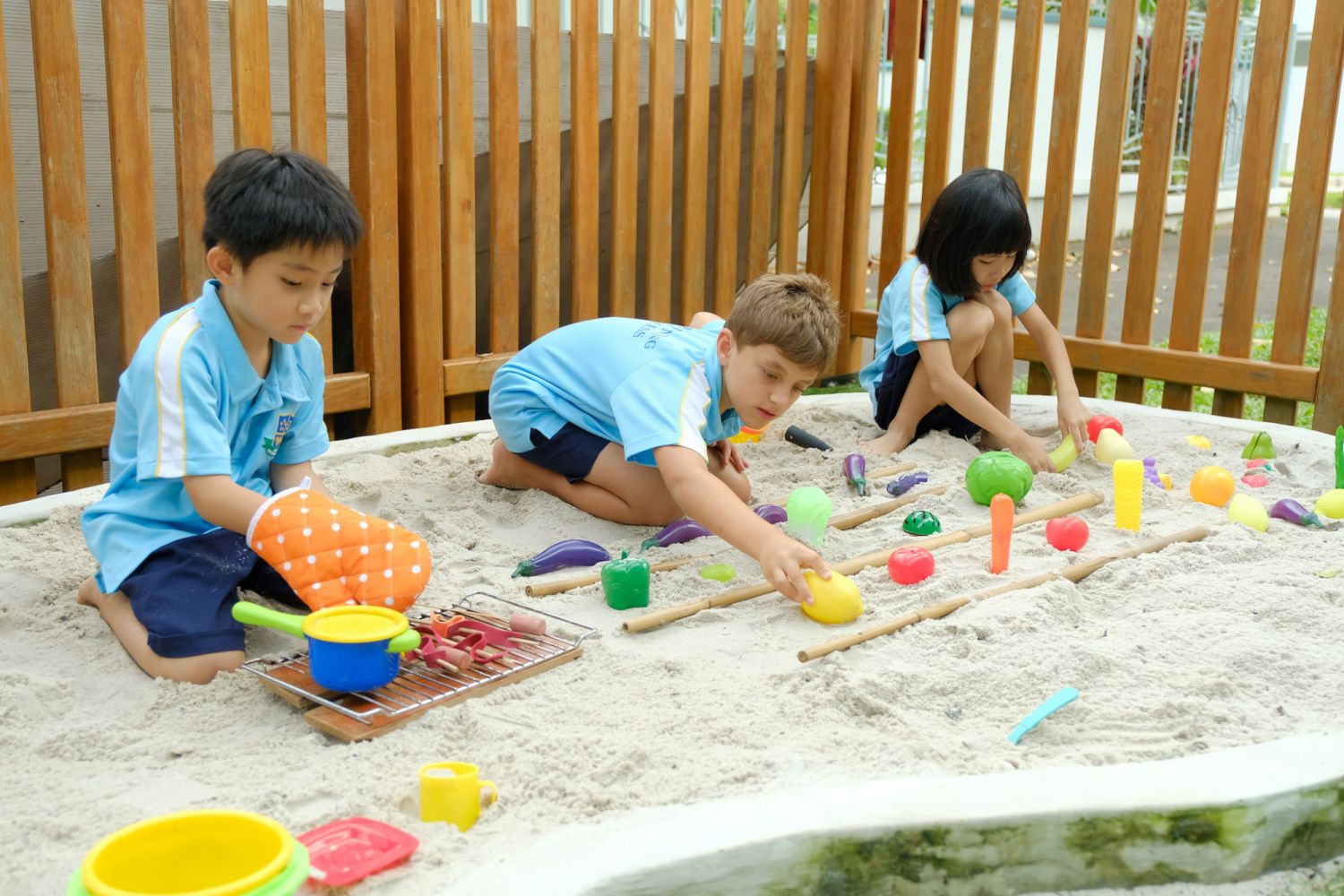
Above Photo: Bokelicious Photography
Photo: Bokelicious Photography
1 / 1
How can society be more accepting of individuals with special needs and those struggling with mental health?
VVA: As a society, we need to be brave and talk about special needs, diagnoses and mental health more openly and regularly so we can normalise these topics and be more inclusive.
I think that learning to empathise and relate is very important. We all have special needs to some extent if you think about it. Some people, for instance, may not like the texture of certain foods (e.g. the pearls in bubble tea), others may not enjoy loud or crowded places, or how sand/grass feels when we are walking barefoot.
We also need to offer support and resources to schools like IIS locally so that we can speed up this normalisation and consistently offer a warm, accepting and inclusive space for all children to grow confidently in.
Credits
Images: Bokelicious Photography
Pameyla Cambe is the Assistant Digital Editor of Tatler Singapore. She handles the Fashion section of the website, where she reports on trends, the hottest fashion launches and what your favourite Asian celebrities are wearing.





