

Cover The endangered Philippine eagle nestles on a branch in the Northern Sierra Madre National Park (Photo: Haribon Foundation)
The endangered Philippine eagle nestles on a branch in the Northern Sierra Madre National Park (Photo: Haribon Foundation)
1 / 1
What men need, nature provides. Why are we not protecting it?
The mountains of Sierra Madre is home to some of the Philippines' most treasured species including the giant golden-green sea turtle, golden-crowned flying fox, and Philippine Eagle. Its 540-kilometre surface area is brimming with slopes and curves that are essential for breaking down strong typhoons which the country averagely experiences 20 times a year.
Sierra Madre does not only serve those who reside in its lands; people who live miles away also enjoy its benefits; in case anybody needs proof, all they have to do is turn back time and look at 2009, the year when the infamous Bagyong Ondoy (Typhoon Ketsana) swept and ravaged Metro Manila and its neighbouring provinces. This nightmare of a storm took the livelihood and lives of 956 people. By the time it left, our statesmen blamed the flooding on the mountain range's deforestation. On June 19, 2012, the late President Benigno Aquino III signed Presidential Proclamation 413 which declares September 26 of every year as 'Sierra Madre Day'.
"Typhoon Ondoy brought upon our country continuous heavy rains that caused flooding, which can be attributed to the continuous deforestation, degradation, and destruction of the Sierra Madre Mountains, in major cities and also took the lives of many of our countrymen and women," the signed document read.
Years after this devastating tragedy, the flourishing mountains of Sierra Madre still face an imminent threat: the Kaliwa Dam project.
Related: There is No Planet B: Netflix's 'Don't Look Up' Mirrors the Modern World's Biggest Challenges
The Kaliwa Dam Project

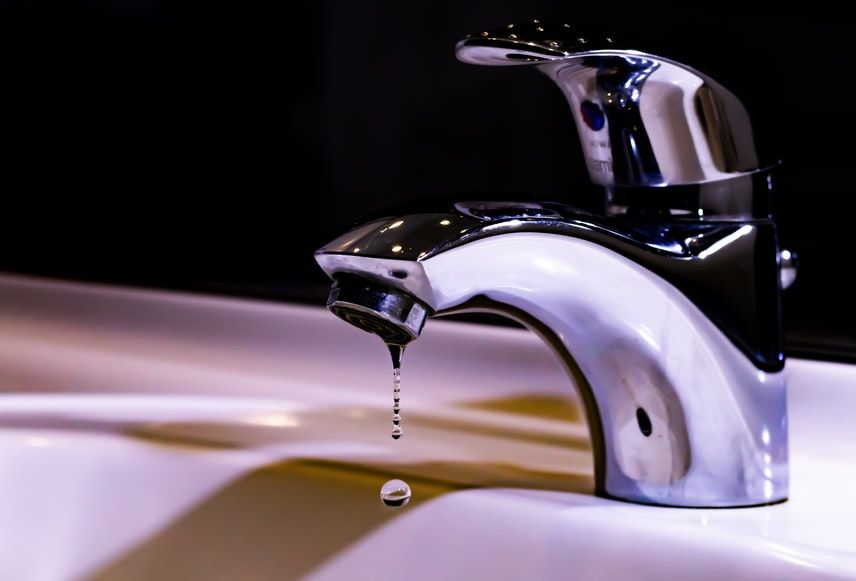
Above Climate change can cause water shortage (Photo: Jos Speetjens/Unsplash)
Climate change can cause water shortage (Photo: Jos Speetjens/Unsplash)
1 / 1
For some households, water remains a scarce resource. While the impact of climate change unfolds across the globe, the Philippines is expected to face longer dry seasons causing the shortage of water supply specifically in Metro Manila.
As a "long-term” solution, the administration of President Rodrigo Duterte conceived the PHP12.2 billion Kaliwa Dam Project.
In the 1970s, it was projected that because of population density, the water supplied by the 60-year-old Angat Dam will no longer be able to sustain the needs of people residing in the Metro. The dam is currently the main water reservoir that supports Metro Manila, Cavite, Rizal, and its neighbouring provinces.
An estimated 85 per cent of the Kaliwa Dam project is set to be funded by the Chinese government through official development assistance formalised during Chinese President Xi Jinping’s visit to the Philippines in 2018. The fulfilment is expected to solve Metro Manila water woes by supplying residents with at least 600 million litres of water on a daily basis. In the past couple of decades, Angat has reached the critical level of water supply that results to a lot of water interruption in the city.
The proposed locations of the water treatment facilities are in Antipolo, an area that is only 29 kilometres southeast of Manila, and Theresa Rizal, which is located 27 kilometres southeast. Besides being able to provide million litres of raw water supply daily, the government also assured that it will ease the pressure on the 60-year-old Angat Dam.
Is this good or bad? Here's what environmentalists say
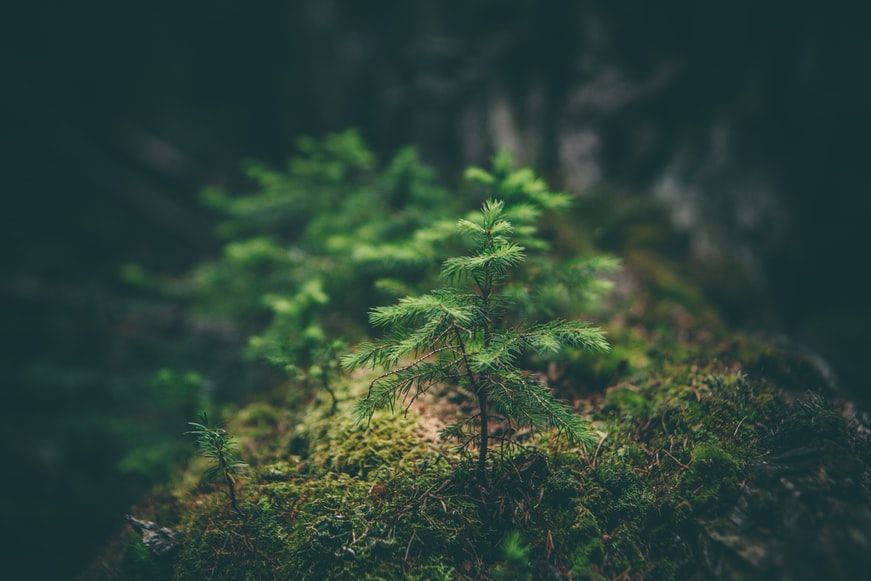
Above Sierra Madre is rich in biodiversity (Photo: Matthew Smith/Unsplash)
Sierra Madre is rich in biodiversity (Photo: Matthew Smith/Unsplash)
1 / 1
The Kaliwa Dam project may negatively impact the environment and the people who live by the Sierra Madre mountains. According to a report published by the Haribon Foundation, the project would cause irreversible damage to the environment as the construction will take place in the Kaliwa Watershed, which is a declared forest reserve and national wildlife sanctuary.
“While we recognise that Metro Manila has legitimate concerns on water security, these should not be addressed at the expense of human rights, our environment, Philippine laws and sovereignty,” Haribon says. “The government has the responsibility to protect its people from environmental harm and provide long-term solutions to respond to the needs of all its people, not only in Metro Manila.”
The foundation added that the project will only initiate an unnecessary loan from the Chinese government whose terms are onerous. "Ultimately, the debt would be paid by all Filipinos, including those not from Metro Manila. Based on the signed loan agreement, the Kaliwa Dam project will require a loan of at least 10.37 billion pesos running on a high yearly interest of 2 per cent, as well as an upfront spending of around 2 billion pesos from the national treasury. In a 2012 study, even the World Bank concluded that the project was not economically viable, and could prove disadvantageous for consumers in the long run. If we fail to pay within China’s terms, provisions in the loan, specifically those waiving the Philippines’ immunity on the grounds of sovereignty, might end up surrendering the country’s assets and resources. Ultimately, this loan and the project consequently places our sovereignty at an alarming risk and compromises our constitutional rights."
Below are Haribon's suggested alternative and more sustainable solutions to water shortage:
- Repairing and improving existing dams
- Protecting and rehabilitating degraded watersheds
- Exploring new technologies which will help in recycling water and
- Applying and strengthening water conservation policies
In case you missed it: 4 Essential Tips for Beginner Hikers: What to Bring, What to do, and What to Expect?
The voices of Sierra Madre
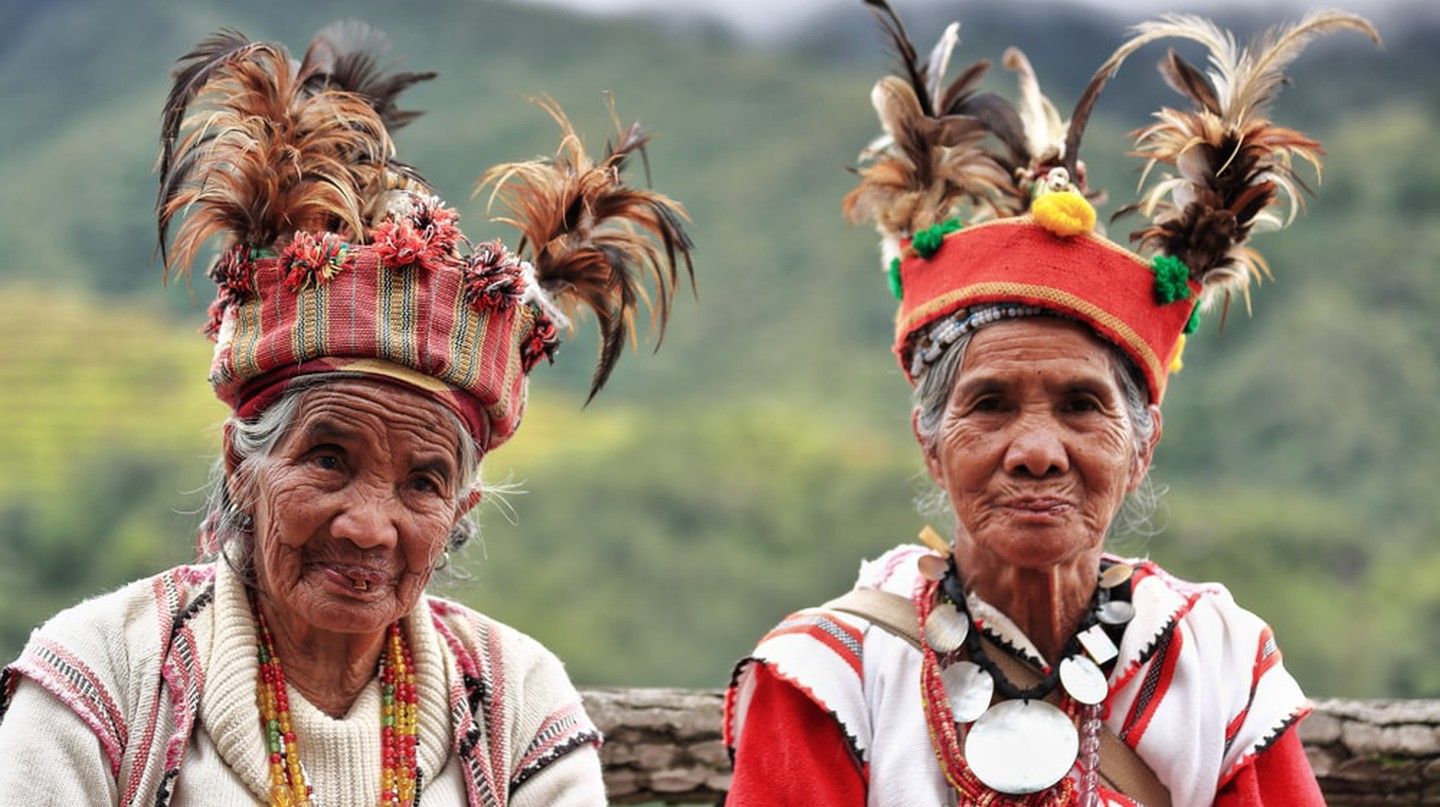
Above (Photo: Rweisswald / Shutterstock)
(Photo: Rweisswald / Shutterstock)
1 / 1
The group of indigenous peoples who reside by the Sierra Madre strongly oppose the idea of building a dam in the area where their primary sources are from. The billion-peso project threatens to displace Filipino tribes in the mountain. Moreover, the ethnic communities are bound to lose their structure and control over natural resources; even if these groups are promised new housing, it may be hard to sustain themselves as Sierra Madre is the only source they have ever known.
“The area will be submerged and people do not understand that this Build, Build, Build and the Belt and Road Initiative, which objectively want to help people, is actually being a road that will pave the way for the extinction of this tribe,” said Save Sierra Madre Network head Fr. Pete Montallana.
Despite numerous oppositions, the national government is still aggressive in its aim to complete the project by 2023. Today we are posed with one terrifying question: if the ailing people, trees, and animals of Sierra Madre cannot prevent this proposed scheme, what will?
NOW READ
Climate Change Is Here, and Now the Fight Is Personal
Numbers Don't Lie: How Going Meatless Fights Climate Change
7 Birds You Can Only See In The Philippines: Eagle, Cockatoo, And More

Jove holds a degree in Journalism and is currently pursuing graduate studies in Philosophy at the University of the Philippines–Diliman. She has flair for in-depth, interview-driven stories that explore politics and culture, shaped by her background in national broadsheets.
When she’s not on assignment, Jove spends her days painting, sipping lemonade, and walking her dog, Jupiter. She can often be seen in Escolta with a film camera in hand, browsing novelty shops in search of rare memorabilia. For leads, reach her at Jove@tatlerphilippines.com.





