
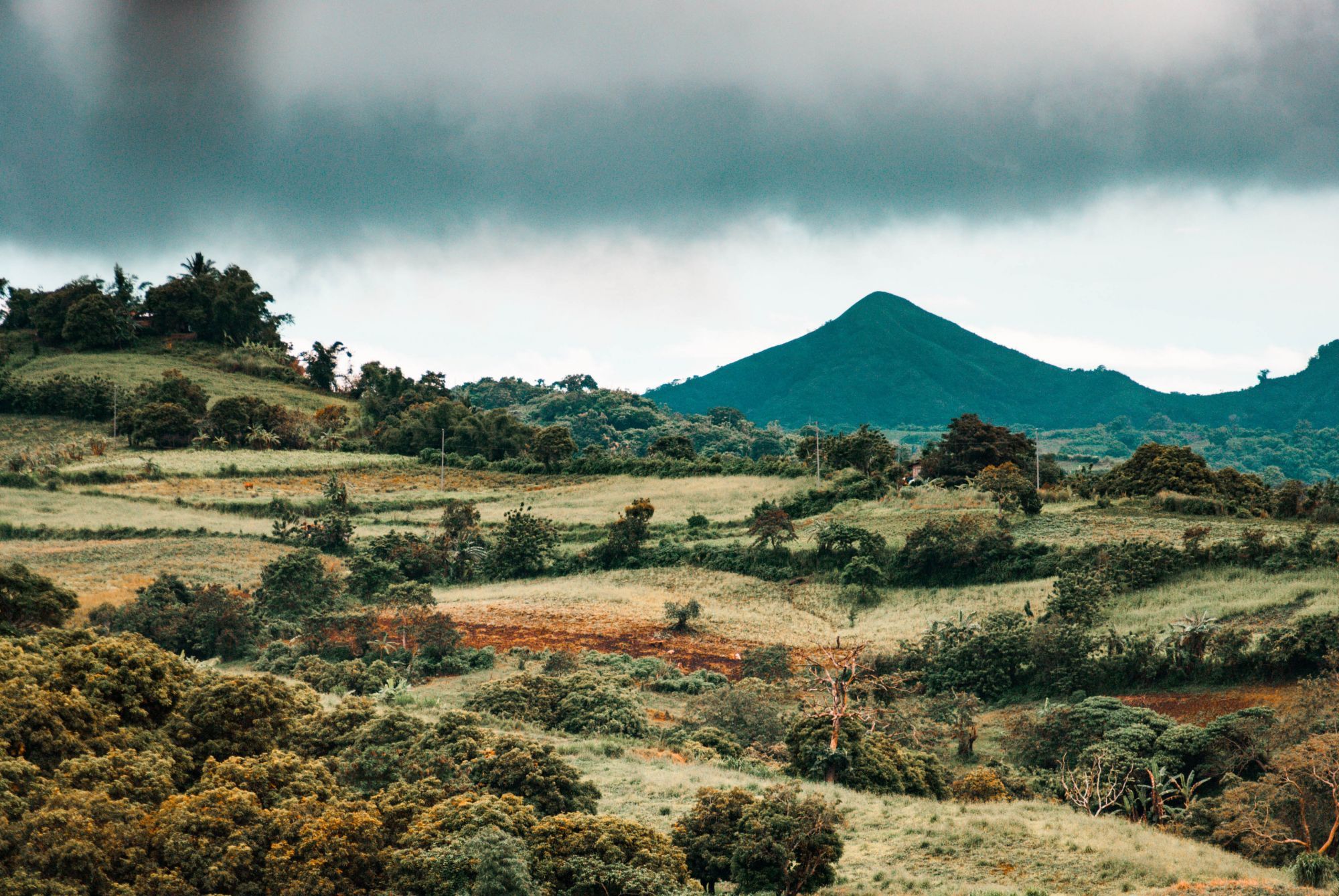
Cover Photo by Gerald Escamos from Pexels
Photo by Gerald Escamos from Pexels
1 / 1
Does living a meatless diet in the Philippines help fight climate change? The results by numbers might shock you.
It's high time that we take a look at the facts. Tatler goes over the numbers to find out the environmental advantages of veganism apart from it being treated as merely a diet trend.
The vegan community in the Philippines is constantly growing. With over 52,000 members, the Manila Vegans Facebook has evolved into an avenue for both vegans and non-vegans who are curious and interested in living an animal cruelty-free lifestyle.


Above Photo by cottonbro from Pexels
Photo by cottonbro from Pexels
1 / 1
"There surely is high and increasing demand even in our branches like Davao and Cagayan de Oro City," says Chit Juan.
For the longest time, as the founder of EchoStore, she has been offering products that are earth-friendly like Wonder Meat. And it seems they're planning on carrying more plant-based products in the future for the right reasons.
See also: 5 Companies Introducing Cutting-Edge Technology for Sustainability
"First is for health reasons. Eating less meat is seen as an easier way to reduce the chances of cancer and other lifestyle diseases. Second, carbon emissions are really reduced," Juan says. "[And the third reason] is ethical. [It's] the one reason many vegans have turned vegan," she adds, pertaining to vegans' belief in liberating animals from all forms of cruelty. This includes slaughtering them for food.
Countless debates and jokes on vegans later, it seems this movement is hinged on an urgent cause that we can all finally collectively agree on—saving a dying planet.

Above Photo by Lauren McConachie on Unsplash
Photo by Lauren McConachie on Unsplash
1 / 1
How much harm does cattle, pork and chicken do to the environment?
There are three types of gasses that harm the environment and are responsible for global warming: carbon dioxide, methane and nitrous oxide.
One of the largest contributors to methane is cattle. There are 2.63 million cattle in the Philippines as of 1 January 2021. Each produces 70 to 120 kilograms of methane per year.
Pigs, on the other hand, is also the Philippines' largest carbon dioxide contributor. Pork has to be the most-consumed meat type in the Philippines. Filipinos consume up to 15 kilograms of pork per person per annum. Unfortunately, research shows that "the carbon footprint to prepare and consume a 4 [ounce] serving of pork was ~2.5 lbs of carbon dioxide equivalents".

Above Photo by Askar Abayev from Pexels
Photo by Askar Abayev from Pexels
1 / 1
How much environmental savings can the Philippines make?
If one Filipino meat-eating person switches to a vegan diet, they're able to reduce about 1.5 tons of carbon dioxide emissions a year.
In numbers, the savings is equivalent to:
- 165,529 smartphones charged
- 3,420 miles driven from one average passenger vehicle
- 6879.66 square metres of land sequestered

Above Photo by Ron Lach from Pexels
Photo by Ron Lach from Pexels
1 / 1
Just imagine how much more we can save if we're consistent for 10 years or more.
Frankly, going meatless is not a requirement, but it is our human obligation to consider the environment we live in. Maybe then, we won't have to wonder nor daydream about the day that we're able to slow down climate change.
More from Tatler: Cherrie Atilano At The UN Food Systems Pre-Summit: Working For A Sustainable Future
Topics

Christine Andas is a features writer and the style lead of Tatler Philippines. She mostly covers style-related content but enjoys writing about space, sneakers, and her favourite stars. She acquired a master's degree in Creative Writing at the University of Santo Tomas and has written young adult short stories which can be read online.





