
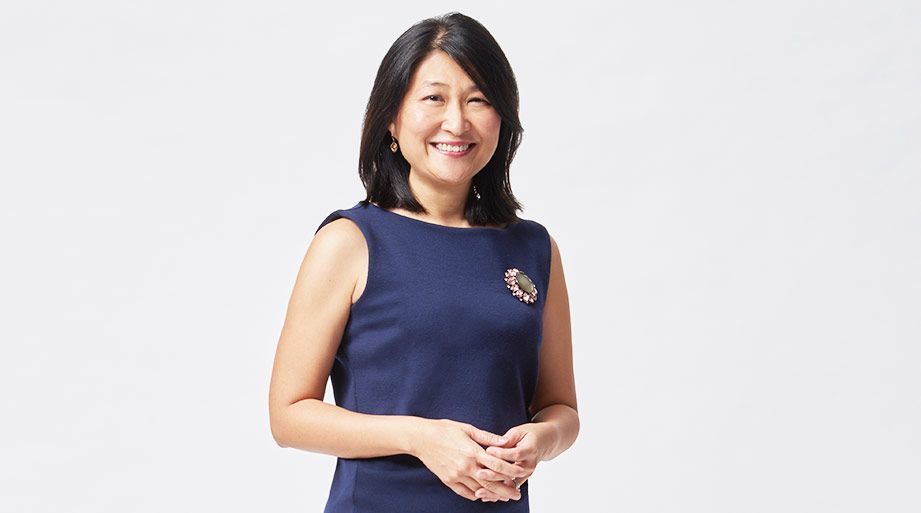
Cover Junie Foo is one of the foremost champions for corporate gender diversity, helping create opportunities that let women occupy senior leadership roles.
Junie Foo is one of the foremost champions for corporate gender diversity, helping create opportunities that let women occupy senior leadership roles.
1 / 1

We find out from the advocates and organisations championing a better future for women on how far we have come and what more needs to be done
Gender equality and female empowerment have been a core tenet in the United Nations (UN) Charter since 1945. But even though there has been progress in gender equality, UN secretary-general António Guterres warned in 2020 that the pace of change is not rapid enough to close the global gender gap within the next 100 years.
Obviously, the pandemic has exacerbated existing disparities. In Asia, lockdowns, remote working and online learning have increased gender gaps in employment and education, while patriarchal mindsets have put a disproportionate burden on women when it comes to caregiving even as they are expected to perform at work.
Don't miss: Asia's Most Influential: How Izza Izelan Fights for Gender Equality
Margaret Thomas, president of the Association of Women for Action and Research (Aware), points out that women in the Asia-Pacific region spend 4.1 times more time on household and caregiving work than men, and this has an enormous impact on women’s leadership, careers, financial situation and well-being.
Areas of concern in Singapore, Thomas highlights, include a gender pay gap that has barely changed over the past 20 years, stagnating at around 16 per cent despite women making up 64.2 per cent of the labour force in 2021. Aware’s Sexual Assault Care Centre has also seen a rise in new forms of sexual violence, particularly technology-facilitated sexual violence (a 36 per cent increase from 2019 to 2020 alone), where unwanted sexual behaviour is carried out via digital technology such as cameras, social media platforms and dating apps.

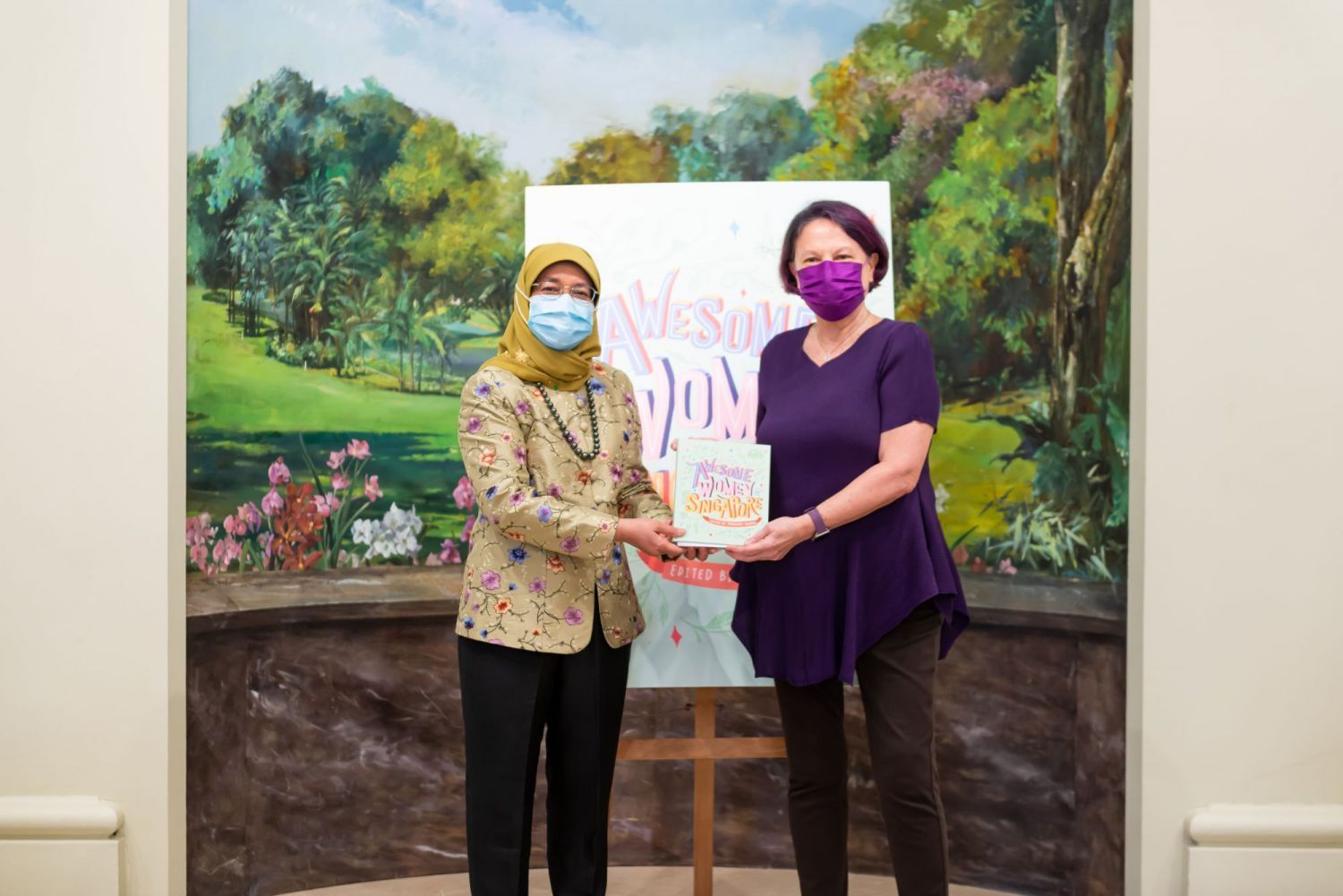
Above President Halimah Yacob and Margaret Thomas at the Singapore Women’s Hall of Fame 2021
President Halimah Yacob and Margaret Thomas at the Singapore Women’s Hall of Fame 2021
1 / 1
At the same time, there has been headway in areas such as gender-based discrimination at work, protection from harassment, and marital rape. For instance, the Protection from Harassment Act was amended in 2019 to, among other things, include doxxing and make it easier for victims to seek redress. In 2020, marital rape immunity was repealed.
Junie Foo, president of the Singapore Council of Women’s Organisations, feels that although it is very much less of a man’s world today, there is still a gender gap. “There are almost as many women as men with tertiary education, especially among the young. Women start innovative and successful enterprises, head huge corporations, and hold key commands in the uniformed professions.”
“But women also bear the bulk of the caregiving burden, often at the cost of their careers, income and savings,” she continues. “The gender wage gap has narrowed, but it’s still there. Women make up less than a fifth of corporate boards. We have a woman as the president [of Singapore], but just 29 per cent of our parliamentarians are women, and only 15 per cent of the Cabinet are female.”
In case you missed it: United Women Singapore Celebrates Women and Their Allies at the Snow 2022 Gala
“Singapore is moving in the right direction, but certainly, a mindset change has to take place and this starts at schools, where children are taught to respect one another because we all bring value to the table.”
In 2021, Asia Gender Network (AGN) was launched by Asian Venture Philanthropy Network to mobilise financial, intellectual and human capital to improve outcomes for women and girls in Asia, the first-ever pan-Asian network to do so.
AGN’s head Patricia Mathias shares that the network has pooled philanthropic funds in areas such as STEM education, entrepreneurship and maternal health. She explains: “The power of the network is in bringing together philanthropists and thought leaders from different countries to learn, share, catalyse impact and help close the gender equality gap in Asia.”
The bottom line of gender equality and female empowerment are the tenets of respect and value of every human being, whether male or female. Foo elucidates: “Singapore is moving in the right direction, but certainly, a mindset change has to take place and this starts at schools, where children are taught to respect one another because we all bring value to the table.”
Read more: Why Influential Women Are Uniting to Invest Through the Asia Gender Network





