

Cover Photo: iStock
Photo: iStock
1 / 1
Special education has been constantly evolving and it will continue to do so as we move from a one-to-one setting to an inclusive classroom
Special education has come a long way since it was first recorded in Europe in the 18th century when special schools were established to teach visually impaired students. Today, it encompasses a great range of programmes, methodologies, tools and services that is used to accommodate the unique learning abilities of children with special needs, aimed at facilitating self-sufficiency and the means for them to grow up to lead meaningful lives.
While the common practice today is to have children with special needs evaluated to determine their learning disabilities, there is no one-size-fits-all approach to teaching them. One reason is it’s not uncommon for a child to have mixed disabilities, for example, one child could be autistic with ADHD and another, autistic with dyslexia.
“There are always children with a mix of categories in a classroom; it is more effective to consider their strengths and needs such as whether they have sensory issues or difficulty with social communication. Even if two children have the same learning disability, they have different ways of perceiving the world and expressing themselves. So, there is no one-size-fits-all solution to a certain special need. The emphasis should be on their strengths, what the child can do, to maximise his or her potential,” explains Grace Koh, a special education lecturer at Dika College.
See also: 3 Brave Women On Building An Inclusive Future
As the history of special education demonstrates, the tendency to try to fit children with special needs into a mould is hardly new. Before concepts like inclusivity and diversity were embraced by society, disabilities were seen as a problem that needed to be fixed. “It’s like the medical versus social model. With the medical model, the first thing you do is diagnose the problem and try to solve it whether it’s through medication or surgery. But this doesn’t work for disabilities, which requires the social model approach, whereby we need to identify the struggles and needs and how the environment is contributing to these needs, then removing or adapting them for the participation of all,” shares Koh.

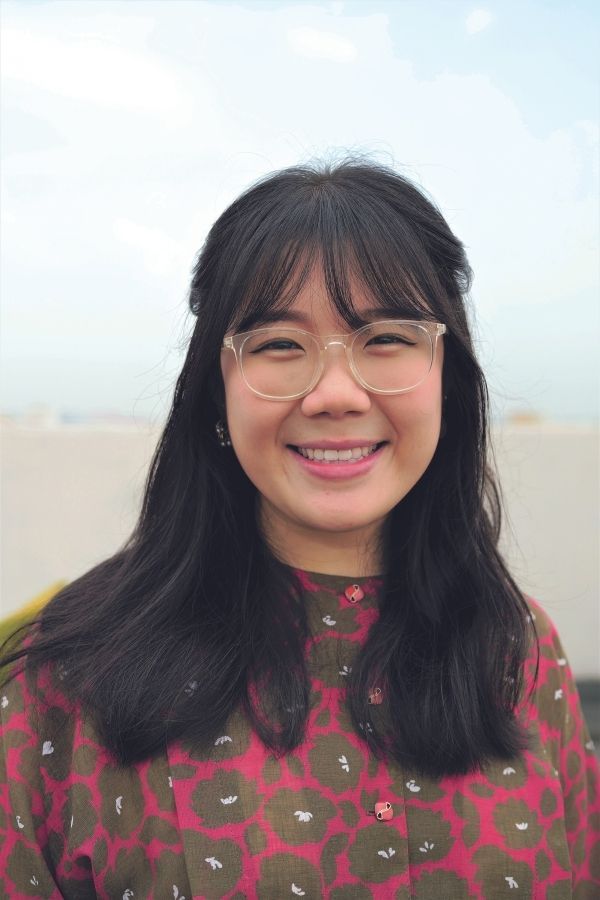
Above Grace Koh
Grace Koh
1 / 1
In the case where there are sensory sensitivities that lead to self-harming behaviours, we need to be observant to the surroundings that may be triggering the child to behave differently. “As educators, the most important thing we can do is to be curious, we have to ask why and try to figure out why a child is struggling with something or behaving in a certain way. We need to avoid making assumptions and always ask why. Each child with special needs has their strengths and challenges and their education needs to be adapted to their needs,” adds Koh.
Depending on their needs whether it is a challenge with coordination, sensory processing, language abilities or with regulating their emotions, regardless of which education setting, there needs to be a multidisciplinary team to support the child in every aspect at their own learning pace. As we head towards a time where children with special needs will no longer be segregated to special schools and will share a classroom with regular children, this will require the collaboration between the teacher and teachers trained in special education who can help with advice on methods and tools that can be used to accommodate the child’s learning or on therapies needed to address their challenge. In fact, collaboration between teachers, therapists and parents is key in helping a child with special needs to thrive in the classroom, whether inclusive or not.
ICYMI: Maybank's Chief Sustainability Officer on Empowering Entrepreneurs with Disabilities
“For example, when it comes to physical disabilities or visual and hearing impairment, because cognitively they’re able to learn on par with their peers, usually we do not need to emphasise too much on altering or adapting the curriculum," explains Venus Lim, the head of school for special education at Dika College. "Teachers are encouraged to find alternative means to give them instructions and adjust their assessment methods. For those with learning disabilities like autism, ADHD, dyslexia, dyscalculia, dysgraphia or dyspraxia, the teacher needs to be aware of the characteristics of each disability to better identify the children’s needs and strengths. Then, plan and implement research-based strategies to support them."
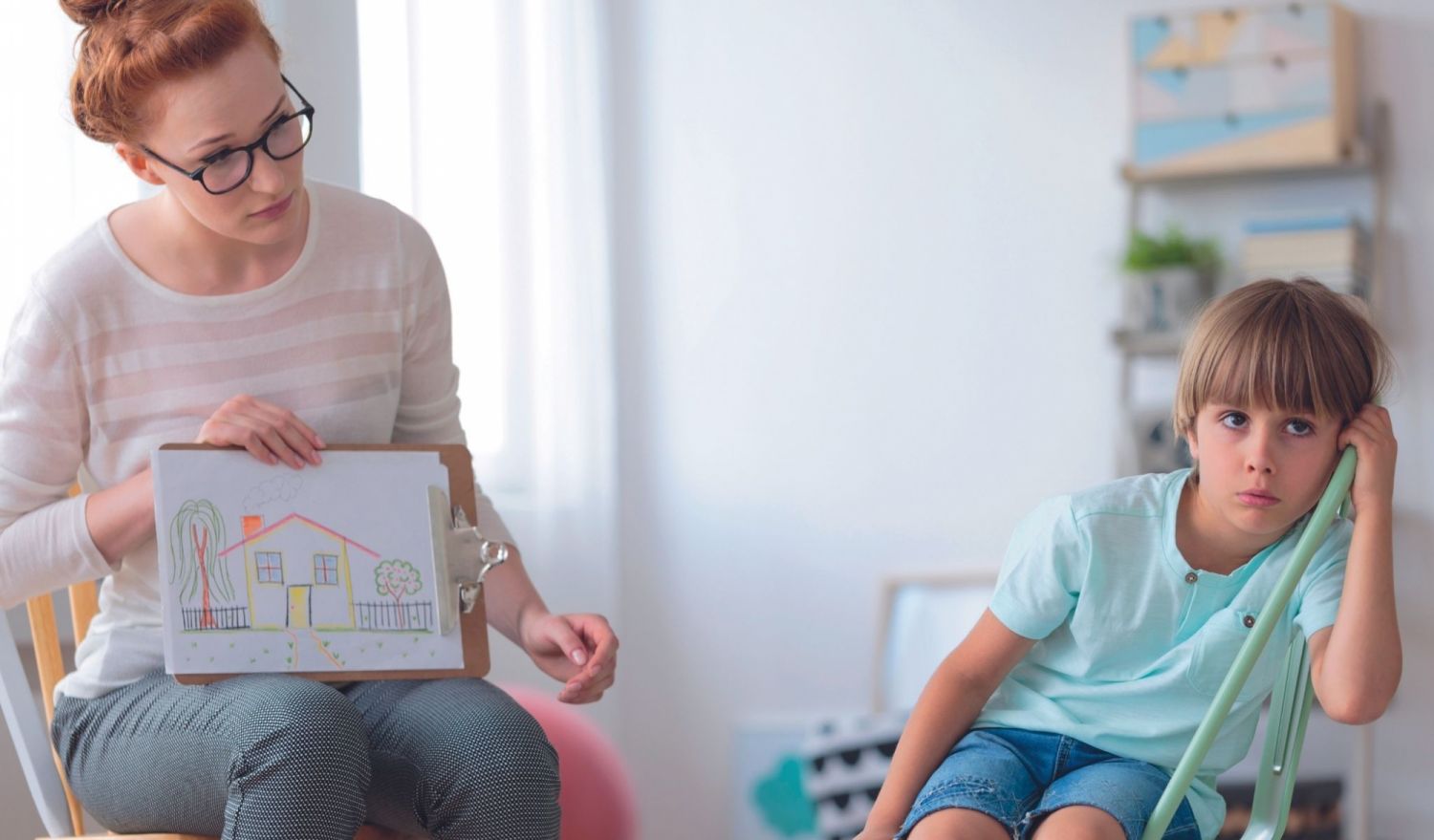
One of the well-known methods is Applied Behavioural Analysis (ABA). One of its components called Task Analysis, teaches children to master a complex task by breaking down a task into small sequenced steps. For example, if a child is having difficulty writing an alphabet, the process can be broken down into small chunks to help them learn sequentially. “It can take time but it has worked. And this technique doesn’t just apply to academics but can be applied to various types of skills from how to make a sandwich, open a container or packaging, put on their shoes or how to use a utensil,” shares Koh. As not all children have learned to use words in communicating their needs functionally, multi-sensory instructions are often helpful to assist them in better expressing themselves. This means we incorporate senses like visual, auditory, kinaesthetic, tactile materials and instructions to help children make better sense of their world. For example, let’s say the teacher wants to announce it’s ‘playtime’, he/she can give instructions audibly while showing a visual or image of a child playing with toys or blocks.
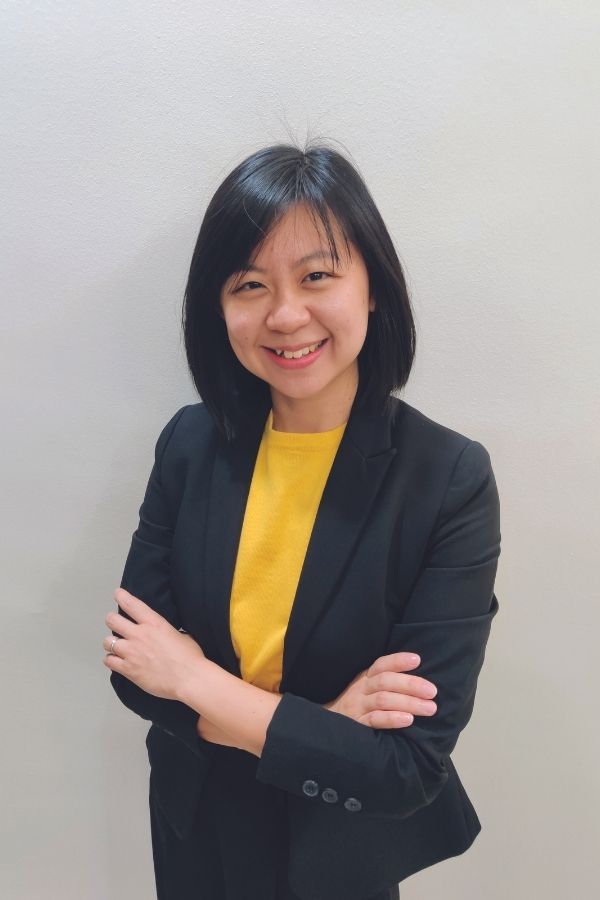
Above Venus Lim
Venus Lim
1 / 1
While the Individual Education Plan (IEP) is often encouraged as a roadmap to support a child with special needs, it can be used more effectively if teachers are trained and they work alongside other stakeholders such as parents and the necessary consultants and therapists to develop the child’s strengths and address their need.
“When it comes to an inclusive classroom, mainstream teachers can adapt their instructions and assessment methods. This is something mainstream teachers can do. It’s about making accommodations for students who require additional support in the classroom, to increase the participation and engagement of students with special needs during the process of learning. If the task is on a literacy skill but the student has yet to develop the writing skill, an alternative assessment method can be used—for example, the teacher can ask the student to point to the correct word if it’s a word recognition assessment or the student can type the answers using assistive technology devices,” shares Lim.
Above Photo: iStock
Photo: iStock
1 / 1
According to Koh, there have been many students who learnt through educators trying new methods and being creative. “I’ll be honest, we failed many times but we have also had some successes. One of my students had difficulty with the letter ‘C’. No matter how many times I showed it to her using a flashcard, she just couldn’t get it. She always said something else. In observing her, I noticed she is quite active and gets restless when she doesn’t get to move around. Some of the ideas and ways that I tried include creating a game such as using her fingers to draw the letter ‘C’ in the air, tracing the letter, and during playtime arranging the stepping stones into a letter ‘C’. After some time and with many more activities and games, she got it!” Koh shares, beaming.
While special education has achieved great progress, especially in proving that children with special needs are able to learn and grow, there is still some ways to go in changing mindsets about their place in a mainstream school in Malaysia. Having said that, the zero reject policy announced in 2019 is a good start. As history has shown, the progress and setbacks of special education is plainly linked to how society perceived people with special needs. Perhaps with more calls for the world to embrace inclusivity and diversity, we will see greater progress for special education, which will enable all people with special needs to be self-sufficient and have fulfilling lives.
YOU MAY ALSO LIKE
Tokyo 2020 Paralympics: All The Medals Our Para-Athletes Have Won
How Izza Izelan Fights for Gender Equality
Sharanjit Leyl on Building a World That’s Diverse, Equitable and Inclusive
Topics





