

Cover Photo: Getty Images
Photo: Getty Images
1 / 1
Think you know history? Travel back in time and review some of the most interesting narratives from our great heroes and their past
National Heroes' Day is just around the corner. While we revere our local bayanis more than anyone, it's also important to let history shine light upon the truth. Here are some of the most contested stories, narratives, and opinions we have surrounding the great leaders, artists, and thinkers of the Philippines.
Read more: Philippine Independence Day: 7 Unsung Heroes Who Fought For Freedom
1. Antonio Luna's death


Above Photo: Getty Images
Photo: Getty Images
1 / 1
The events surrounding the death of General Antonio Luna are often thought to be clear-cut. On the afternoon of June 5, 1899, the young general arrived in Cabanatuan for a meeting with Emilio Aguinaldo. He was apparently summoned by Aguinaldo via telegram. Upon his arrival, he was surprised (and annoyed) to notice that Aguinaldo was not present. Instead, he was met by Felipe Buencamino and by Aguinaldo's bodyguards. The soldiers allegedly killed him—via gunfire and even through stabbing—as an act of self-defence after an irate Luna drew his gun after being told of Aguinaldo's absence.
Newspapers were quick to point their fingers towards Aguinaldo, naming him the mastermind behind the assassination. However, Ateneo historian, Ambeth Ocampo points to an oversimplification of these events saying in his column: "Those most threatened by Luna protected themselves by playing on Aguinaldo’s fear and insecurity...A more nuanced reading of the challenges that faced the short-lived First Philippine Republic leads us to the complex background of the Luna assassination."
The question now remains: did Aguinaldo truly mastermind Antonio Luna's assassination, or was it, as the Aguinaldo camp maintains, a question of self-defence? Luna's ill temper is by no means a secret, so it would seem plausible that a fight could escalate—especially between himself and Buencamino, with whom Luna had had previous disagreements. Yet, Aguinaldo and Luna were nary friends either, and with political agendas on the line, it doesn't seem far-fetched that his death could have been pre-mediated.
2. Jose Rizal's religion
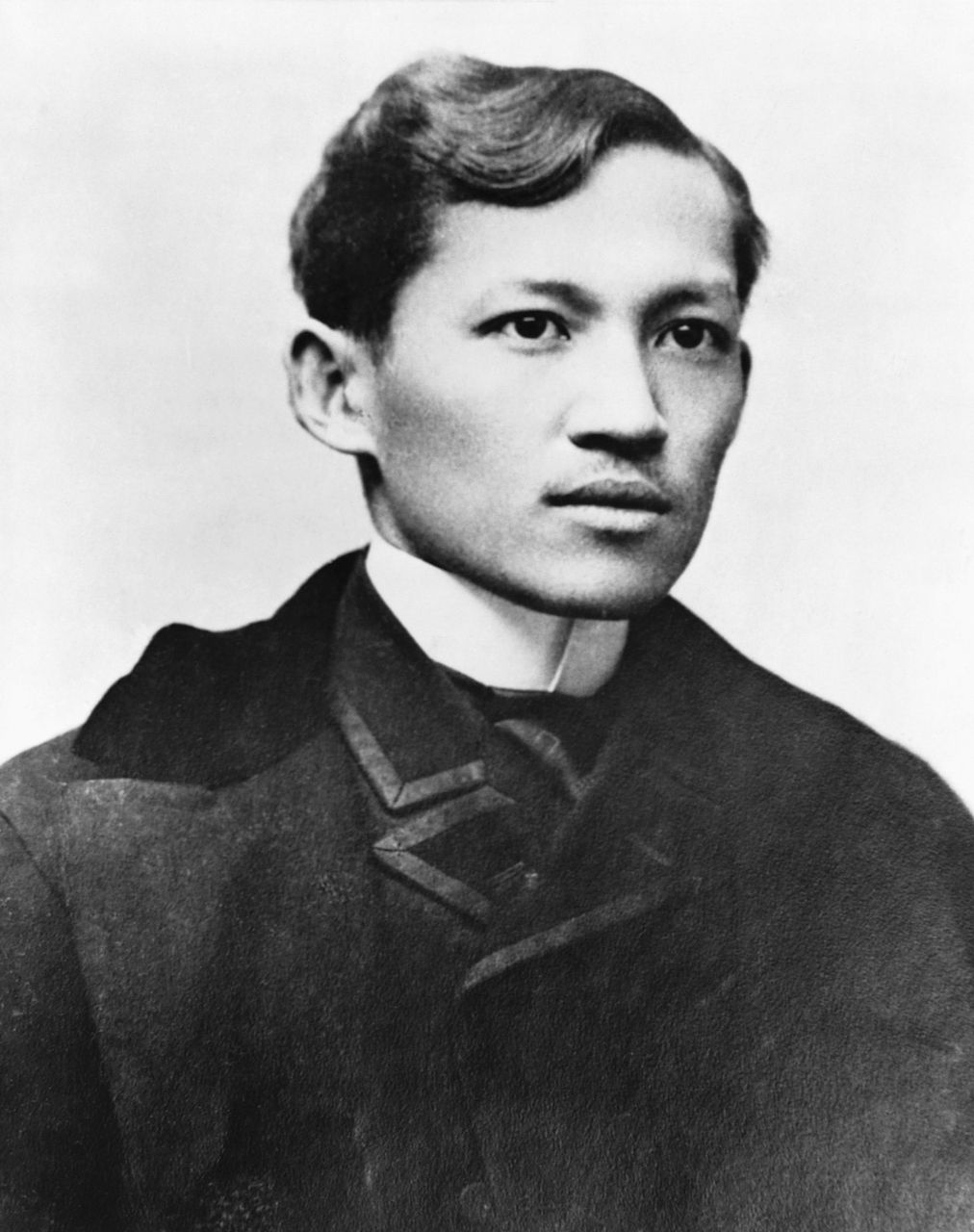
Above Photo: Getty Images
Photo: Getty Images
1 / 1
One of the most hotly contested debates is whether or not Rizal, who was a Mason, retracted his religion on the eve of his execution and instead, embraced Catholicism.
There have been two versions to the story, one of which is the pro-retraction side (that he did, in fact, recant his dedication to Masonry), which was argued by the Jesuits as well as the archbishop of Manila at the time. The Jesuits holds a document signed by Rizal saying he embraced Catholicism before his execution. However, the affidavit hadn't materialised. After Rizal's death, members of the Masonry began questioning the reports of the Jesuits and in fact, even Rizal's sister, Trinidad, had said that though the Jesuits had promised to show the family the original retraction, they had not done so.
The question now remains: did Rizal die a Catholic or a Mason?
3. The mastermind of Ninoy Aquino's assassination
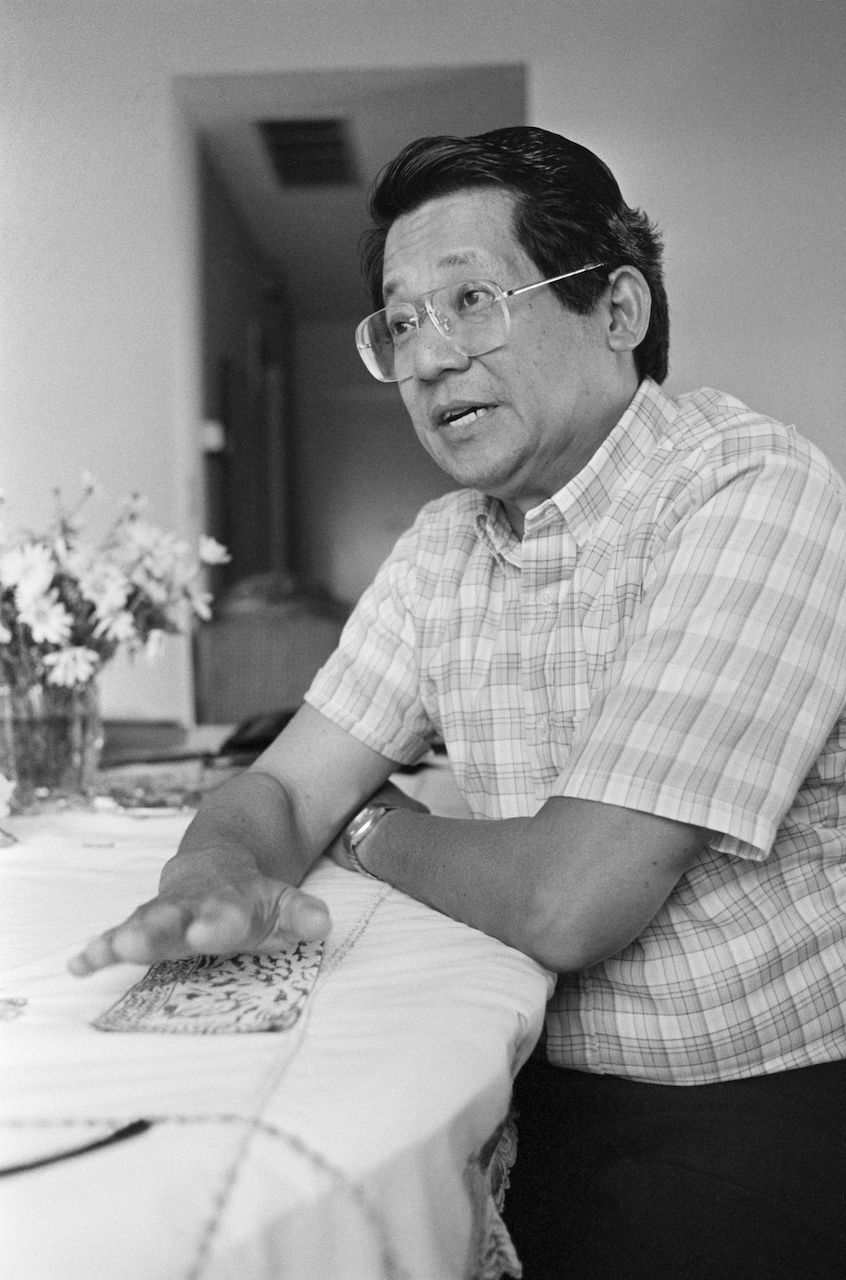
Above Photo: Getty Images
Photo: Getty Images
1 / 1
Ninoy Aquino's assassination in 1983 rocked the Philippines. In fact, his death would be the catalyst to major societal change in the Philippines. Yet his passing remains to be a "legal enigma" decades into the future. Who was responsible for Aquino's death? Records from the past show suspects pointing fingers and loose talk linked the Marcoses to his assassination (though they themselves were never indicted).
See also: Remembering Ninoy Aquino As A Catalyst For Filipino Democracy
The assassination of Ninoy Aquino reached multiple trials in court. In the first hearing in the 1980's, the Agrava Board (commissioned by the Marcoses to investigate the case) concluded that Fabian Ver, along with several military officers, had conspired to kill Ninoy. However, the Sandiganbayan acquitted all accused. In 1990, a new Justice at the Sandiganbayan convicted the soldiers and also ruled Rogelio Moreno (Ninoy's security escort) to have pulled the trigger. But in 2004, a new motion was filed that accused Rolando Galman of pulling the trigger. This petition was denied in 2005 by Justice Reynato Puno.
To this day, it is unclear exactly who was behind the death of this beloved Philippine hero.
See also: EDSA Revolution: A Look Back At The Historic 1986 People Power
4. Public opinion on Emilio Aguinaldo
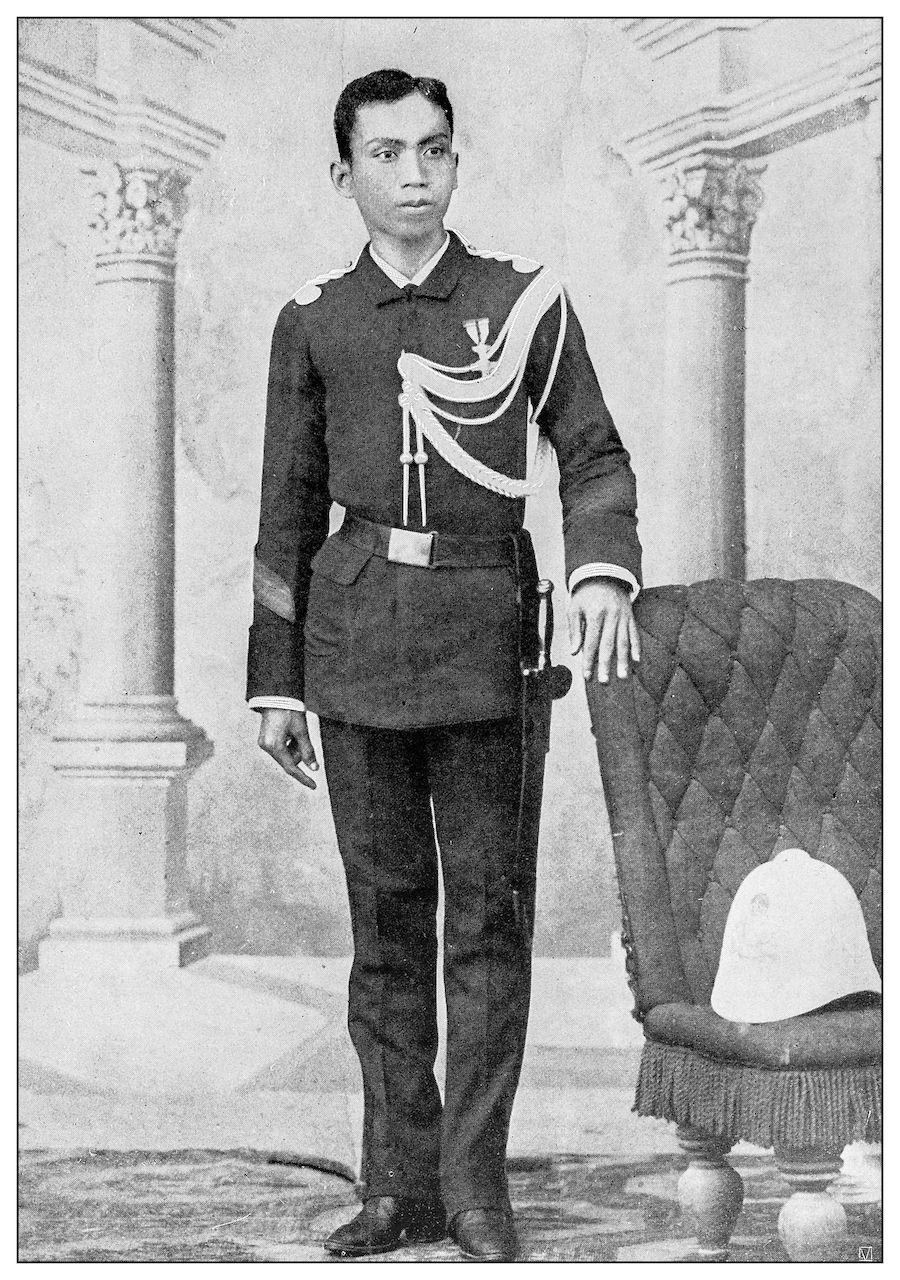
Above Photo: Getty Images
Photo: Getty Images
1 / 1
Was Emilio Aguinaldo a hero or a traitor? This is one of the many debates historians have held among themselves. Though this is decision is likely affected by one own's opinion, plenty of historians continue to do their due diligence upon the actions of our country's first president.
Emilio Aguinaldo was a staunch revolutionary who fought bravely for Philippine independence. Yet, he was also suspected as the mastermind behind Antonio Luna's assassination. Though this cannot be proven, Aguinaldo had apparently "confessed" to ordering the execution of Andres Bonifacio (who was his political rival) and his brother, Procopio Bonifacio.
Aguinaldo had also famously taken part in political compromises, which undermined his loyalty to the Philippines. After being captured by the Americans, Aguinaldo had sworn an oath of allegiance to the United States. Of course, this isn't necessarily the way textbooks portray our first president to schoolchildren, but it is something historians contest widely with regard to his reputation. So it's truly up to the reader to discern: was Aguinaldo a rightful hero or a traitor of the country?
5. Controversy at the Tejeros Convention
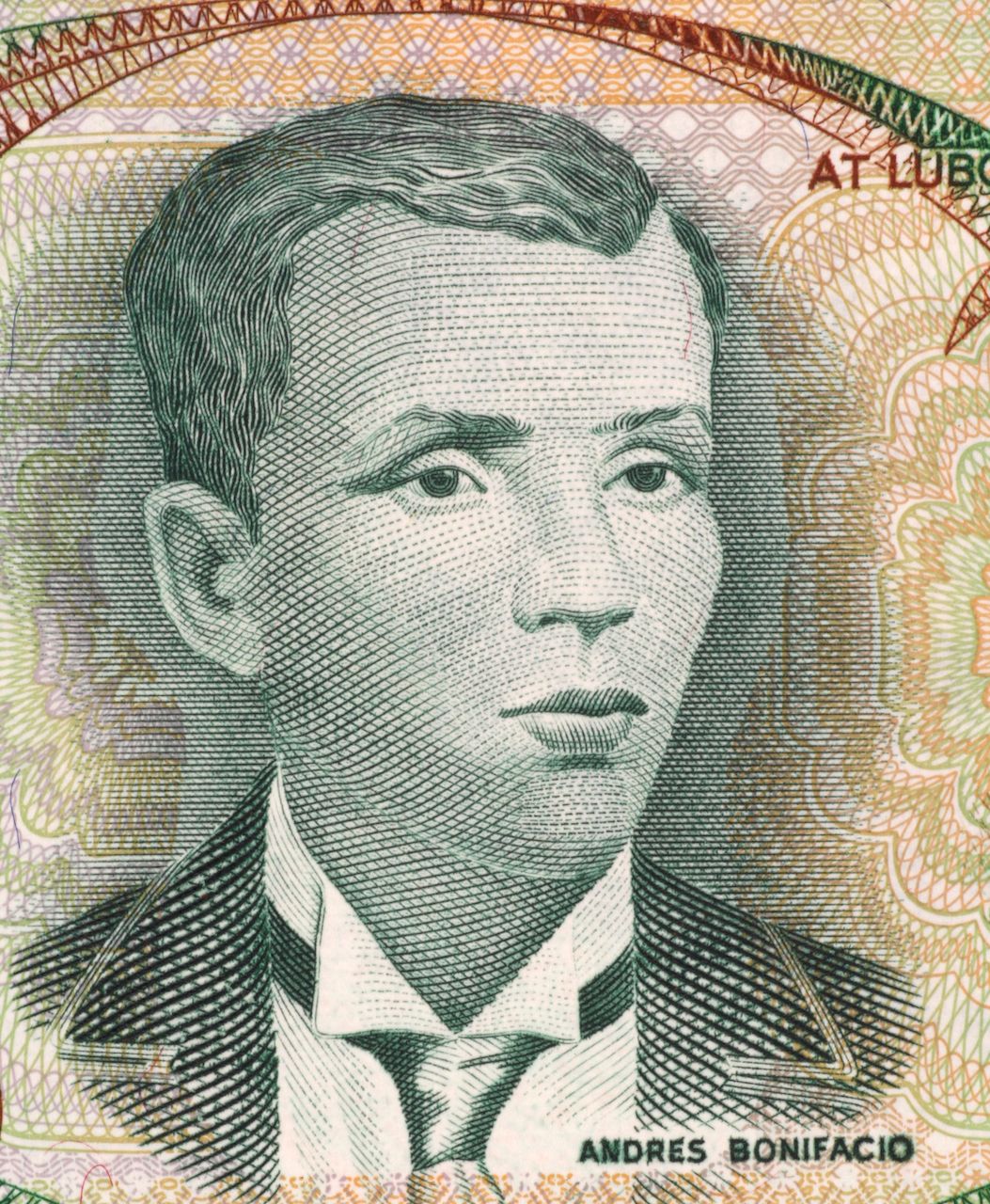
Above Photo: Getty Images
Photo: Getty Images
1 / 1
Another controversy in Philippine history surrounds the events of the Tejeros Convention. This was among the most important conventions held by the Katipuneros and was attended by two rival factions within the same organisation. The Magdiwang faction, which was loyal to Andres Bonifacio, and the Magdalo faction, loyal to Emilio Aguinaldo. The Tejeros Convention was set up in order to settle the dispute between both parties and to decide on the type of government that would be followed.
At the end of the Tejeros Convention, it had been decided that Aguinaldo would serve as President while Bonifacio would serve as Director of the Interior. However, there had been reports of voter manipulation and rigged ballots. That caused contention between both parties as to who was the rightful leader, one that historians speculate on to this day.
Besides, Daniel Tirona had also insulted Bonifacio during the Convention, which led to Bonifacio declaring that all matters convened were null and void. Bonifacio left along with other members of the Magdiwang faction.
Read more: The Richest Filipino Billionaires As Of August 2021





