

Cover Photo: Linkedin/WISE Singapore
Photo: Linkedin/WISE Singapore
1 / 1

Did you know that buildings account for over 20 per cent of Singapore's carbon emissions? These are the women championing the journey to net-zero
As the world turns its attention towards the ways in which we can become more sustainable, more focus is being put on the ways in which we construct the buildings of our future. This is being done in an attempt to maximise our green actions and significantly reduce carbon emissions.
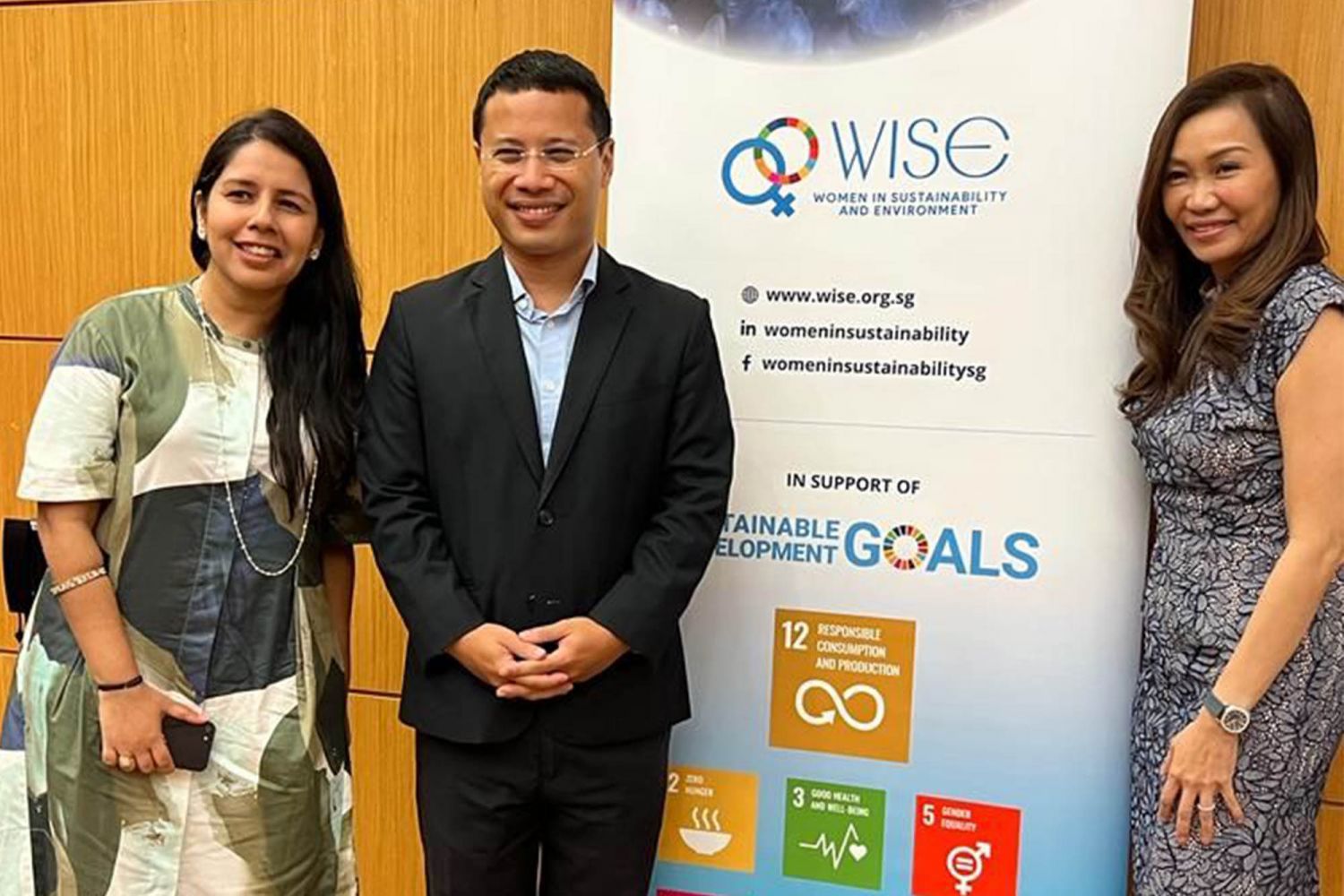
At the forefront of educating Singapore about these issues is a local group, the Women in Sustainability and Environment (Wise), a non-profit society that was launched last year by philanthropist Trina Liang-Lin. Wise aims to bring women into the sustainability space and to include them in the fight for greater green participation.
Don’t miss: Trina Liang-Lin’s Wise Announces a Women-Led Panel on Sustainability
Last week, in conjunction with World Environment Day, the group held its first-ever all-women “Real Estate and Sustainability” panel.
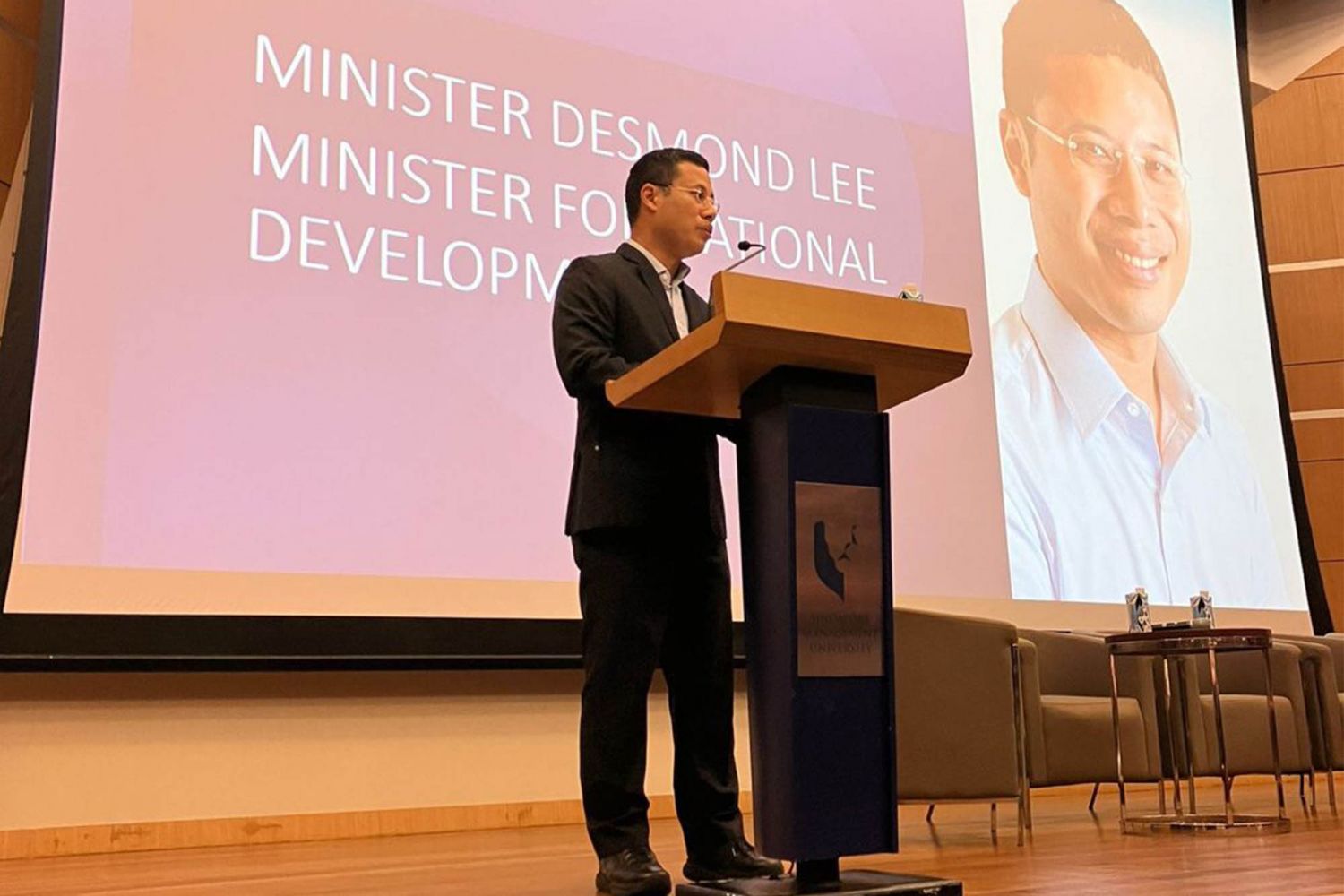
The invigorating forum was graced by the Singapore minister for national development and the minister-in-charge of social services integration, Mr Desmond Lee, who delivered an opening keynote presentation at the Singapore Management University (SMU) where the panel was held.
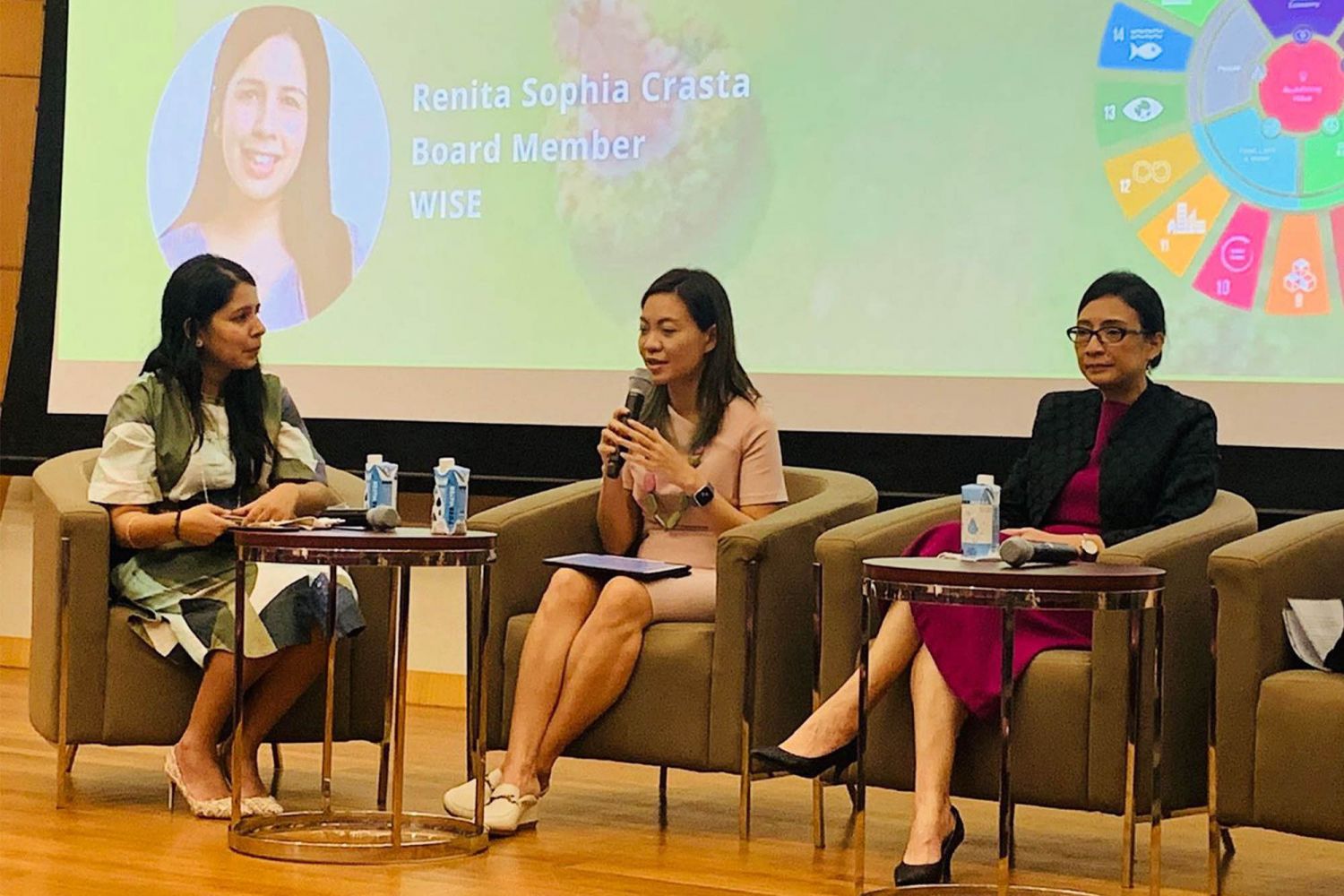
Following Mr Lee’s comments, a panel was held comprising key female players in Singapore’s built environment sector. Guests got to hear from Kemmy Tan, the Chief Executive Officer (CEO) of M+S Pte Ltd, Nina Yang, the CEO of SJ Cityglobal, Kok Su-Ming, the managing director of BCA Academy, Yvonne Lim, the Group Director (Physical Planning) of the Urban Redevelopment Authority and Yvonne Soh, the Executive Director of the Singapore Green Building Council.
The occasion also saw Esther An, the Chief Sustainability Officer of City Developments Limited who delivered a short pre-recorded message over Zoom as she was unable to be present physically on the day.
Below are three key takeaways from the invigorating forum.
1. Women make up 30 per cent of all built environment jobs

Above Photo: Linkedin/WISE Singapore
Photo: Linkedin/WISE Singapore
1 / 1
In the past, engineering, construction and built environment roles were primarily occupied by men. Today, according to Mr Lee in his opening remarks, women make up 30 per cent of all built environment jobs.
“I’ve met so many incredible young women who are doing engineering roles and it’s really incredible to see,” said Mr Lee. “It’s important that we continue to encourage women to join the industry by creating new roles and utilising tech to modernise our built environment roles.”
He continued by adding that women play a very key role in the built environment sector because they bring fresh eyes and a fresh perspective that is integral as we create and redesign roles so more Singaporeans will join the sector.
“The built environment was actually the hardest hit by Covid-19 and so we need to collaborate and work together to build it back up,” Mr Lee said.
2. Buildings account for over 20 per cent of the nation's carbon emissions
Above Photo: Linkedin/WISE Singapore
Photo: Linkedin/WISE Singapore
1 / 1
“Did you know that as a city-state, buildings actually account for over 20 per cent of the nation’s carbon emissions?” An asked soberly in her pre-recorded message to the forum.
True enough, if there was only one thing guests took away from Wise’s panel, it was that green buildings are key to Singapore’s climate change mitigation strategy.
“The energy performance of a building is crucial, especially as move towards our goal of ensuring that our buildings have net-zero emissions. So we have to look at the life cycle of the building. We have to see if it is maintainable and we do that by using data and systems to chart our plans for buildings as we build them up,” said Kok.
“At the end of the day, our investors have indicated that buildings having green strategies lead to better tenant retention and greater value on the building,” said Soh.
“So the question is, do we save money now and go for the bare minimum or do we go for the best? Because it will come back in savings and operational costs too. We need to look at the bigger picture,” Tan chimed in.
3. Moving towards net zero is about the long term plans we establish today
Above Photo: Linkedin/WISE Singapore
Photo: Linkedin/WISE Singapore
1 / 1
When it comes to achieving Singapore’s goal of greening 80 per cent of Singapore’s buildings by 2030, long term planning is key. In fact, forward-thinking was the only reason why as of the end of 2021, 49 per cent of our buildings have already been greened, according to the Building and Construction Authority.
“It’s important that we do this by keeping track of trends and providing for our future generations. When you have a good base with a sustainable building, you can build on it and keep building on it as the world and our environmental needs shift,” said Lim.
She then brought up the example of Jurong Lake District which is the largest district outside the city centre. “When we were planning for this, we had to look ahead towards a world where more people use public transport. So we designed the space such that at least 85 per cent of all trips will be made either on foot, bike or public transport. This obviously contributes greatly to our reduction in carbon emissions,” she continued.
“Companies simply need to embed sustainability into everything they do and this will drive the impact we want to see by 2030,” added An.
NOW READ
From Natural Deodorant to Edible Cutlery: 5 Sustainable Alternatives to Your Everyday Items
How Yan Ng Is Disrupting the Fast Fashion Industry With Her Sustainable Brand, Lily & Lou
10 Best Sustainable Stores and Grocers in Singapore
A resource for women to become their best selves, Front & Female celebrates trailblazers and tackles timely, provocative issues through inspiring content and events. Join the community by subscribing to our newsletter and following #frontandfemale
Topics
Camillia Dass is the digital writer for Tatler Singapore.





