
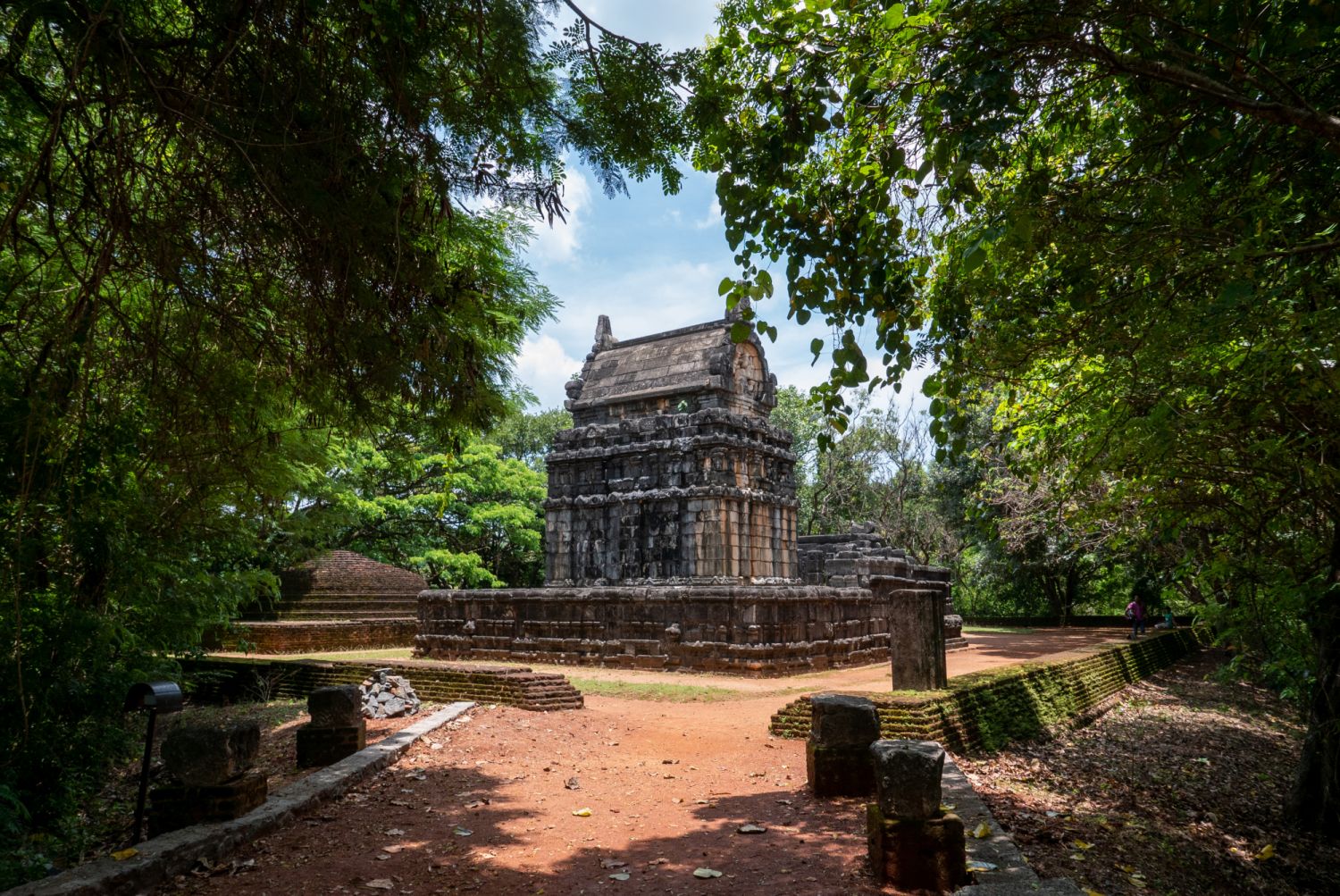
Cover Lush greenery surrounds Nalanda Gedige, one of the earliest stone structures in Sri Lanka near the city of Matale
Lush greenery surrounds Nalanda Gedige, one of the earliest stone structures in Sri Lanka near the city of Matale
1 / 1
In her new book The Sacred and The Ordinary: Journeys Around Asia, author Marie Annette Martel compels the reader to rethink the concept of travel from a mere pursuit of pleasure to a path towards spiritual enlightenment

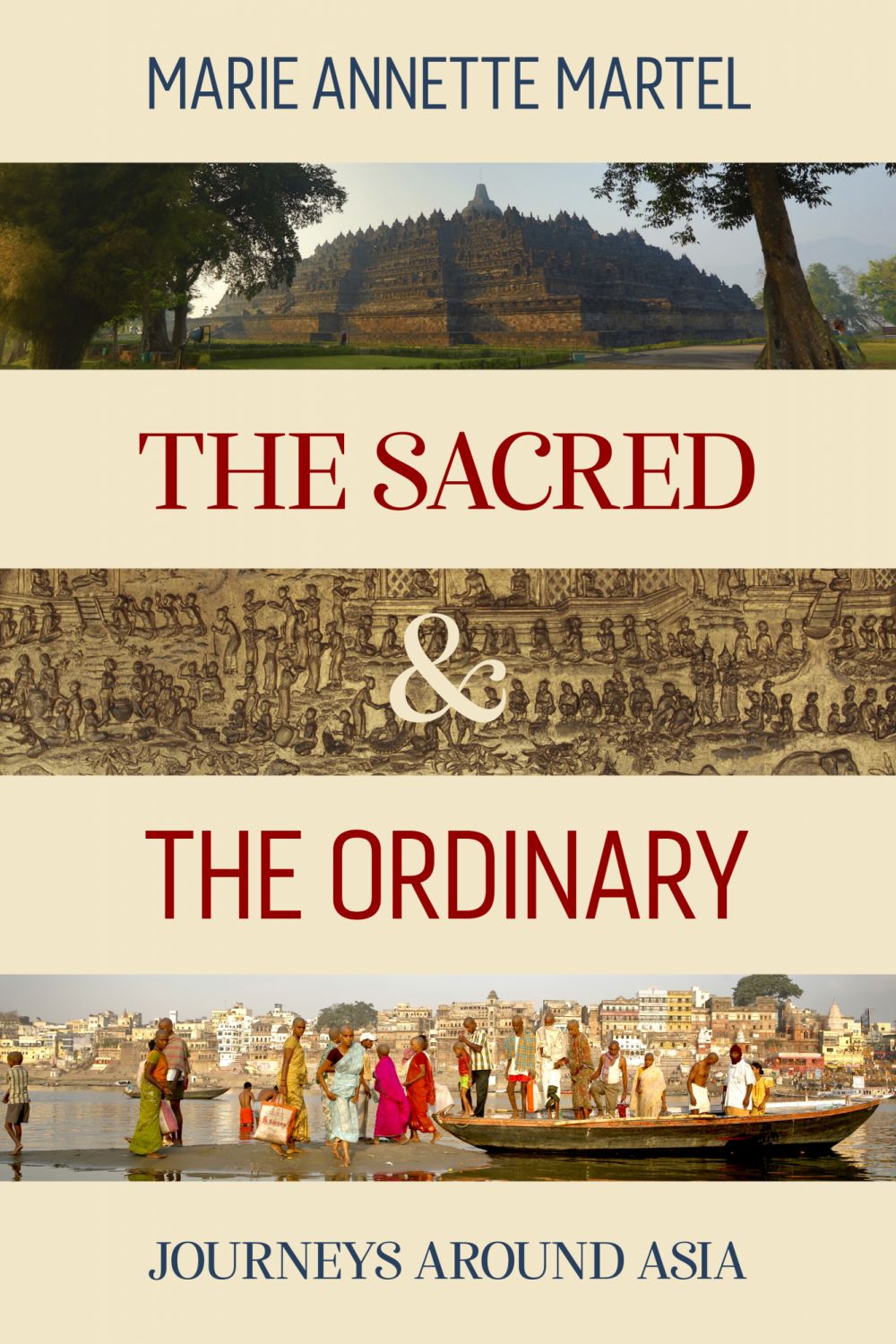
Above The Sacred and the Ordinary book cover

Above Tonette Martel
The Sacred and the Ordinary book cover
1 / 2
After over two years in imposed confinement, many of us yearn for open roads and friendly skies, for pastures new or even a quick change of scenery to refresh our eyes.
As both domestic and international destinations open their doors to tourists and business travellers, some people - particularly those for whom the last couple of years have been a profoundly life-changing and often grief-stricken time - wish to travel to seek a completely different experience from mere pleasure-seeking or deal-making.
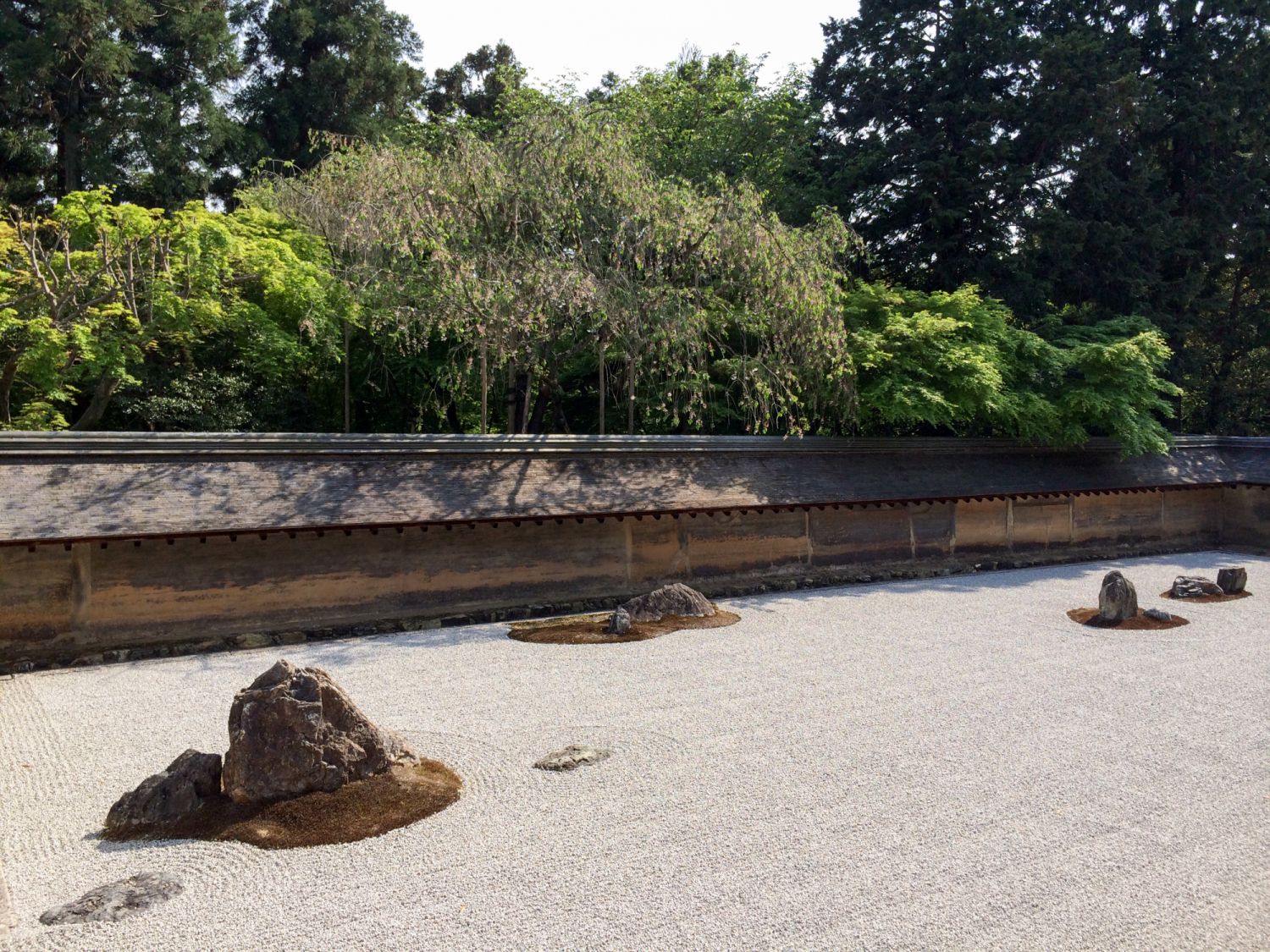
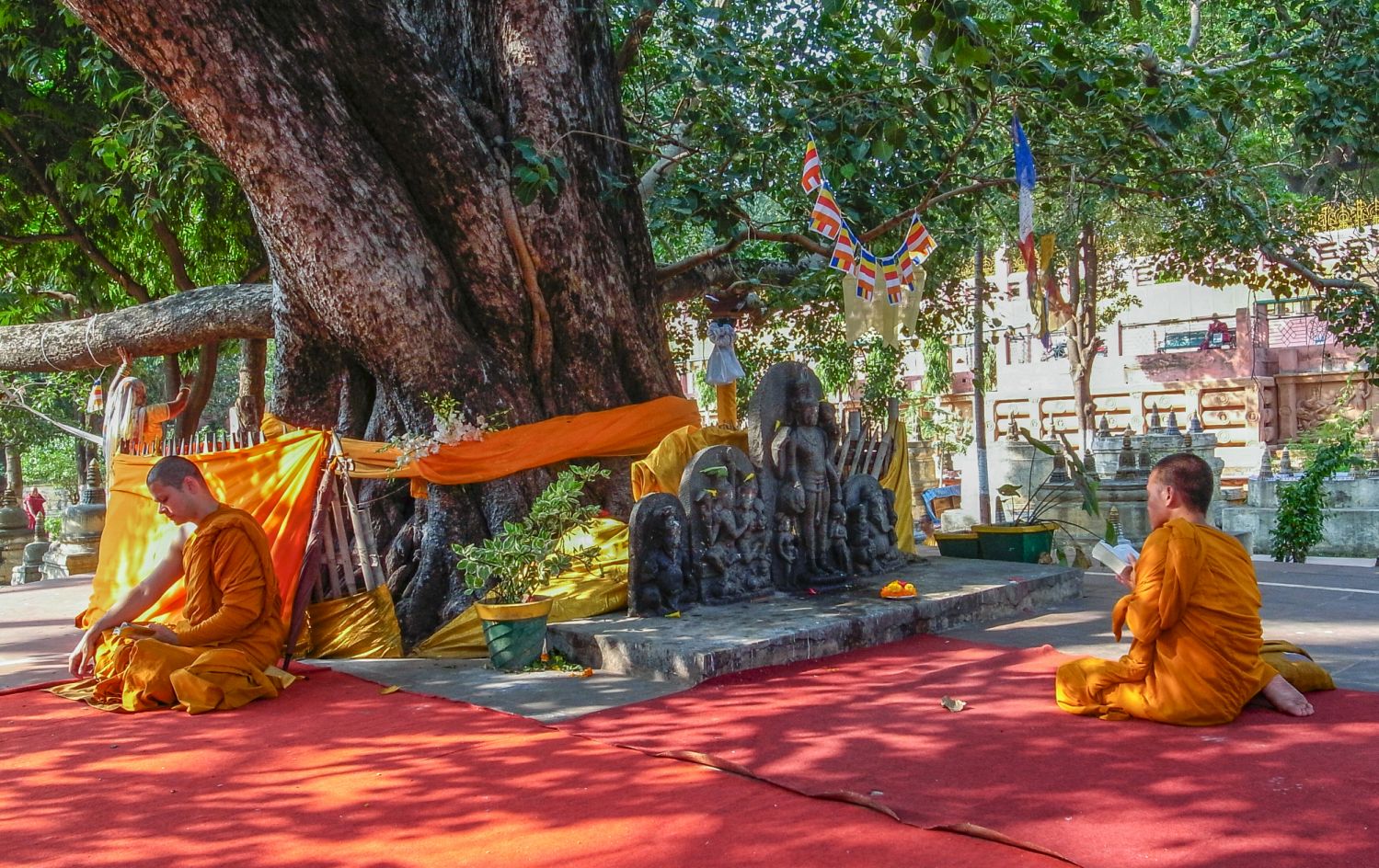
The most famous dry landscape garden in Japan at Ryoan-ji Temple in the city of Kyoto
1 / 9
For the world-weary, author Marie Annette Martel’s new book The Sacred and The Ordinary: Journeys Around Asia serves as a starting point which could inspire readers to consider a different angle when it comes to planning their next trips - one that seeks the treasures of the spirit rather than sybaritic pleasures.
In The Sacred and the Ordinary, Martel writes about her travels throughout much of the Asian continent, particularly throughout its northern and southeastern regions where history comes alive and daily living is made richer by the inclusion of cultural and spiritual nuances.
According to Martel, herself an avid traveller, she had always hoped to write a book about Asia. But rather than speak dreamily of tropical locations and places where one can indulge in the good life, she wanted her writing to be more thought-provoking and introspective.
["I wanted] to look back to the days when kings, artists, and ordinary people came together to build monuments of faith that would transport them to the realm of the spirit or the abode of the gods," she writes in the introduction. "Each essay was written independently and yet is bound by a common thread."
In doing so, the author speaks of the different cultural nuances that make up each nation’s identity while, at the same time, reflecting upon how their respective faiths have sustained them throughout centuries of change and conflict.
The reader is, in turn, entranced by how golden stupas and the austere beauty of meditation gardens can stand side by side with towering skyscrapers and a tangle of super-highways.
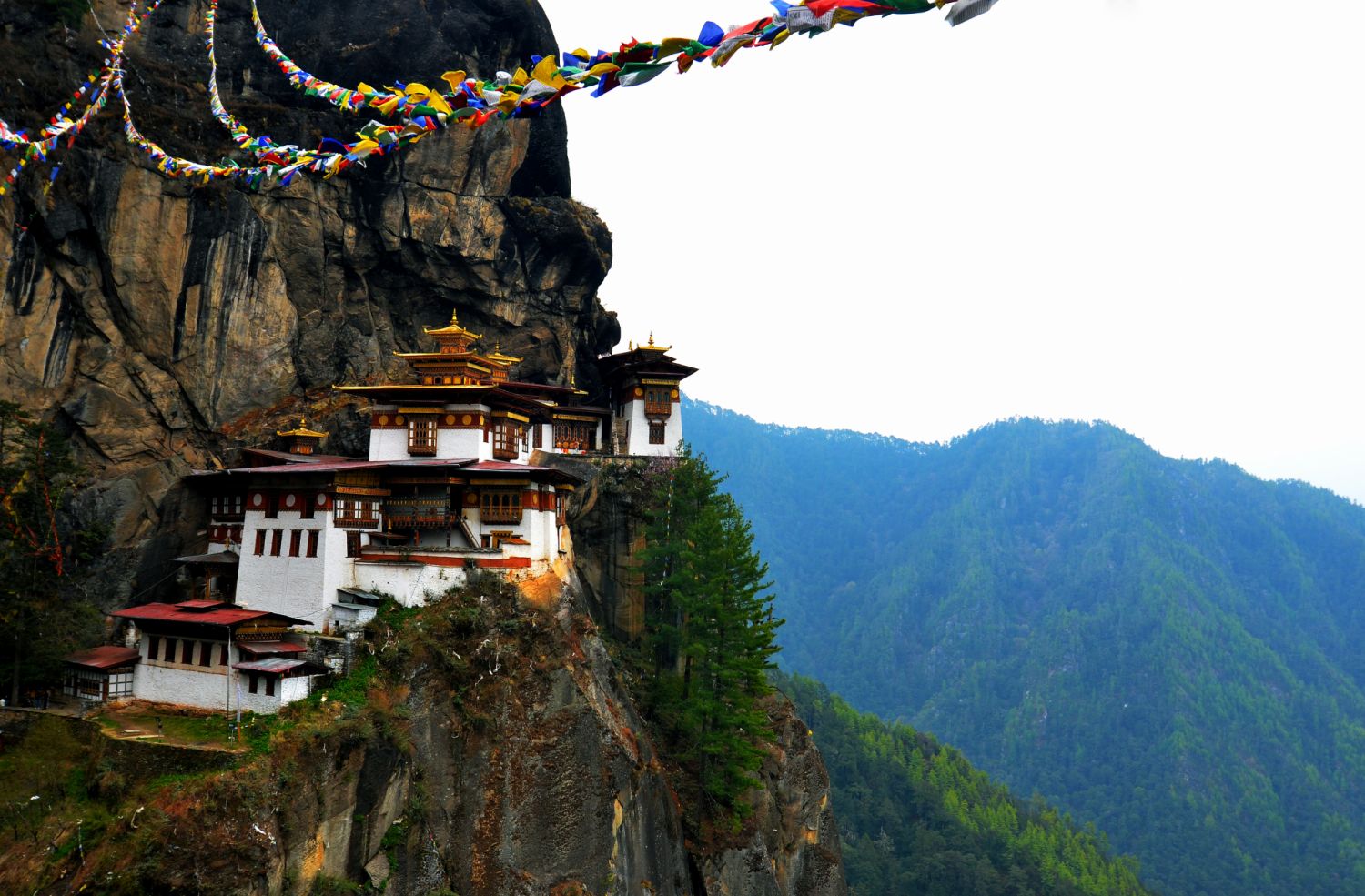
But Martel’s writing truly stands out when she describes the sights, sounds, and people in each place she visits. One is drawn into the narrative and feels as if they are walking in the author’s footsteps. Consider, for example, her impressions of the mountainous landscape of Bhutan:
“It was good to be back [...] where the mountains stood guard over seemingly endless valleys, where clear rivers and streams punctuated the landscape, where lowlands were carpeted with rice fields that glistened yellow gold in late September, and flowers clung to the hillsides. The natural landscape filled my senses with awe and wonder.”
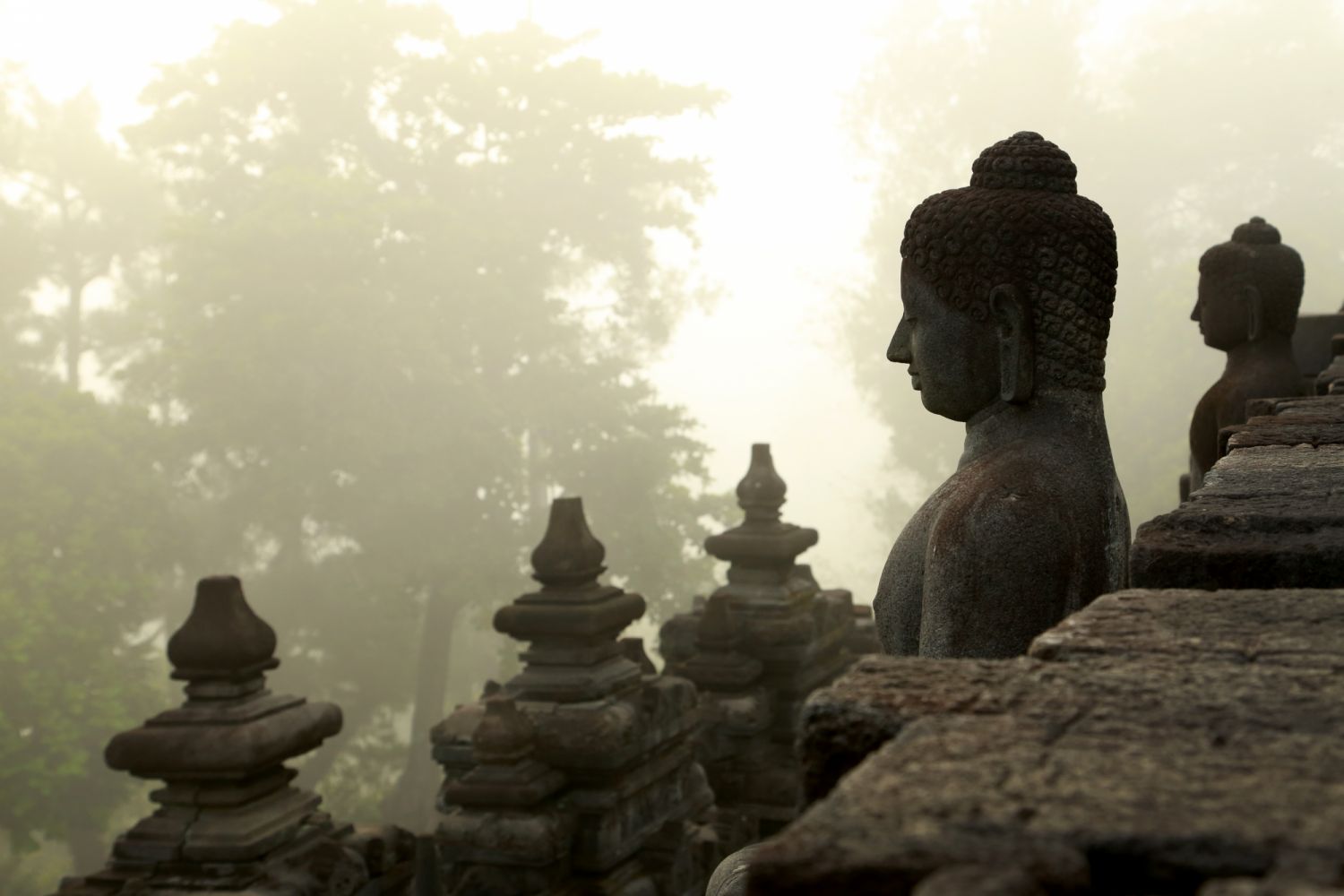
Above Statues of the Buddha at the outer walls of Borobudur amid the haze that blankets the horizon at daybreak
Statues of the Buddha at the outer walls of Borobudur amid the haze that blankets the horizon at daybreak
1 / 1
Martel's observations and the emotions evoked within her by the scenery - and, by extension, the spirit and culture of the people of the region - call to mind a verse written by the Buddhist sage Maha Kassapa, a disciple of the Buddha, in the Theragatha:
Covered in blue flowers
As the sky is covered in clouds,
And filled with flocks of birds,
These rocky heights delight me.
It is as if the author, though born and raised in the Catholic faith, has found a sort of enlightenment in her surroundings and is in silent communion with the spiritual if not the Divine as she delights in the environment she finds herself in.
Rethinking Travel in the Context of a Personal Pilgrimage
Indeed, throughout the course of her travels, Martel has been intrigued time and again by the way spirituality is practised among our Asian neighbours.
"The religious beliefs and age-old traditions in many parts of Asia represented a whole new world for me," she says. "In my travels around the region, from the Himalayas to North and Southeast Asia, I found that the sacred dwelled in the ordinary - in the mundane aspects of everyday life."
Indeed, as the reader meanders from one page to the next, one ends up sharing the author's fascination with the spiritual side of life in one of the world's most dynamic regions.
However, it cannot be denied that much of pre-pandemic tourism in Asia was dedicated to different forms of material enjoyment: shopping, dining, urban nightlife, and beachfront luxury. These are the experiences that the majority will continue to seek now that borders are reopening - yet, some would-be travellers say that they yearn for something more esoteric and profound when they head out of their home countries.
Indeed, and especially for those whose lives have been profoundly changed by their experiences over the past two years, travel has become so much more than mere fun or even business as usual. Travel for them is an escape from the woes of the past and an opportunity to explore possibilities for the future. It could also be a way to find or rediscover themselves, to find God, or to find answers to questions that weigh heavily on their minds.
Martel opines that there is room for both kinds of travel.
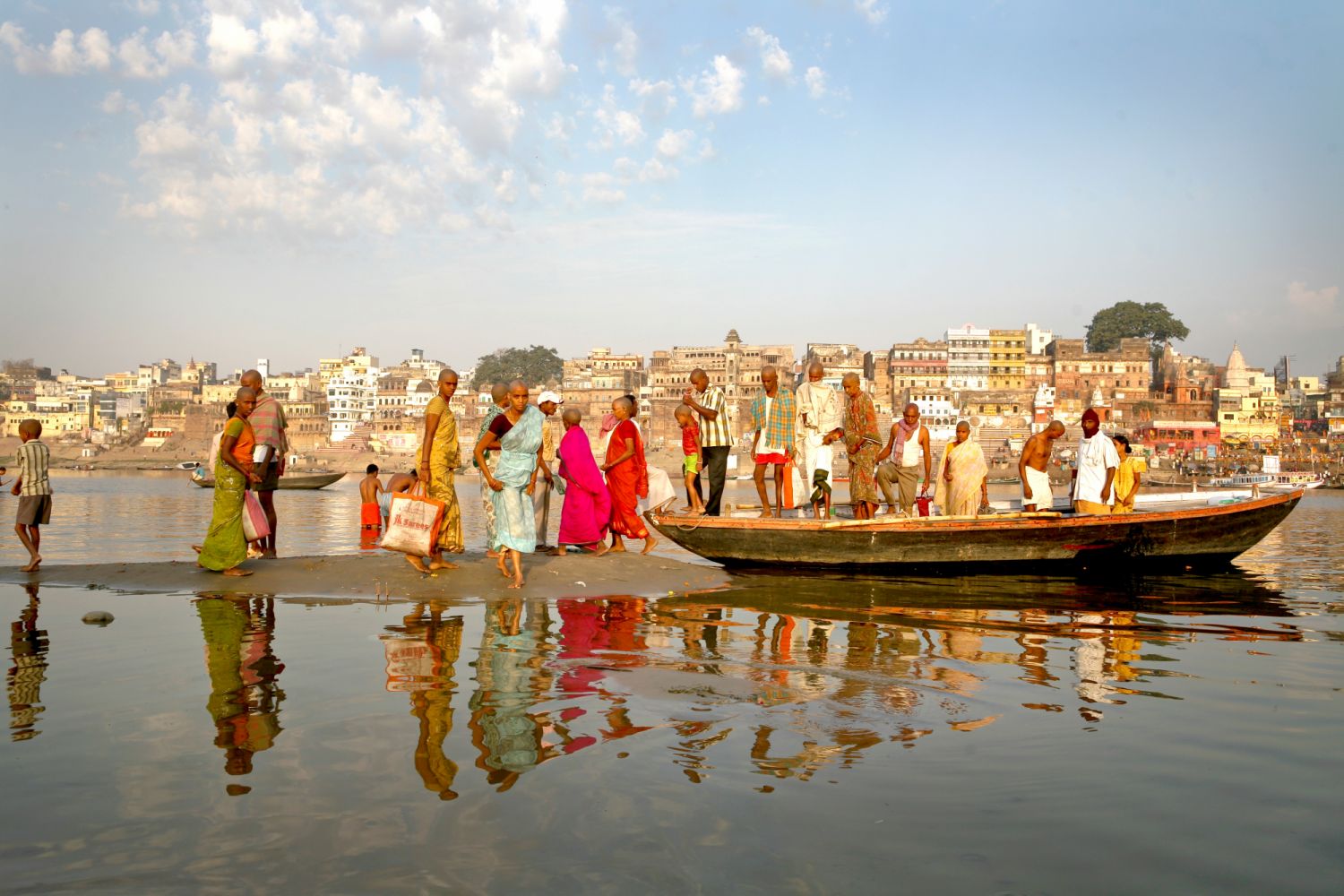
"Travelling can be a spiritual experience, but it really depends on what you are looking for," she says. "Some people travel to big cities to experience the latest trends in terms of food, fashion, and design; others prefer to go back to nature to take a respite from work and the hustle and bustle of city living. [Still] others travel to learn about different cultures and ways of life. Yes, you can travel to a city like Kyoto and find [a] reflective pause in one of its Zen Temple gardens which are intended as aids to meditation. In Varanasi, India you can see the age-old spiritual practices of India as you traverse the riverbanks of the Ganges. Spending a few days on a quiet beach to get in touch with your innermost thoughts can be a spiritual experience as well."
Martel notes that one of the key lessons many of us learned throughout the course of the pandemic is that there is so much uncertainty in life, and we have taken our freedoms - including those of movement and travel - for granted for far too long. She believes that this will profoundly change the way we think about travel.
"I think we will learn to cherish even more the chance to travel to beautiful locations, and enjoy spending time around nature which nourishes the soul and the spirit," she says.
In which case, The Sacred and The Ordinary veers away from conventional travel writing and would not, perhaps, be to the taste of those who are making their way into Asia for adventure and enjoyment. But for those who want to get to know the beating heart of the region, its people, and its diverse cultures through experiences off the beaten path, this book will serve as a great source of inspiration and even enlightenment.
Marie Annette Martel’s The Sacred and The Ordinary: Journeys Around Asia is available via Amazon and Apple Books.
NOW READ
8 Trendy Travel Destinations for 2022





