

Cover "Portrait of Pedro Alejandro Paterno" by Félix Resurrección Hidalgo, (1855-1913), signed and
dated “A Mi Querido Amigo [To My Dear Friend] Pedro Alejandro Paterno, Madrid, 1881”, oil on canvas, 25 1/2” x 21”
"Portrait of Pedro Alejandro Paterno" by Félix Resurrección Hidalgo, (1855-1913), signed and dated “A Mi Querido Amigo [To My Dear Friend] Pedro Alejandro Paterno, Madrid, 1881”, oil on canvas, 25 1/2” x 21”
1 / 1
Travel back in time and get to know Chinese-Filipino billionaire Pedro Paterno and the illustrious life he lived
Stylish, sophisticated, connected, and cultivated, the young Pedro Alejandro Molo Agustin Paterno was the epitome of the Spanish gentleman—except that he was a Filipino born in Sta Cruz, Manila.
Paterno would reverse-engineer his background to suit a period that created Jane Austen, but that foretold the glamorous Simon, Duke of Hastings, in the recent inter-racial Netflix sensation, Bridgerton.
He was just as fabulously wealthy as the duke, perhaps even more so. Paterno was a third-generation billionaire. His grandfather was the son of a Chinese immigrant who would marry a Yamson, as close to the Tagalog nobility of old as they come, a descendant of Rajah Soliman. The alliance set the tone for future generations.
Read also: The Brilliant Life and Turbulent Times of Don Jacobo Zóbel y Zangróniz

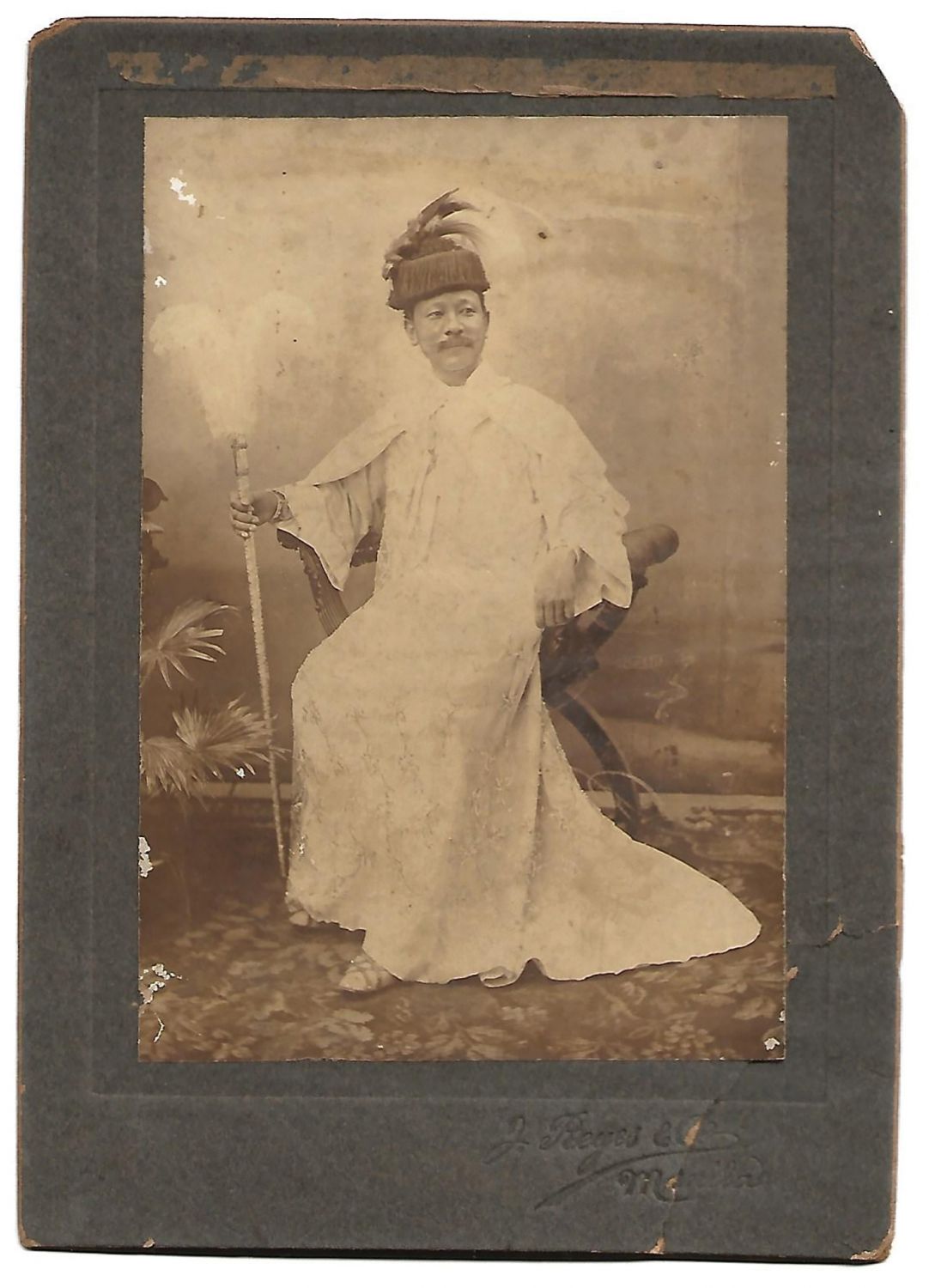
Above Paterno dressed for a costume ball
Paterno dressed for a costume ball
1 / 1
The family fortune would become immense due to a canny combination of planning, hard work and skill, and the Paterno home was said to take up several city blocks, brimming with paintings, furniture and beautiful objects.
“You have to look at him through 19th-century lenses: position and pedigree were as important—or even more so—than ‘mere money,” explained a descendant, Miguel Roces Paterno. It was an outlook straight out of English romantic novels where one’s social fortunes could be made or wrecked by the right or wrong circle of friends—or marriage.
Roces Paterno, the co-author of the family memoir By their Deeds: The Paternos of the Spanish Era, writes that “the young Pedro was described by one of his peers as "a precocious child…with a flair for elegant attire’”. It was said that he would go to class at the Ateneo so splendidly dressed that he seemed dressed “to receive his First Communion at the hand of the papal nuncio”.
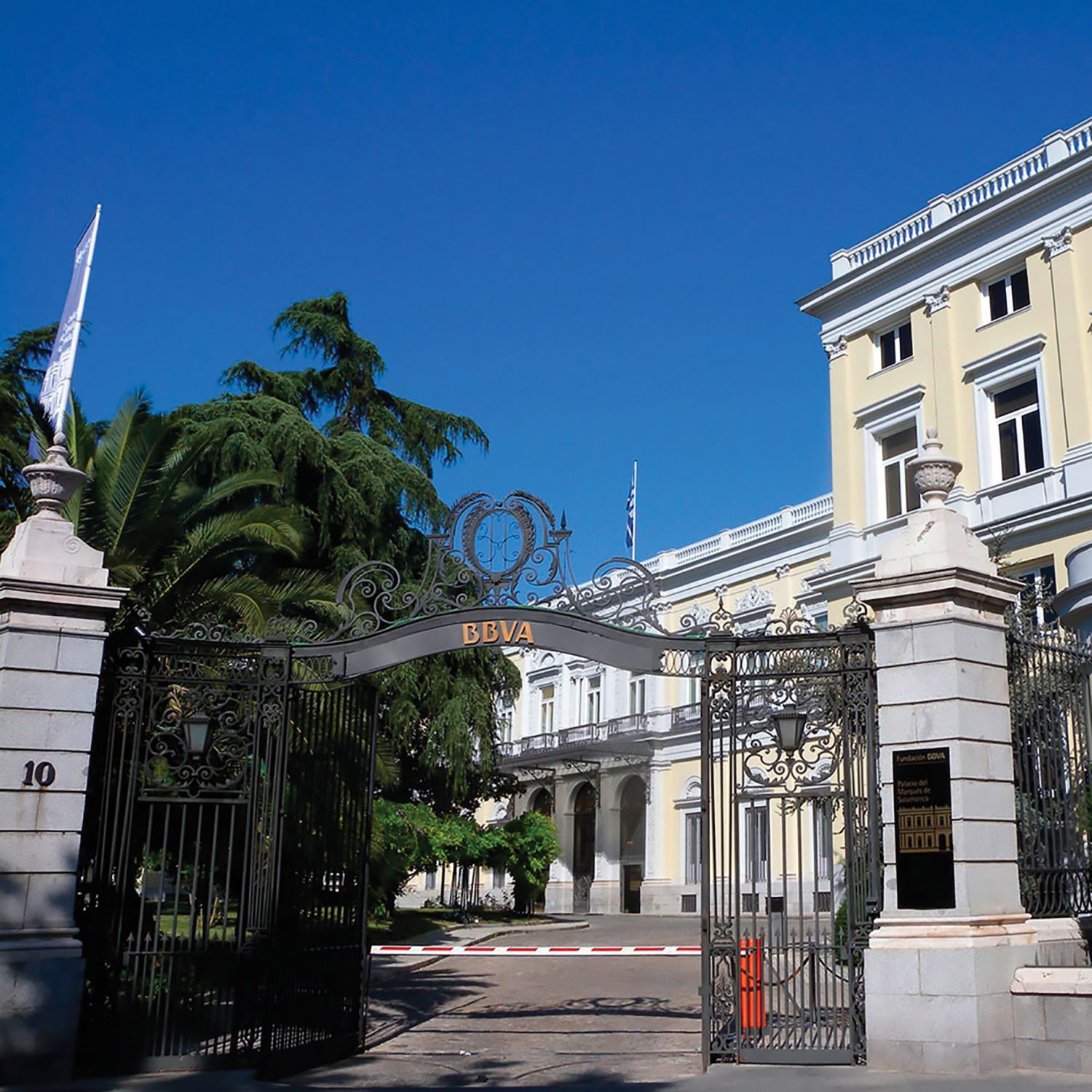
Above Paterno would rent a wing of Palacio Marques de Salamanca which stands today as a bank headquarters
Paterno would rent a wing of Palacio Marques de Salamanca which stands today as a bank headquarters
1 / 1
Shipped to Spain by a father who was anxious that his son not be swept up in the colony’s perpetual atmosphere of terror and suspicion, Paterno arrived in Madrid when he was just 14 years old. (His father’s fears would be wholly justified: The Cavite Mutiny would explode in 1872, taking with it the priests Gomez, Burgos, and Zamora to the garrote. Paterno’s own father would be arrested and exiled to the Marianas, today’s Guam.) The young man would enrol at the University of Salamanca to complete a degree in the gentlemanly pursuit of philosophy and would forge many friends among the Spanish nobility. He would master the art of aristocratic living, too.
Was it a coincidence that when he set his sights on the beautiful, nobly born Luisa Piñyero y Merino that he would select the palatial Madrid address of the Marques de Salamanca? To impress Madrid’s haughty social circles, Paterno would lease an entire wing of the mansion (a detailed layout survives in the family archives). He would have the best room, facing the palace gardens. He would have his own sala for books and to display his growing collection of Filipiniana, apart from rooms for his brothers, dining and entertaining. Dubbed “Casa de Molo” in reference to his family’s original name, it was the venue for many fetes and was the first of Paterno’s many museums. Its formal address was No16 Calle Sauco in front of the Paseo de Recoletos in the very heart of Madrid.
Read also: Juan Luna: The Tragic Life and Legacy of the Renowned Filipino Master
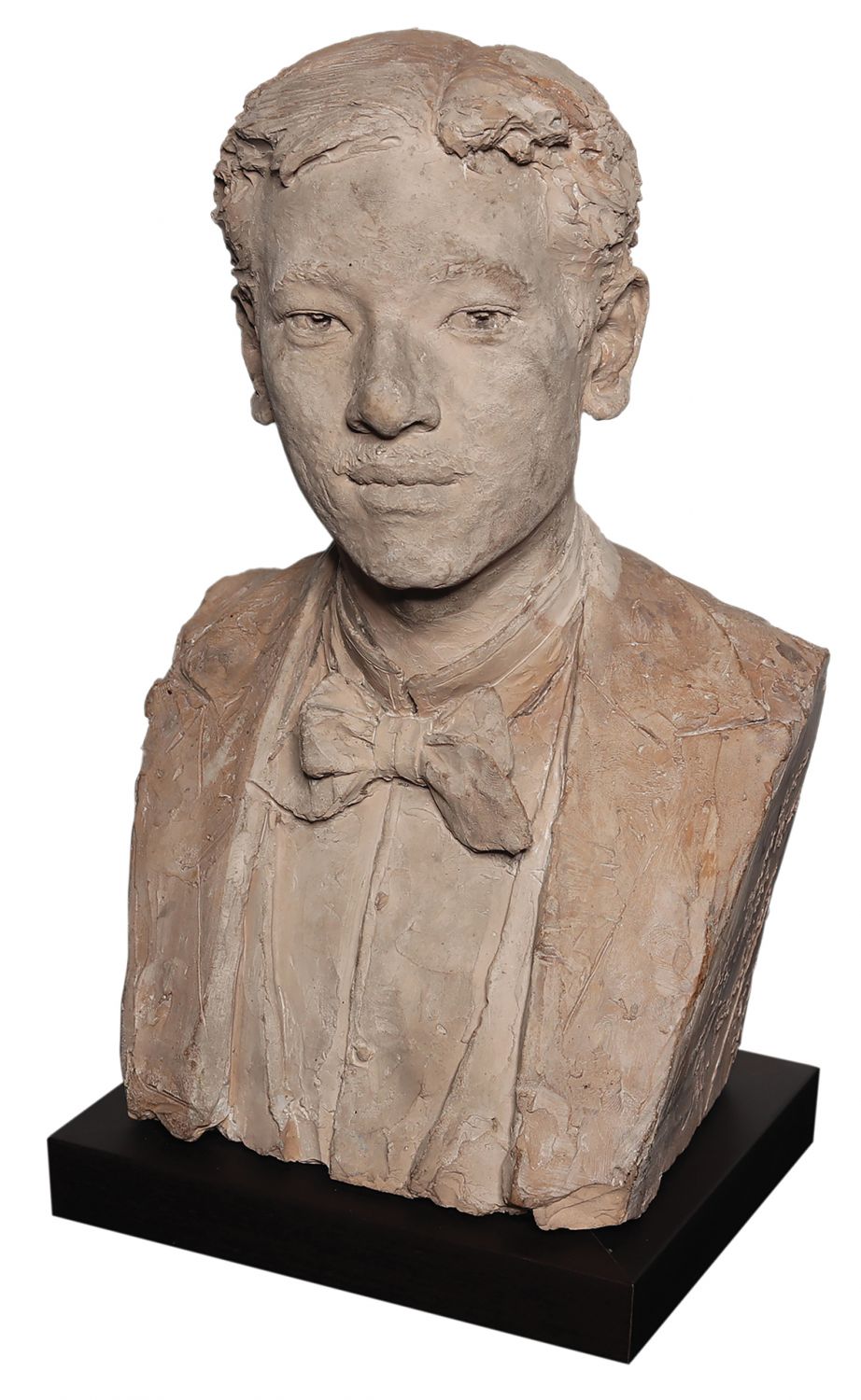
Above Busto de Pedro Paterno (Bust of Pedro Paterno) by Mariano Benlliure y Gil (1862-1947), signed and dated “A Mi Querida Uno Amigo Pedro Paterno Roma, 1881”, plaster of Paris, sculpture, 13” x 7 1/2” x 5”
Busto de Pedro Paterno (Bust of Pedro Paterno) by Mariano Benlliure y Gil (1862-1947), signed and dated “A Mi Querida Uno Amigo Pedro Paterno Roma, 1881”, plaster of Paris, sculpture, 13” x 7 1/2” x 5”
1 / 1
Paterno would cultivate an artistic circle of Filipino ilustrados, including Jose Rizal but also Juan Luna, Félix Resurrección Hidalgo and Miguel Zaragoza, all students on scholarships. Paterno would travel back and forth from Madrid to Rome to visit the artists who had moved there.
He was generous with his subsidies for them and in return, received many gifts of paintings and sculptures, including portraits. One by Resurreccion Hidalgo is part of a trove from the same period that is a highlight of a specially curated auction, The Paterno Trove: Paintings, Sculptures, First Editions and Historical Ephemera, scheduled for Saturday, August 20 at León Gallery. The other extant works, incidentally by Juan Luna and Juan Jose Puerto, now reside in the collection of the Bangko Sentral ng Pilipinas.
The Hidalgo portrait captures the face of a highminded, intelligent young man: Pedro Paterno in 1881. Paterno would be all of 24 when it was painted and had been a citizen of the world for a decade. (He would return to the Philippines in 1893, thus spending more of his life in Europe than his home country, notes Roces-Paterno.) Hidalgo signed and dedicated the work to his friend and patron.
Read also: Who is Artist and Painter Félix Resurrección Hidalgo?
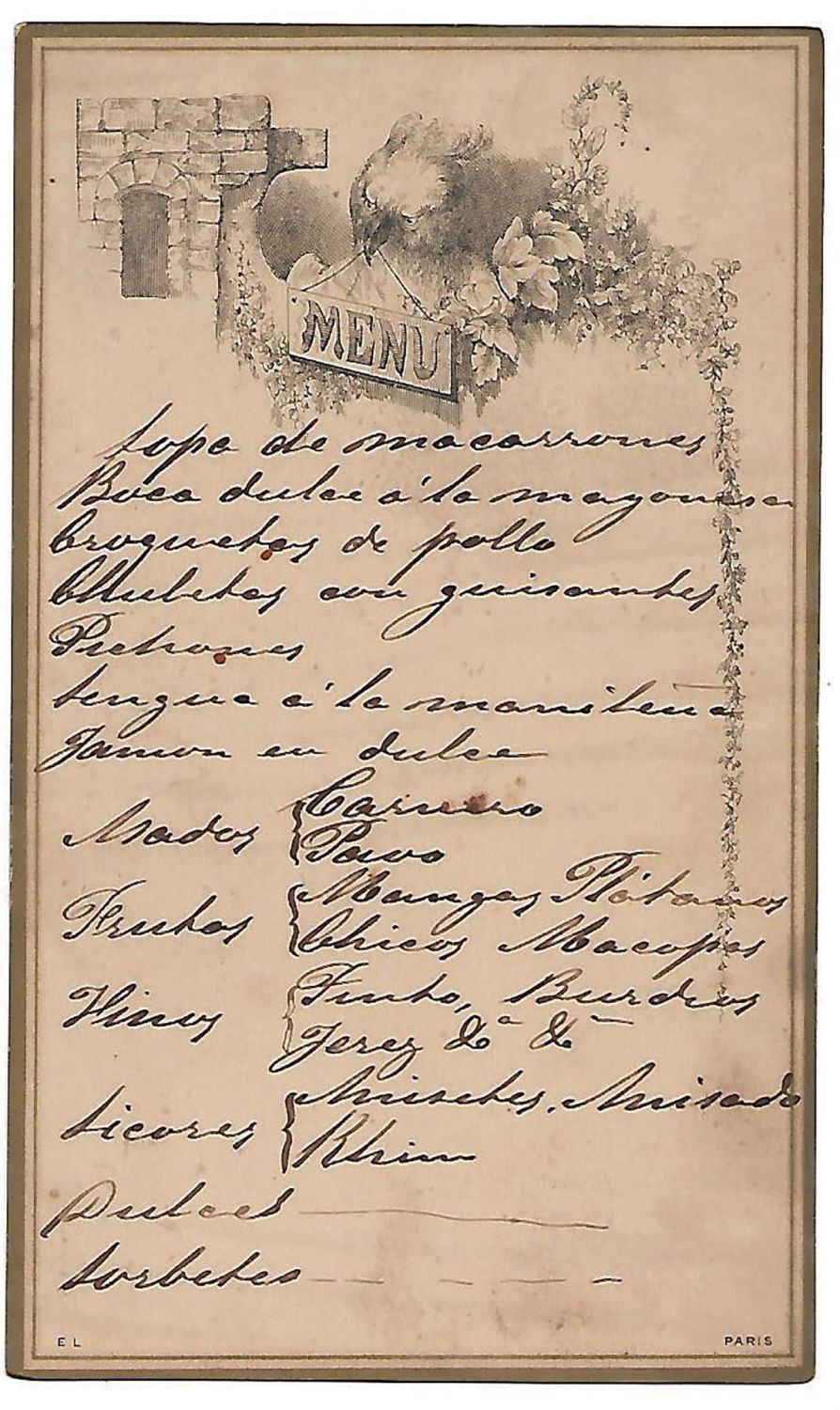
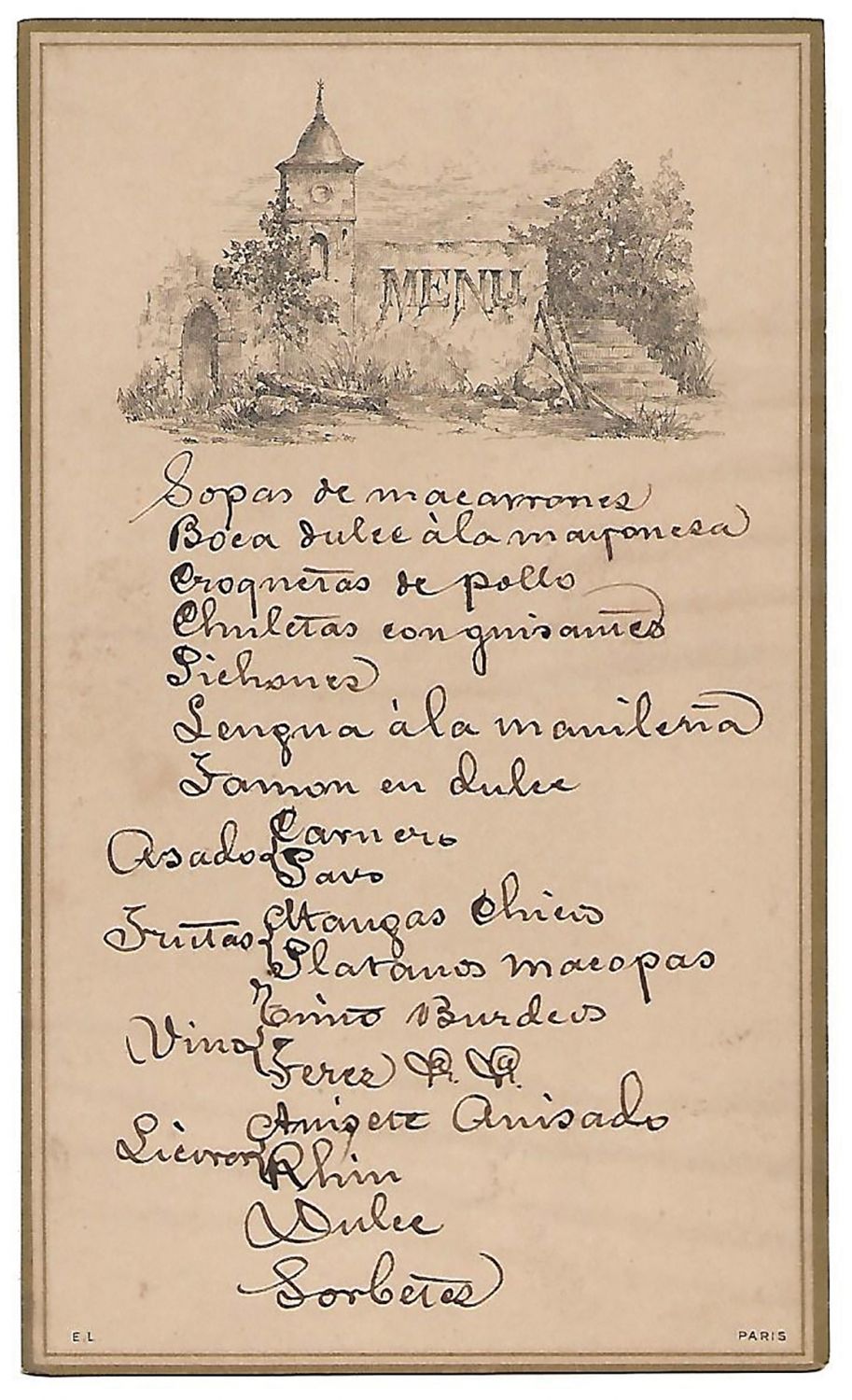
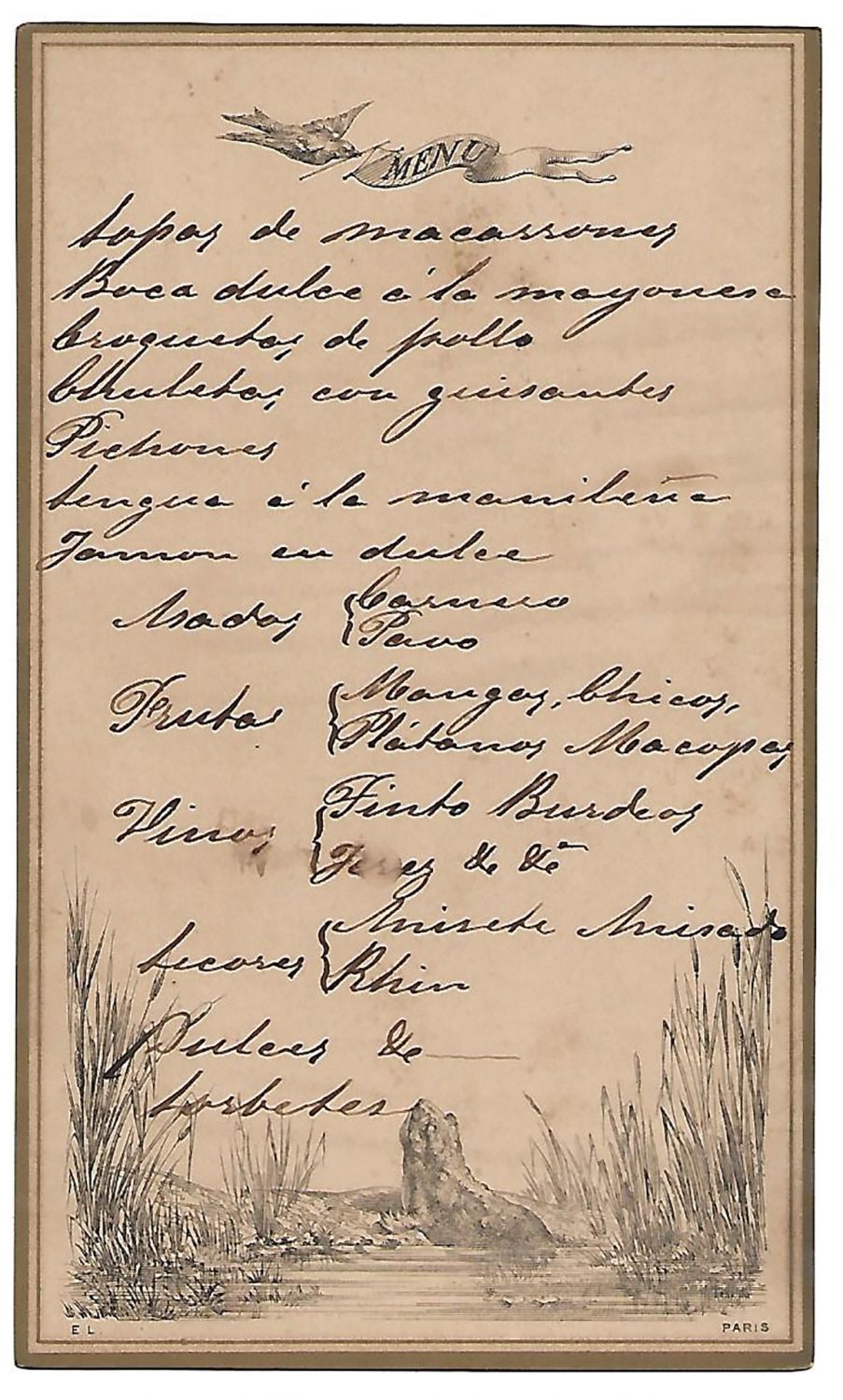
Menu cards of Paterno's dinners
1 / 3
It was in Rome that Luna painted the monumental Spoliarium, a parable of the sufferings of the Filipinos under Spanish rule—and Paterno would host the important brindis (toast) at the Hotel Ingles to celebrate Luna’s gold medal alongside Hidalgo’s silver accolade. It was a landmark gathering after these artists’ triumphal wins.
However, Paterno’s tastes ran more towards the lyrical España y Filipinas—Mother Spain leading her willing daughter up a rose-strewn stairway to a golden future. It was painted for Paterno and would hang in his Madrid residence on Barquillo Street after he won the hand of Doña Luisa.
He was, after all, a romantic author—writing the first Filipino novel, Ninay —and a poet, turning out the first compilation of sonnets called Sampaguitas, which were the first-ever printed literary work by a Filipino in Spain.
Read also: Mad or Genius? 7 of Juan Luna's Most Intriguing Works and Their Meanings
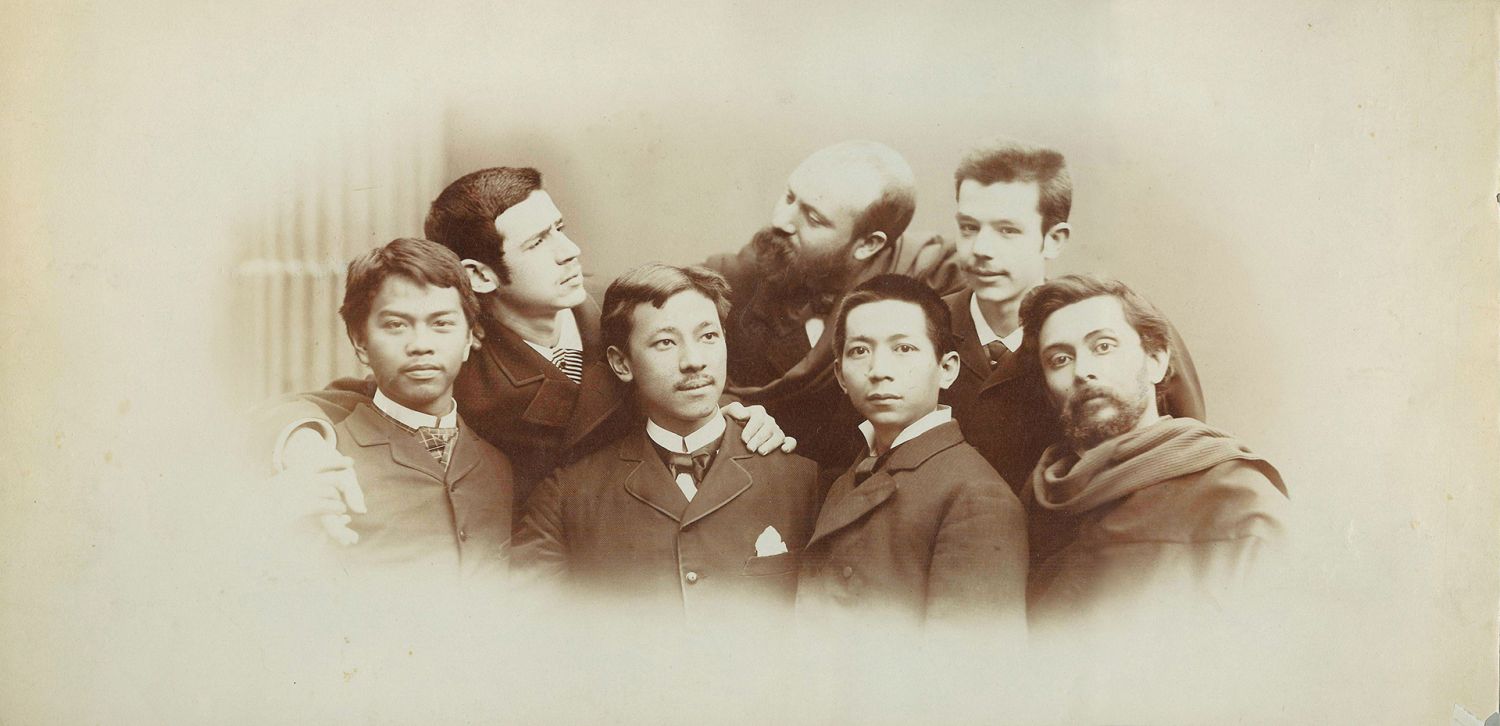
Above Paterno with artists in Rome (first row: Juan Luna, Paterno, Félix Resurrección Hidalgo, Miguel Zaragoza; second row: Mariano Benlliure, Juan Puerto and Juan Benlliure), Rome circa 1883
Paterno with artists in Rome (first row: Juan Luna, Paterno, Félix Resurrección Hidalgo, Miguel Zaragoza; second row: Mariano Benlliure, Juan Puerto and Juan Benlliure), Rome circa 1883
1 / 1
The Spanish newspapers would report breathlessly about his home, “Beautiful objects filled each wall and floor of every room and corridor inside La Casa de Molo. The sala featured the paintings of Luna, Resurreccion Hidalgo, Esteban Villanueva. The space was draped with water-coloured jusi, a creamy silk fabric unique to the archipelago because it was blended with pineapple or banana leaf fibre. On the table was a curious-looking tea set made of coconuts mounted on the precious metals of gold and silver, shells and mother-of-pearl and a clay bust of the homeowner sculpted by [a friend, the famous] Mariano Benlliure.”
Paterno would set a lavish dinner table. Some of his menus are still to be seen in the Paterno Family collection and include dishes beloved by the Manila elite to this day such as lengua, croquetas, baked ham and an assortment of desserts and wine.
These splendid displays would foreshadow his interest in expositions and museums. Paterno is said to have been an important part of the Exposicion General de las Islas Filipinas of 1887 at the Palacio de Cristal (or Crystal Palace) built on the grounds o the Parque de Madrid for this occasion. The scholar Alfredo Roces would dub him “a pioneer Philippine art collector” and Paterno would eventually become the first Filipino head of the Museo-Biblioteca de Filipinas, the precursor of the National Museum of the Philippines today.
NOW READ
Letras y Figuras: The 19th-Century Philippine Art Form's Origins and Legacy
Credits
Images: León Gallery; Paterno Family Archive; Archivo Fundación Mariano Benlliure, Madrid, AFMB_FN 423 (Paterno)





