

1 / 1
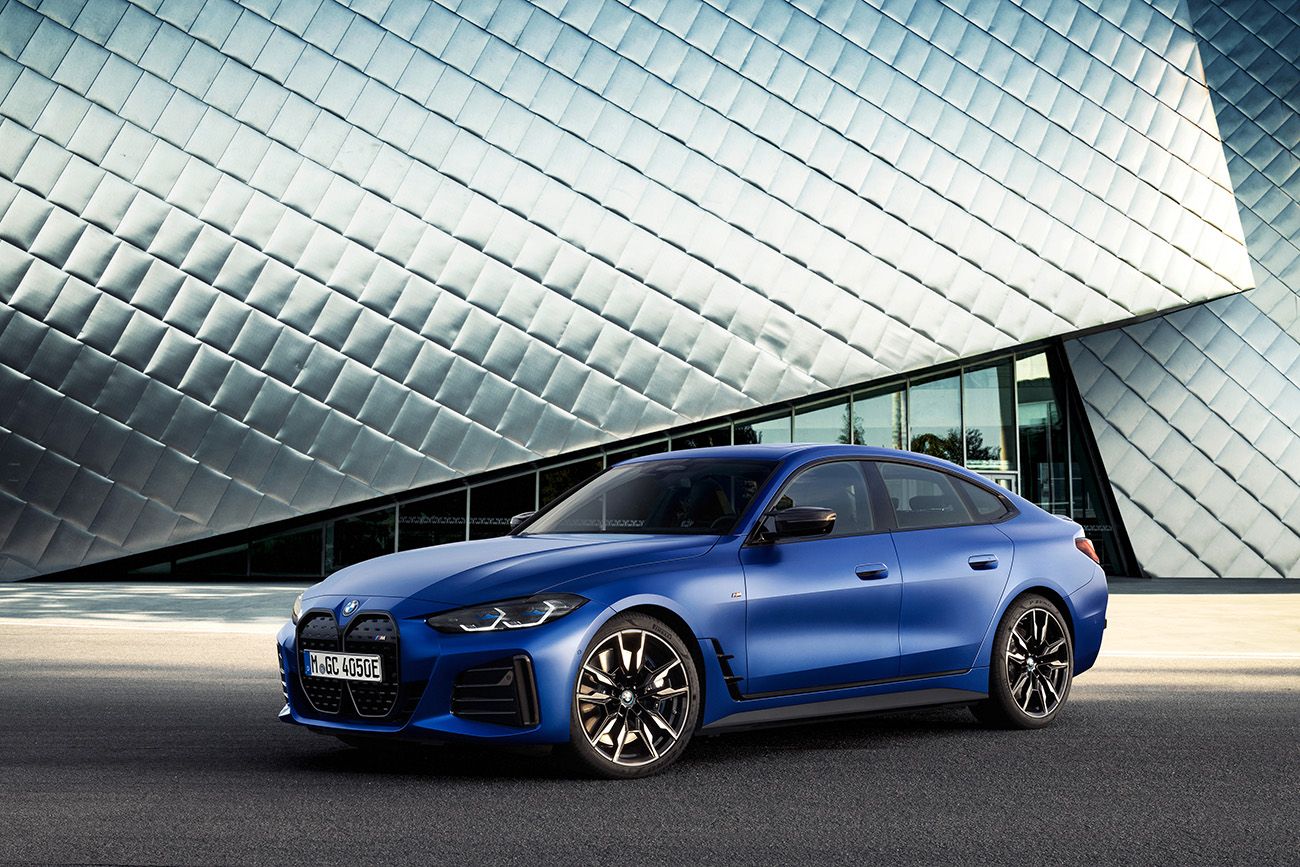
BMW applies the M moniker on their cars to denote the top-of-the-range models but the recent BMW EVs have yet to have the M treatment until now
Nearly a decade has elapsed since the excitement of the groundbreaking 2013 BMW i3. However, only of late has BMW ramped up the rate of its electric vehicle (EV) model introduction. In 2021, we had the iX3 and iX SUVs and earlier this year, BMW introduced the i4 eDrive40. And now mere months later, the range-topping i4 M50 has arrived as the EV equivalent of the BMW 4 series.
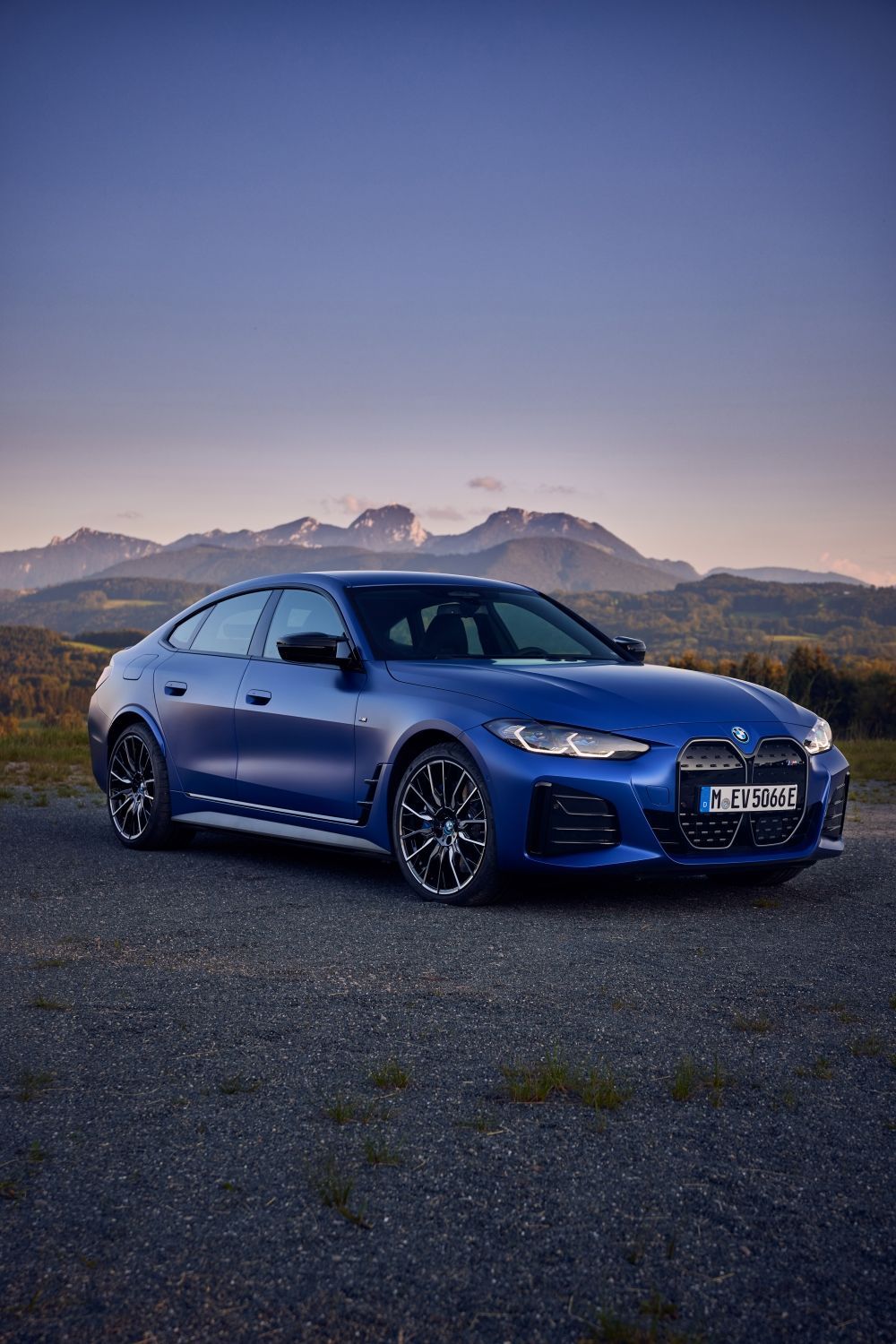
With 335hp, the base i4 eDrive40 is no slouch and can reach 100km/h in just 5.7 seconds with a top speed of 190 km/h. However, BMW felt it was time their EVs get the M-Power treatment and the i4 M50 is the first of BMW's EVs to wear the "M" badge of distinction.
The i4 M50 has a two-motor, all-wheel drive configuration with a system output of 544hp and 795Nm. This slashes the 0-100km/h sprint times to a scant 3.9 seconds and will attain a respectable top speed of 225km/h which represents a considerable performance edge over the i4 eDrive40.
It is more than a mere coincidence that the i4 M50 has the identical 0-100km/h sprinting capability of the BMW M3/M4 making it comfortably part of the M-family of cars. And while the on-paper specifications are similar, they feel different in real life. Taking full advantage of the EV’s immediate torque delivery from a standstill, the i4 M50's take-off acceleration is simply stupendous, pinning the passengers to their seats with surprising pressure.
While the M3/M4 with its 510hp combustion engine catches up with the i4 M50 by 100km/h, the electric i4 M50 leaps off the line to gain an early advantage. Moreover, any overtaking manoeuvre is accomplished by the i4 M50 with such ease compared to the combustion engine stablemate.
However, as speeds rise, the combustion engine M3/M4 gains the upper hand and will attain a top speed of over 250km/h if not electronically restrained. But where it counts, at all legal speeds, the i4 M50's acceleration is superior thanks to its instantaneous delivery.
Read more: Here’s What Rachel Lim of Love, Bonito Thinks About the New BMW iX

1 / 1
1 / 2
Smooth drive
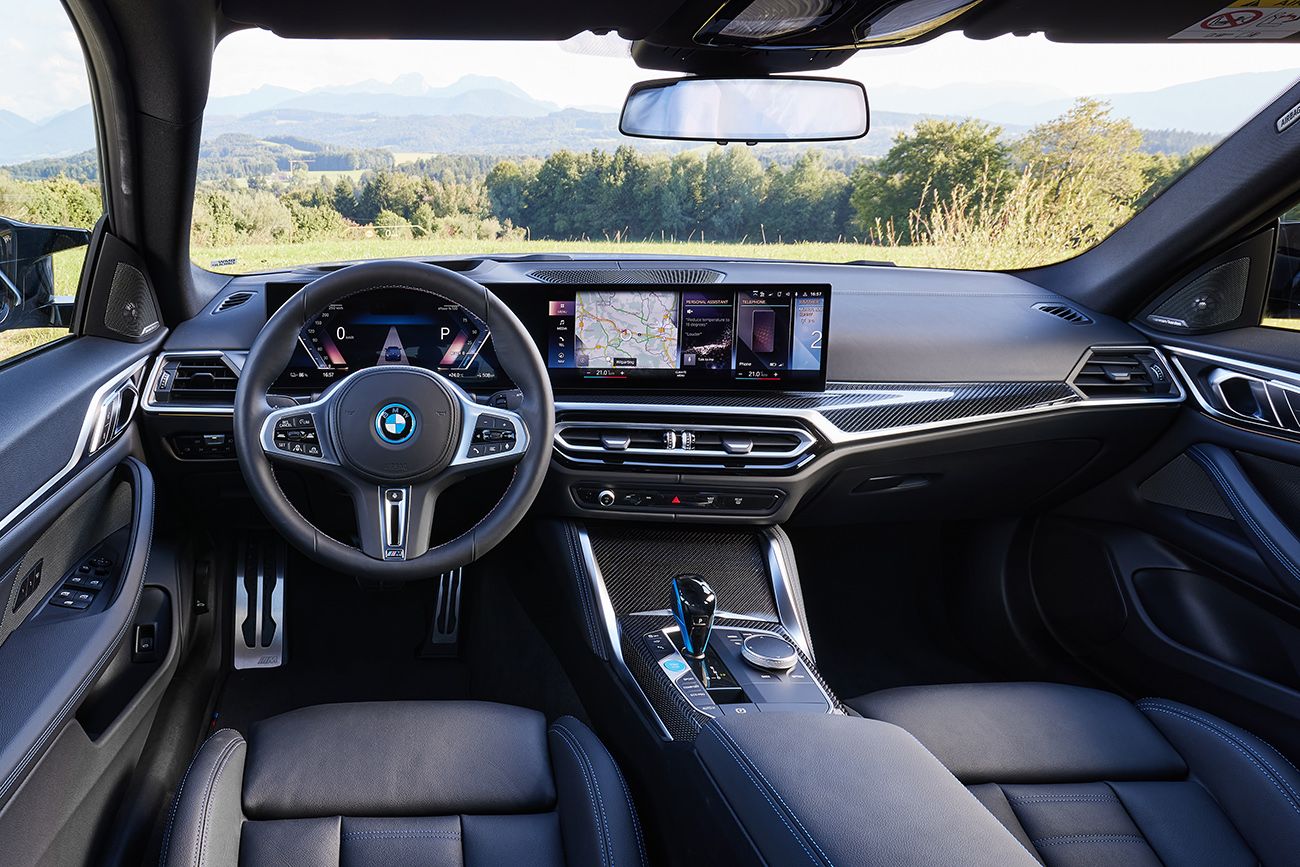
While I found the latest BMW M3/M4 more refined than its predecessor, the i4 M50 is in another class altogether in terms of refinement as any electric drive is inherently so smooth and silent. Being too silent might alienate the drive experience of the i4 M50 so BMW has added a synthetic engine sound to the Sport mode and to a lesser extent, the Comfort mode. In Eco-Pro mode, it is at its quietest.
Selecting Sport mode will allow you to feel a significant transformation and not all of it is just from sound effects. There is a boost in performance to the tune of 68hp and 65Nm, giving it the quoted maximals of 544hp and 795Nm. The Sport mode may be a lot of fun, but it is preferable to be in Comfort (default) or Eco-Pro mode for daily commutes.
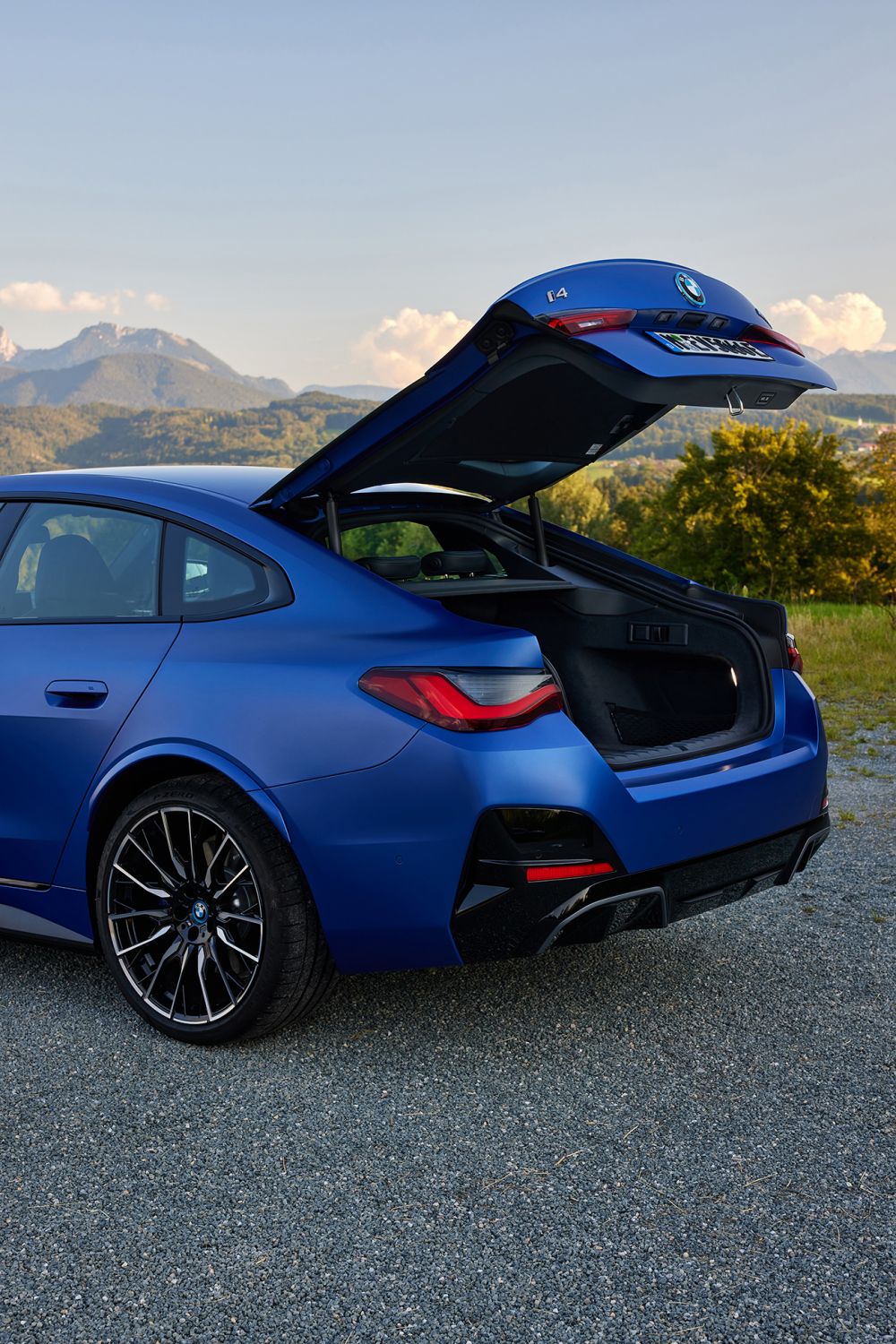
On the suspension side of things, the i4 M50 has rear air suspension while the M4/M4 keeps the traditional coil-over springs all around. This gives the i4 M50 a better ride comfort with minimal impact on handling behaviour. However, the M3/M4 is more responsive and sporty at the expense of some ride comfort.
It is best not to view the i4 M50 as a direct competitor of the M3/M4 but rather as a complementary model that is more of a Grand Tourer than a sports car. Most times that is exactly what the customer needs, leaving the M3/M4 to cater for the hardcore enthusiasts.
Presently, the i4 M50 is BMW’s most accelerative EV and they have only just begun. No doubt they plan to eventually replace all of their combustion engine models with an electrified one and if the i4 M50 is anything to go by, it will be a welcome move by all, eventually.
In case you missed it: The All-New BMW 4 Series Gran Coupé: Now Available in Singapore
1 / 1
DETAILS
Car: BMW i4 M50
Price from: $412,888 without COE before options
Engine: Dual electric motors, all-wheel drive
Power: 544hp
Torque: 795Nm
0-100 km/h: 3.9 seconds
Top Speed: 225 km/h (restricted)
Fuel Consumption: 23.1 kWh/100km
Range (WLTP): Up to 521 km
Agent: Performance Motors Ltd
NOW READ
Is the Audi RS e-tron GT the Marque’s Best Electric Vehicle Yet?
The Ferrari 296 GTB Wants to Reset the Sportscar Genre
Lamborghini's Huracan STO Makes One Last Hurrah For Traditional Supercars
Topics





