1 / 1
Check out Museo Pambata's all new facilities and creative spaces for the kids and the young-at-heart
Museo Pambata may have been a part of every Metro Manila resident's childhood. For 28 years, it has been the go-to learning space for children, either leisurely or as a school requirement. Moreover, it has opened its doors for many years to families with lesser means, as its main goal is to promote educational development to the general population.
Bambi Mañosa-Tanjutco, art educator, philanthropist, and daughter of National Artist for Architecture Francisco Mañosa, was appointed as Museo Pambata's president in 2019. The task at hand: revive Museo Pambata creatively as it draws near the end of its franchise. And it was no small task definitely as the lauded first interactive and hands-on children's museum was suffering then with outdated facilities, deterioration in its building structure, and diminishing appeal towards museum-goers.
Read also: Museo Pambata Enjoys a Rebirth, Set to Reopen in 2022


1 / 1
And so began Mañosa-Tanjutco's revitalisation plan for Museo Pambata. Despite the lockdowns issued because of the pandemic, the museum's team continued its small renovation projects, as well as fundraising endeavours to bring back Museo Pambata to its colourful and jovial spirit.
One of its newest spaces is the Bahay Pukyutan playground inspired by the geometrical patterns of a honeycomb. It is an interconnected, hexagonal-shaped, multi-level play space which allows kids to explore and grow at their own pace. Interestingly, the plan was derived from an earlier design by the National Artist Mañosa back in the 1980s.
Mañosa-Tanjutco, and Museo Pambata's executive director Micah Sofia Pinto, share with Tatler that the space has an urban beekeeper who takes care of the bees imported by the team. As they are still growing the bees, the honey produced by Museo Pambata's very own local bee farm is exclusively given as gift tokens to the institution's donors. Moreover, through this space, museum-goers get a chance to learn more about the bees' contribution to the ecosystem and the process of making honey.
Read also: Remembering National Artist for Architecture Francisco Mañosa

1 / 1
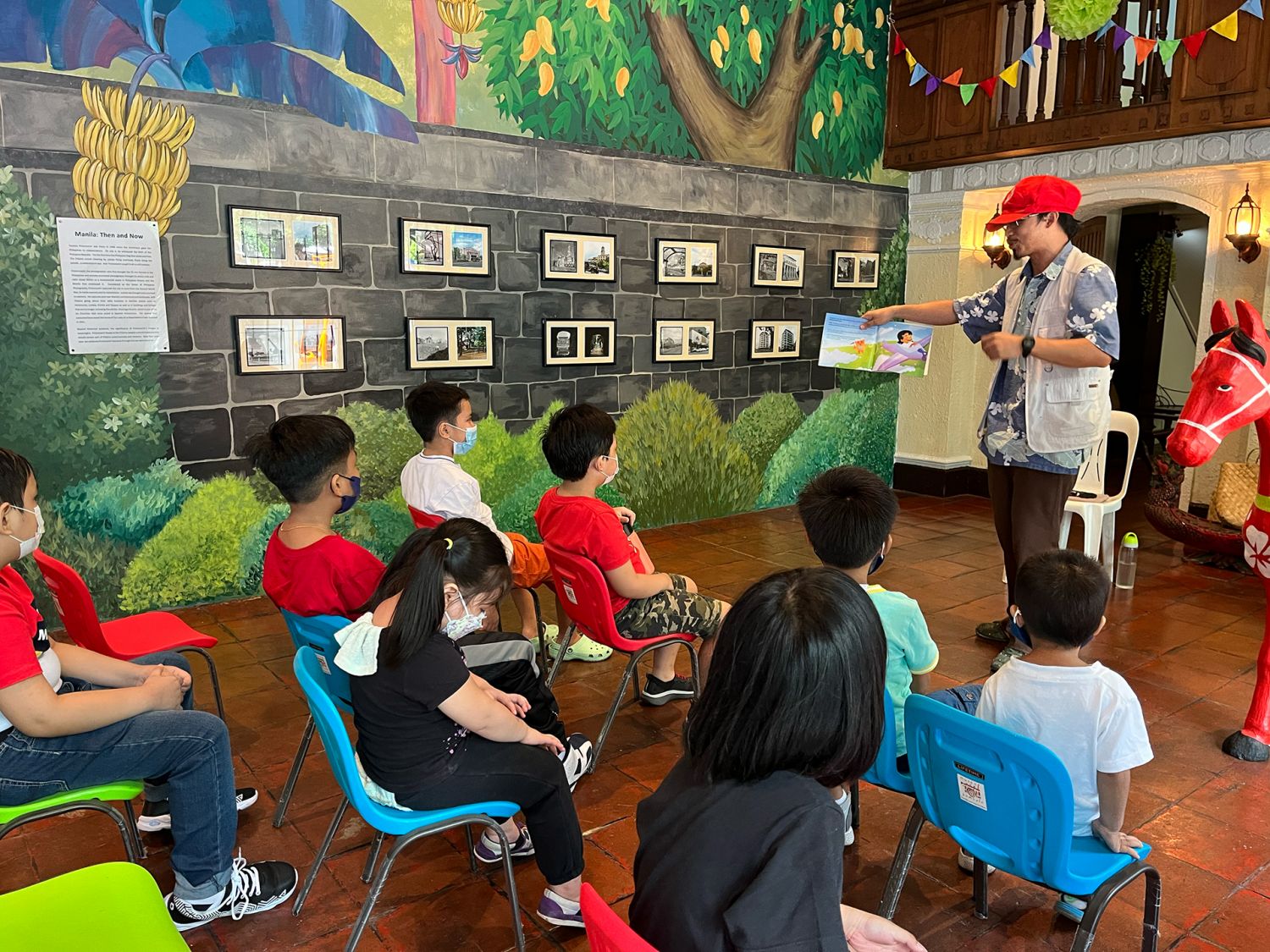
Another update of Museo Pambata is its Batang Bayani Wall. Kids can have a whimsical journey back to Manila at the turn of the century. There is a mini galleon ship replica that they can hop aboard and ring the bell of as well as a tranvia to ride. There is also a miniature cathedral, bahay na bato, and most especially, images of our heroes and revolutionaries. The updated Batang Bayani Wall is designed by Ralph Eya.
Read also: Rodel Tapaya on Art, Parenting, and the Importance of Teaching PH History to Kids
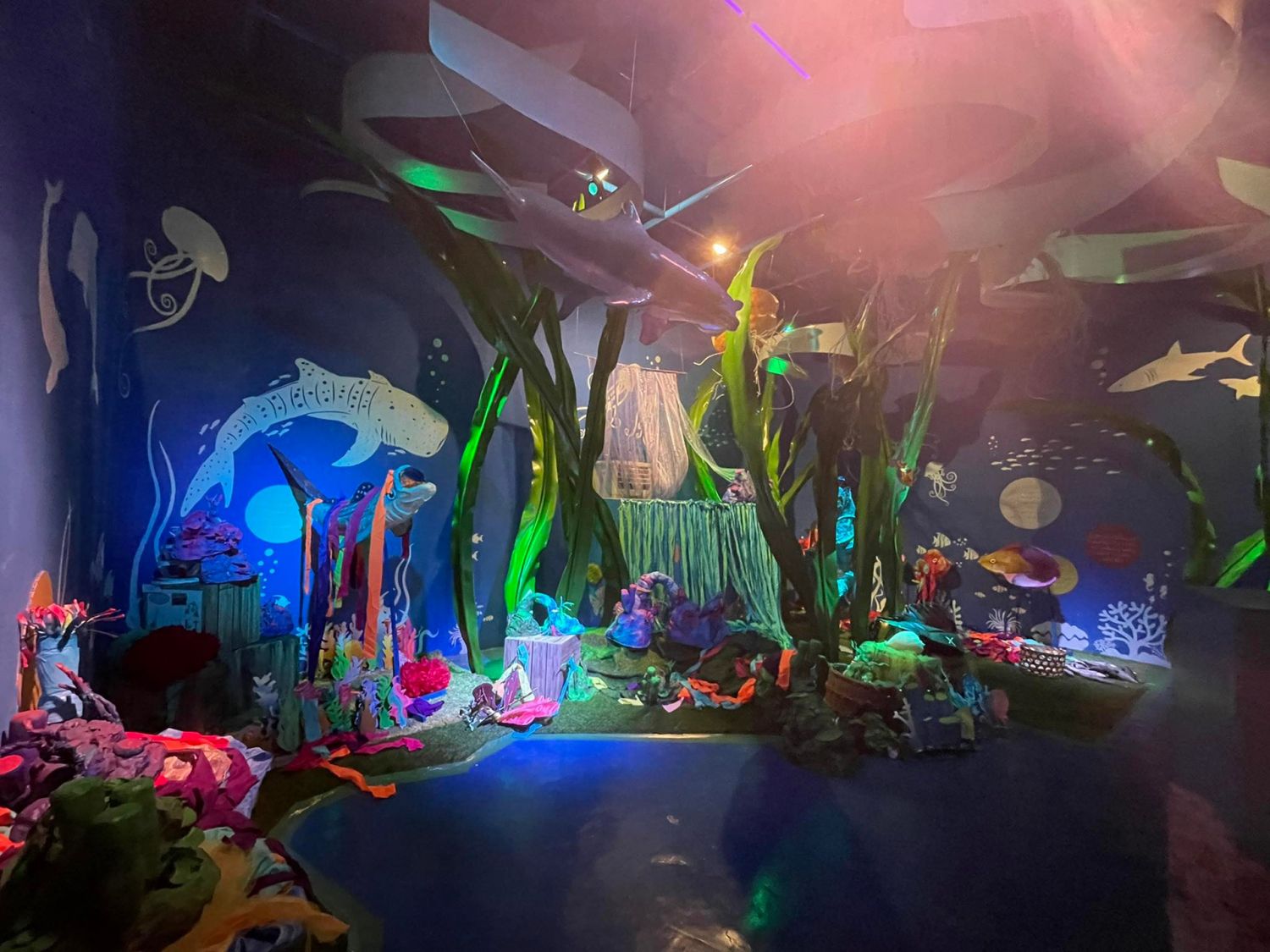
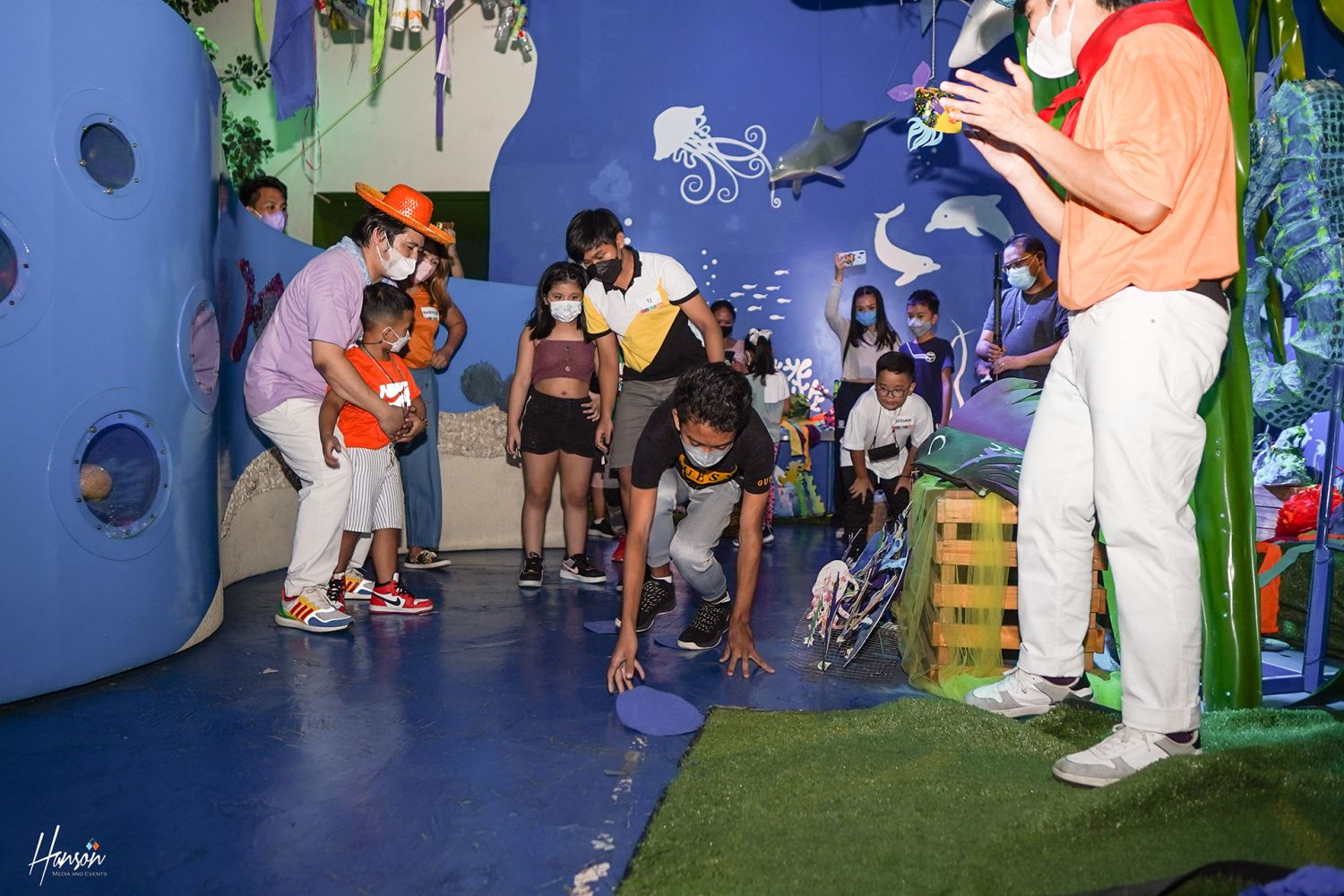
1 / 2
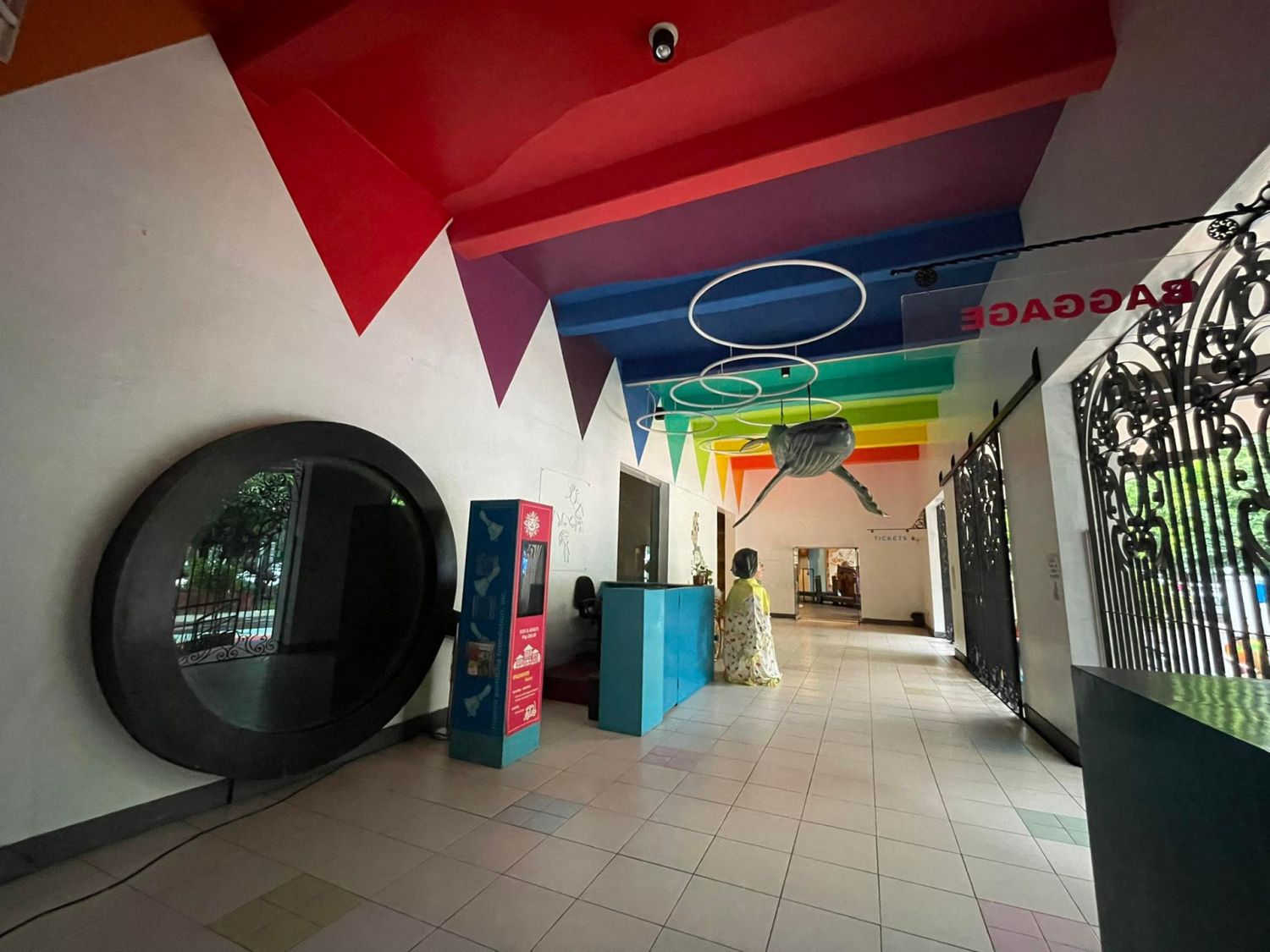
The Karagatan gallery exhibits the diversity, beauty, and importance of Philippine marine life. Also explains how to take care of the bodies of water by simply not throwing trash into the sea.
There is also a section that features Philippine traditions of handwaving, as well as Philippine musical instruments that the children can freely play and use.
Read also: When Man Wreaks Havoc on Nature: The Controversial Kaliwa Dam Project Explained
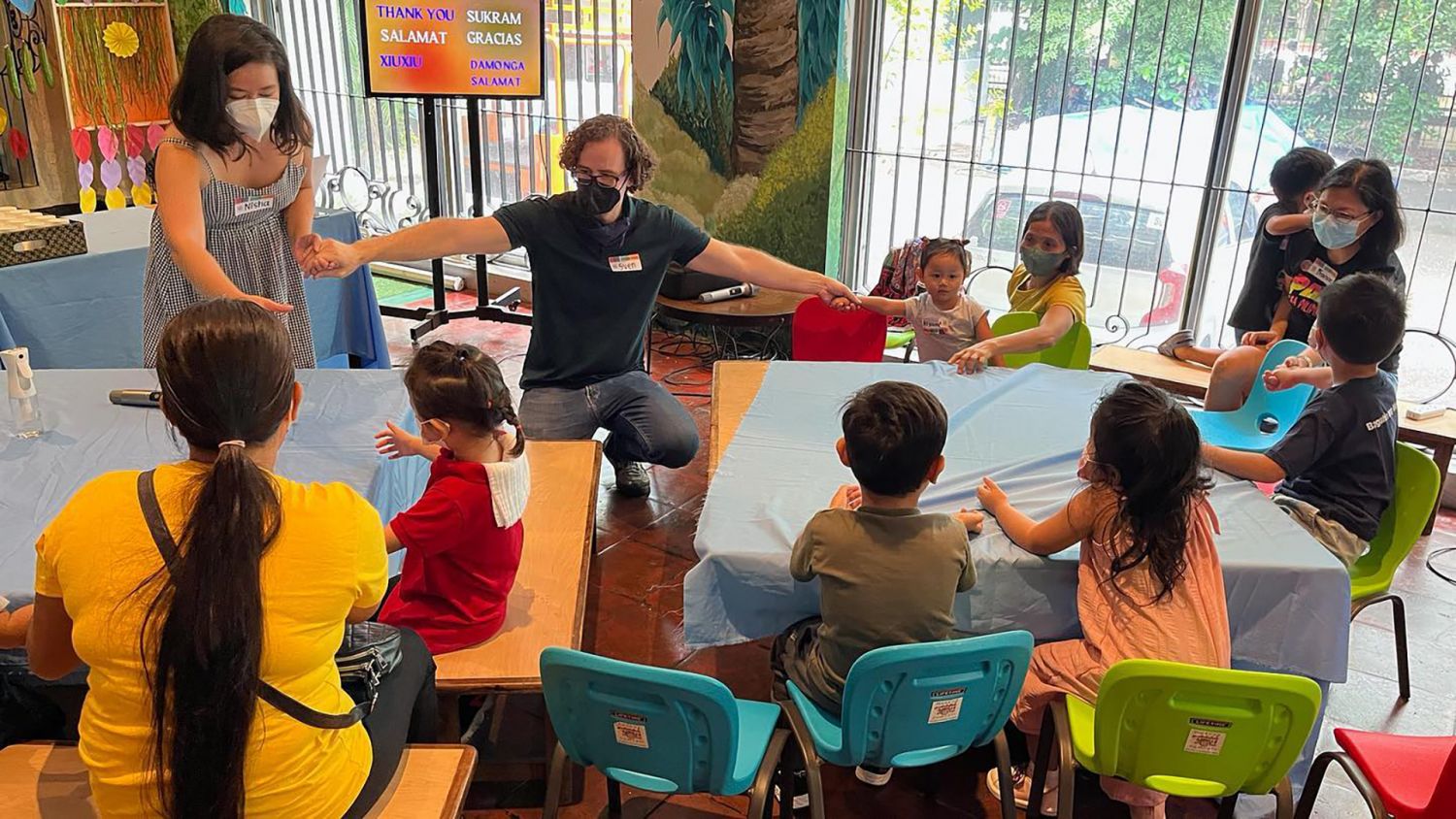
Above Participants from the Nutrition Month Celebration saying a Thanksgiving Prayer
Participants from the Nutrition Month Celebration saying a Thanksgiving Prayer
1 / 1
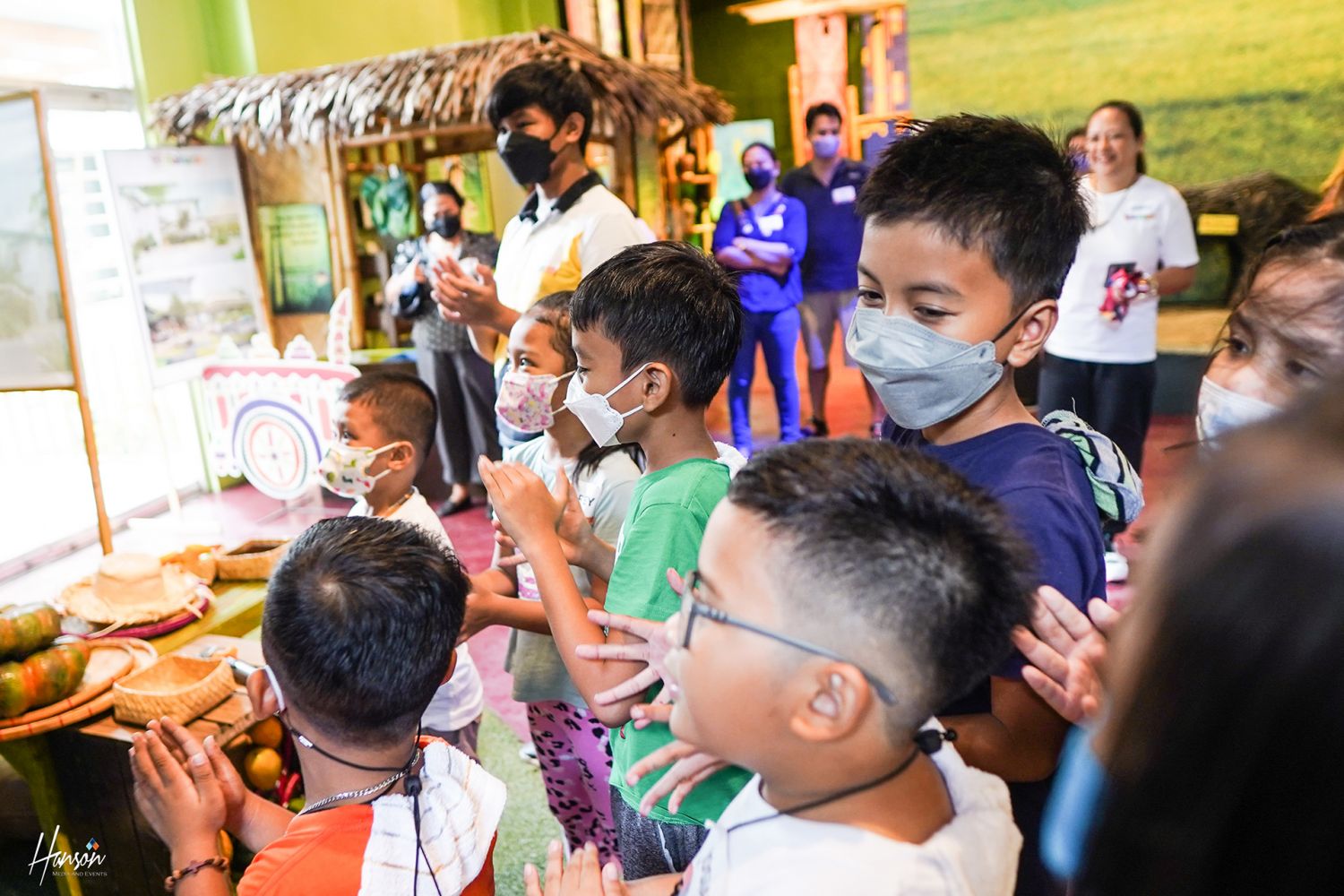
Above Museo visitors enjoy a fun time at the different exhibit areas
Museo visitors enjoy a fun time at the different exhibit areas
1 / 1
An interactive art installation that exhibits Philippine forests and farming has been designed by National Artist Kidlat Tahimik. It's a must-see space that gives you an understanding of the alarming situation of deforestation in the country.
On a lighter note, Robert Alejandro has made an arts and crafts room that the kids can enjoy being a part of. It highlights traditional crafts from each region, showcases the Playtime Paradiso installation by Tyang Karyel, which we have seen at the Art Fair Philippines 2022, and recreates everyday market life in the country.
Read also: Papemelroti's Robert Alejandro on His Artistic Journey, Battling Cancer, and Embracing Life
1 / 1
For its plans, Museo Pambata has turned its old herbal garden into a modern Bahay Kubo events space, with glass windows and air conditioning—perfect for intimate parties and events. Eventually, it will have plants and a fishpond around it.
Also part of its comprehensive three-year reimagining plan is the creation of an animal garden, a wall with plants and art installations created from recycled materials, an outdoor library, and an annexe building for a gallery space and artist-workshop space—all built by kids, for kids.
1 / 1
Mañosa-Tanjutco can't help but be emotional with the reopening of Museo Pambata after almost a three-year hiatus. "This used to be a place where I would bring my students. My daughters used to come here with their cousins, their grandfather, who passed on to me his plans for the playground. But after getting several partnerships as well as the renewed 25-year lease for Museo Pambata, the pandemic happened which put us to a halt. But one of our board members whispered to me, 'you can't just give up on the kids'. That was the line that kept me going," she shares.
"Museo Pambata is for all Filipino children and families," says Pinto. "The new Museo will allow the children to experience life outside of their screens after two years of lockdowns since the pandemic." With its programmes in place, Pinto and Mañosa-Tanjutco wish that people could continue supporting its reimagining and rehabilitation.
"It's not just about the reopening of Museo Pambata after two years. But it's more than that. It's about raising a community of Filipino children in this day and age. We have high hopes and dreams and with a leap of faith, with all of us working hand-in-hand and step by step, we will get there," Pinto concludes.
NOW READ
A Visit to El Deposito: Exploring the Historic Water Reservoir in San Juan City

Franz writes about the local cultural scene and rediscovering the country’s storied past and rich heritage. He earned his bachelor’s degree in Journalism from the University of Santo Tomas and is currently pursuing a master's degree in Art Studies at the University of the Philippines Diliman. Besides working on this luxury lifestyle magazine, Franz is an avid book reader, local traveller, museum-goer, chorister, and community theatre playwright. But above all this, this Aether main spends more time in Teyvat than anywhere else.
Curated for you
Discover the stories and updates featured on our Instagram page