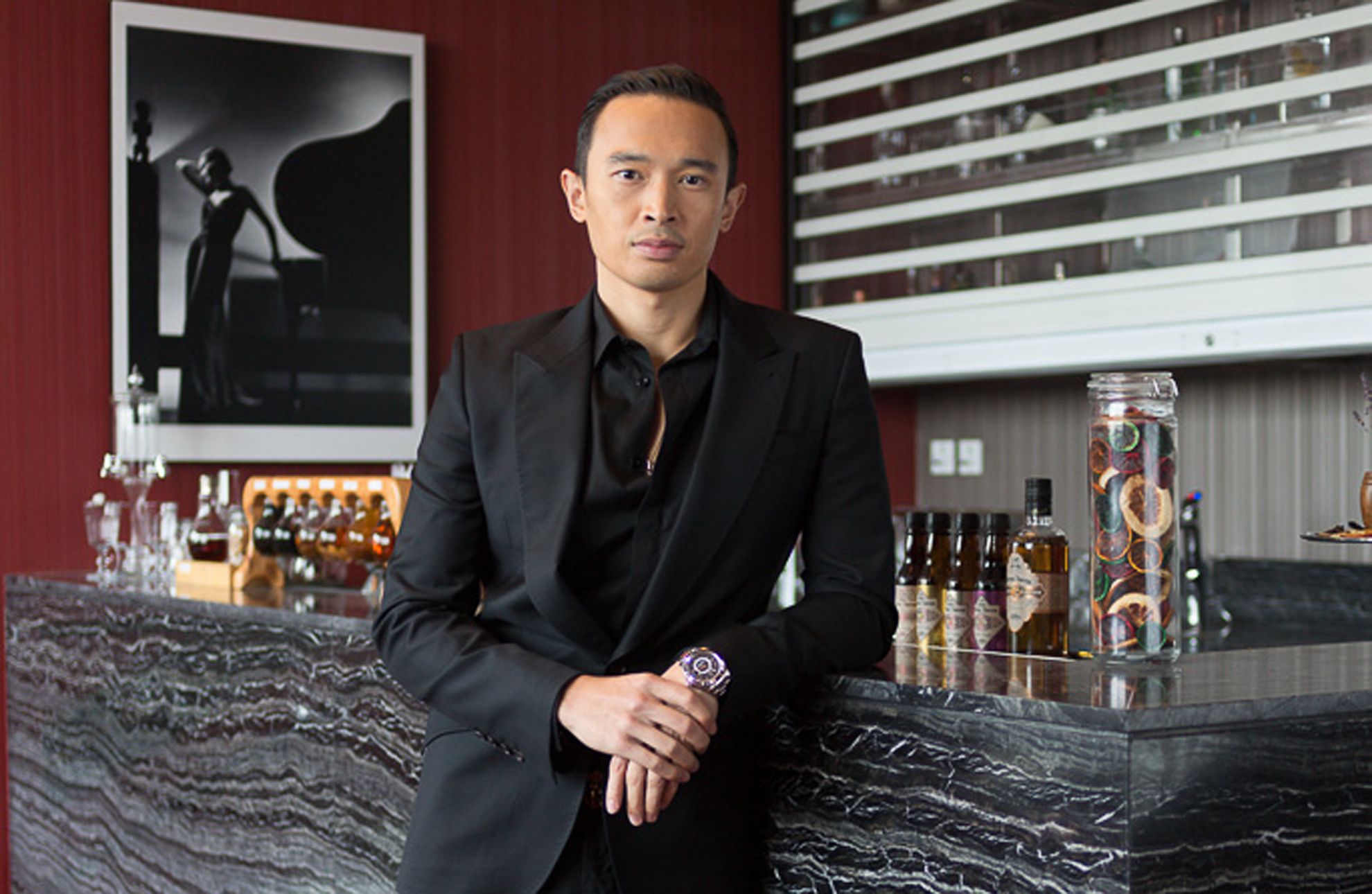
Dahmakan’s beginnings were tumultuous at best. Yet, the shaky initial stages of offering a one-dish menu soon gave way to a rapidly-expanding healthy food delivery service that now uses an AI-controlled logistics system. dahmakan co-founder and CEO Jonathan Weins revisits dahmakan’s evolution from an idea to a reality - and the sheer tenacity that connected the two.
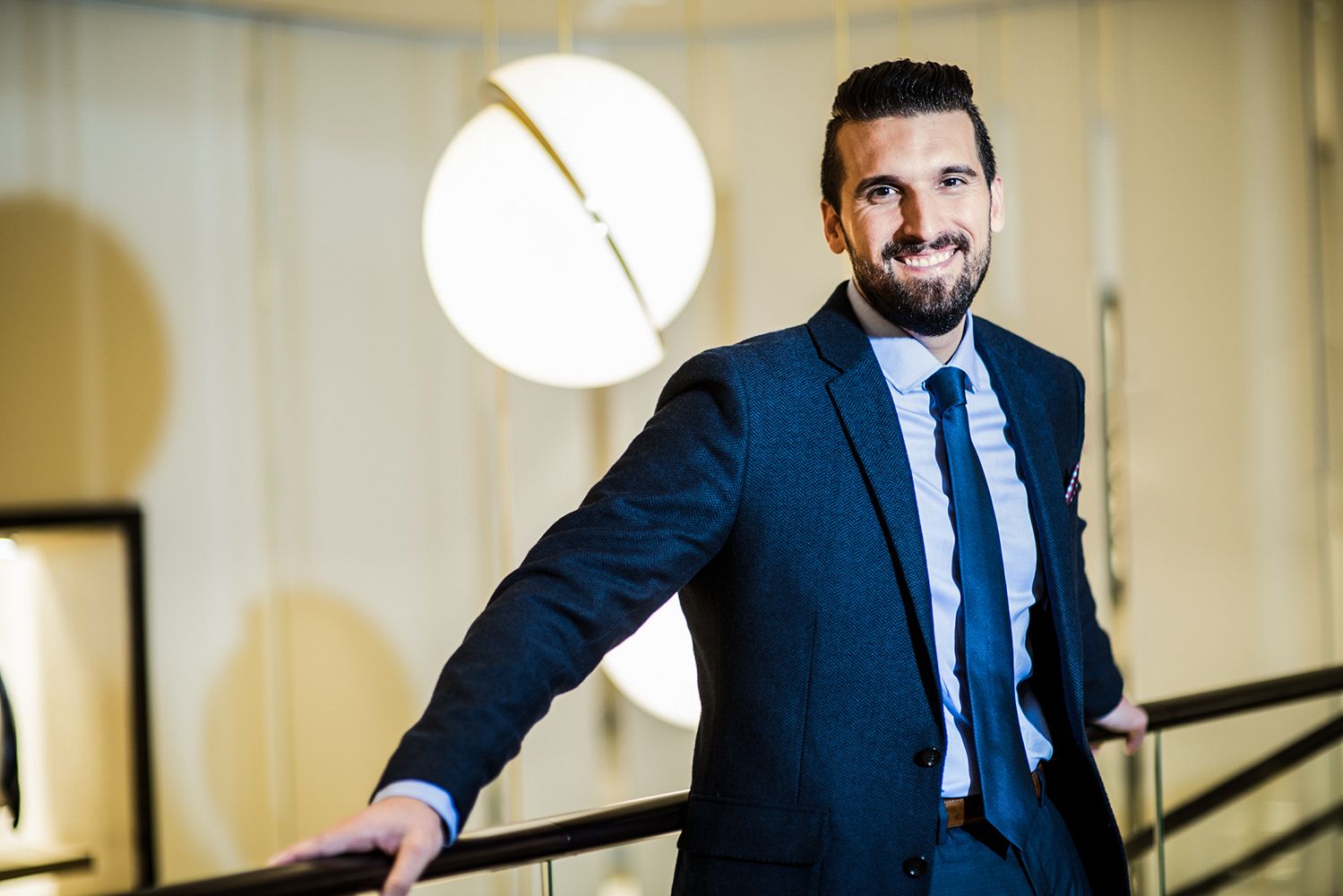
Li Ka-shing’s son Victor has a lot to live up to. Here’s how he, and any successor to a family business, can make a success of keeping it in the family
John Wood is the founder of Room to Read, a global non-profit focused on child literacy and girls’ education.
The Hong Kong-based organisation boasts the kind of superlative-smashing figures every entrepreneur dreams of. Room to Read’s programmes have benefited over 11.6 million children around the world since it was founded in 2000, distributing 20.6 million children’s books—including 1,300 original Room to Read titles—and training more than 10,000 teachers in the process.
It’s perhaps no surprise that Wood remains driven to hit ever more impressive targets. In his former life as an executive at Microsoft, achieving impossible-sounding metrics was part of the job description, as Wood candidly outlines in his first book, Leaving Microsoft to Change the World.
The title of the book is something of a spoiler for what came next. A 1998 vacation in Nepal changed everything for Wood. The number of children he encountered without access to books in school left a lasting impact, and eventually led him to leave Microsoft to do something about it.
This year, Wood released his third book, Purpose, Incorporated, which uses his business acumen and experience in the charitable sector to recommend how modern companies can do more good in the world. His message is clear: entrepreneurs shouldn’t try to change the world once they’re successful; trying to change the world can be a key factor in why they become successful.
“My goal when writing the book was to show that purpose is not antithetical to profitability, which I think has been a view in the business world for way too long,” says Wood. “Too many people think that purpose means giving away the store, or that purpose is something you silo off into an underfunded and understaffed CSR department—a cynical box-ticking exercise”
“This book is saying let’s take a radically different approach. Let’s find a way to bake purpose into the very DNA of the company—to actually build purpose into the business model and use it as a competitive advantage.”
Below, Wood outlines five reasons why building social impact into a startup from day one can reap dividends for the entrepreneur as well, of course, as doing a lot of good in the world.
Chinese business news website Jiemian
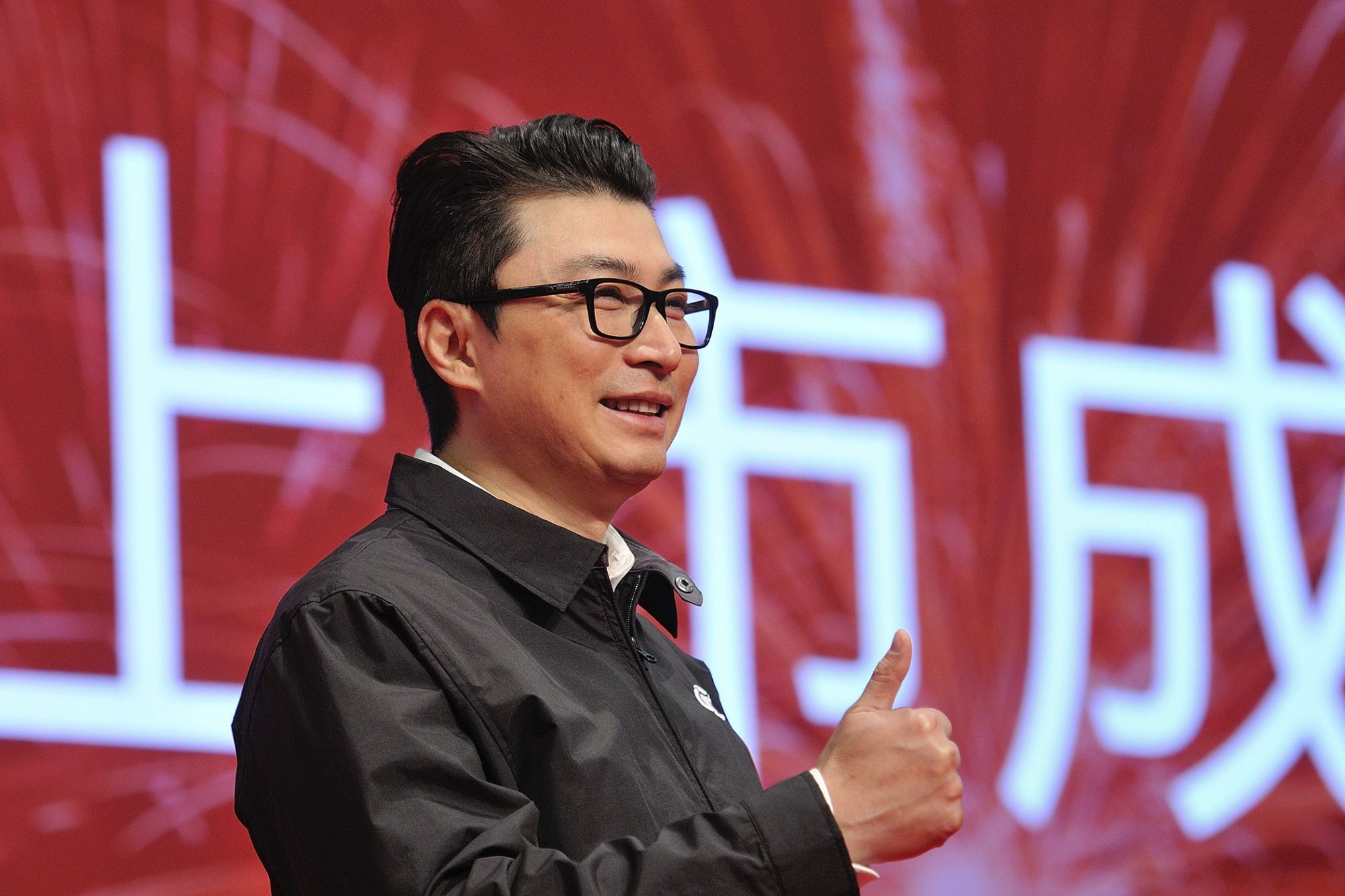
has released its annual China Rich List, detailing the country’s wealthiest individuals. All 1,000 billionaires on the list have a minimum net worth of approximately RMB30 billion (US$4.7 billion), while Pony Ma, the Tencent founder who sits at the top of the list, is worth an estimated RMB282 billion.
While some of the names on the list will be familiar to many, one pattern that might not instantly jump out is the number of people at the top who started with nothing. Of the top six names on Jiemian’s list, five of them are self-made entrepreneurs who pulled themselves up by their bootstraps. Here’s how they made their billions.
Mindfulness can make you a stronger, more emotionally intelligent leader. Here’s how
‘People think they have to go off and meditate for 20 minutes a day to become mindful,” says Dr Esslin Terrighena, a Hong Kong-based psychologist who specialises in mindfulness among other disciplines. “Whereas in reality, mindfulness is simply focusing on the moment. It’s something you do constantly.”
It’s also something that’s said to dramatically improve leadership skills. While mindfulness does have its roots in Eastern philosophy and meditation, a million miles from the modern-day work environment, an increasing number of advocates are extolling its applications in the workplace. This is thanks in part to popular apps such as Headspace helping to destigmatise conversations around mental health.
Ever ahead of the curve, Google has offered mindfulness courses for its employees since 2007, convinced of the benefits to both emotional intelligence and productivity. Today, everyone from Nike to Goldman Sachs has mindfulness programmes for its employees. It’s now much more than a wellness fad; mindfulness has gone mainstream.
So what is mindfulness, and how exactly can “being in the moment” improve professional performance? “Mindfulness is observing the present moment in a non-judgemental way,” says Dr Terrighena. “Being mindful increases your ability to remain an observer of a situation before immersing yourself into an emotional or behavioural reaction. By practising observation without judging what we’re seeing, we help create a space between the trigger (the event) and how we react. So it puts us back into control in terms of choosing our reaction or our response to the events around us.”
Here are five reasons every modern leader should embrace mindfulness, according to Dr Terrighena.
Everyone knows that any business venture or investment is always a risk. How much risk are you willing to take? Here’s what global CEO’s have said about taking risks.