
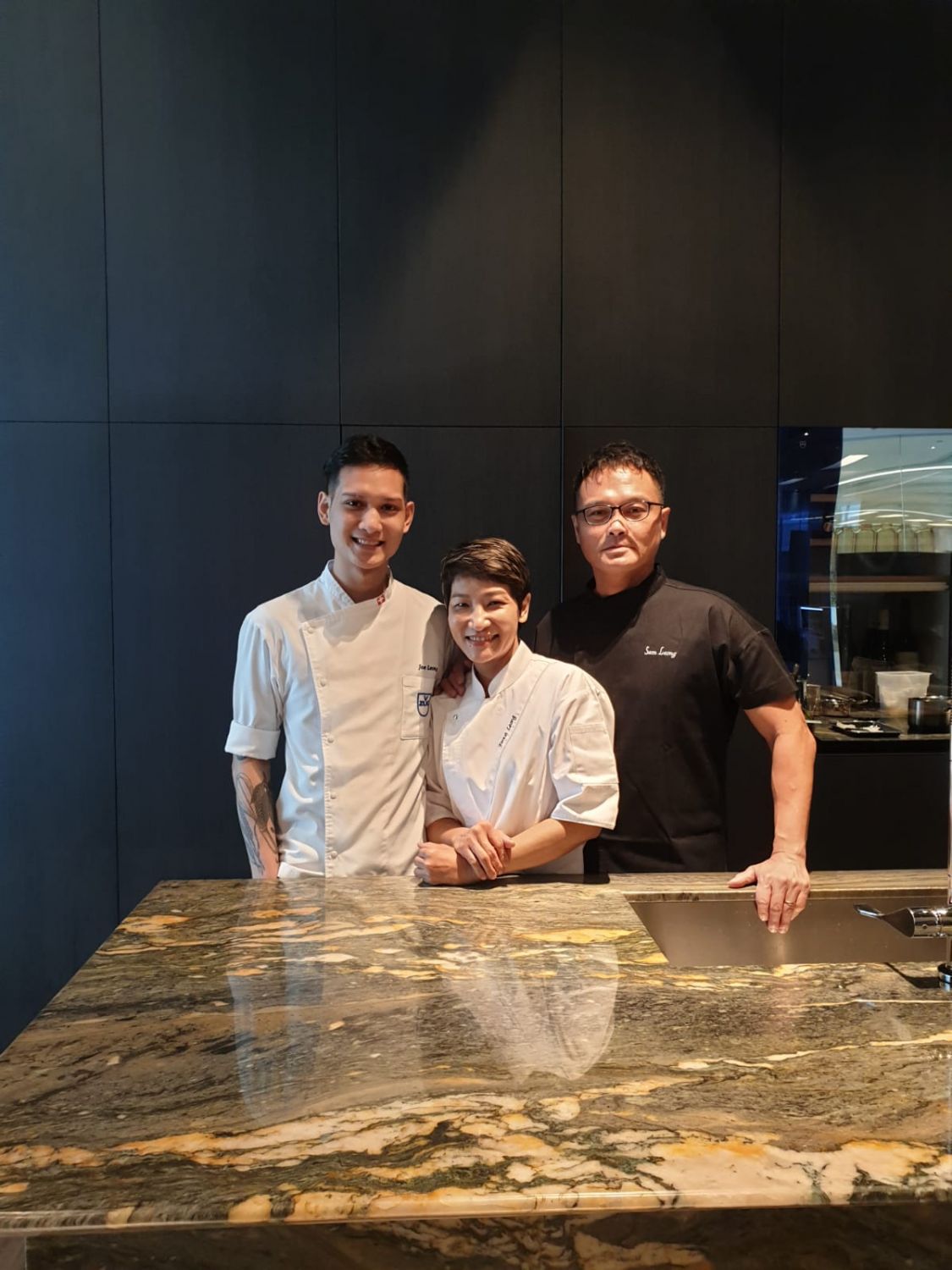
Cover Chef Joe Leong and his parents
Chef Joe Leong and his parents
1 / 1
From getting schooled in cooking techniques to building character, three chefs share how kitchen lessons gleaned from their parents ignited their passion for food
For many chefs, the humble home kitchen is the pivotal starting point of their culinary journeys. Over the stove, their parents were their first food critics and mentors, imparting heirloom family recipes with a sprinkling of heartfelt anecdotes. While some chefs forged fond food memories that anchored their careers, others hold bittersweet recollections of the rigorous training that has shaped their outlooks in life.
Read more: Have You Listened To XO Soused, Chef Andrew Wong’s Podcast On Chinese Food Culture And History?

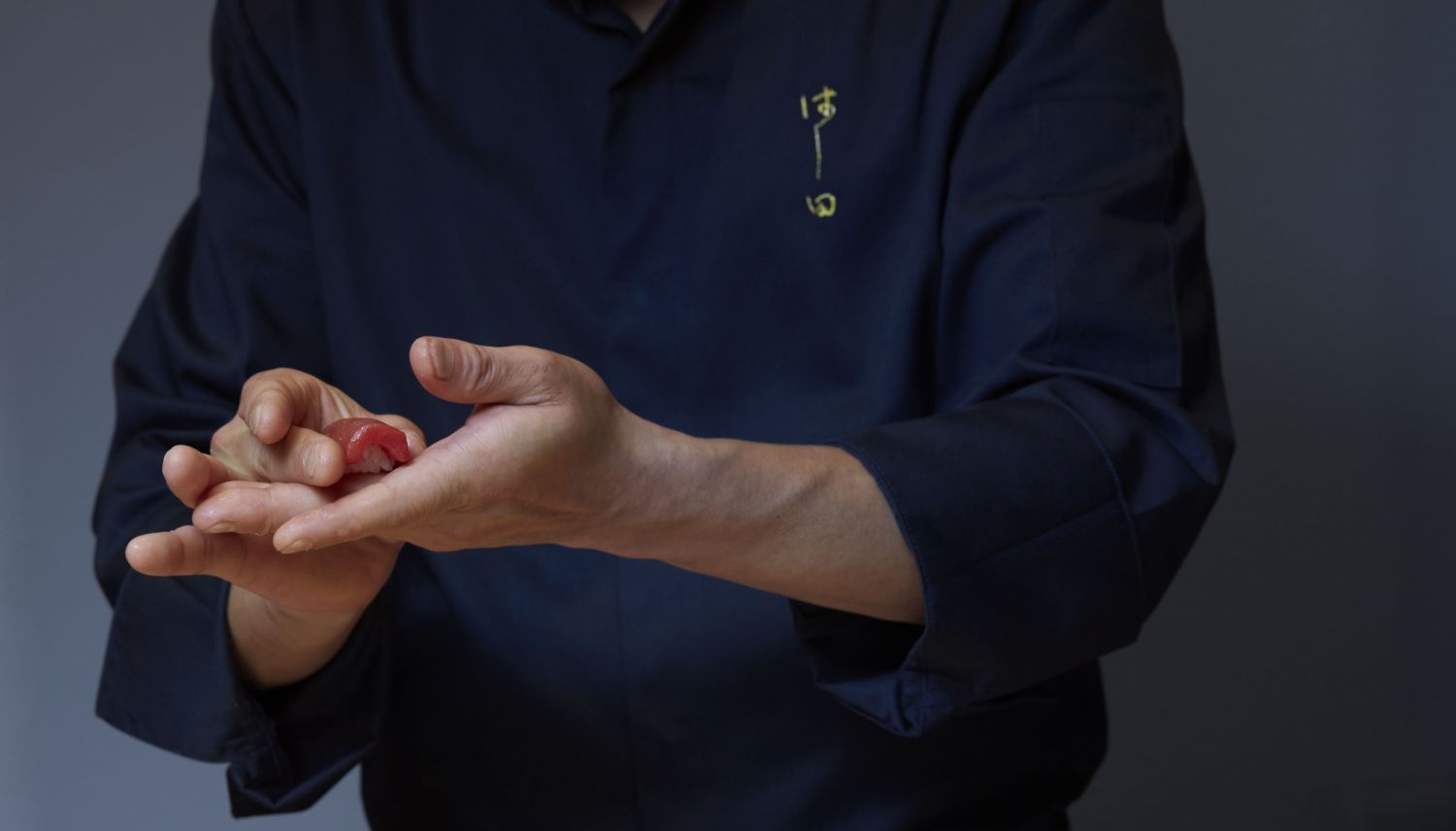
Above Hashida
Hashida
1 / 1
For master sushi chef Kenjiro “Hatch” Hashida, the chef-owner of Hashida Singapore, sushi making runs in his blood. The exquisite craft was passed down to him by his father, Tokio Hashida, who started the original Hashida Sushi in Tokyo in 1968. The 78-year-old has since handed over the reins to his son, who expanded the brand into Singapore in 2013.
As an apprentice at age 14, Hatch started out cleaning the counter every day. The 42-year-old recalls: “I was expected to complete this task even when I wasn’t feeling well. This instilled a sense of responsibility and discipline in me—staying committed to something I’ve promised.” After a year of cleaning and observing the kitchen action, he got the chefs to teach him knife skills in the regimental kitchen. Mimicking the elegant movements of the knife, he says: “Slicing the fish requires a certain type of rhythm—it’s as if the knife is dancing—and the knife shouldn’t touch the fish too many times, [as that] would affect its temperature.” It would take a couple more years of observation and practice before he was allowed to slice sushi for customers.
Above Chef Joe Leong and his parents
Chef Joe Leong and his parents
1 / 1
Like Hatch, chef Joe Leong, who is a pastry chef with kitchen appliance company V-Zug’s Gourmet Academy, comes from a family of chefs. His father is renowned celebrity chef Sam Leong, a forerunner of modern Chinese cuisine, while his mother, Forest Leong, specialises in Thai cooking. Despite his storied background, Joe’s inkling to pursue a culinary career at 16 was met with anger from his father, who wanted to shield him from the harsh realities of working in kitchens.
A month later, his father relented and charted out Joe’s culinary career routes before narrowing it to pastry—which suited his then petite stature. Forgoing culinary school, he dived in as a cook at the famed 2am: dessertbar at 17, before working his way up in restaurants such as Tippling Club and V-Dining. “Going to culinary school is like visiting Disneyland, but working in restaurants is like scrubbing the tanks at Disneyland,” quips the 28-year-old.
Don’t miss: Katong Food Guide: The Best Restaurants and Cafes to Visit Now
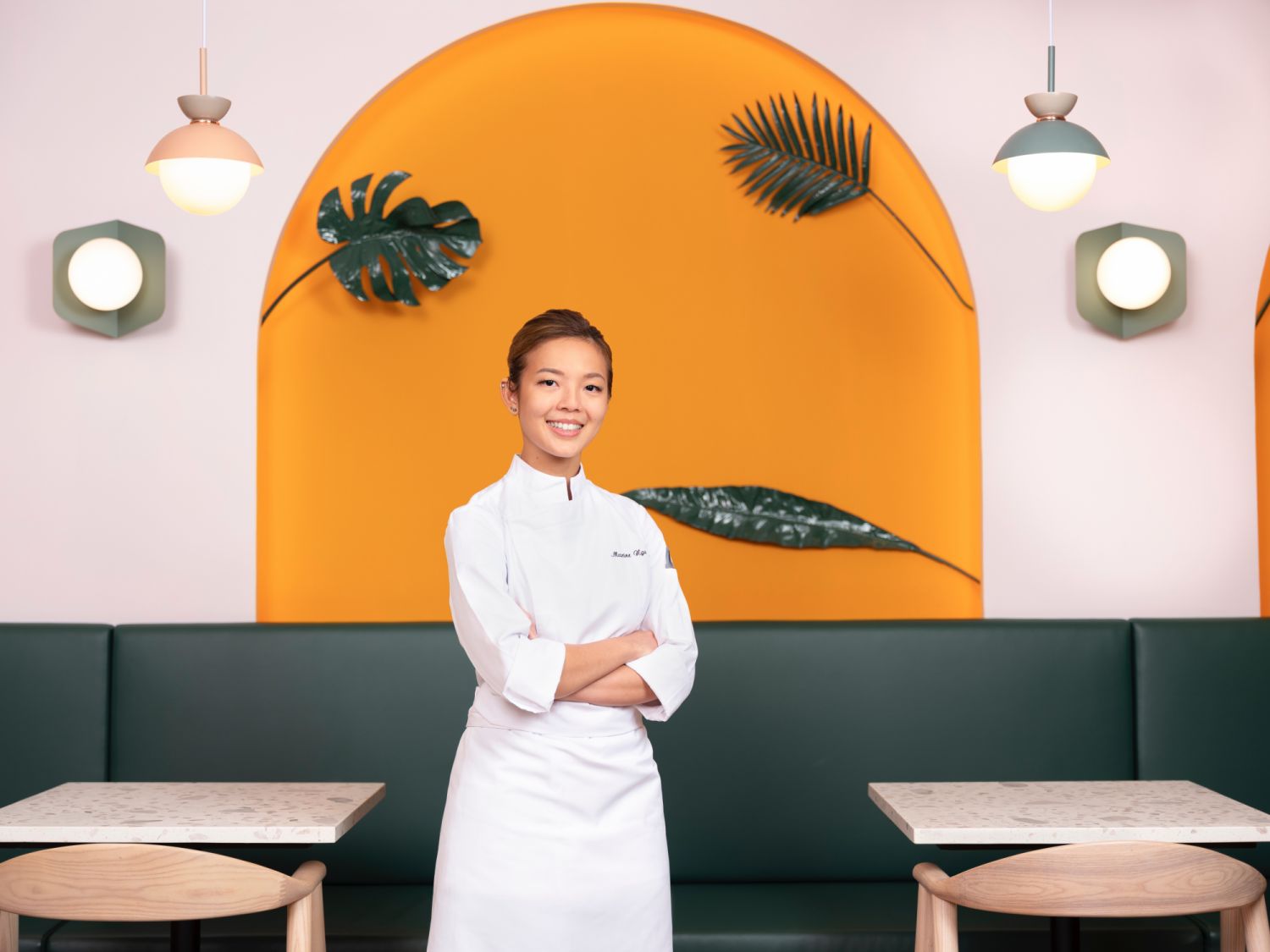
Above Chef Maxine Ngooi
Chef Maxine Ngooi
1 / 1
For Maxine Ngooi, the executive chef of Tigerlily patisserie and heritage confectionery Chin Mee Chin, cooking was bonding time with her Portuguese Eurasian mother, Gerardine Majella Pinto. Her mother whips up traditional dishes such as curry kapitan (Eurasian chicken curry) and corned beef cutlets, with a side of the stories behind the family recipes. She also bakes bread and threw themed food parties.
Ngooi says: “My mother is the first food critic I know—she taught me how to taste and savour food, and inculcated in me an appreciation for food. Her passion for food is infectious.” The avid home cook, who was intrigued by crepes during a holiday in France, also ran Creperie Ar-men at Duxton Road in the 2000s.
However, witnessing the “scary” amount of hard work her mother put into the restaurant deterred the 30-year-old from entering the trade. It was only during her commerce undergraduate years in Sydney that her passion for cooking was ignited. Helming her own kitchen, she started asking her mother for recipes such as lasagne, and pork and braised apples in cream sauce, and cooked up a storm. Upon graduation, Ngooi changed tracks and tested the waters with a training stint at Les Amis, which parlayed into a career in fine-dining establishments such as Joël Robuchon Restaurant.
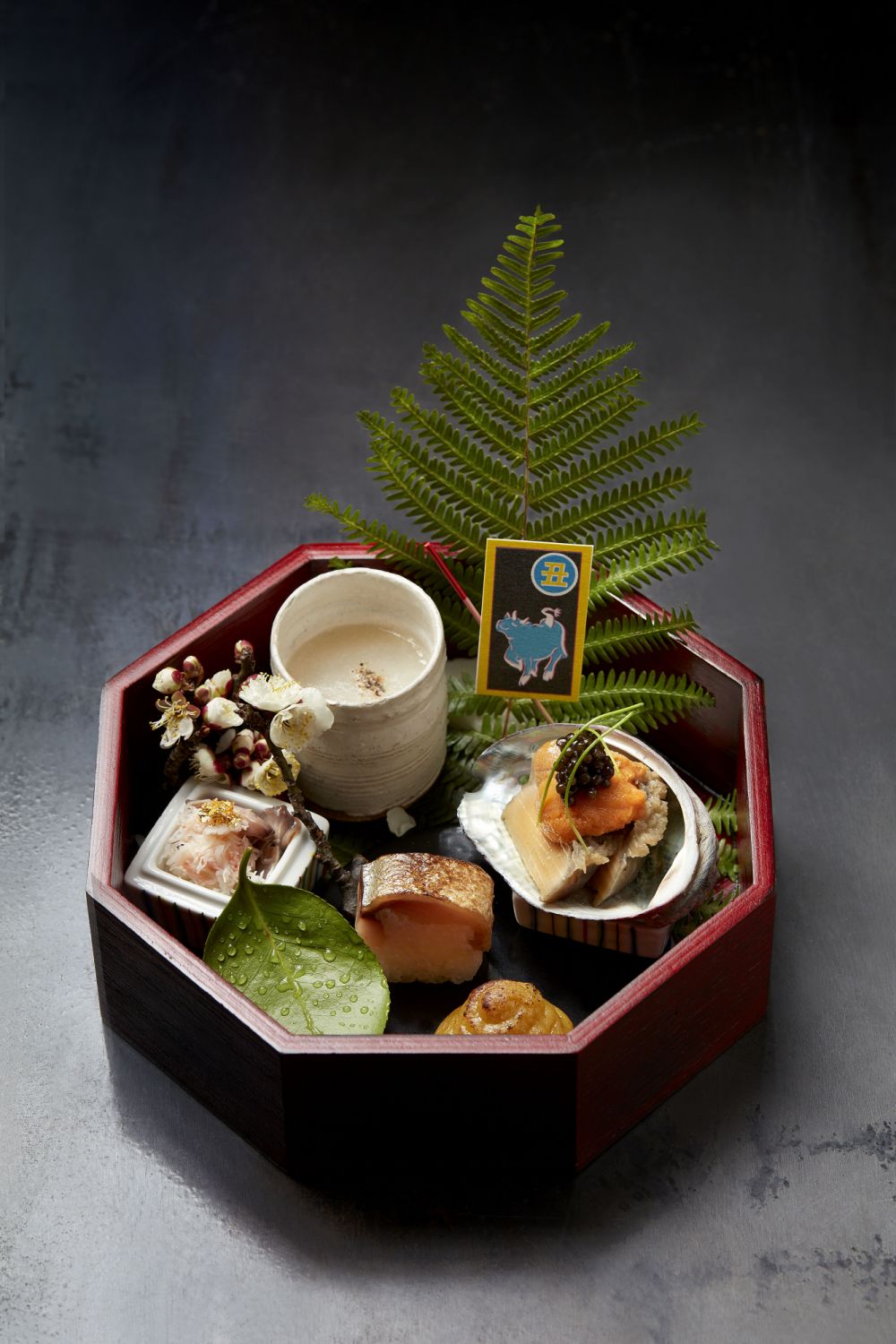
Above Hashida Appetisers
Hashida Appetisers
1 / 1
Learning The Ropes
Lessons, from kitchen etiquette to life philosophies were shared through cooking. Hatch is known for his precisely crafted sushi such as hand-shaved otoro dabbed with soya sauce based on an age-old family recipe, kamasu (barracuda) and ankimo (monkfish liver)—hardly surprising, given that he was trained by his sushi master father. Learning the intricately tactile art of sushi making from a man of few words was onerous. Much of the excruciating learning process boiled down to eagle-eyed observation and resilience. He spent a week moulding the rice for handrolls—if his father wasn’t satisfied with its size and volume, he simply “touched and threw it away”.
On top of expecting exacting standards, Hatch’s father emphasised being honest about one’s kitchen abilities, the young chef recalls. “If you don’t know something, don’t be afraid to own up and learn,” he says, recalling an incident when his father summoned him to a fishmonger to learn how to slice bonito properly.
Outside the kitchen, Hatch stands by his father’s advice on career longevity. “Have hobbies outside your job, so that you can treat it as another hobby and enjoy it for a longer time,” he shares. As a sushi chef, having a wide range of interests is important as “sushi restaurants are like pubs, where customers come to converse”. It’s no surprise then that Hatch, who is known for his quirky fashion sense outside of the kitchen and enjoys painting and photography, is known to strike up lively conversations with diners. He also spearheaded the interior design for Hashida Singapore, which reopened at Amoy Street last January.
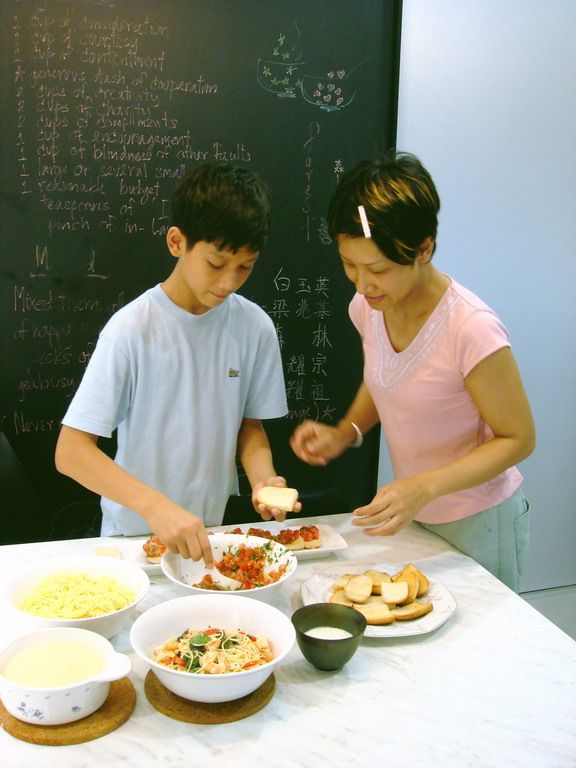
Above Chef Joe Leong at a young age
Chef Joe Leong at a young age
1 / 1
For Joe, a valuable lesson he learned from his father is the importance of humility in the kitchen. He admits he had “a rough temper”—getting impatient and yelling at junior staff who were slower than him in tasks such as churning out mousse cakes. Heeding the advice of his father, who ran hot and fast-paced kitchens in Chinese restaurants, he muses: “A chef cannot run things on his own—be humble and show appreciation to the people who help make your job easier.”
In case you missed it: Cakes, Tarts and Financiers: The Best Local-Inspired Bakes in Singapore
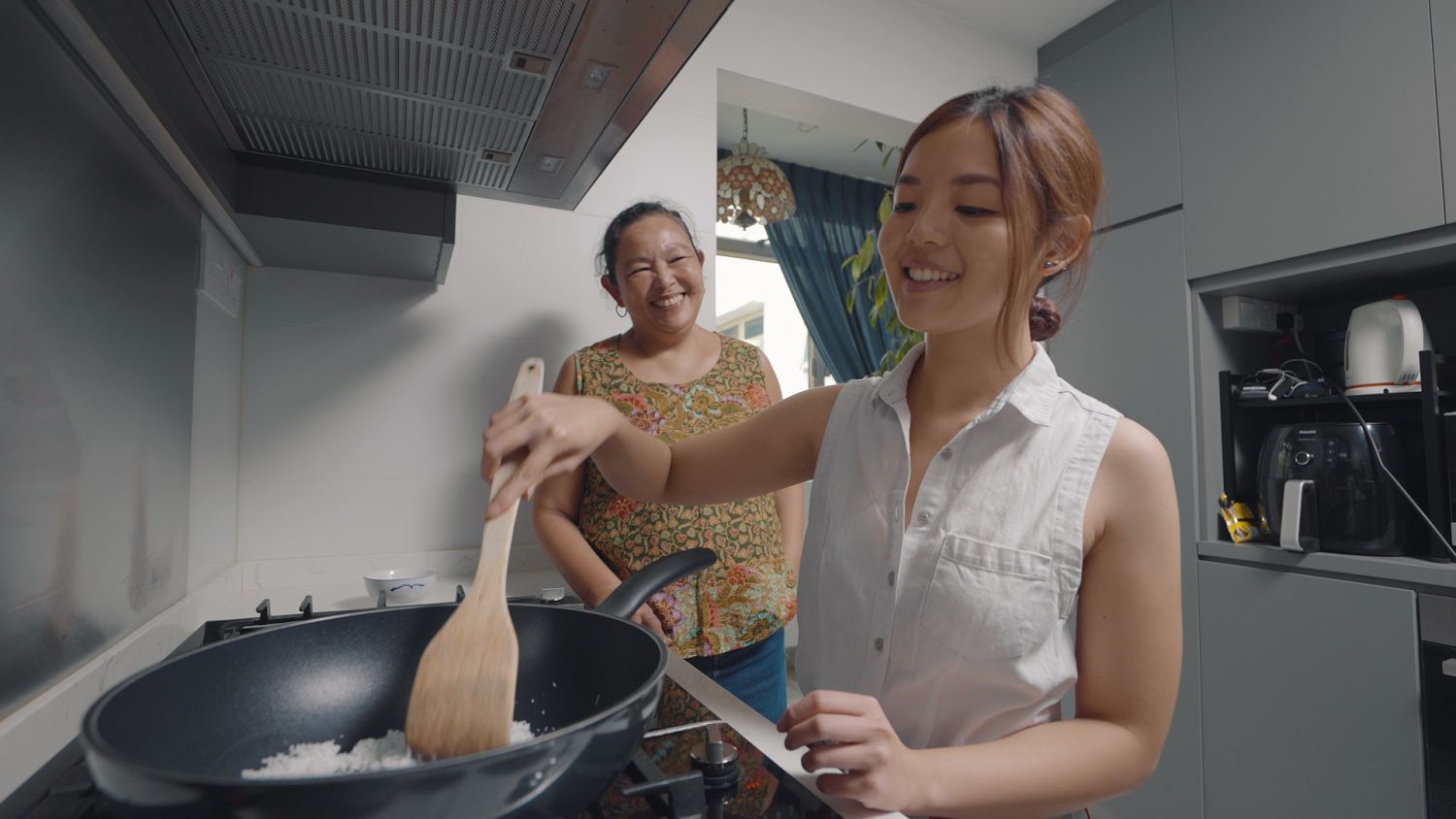
Above Chef Maxine Ngooi and her mom
Chef Maxine Ngooi and her mom
1 / 1
Besides shaping one’s character, cooking is a way of getting in touch with one’s roots. In 2020, Ngooi helped her mother run a home-based food business, cooking homespun Eurasian and Peranakan dishes. She says: “It was an eye-opening experience—I mastered cooking rempah (spice paste), learned new ingredients and realised that many of the dishes I grew up eating are Eurasian dishes. I discovered that my great-grandmother added rose water to make her sugee cake more fragrant.”
From baking sugee cakes with her mother, she learned the importance of respecting time-honoured recipes. Being professionally trained, she couldn’t help but reorganise the recipe in a time-efficient way. Although the cake was made more quickly, the studs of semolina in it were too crunchy. “It turned out that the time taken to meander through the recipe helps soften the semolina as it soaked in butter,” she reflects.
This was something she had to be mindful of when working with heritage cake recipes at Chin Mee Chin. “Every step in traditional recipes exists for a reason and it’s important to understand the recipe before translating it into a modern kitchen,” she says.
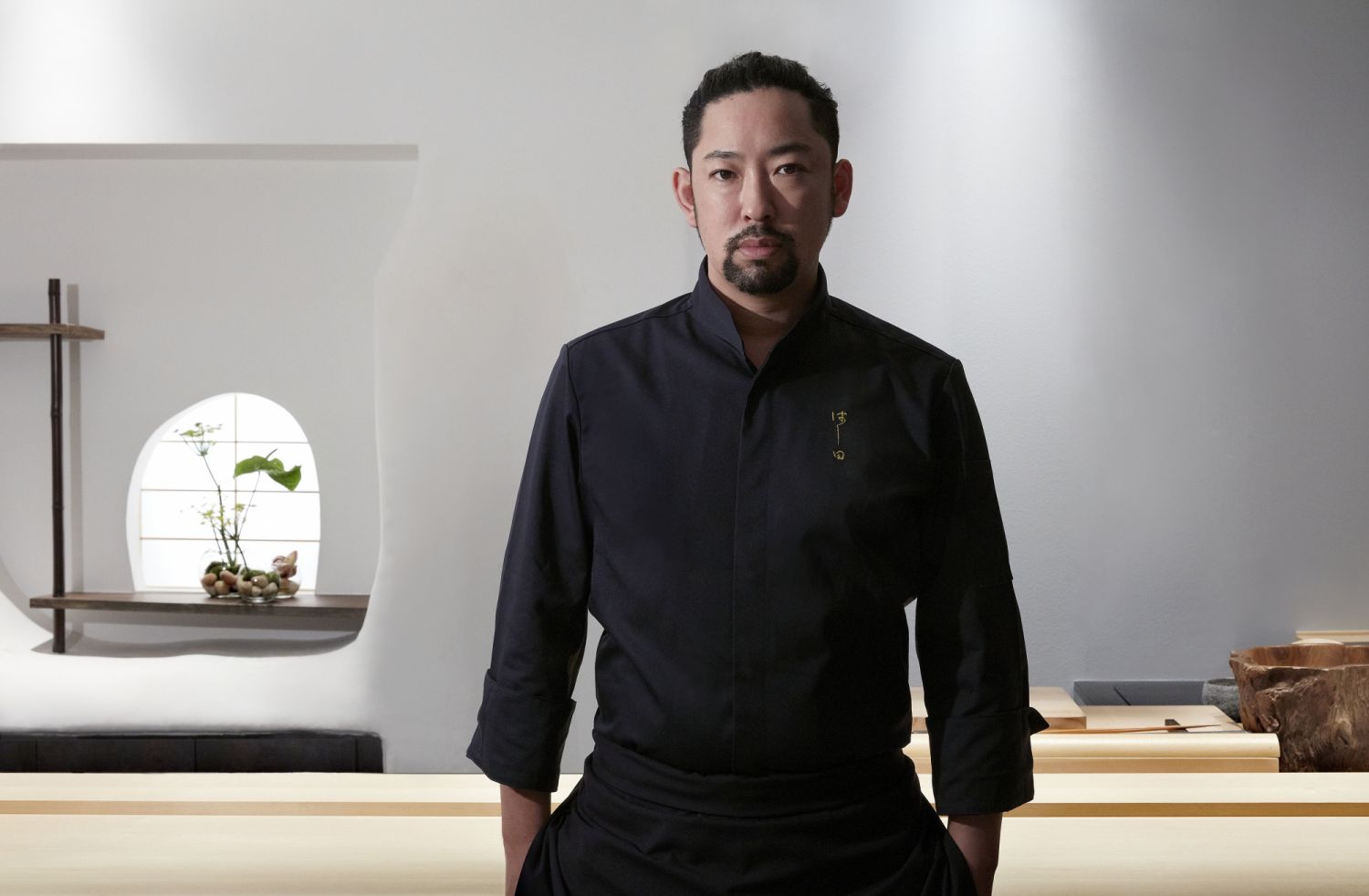
Above Chef Kenjiro "Hatch" Hashida
Chef Kenjiro "Hatch" Hashida
1 / 1
Lessons To Live By
From working alongside her mother, Ngooi realised that she was particular about using specific ingredients seasonally, down to sourcing them from specific stalls in wet markets across Singapore. This inspired Ngooi to use seasonal ingredients—such as the cherry blossom during spring—for the modern European-inspired pastries she offers at Tigerlily patisserie.
Witnessing her mother’s love of food and strong work ethic drove her to become a chef. “Seeing how she dedicated herself to her restaurant inspires me to put my 110 per cent into my job,” she adds. These days, Ngooi taps on her mother’s wealth of cooking experience by bouncing ideas on flavour combinations for her pastries.
For Hatch, he is looking forward to extending his father’s legacy with the reopening of Hashida Tokyo in April after a five-year hiatus. The family’s restaurant has been rebuilt into a five-storey building at its current location. While new features such as an R&D test kitchen are added, the heirloom Aomori wood fixtures from the original restaurant have been preserved. On the most profound impact his father has left on him, he says: “He has shown me that with passion, something can last for 50 years, and I hope to continue to do the same.”





