
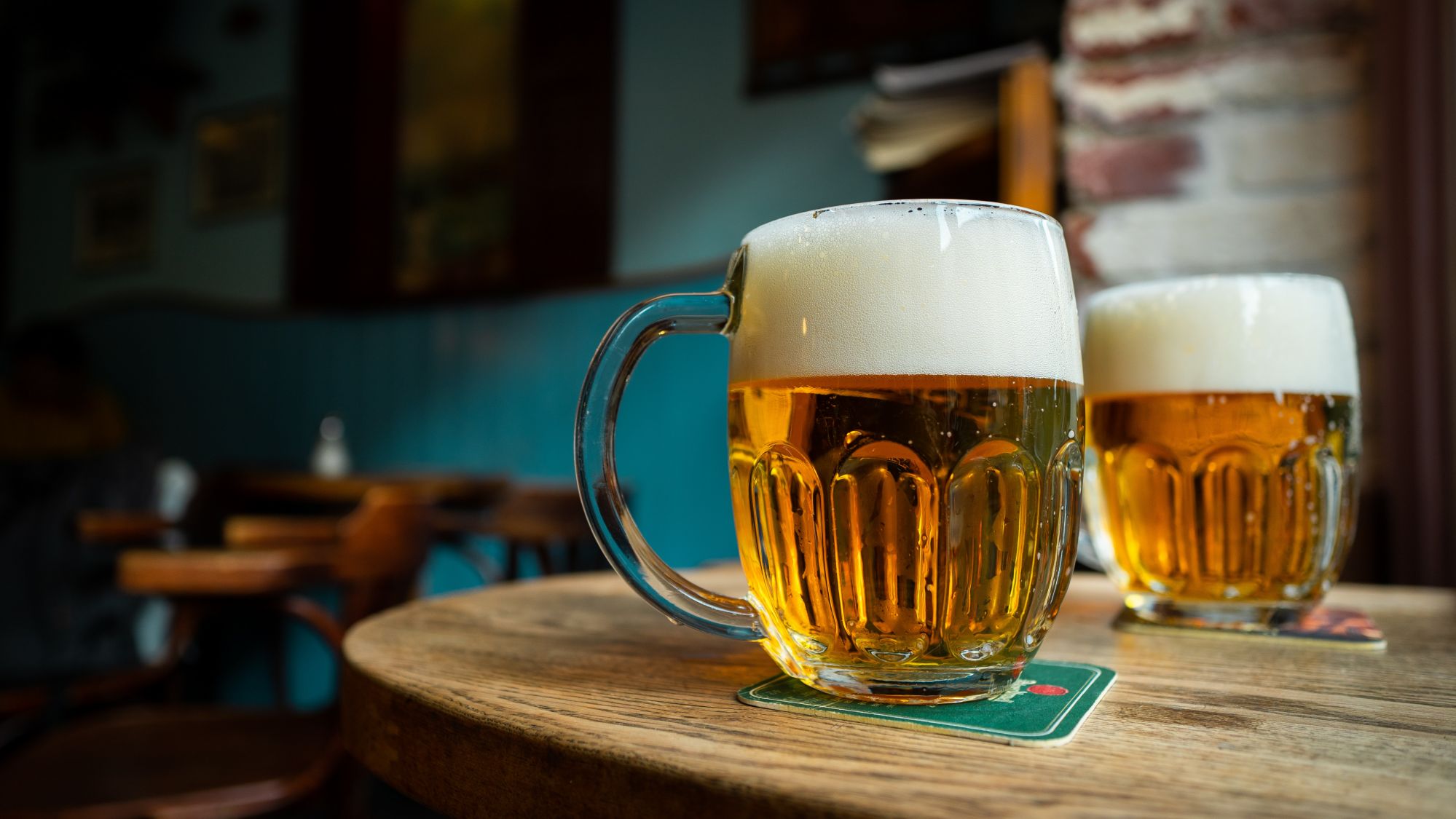
Cover Photo: Radovan \ Unsplash
Photo: Radovan \ Unsplash
1 / 1
All your FAQ's about beer are answered right here:
Who doesn’t love a golden, bubbly beer? It is a beverage that crosses barriers, appealing to the average man and to connoisseurs, one that is well suited to simple and complex meals alike. To many, it is a taste of home—a thirst quencher that brings back comforting memories.
Albeit an easy go-to drink for many, it is not all that simple. Learn all about the basics of beer from Engkanto’s brewmaster, Josh Karten, here:
Read More: Founder Of Engkanto Ian Paradies Talks About His Love For Beer & Country

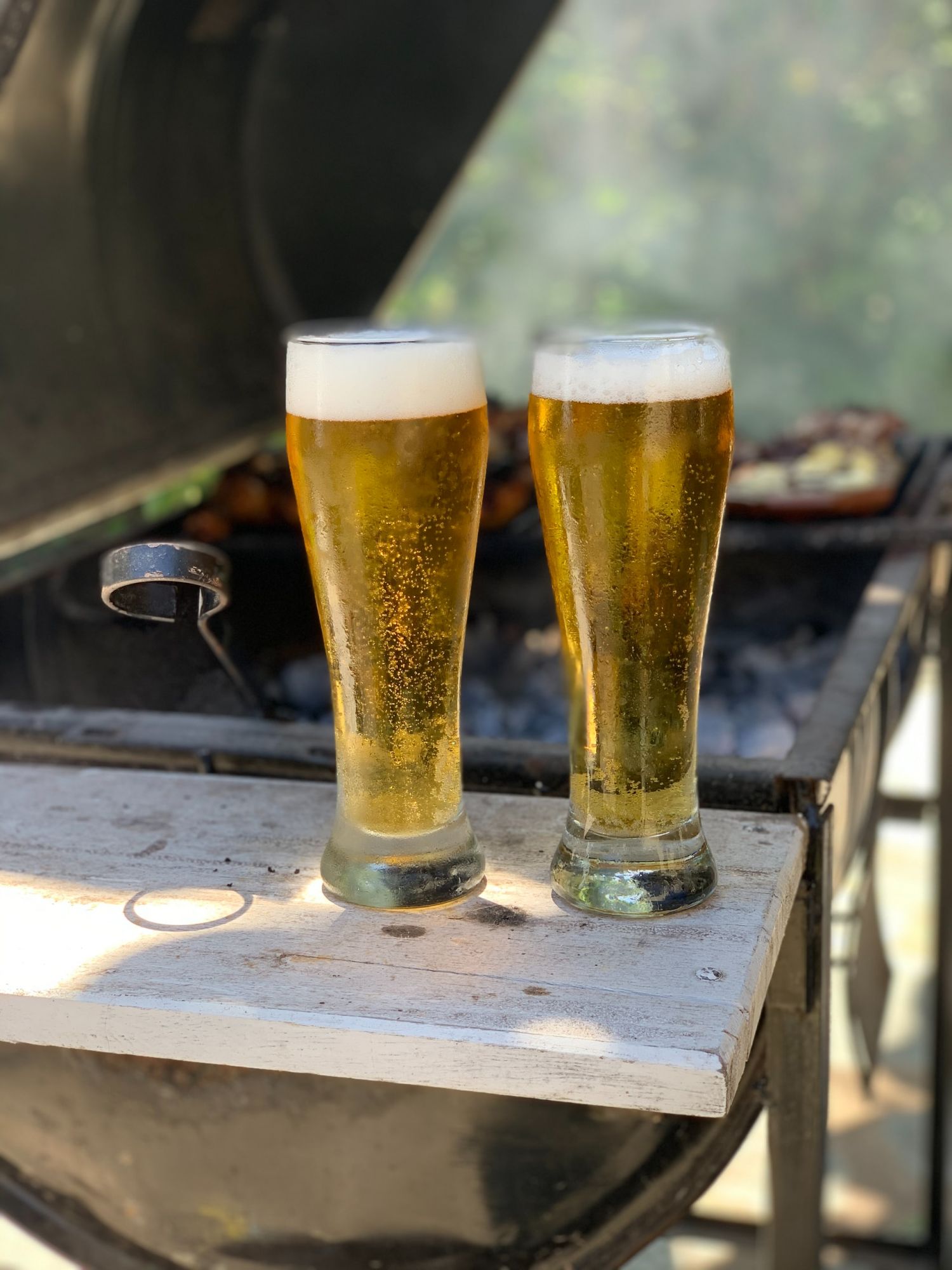
Above Photo: Pablo Capra \ Unsplash
Photo: Pablo Capra \ Unsplash
1 / 1
What is beer made from and how do you develop different flavours in beer during the brewing process?
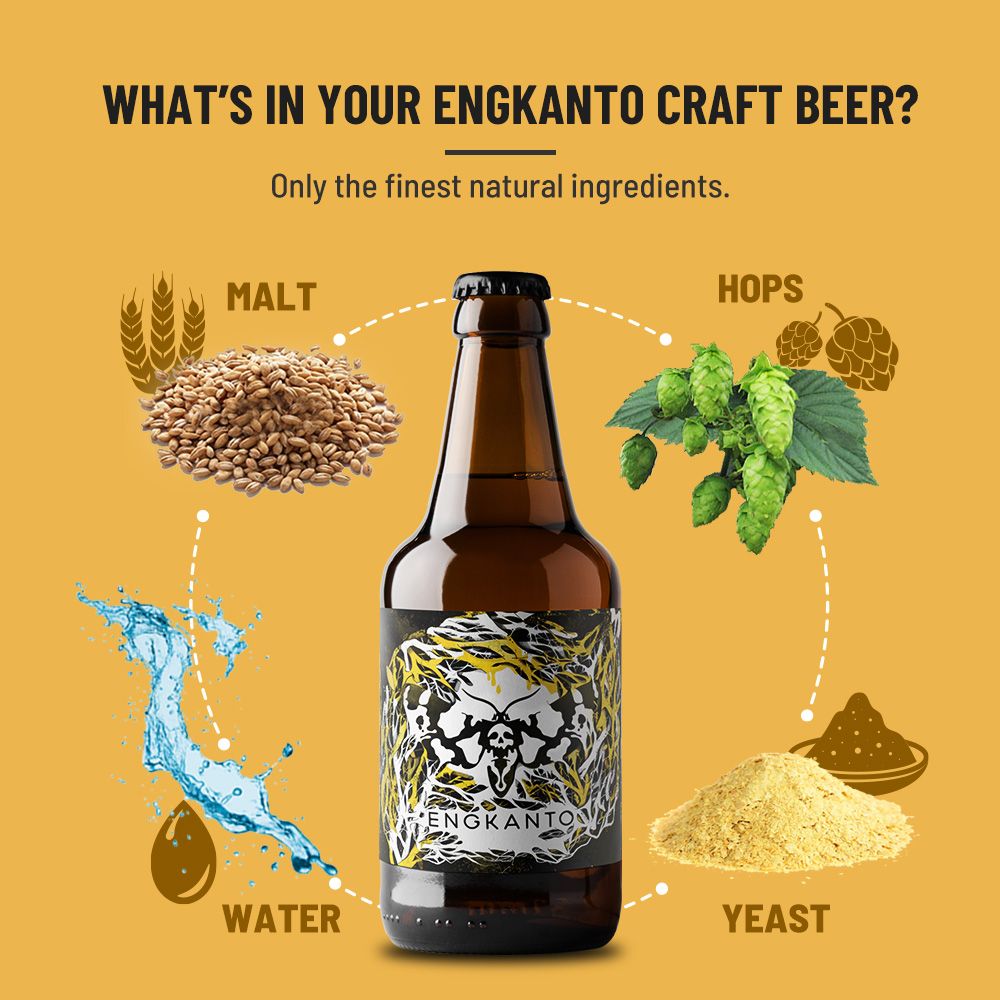
The typical beer is made from only four ingredients: malt, yeast, water and hops. The simplicity of its ingredients can be deceiving because the process of combining these four ingredients can be very complicated. Developing different flavour profiles is an arduous process because the varieties of malts, yeasts, hops, and water profiles make the potential combinations limitless (that’s not counting the different adjuncts, minerals, and process variations you can experiment with)!
What is the difference between light and dark beer?
The major difference between light and dark beers is the malt bill (the combination of different malts used in the recipe). At the most basic level, if you want a light coloured beer you would use light malt like pilsner malt and two-row, while if you wanted to make a dark beer you would add malts like Vienna malt, Munich malt, Caramalt and/or chocolate malts - typically a combination of some or all. While it depends, I typically prefer light beers.
What is the difference between ale, beer and lager? Do you have a personal preference?
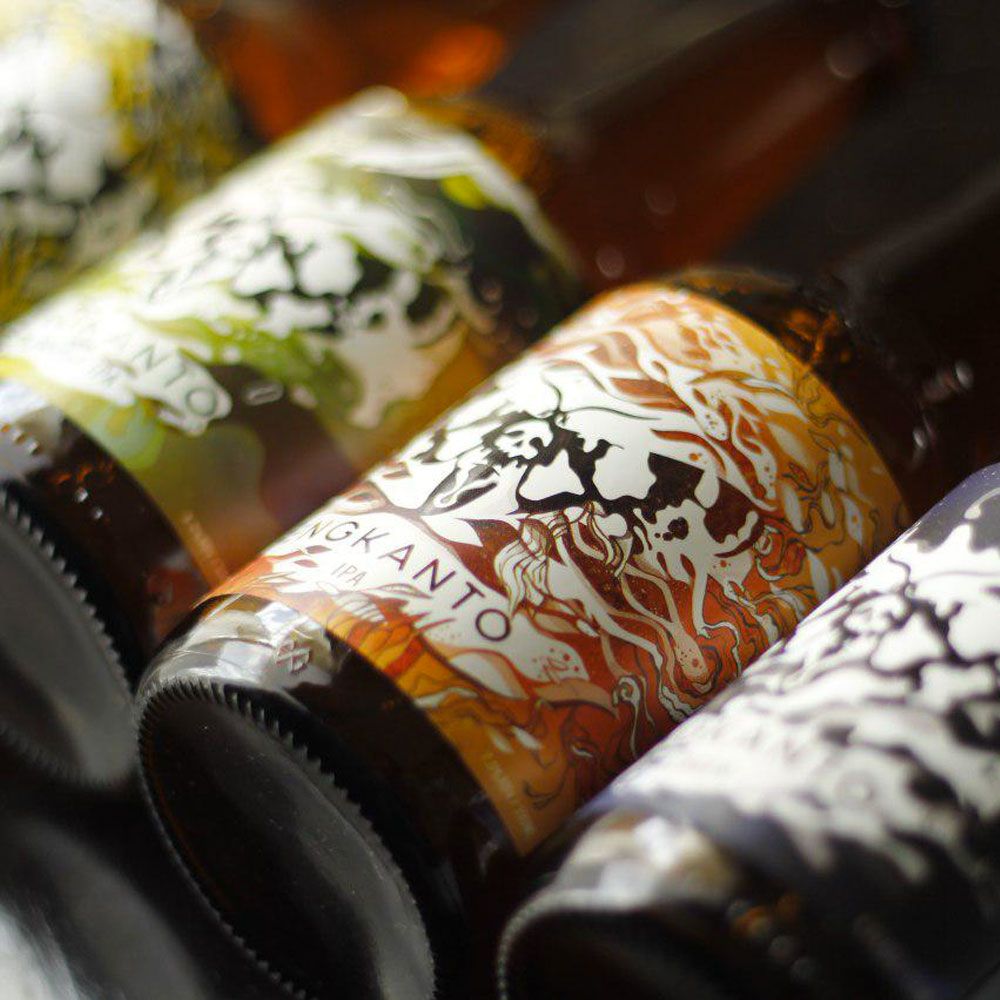
Lagers and ales are two varieties of beer and the major difference is the yeast used to create the beer. Additionally, the different yeast used to create either a lager or an ale changes the process dramatically. Lager is a much smaller category and derives most of their flavour profile from the malt and yeast. Ales have a much wider variety of styles within their category, most notably; IPA’s, pale ales, brown ales, amber ales, stouts, Saisons, and wheat beers. It is also important to remember that there are varieties within each style, as well.
If it is warm out and I am socialising, I would probably choose to drink a lager, IPA and pale ale. However, if its cold out and/or I am relaxing for the evening, I like a nice robust stout.
Read more: 21 Of The Most Exciting Craft Beer Brands Brewing In Asia
Above Photo: Engkanto
Above Photo: Engkanto
Photo: Engkanto
1 / 2
What role does beer’s foam play?
The foam plays a role in the flavour in a very indirect way. Not only does a strong foam head add to the aesthetics of the drinking experience, but it also helps to carry the aroma into the nose. The smell is actually a stronger sense than taste. A strong desired aroma helps the senses to actually taste the flavour profile that the brewer strives to deliver to the consumer.
Is there really a difference between bottled or draft beer?
Yes and no... the beer itself is obviously the same. However, like with all things in beer-making, the ingredients are the ingredients, but the process makes all the difference. To keep it as simple as possible, look at this way:
In the process of making beer, there is a point where oxygen is necessary but then there comes a point where the last thing you want anywhere near the beer is oxygen. Now, what does this have to do with bottle vs. draft? An incredible amount!
Once the beer is finished, the less amount of movement from vessel to vessel, and the less amount of time spent processing the beer, the better. The more time spent moving the beer means the more chance there is for oxygen to be picked up by the beer.
Bottling typically requires an extra step, and a little more time processing so there is more movement. 'Kegging' a beer is one step less on the overall process and less movement from vessel to vessel and therefore, the beer is potentially closer to its most perfect state.
Read more: 15 Must-Try Beers And Where To Buy Them
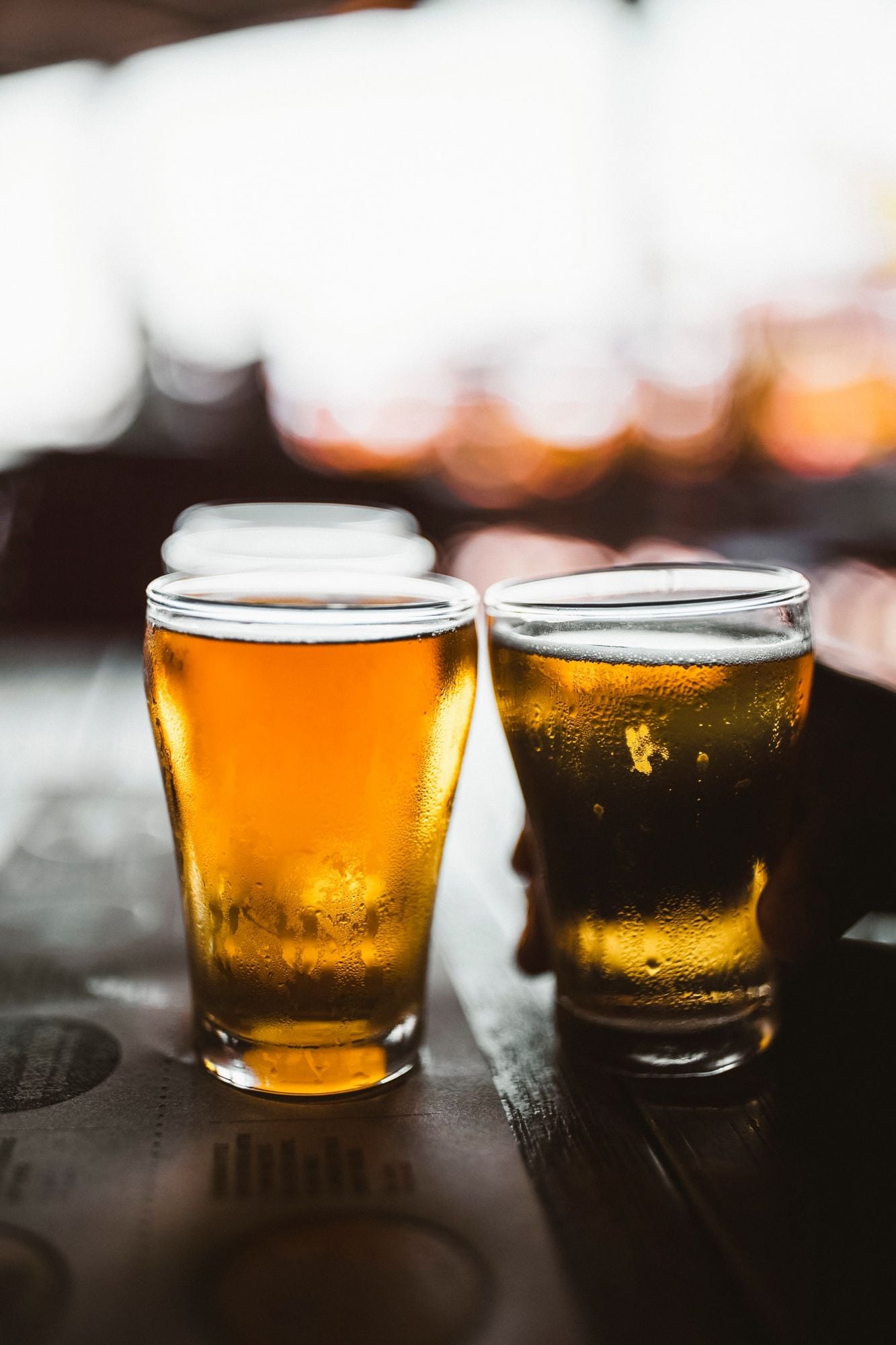
Above Photo: Thais Do Rio \ Unsplash
Photo: Thais Do Rio \ Unsplash
1 / 1
What food pairs well with beer?
Different styles of beer pair well with specific types of foods and that can also vary with different styles of different types of foods. For example, if you are having a burger then there is nothing you want more than a light, crisp lager. But for a different type of beef, like steak, you would probably want a darker beer more malt-forward beer like an ESP, red ale, or even a dry stout.
When it comes to more robust stouts they pair well with heavier meat-based meals or even some types of desserts. Brown ales work well with sushi, amber ales with pizza or pork, and IPA’s with barbecue or Mexican foods.
Read More: Tatler's Guide To The Best Korean Fried Chicken In Metro Manila 2021
What do hops and malt do to beer?
The malt is a grain base that is mixed with water at very specific temperatures to extract sugars for the yeast to consume in order to make a specific amount of alcohol. Different malts have unique flavours and colours that will be the base of the beer. You pick the specific combination of malts for the desired beer style and profile.
Historically speaking, hops are a bittering agent to balance out the flavour of the beer. In recent years, different strains of hops have been grown and used throughout the brewing process to enhance flavour. Different hops have very specific flavours.

About
Isabel loves to learn, and see things from different perspectives. Connecting with people and engaging in new experiences to broaden her horizons is what inspires this storyteller, keeping her constantly curious, and excited for what's to come. An absolute love for all things F&B ignited a hunger to devour content from this world and keeps her jumping into tasty adventures around the globe. From the beauty of simple bites, to nuanced fine dining tasting menus, street food, and the art of entertaining, the multi-faceted nature of the dining experience is something she can't get enough of. A good cup of coffee or a glass of wine paired with a dash of witty conversation is a quick way to win her over. This editor loves travelling, food, music, skincare, fitness, and is only friends with people who love dogs. Guilty pleasure?: Binge-watching TV shows and movies she has already seen.
Work
Concept creation is the name of the game and branding takes centre stage in Isabel's day-to-day schedule. From producing shoots, conceptualising bespoke projects for our partners, relationship management, to cooking up features and events for Tatler Dining, this editor is a tried and tested foodie at heart. She mainly writes content for Tatler Dining, engaging in captivating discussions with restaurateurs, chefs, producers, and food enthusiasts to tell must-know stories. Aside from that Isabel manages Tatler Dining's flagship events like Off Menu, or Cocktail Festival and puts together the Tatler Dining Guide, our annual listing of the best eats around town.
Follow her on Instagram @isabelvmf.





