

Cover Tinola sa Buko (Photo: Taal Vista Hotel)
Tinola sa Buko (Photo: Taal Vista Hotel)
1 / 1
He loves pancit, champorado, and other scrumptious Filipino meals. It turns out that Dr.r Jose Rizal is just like most of us.
We have heard stories about Dr Jose Rizal's patriotism, the novels he wrote, and even the women he dated; today, we are taking a closer look at his dining table. From the all-time favourite tinola that made it to his seminal work, Noli Me Tangere, to the arguable gossip that he invented champorado, Rizal was known to have lived a life ingrained in the Filipino cuisine culture.
Take your spoons and forks out as Tatler has listed some of Rizal’s favourite dishes and those associated with him by his kin and friends.
See also: Dr Jose Rizal: Who were the women in the National Hero’s Life?
1. Tinola

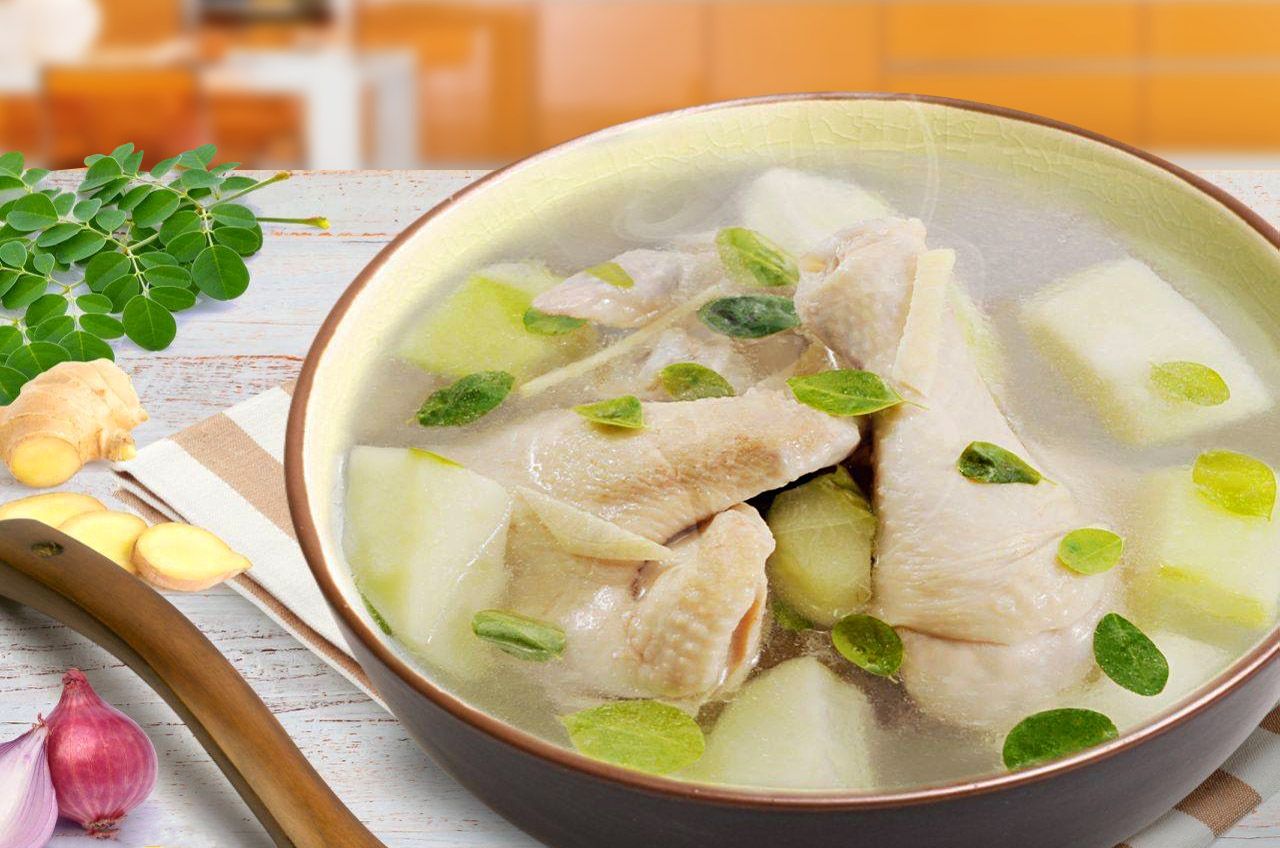
Above Rizal loved Filipino classic Tinola (Photo: Ajinomoto)
Rizal loved Filipino classic Tinola (Photo: Ajinomoto)
1 / 1
The Filipino Tinola is a soup usually served as an appetiser. It is made of a flavourful broth with ginger, garlic, fish sauce, and chicken meat. Many historians believe that Tinola was one of Rizal’s favourites; during his exile in Dapitan, the doctor would write to his mother, Teodora Alonso, and ask her to bring him the dish.
Tinola was even used as a political and social symbol in his novel Noli Me Tangere. In the book, Kapitan Tiago hosted a welcome dinner for Crisostomo Ibarra at Calle Anloague. At dinner over Tinola, Padre Damaso was in a bad mood because he had a bony neck and hard wings.
According to food historian Rheeza Santiago, Padre Damaso’s disappointment stemmed from his high regard for social status. The neck was considered an inferior part of the chicken and the friar was surprised he got it.
Tatler Trivia: On December 30, 1896, Rizal took his final meal. According to Narcisa (Rizal’s sister), the doctor threw some of his eggs in the corner of the cell for the “poor rats”. “Let them have their fiesta, too,” he said.
2. Pancit
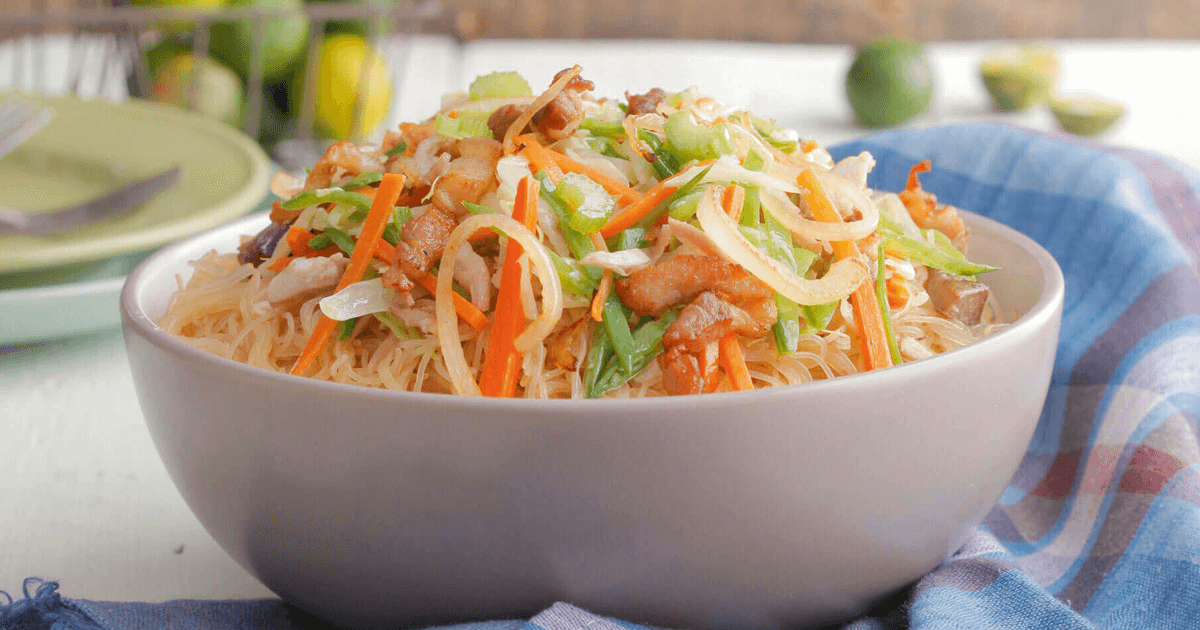
Above Rizal has always been fascinated by the taste of Pancit Pinoy (Photo: Nutri Asia)
Rizal has always been fascinated by the taste of Pancit Pinoy (Photo: Nutri Asia)
1 / 1
Almost every Filipino occasion is celebrated with pancit, a dish made of stir-fried noodles infused with various meat, vegetables, onions, carrots, garlic, and cabbage. Pancit even has a range of varieties across the country, from those closest to Chinese style up to the most unique ones in select provinces. Rizal was fond of eating pancit because it was the dish he and his fellow Pinoy students ate in Madrid after school.
One of the earliest historical records of pancit is in Rizal’s El Filibusterismo, Chapter 25: “Laughter and Tears”. In the book, the doctor described the plate as a “soup made with mushrooms, prawns, shrimp, beaten egg, rice noodles, chicken, and God knows what else!”
Related: Why is Filipino Cuisine one of the richest food cultures in the world
3. Monggo Soup
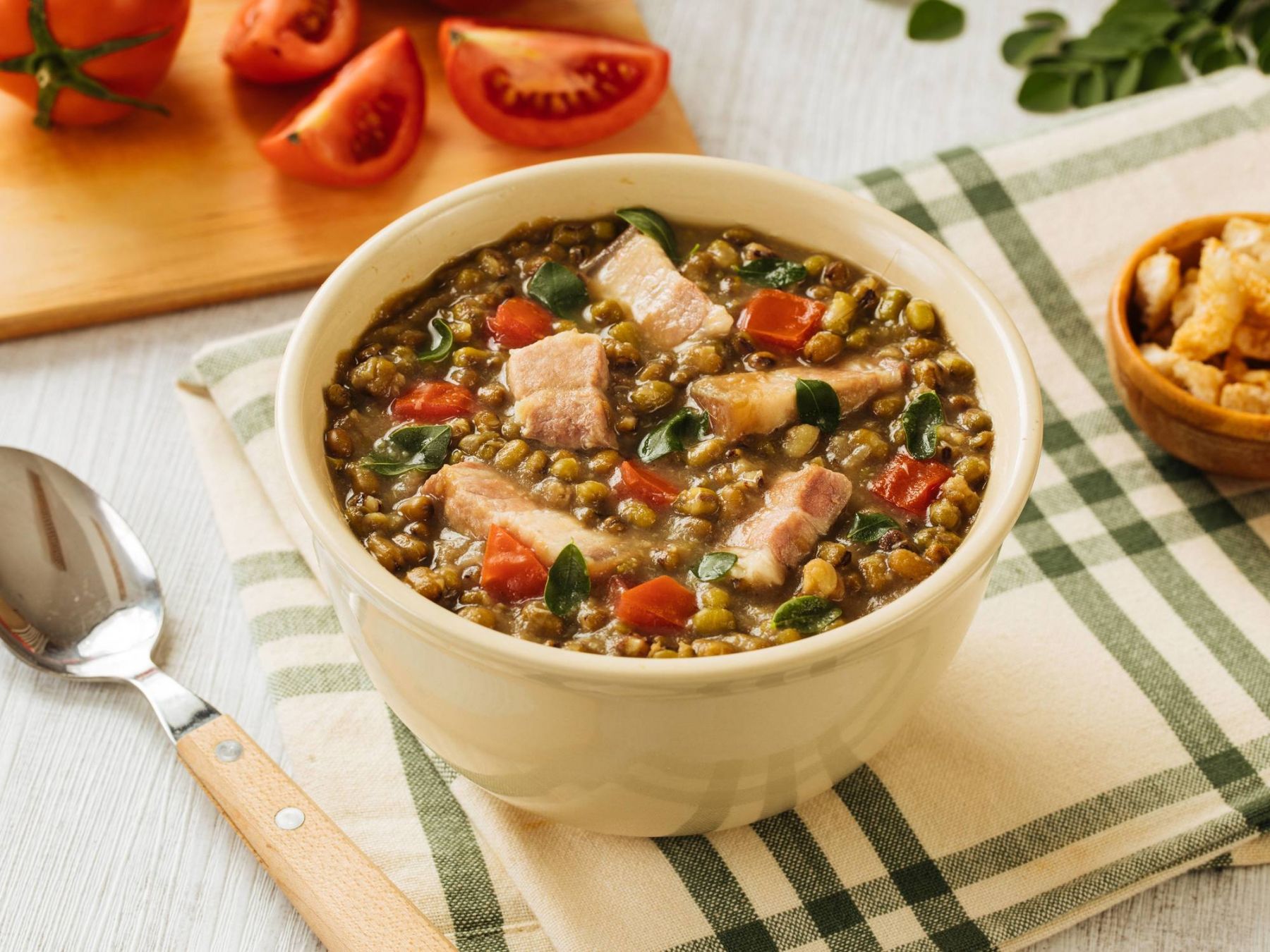
Above Pork can be added to the classic Monggo soup (Photo: Knorr)
Pork can be added to the classic Monggo soup (Photo: Knorr)
1 / 1
Besides asking his mother to bring him a plate of Tinola, Rizal also asked for a bowl of monggo or mung bean soup. Francisco Rizal Lopez, one of his descendants, said the exiled hero once served monggo with young ampalaya leaves to his visiting nieces and nephews.
More from Tatler: Manolo Blahnik shares family recipes perfect for home dining
4. Foie Gras
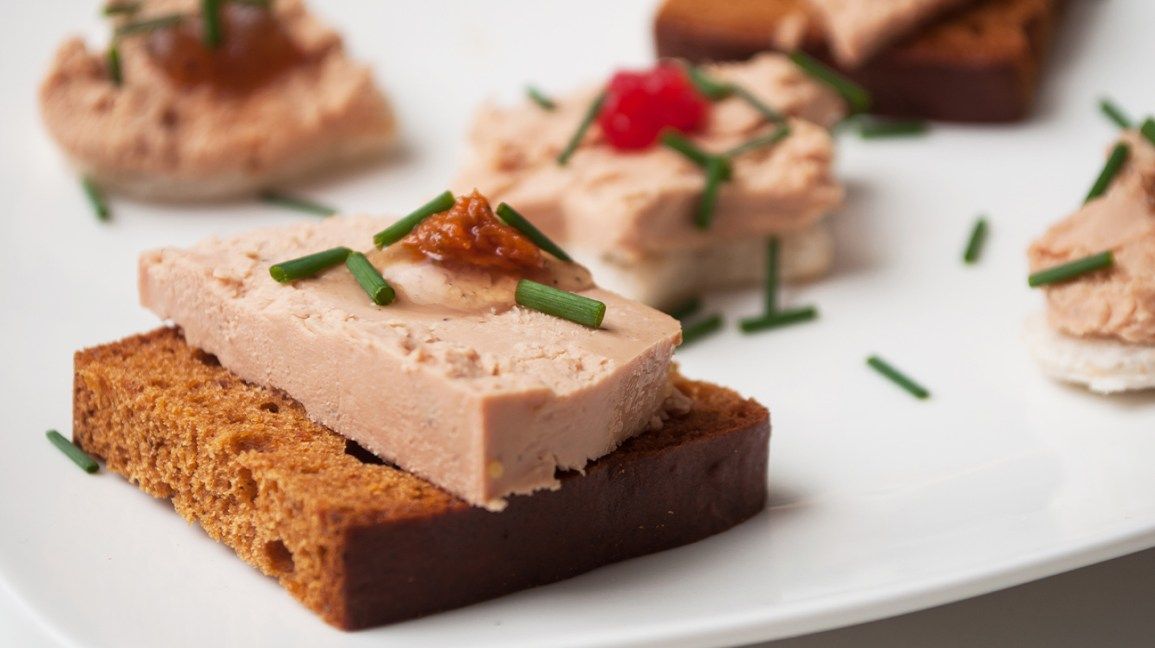
Above During his exile in Dapitan, Rizal would ask his mother to send him foie gras (Photo: Healthline)
During his exile in Dapitan, Rizal would ask his mother to send him foie gras (Photo: Healthline)
1 / 1
Rizal loved European dishes, too. One of his favourites from the region was foie gras. Many historians believe that the dish reminded Rizal of his visit to Juan Luna’s studio in Paris.
Foie gras has been banned in many cities worldwide, including the Czech Republic, Italy, Poland, and Turkey. This is because its production has questionable ethics. Breeders typically force-feed ducks and geese to enlarge their livers until they grow up to 10 times their standard size.
Read more: Mad or genius? 7 of Juan Luna’s most intriguing works and their meaning
5. Champorado
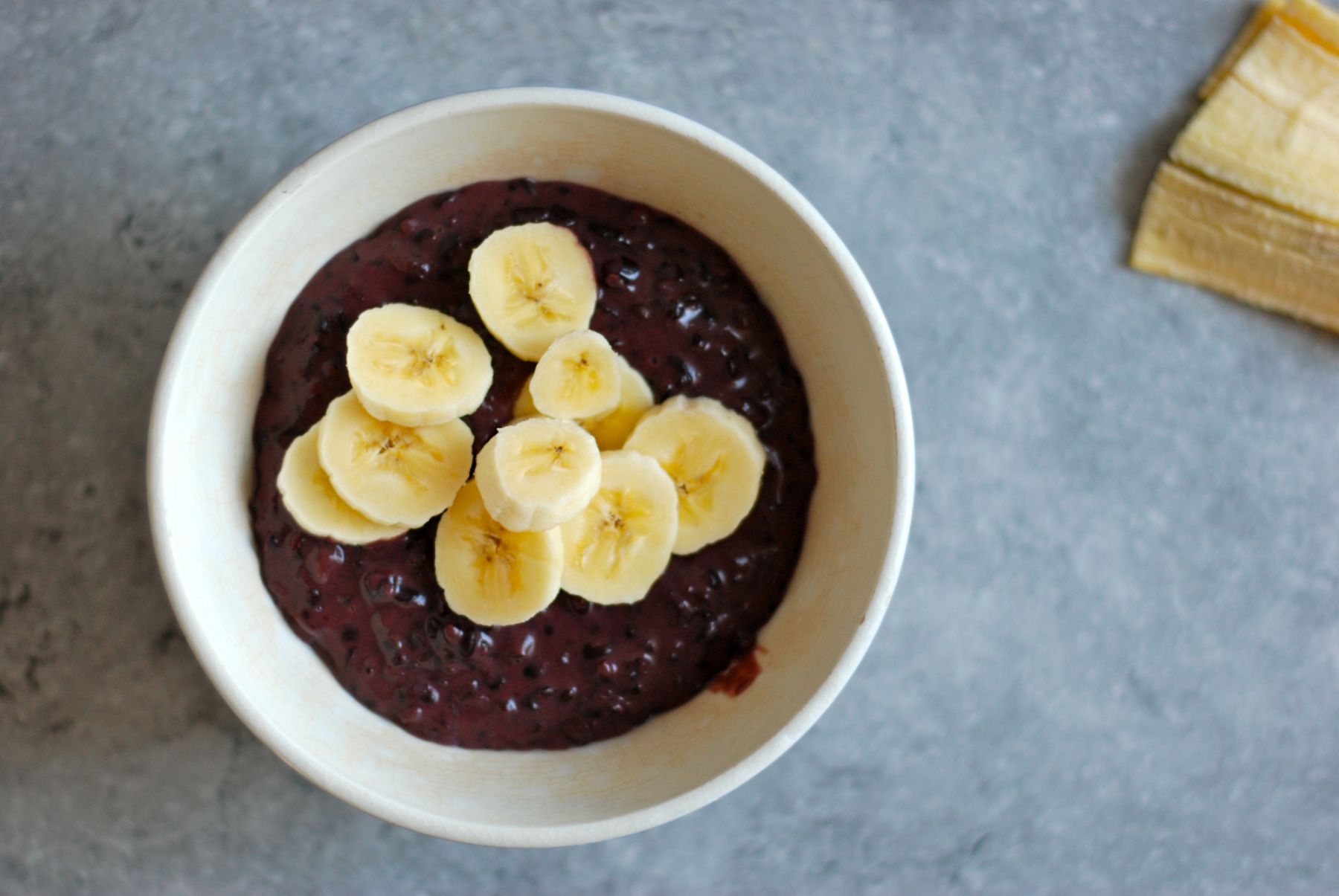
Above Add bananas on top of your home-made champorado (Photo: The Fat Kid Inside)
Add bananas on top of your home-made champorado (Photo: The Fat Kid Inside)
1 / 1
Rizal has made a lot of contributions in the field of literature and medicine, but many Filipinos do not know that the hero is also the genius behind the country’s favourite breakfast: the champorado or Filipino chocolate rice porridge. According to a 1950s Department of Education (DepEd) textbook, when Rizal was just a little boy, he accidentally tipped a steaming mug of hot chocolate into his plate of rice and dried fish. When his sisters called him out, he said: “I did that on purpose. When you mix rice and chocolate, you have champorado.”
There is no primary source to support this fact. Some experts still believe that the origin of Champorado is linked to the Galleon trade between Mexico and the Philippines. Traders from Mexico brought with them the knowledge of champurrado, a chocolate-based warm and thick soup served with churros.
NOW READ
Philippine Independence Day: 7 unsung heroes who fought for freedom
5 Inspiring Filipino biographies and autobiographies to read
An upgraded Jose Rizal Gallery is now open at the National Museum
Topics

Jove holds a degree in Journalism and is currently pursuing graduate studies in Philosophy at the University of the Philippines–Diliman. She has flair for in-depth, interview-driven stories that explore politics and culture, shaped by her background in national broadsheets.
When she’s not on assignment, Jove spends her days painting, sipping lemonade, and walking her dog, Jupiter. She can often be seen in Escolta with a film camera in hand, browsing novelty shops in search of rare memorabilia. For leads, reach her at Jove@tatlerphilippines.com.





