
Cover We are looking at very early star formations, details that only the Webb Space Telescope can capture
We are looking at very early star formations, details that only the Webb Space Telescope can capture
1 / 1
Thanks to NASA’s James Webb Space Telescope, we now have the sharpest infrared images of the universe for the astronomers to study for years
Once again, people have stopped in their tracks to look up at the vast universe they inhabit. Only this time, we have the sharpest and deepest images of space to gaze at rather than computer-generated recreations, all thanks to NASA's James Webb Space Telescope.
Read more: 5 Reasons Everyone's Excited About the James Webb Space Telescope
Left The Southern Ring Nebula in infrared light taken from the James Webb Telescope,
Right The Southern Ring Nebula taken from the Hubble Telescope
Sharper than Hubble Telescope images
The details in the infrared images from Webb are magnificent. In Webb's view, even the faintest objects have appeared, including galaxies that have been born, which appear like tiny stars with halos. Every single section is amazingly magnifiable.
See also: Astronaut Mark Vande Hei Breaks NASA Record for Longest Stay in Space
The first full-colour images and spectroscopic data from Webb were first televised on Tuesday, July 12, 2022, from NASA's Goddard Space Flight Center in Greenbelt, Maryland.
Learn more about the first five images below:
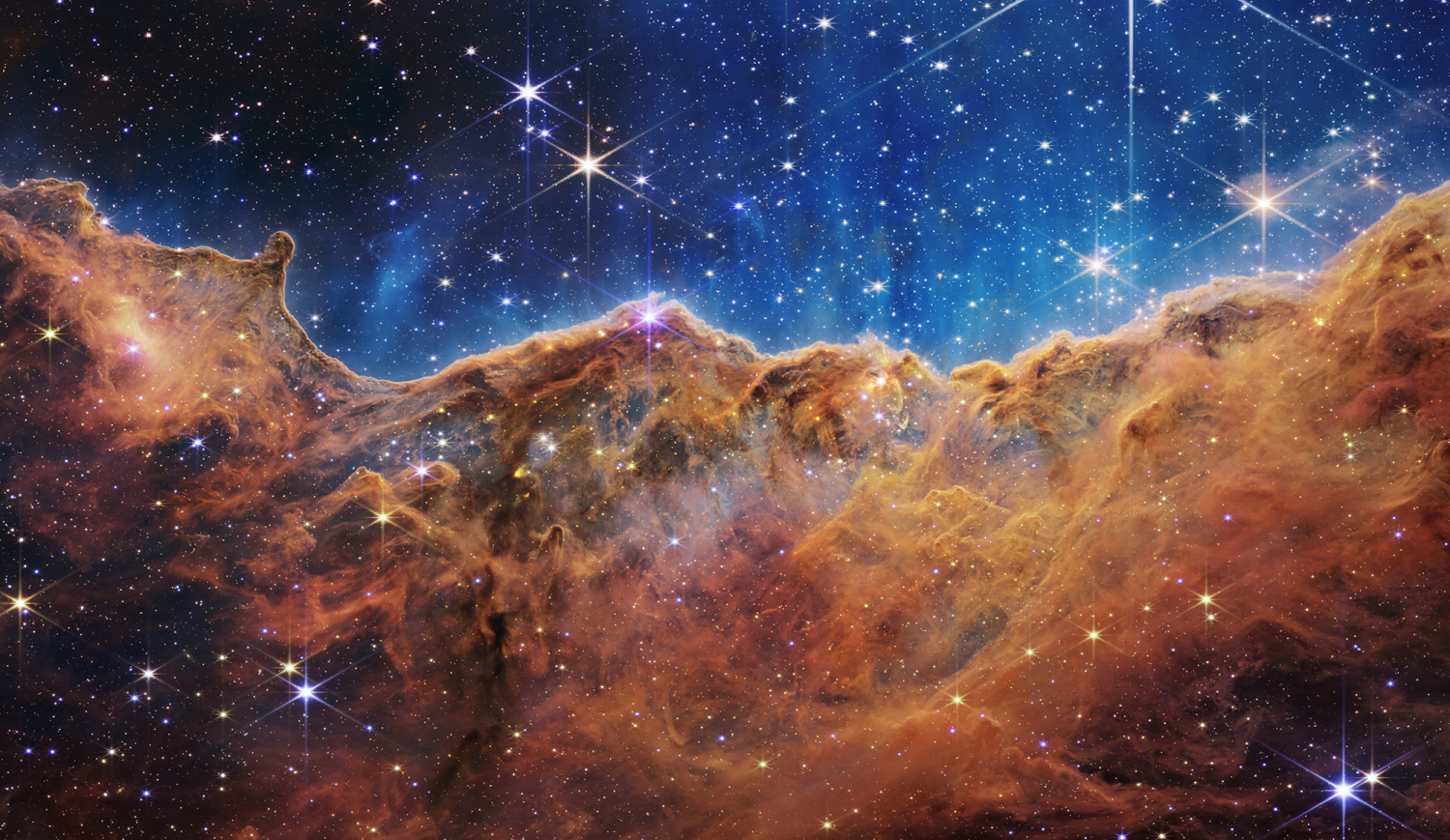
Carina Nebula

Above We are looking at very early star formations, details that only the Webb Space Telescope can capture
We are looking at very early star formations, details that only the Webb Space Telescope can capture
1 / 1
At a glance, the NGC 3324 region appears like mountains speckled with stars. Captured in infrared light by the incredible Webb Telescope, the three-dimensional picture shows the edge of a nearby, young, star-forming region within the NGC 3324 region in the Carina Nebula. These mountains are actually hot, ionised gas and hot dust coming from the Carina Nebula.
This image shows what the Hubble Telescope could not, which was previously hidden stars and areas of star birth.
The extreme sensitivity and spatial resolution of the Webb Telescope make it possible to capture very early star formation, which used to be difficult to do so as it only lasts around 50,000 to 10,000 years.
See also: The Hidden Stories of the Women in NASA
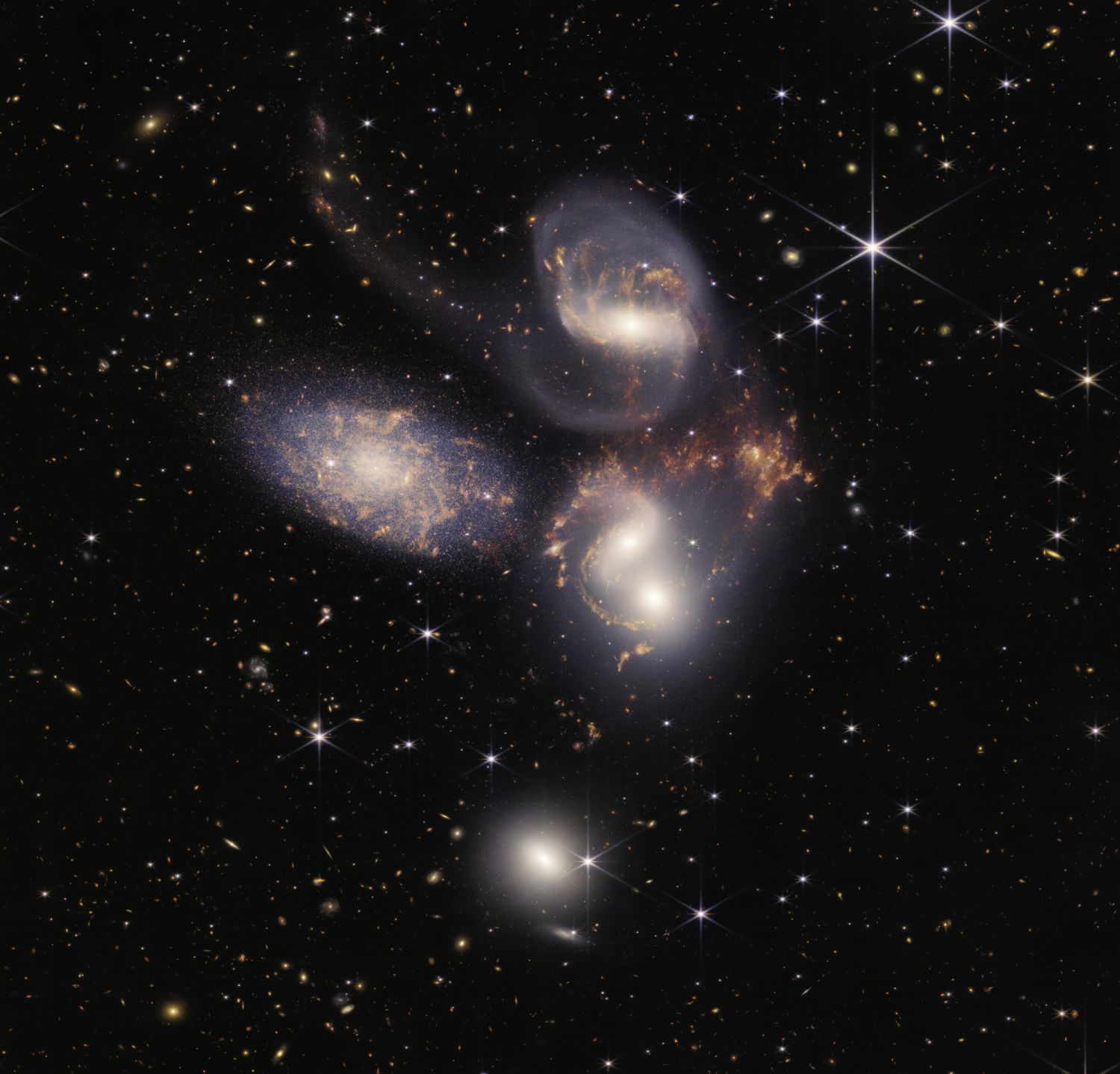
Stephan's Quintet
1 / 1
It is rare for scientists to see in so much detail how interacting galaxies trigger star formation and how its gas is being disturbed. Now, they can study Webb's view of Stephan's Quintet closer to better understand the structures and processes of galaxies.
A clearer image of Stephan's Quintet, a grouping of five galaxies located in the constellation Pegasus, is Webb's largest image to date. It is constructed from 1,000 separate image files and contains more than 150 million pixels.
Southern Ring Nebula
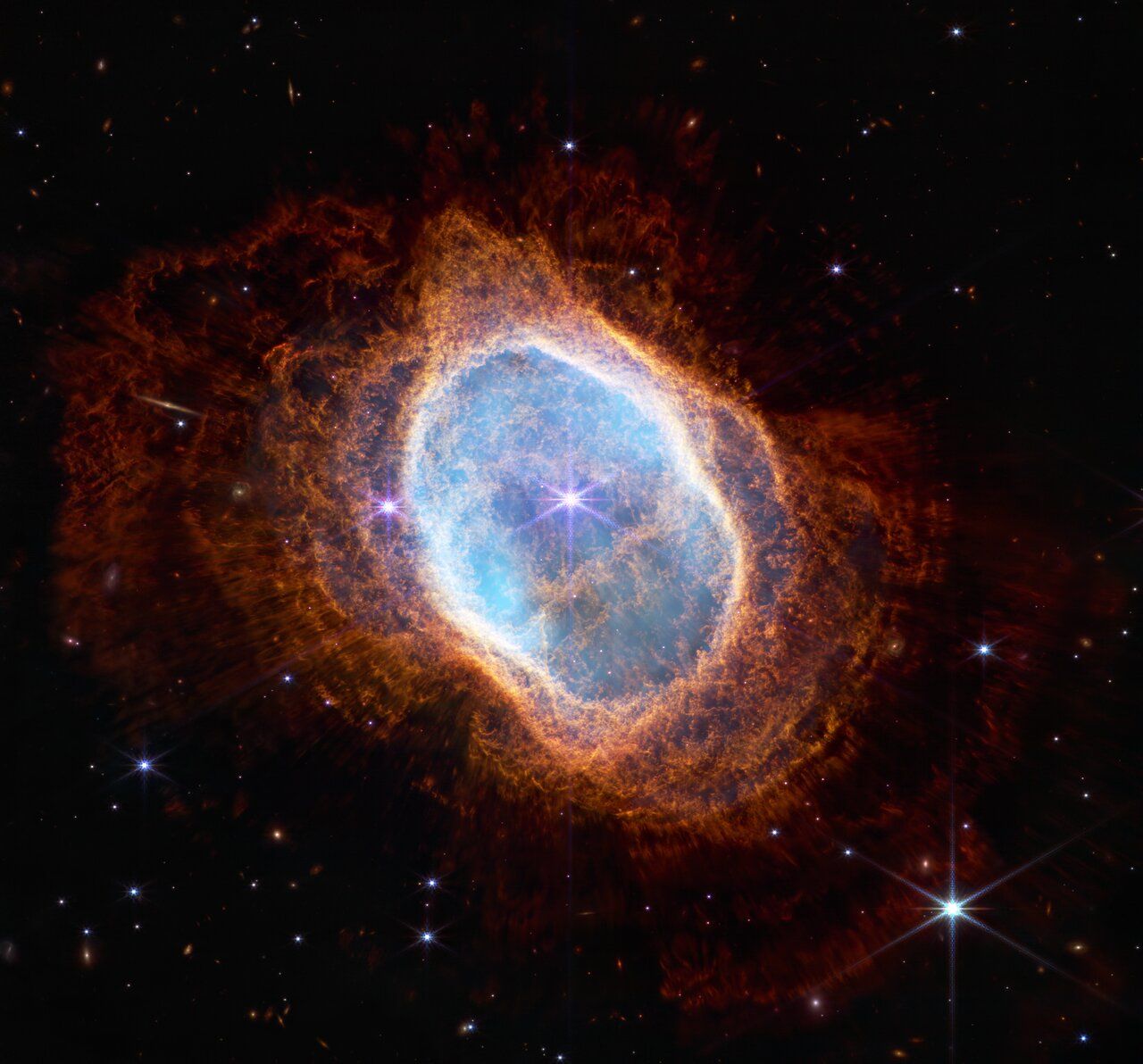
Above The bright star at the centre of NGC 3132, while prominent when viewed by the NASA/ESA/CSA James Webb Telescope in near-infrared light, plays a supporting role in sculpting the surrounding nebula. A second star, barely visible at lower left along one of the bright starâs diffraction spikes, is the nebulaâs source. It has ejected at least eight layers of gas and dust over thousands of years. But the bright central star visible here has helped âstir the potâ, changing the shape of this planetary nebul
The bright star at the centre of NGC 3132, while prominent when viewed by the NASA/ESA/CSA James Webb Telescope in near-infrared light, plays a supporting role in sculpting the surrounding nebula. A second star, barely visible at lower left along one of the bright starâs diffraction spikes, is the nebulaâs source. It has ejected at least eight layers of gas and dust over thousands of years. But the bright central star visible here has helped âstir the potâ, changing the shape of this planetary nebul
1 / 1
In this photo, we are able to see a dying star's final "performance". NASA's Webb has unveiled the second star at the centre of the Southern Ring Nebula as it orbits its companion while sending out rings of gas and dust for thousands of years.
Both stars orbit one another, almost like "stirring the pot" of gas and dust, which causes asymmetrical patterns. Thousands of years later, these layers of gas and dust will dissipate.
See also: 4 Billionaires Travelling To Space After Richard Branson
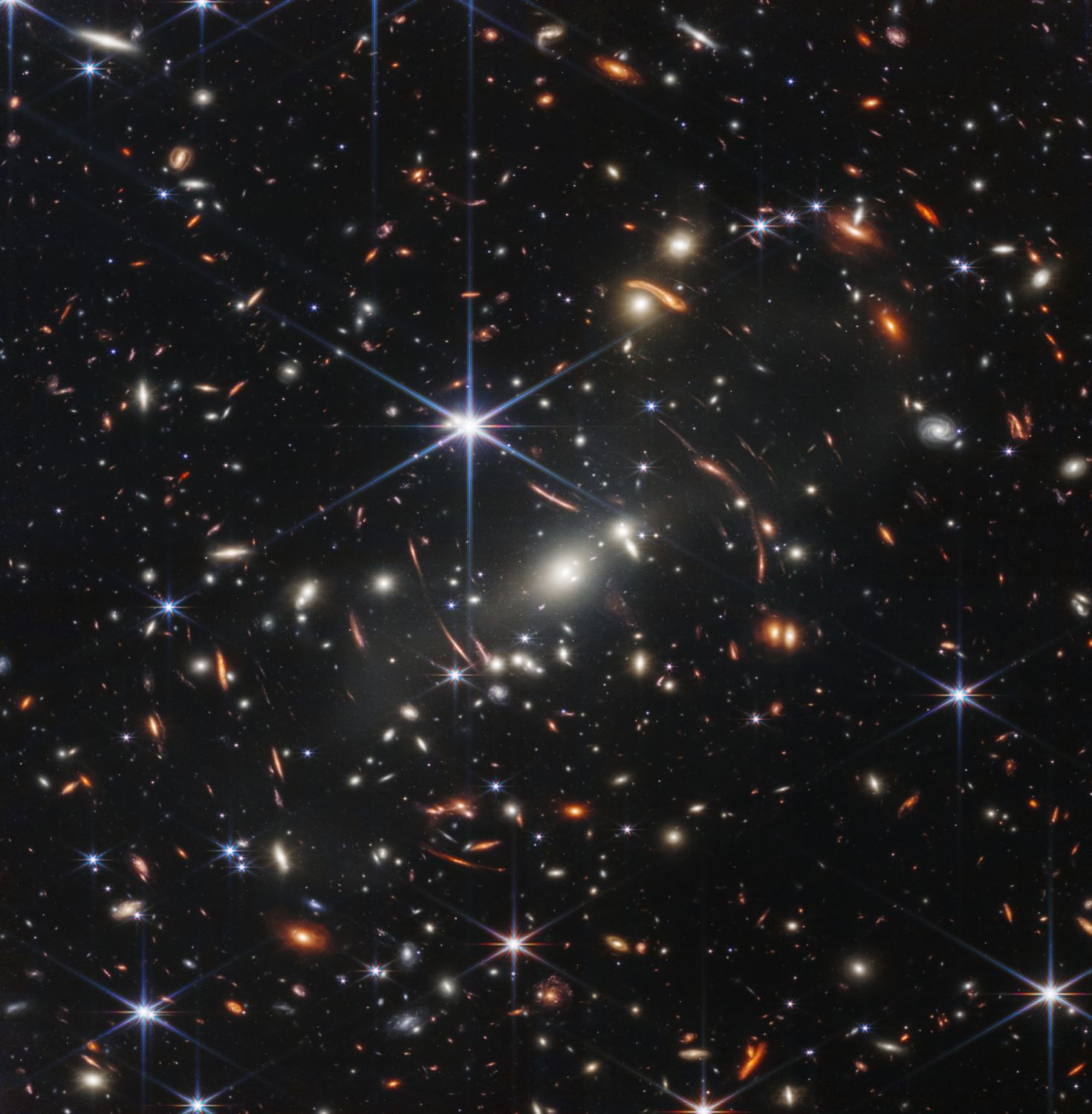
SMACS 0723
1 / 1
The photo above, known as Webb's First Deep Field, is the telescope's deepest and sharpest infrared image to date. The image shows a detailed view of the galaxy cluster SMACS 0723 as it appeared 4.6 billion years ago.
NASA's Webb was able to focus on distant galaxies, including their tiny, faint structures—such as star clusters and diffuse features—that no one has seen before.
With this data, scientists will now know how galaxies form, grow, and merge with each other and why some stop forming stars.
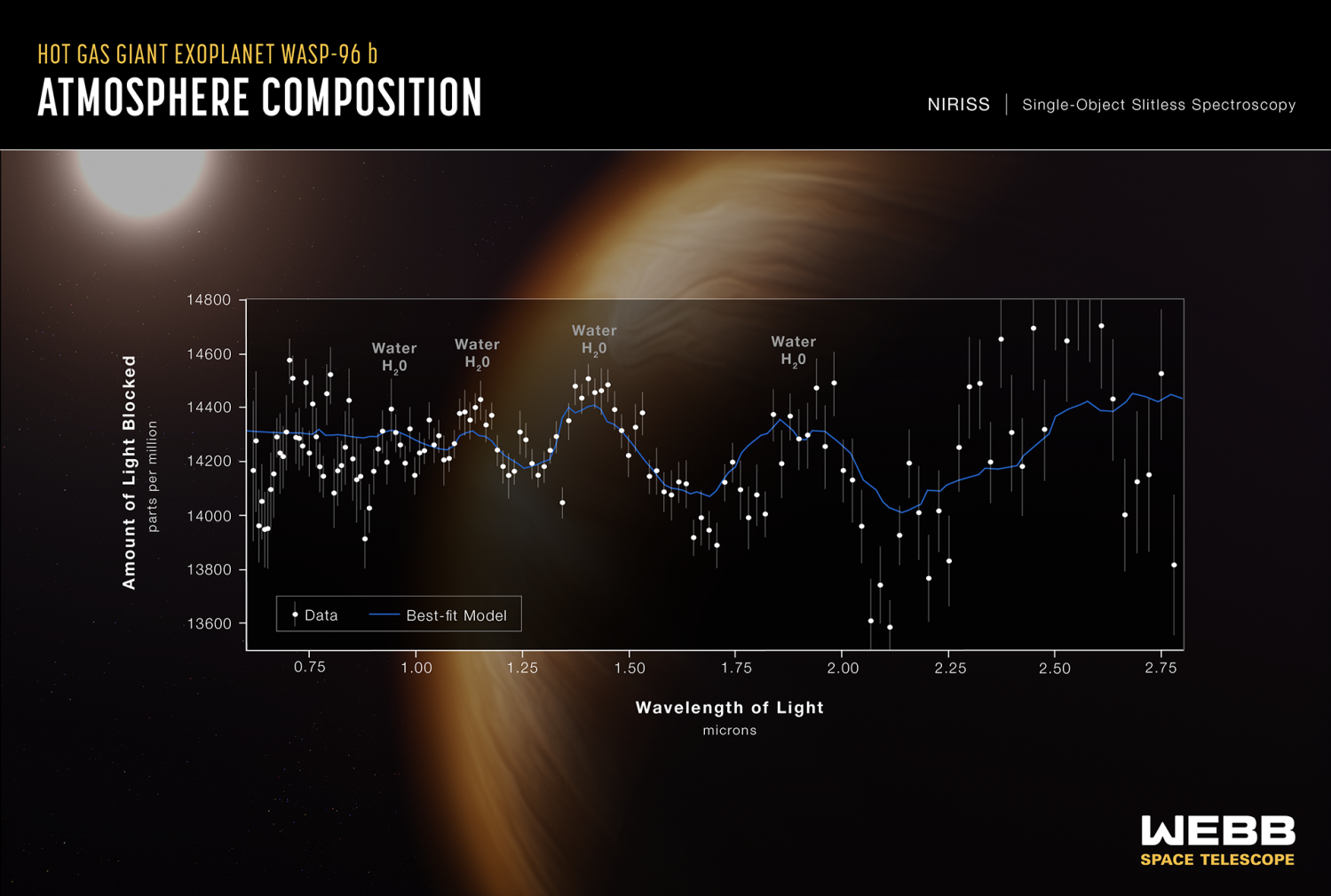
Atmosphere Composition
1 / 1
Webb has the ability to analyse atmospheres, even those that are hundreds of light-years away. This explains how it captured the distinct signature of water and evidence for clouds and haze in the atmosphere surrounding a hot gas giant planet orbiting a distant Sun-like star.
This means Webb might provide the answer to humanity's quest for other habitable planets.
NOW READ
Beaver Moon and the Longest Eclipse in History? Here's What We Know So Far
5 Trailblazing Women In The World Of Tech
Flying Cars Are Here: Get Your Hands On An ASKA™ Drive & Fly Vehicle By 2026
Credits
Images: NASA, ESA, CSA, and STScI

Christine Andas is a features writer and the style lead of Tatler Philippines. She mostly covers style-related content but enjoys writing about space, sneakers, and her favourite stars. She acquired a master's degree in Creative Writing at the University of Santo Tomas and has written young adult short stories which can be read online.





