

Cover Dr Patrick Flores, curator of UP Vargas Museum
Dr Patrick Flores, curator of UP Vargas Museum
1 / 1
In this series of conversations with some of the country's reputable curators, gallery owners, and museum directors, we talk to Jorge B Vargas Museum and Filipiniana Research Center's curator Dr Patrick Flores
Working in a distinguished museum that also functions as a research centre can be daunting for many, but this is not the case for Dr Patrick Flores, who was born to be UP Vargas Museum's curator, both in its "bureaucratic and poetic" definition. Flores oversees the office's administrative aspects and the facility's upkeep. While doing so, he organises the framework for the care of the collection, exhibitions and related modes of access, and initiatives to reach out to the academic and general public.
The reputable institution known as the Jorge B Vargas Museum and Filipiniana Research Center runs a library and archives, aside from curating the collection of art, stamps, coins, and memorabilia. "The early years were exciting because I was able to style Vargas aesthetically and conceptually," Flores recalls. "One of the first things I did was to put up prominent signage of the institution. It defined the Vargas as a space and a destination. I also freed the glass walls from wood panels and let the scenery in. Now the spaces are porous, the feeling is light, and at night when the lights inside are lit, the building sparkles," he proudly says.
Read also: The Turning Point of Andres Barrioquinto's Magnificent Art

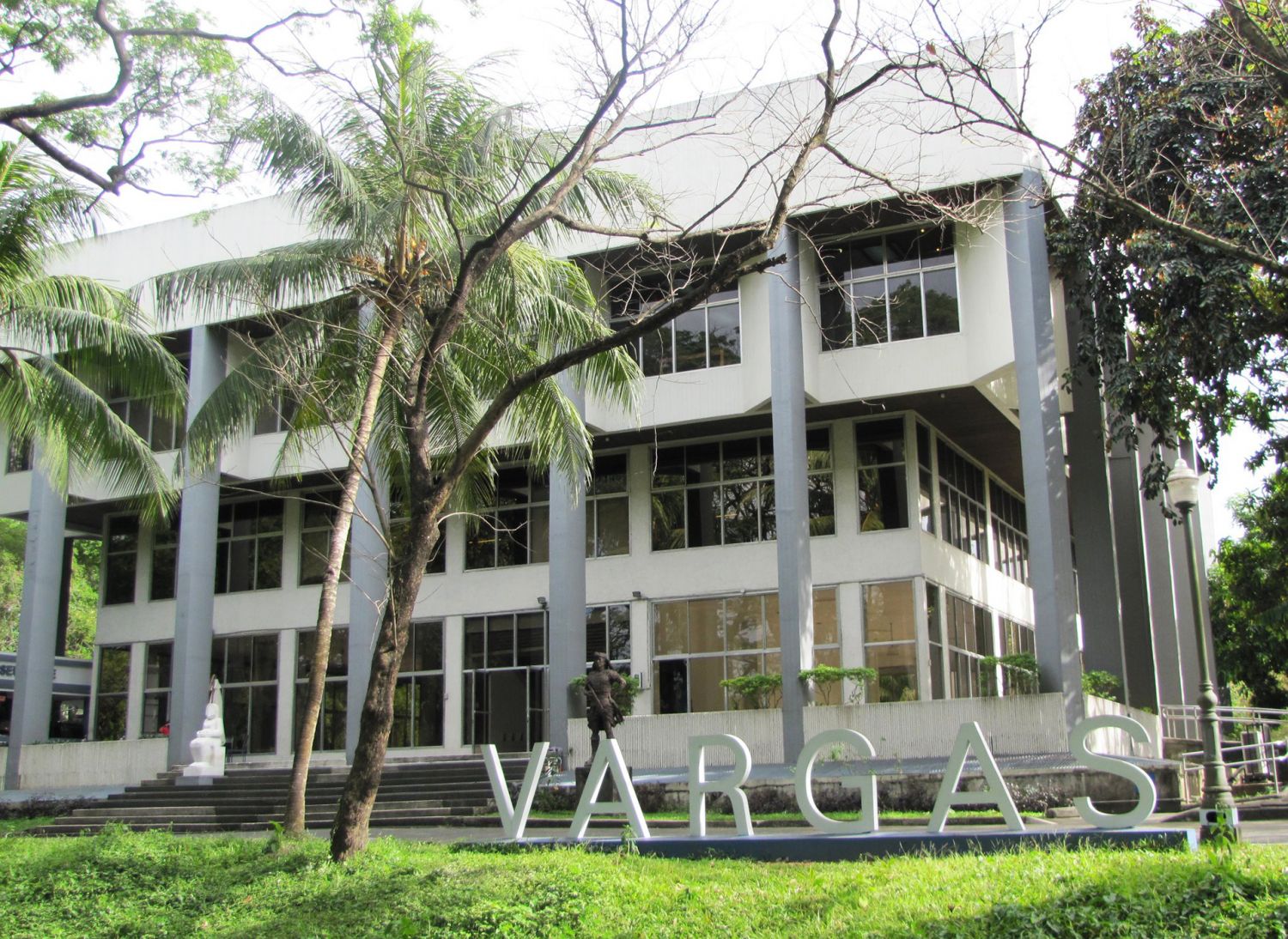
Above Exterior of the Vargas Museum. Photo courtesy the Jorge B Vargas Museum and Filipiniana Research Center.
Exterior of the Vargas Museum. Photo courtesy the Jorge B Vargas Museum and Filipiniana Research Center.
1 / 1
Flores has been in the curatorial business for decades now and remains today as one of the leading figures in the cultivation of both the current visual art scene and Philippine art history. He is a professor of art studies at the University of the Philippines, which he chaired from 1997 to 2003. He served as the artistic director of Singapore Biennale 2019, being the adjunct curator of the National Art Gallery in Singapore. He curated several outstanding shows here and abroad and helped write and edit several art books like those of the life of Purita Kalaw-Ledesma, arguably the mother of Philippine modern art, and Andres Barrioquinto, one of the most sought-after contemporary artists today in Southeast Asia.
Flores has fond memories of each exhibition he has mounted independently outside Vargas Museum, most particularly "Danas" (2004-2007) and "Bisa" (2011), the series of exhibitions and displays for the Fine Arts building of the National Museum in the Philippines in the mid-2000s. He is also, up to this day, proud of the work he contributed to the Gwangju Biennale in 2008, the series of exhibitions called "South by Southeast", which began in 2015, the Singapore Biennale in 2019, which unfortunately closed due to the pandemic, and most importantly to the return of the Philippines to the Venice Biennale in 2015 after over five decades of hiatus.
Read also: The UP Vargas Museum Opens a New Exhibit
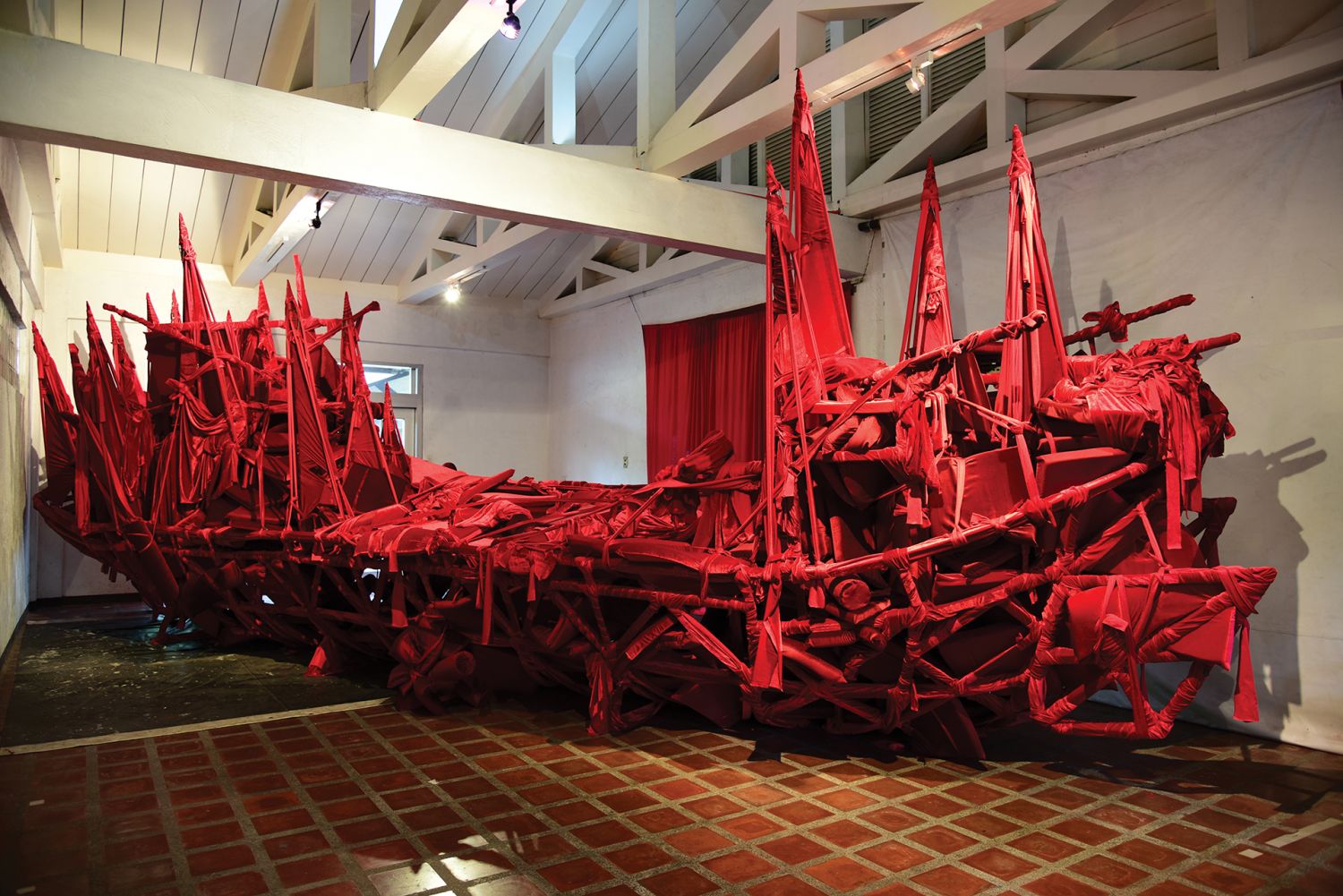
Above "Shoal", an art installation by Jose Tence Ruiz in
collaboration with Danilo Ilag-Ilag and Jeremy Guiab et al, photographed by Mm Yu (Photo: From Tatler Philippines' archives, May 2015 issue)
"Shoal", an art installation by Jose Tence Ruiz in collaboration with Danilo Ilag-Ilag and Jeremy Guiab et al, photographed by Mm Yu (Photo: From Tatler Philippines' archives, May 2015 issue)
1 / 1
With Flores labelling the other half of a curator's work as "poetic", it's interesting to know how he grasps an artist's identity and intention for an exhibition. "Largely through the history of their forays into the field and their lives before they came to be shaped by the art world," he answers. "I also look at their social sympathies besides their careers and coterie. For me, generosity and uncertainty are important. If the artist is too self-absorbed in his/her perceived talents and preconceived ideologies, I look away," he continues.
What are the things you consider when curating the layout of the exhibition?
The context of the space, which is more than just physical and architectural. I create a situation of osmosis. Works must relate, converse across their distinct integrities, [and] generate adjacencies. Spaces must also breathe, even as they can become intricate at the same time.
Read also: Tatler Philippines Presents its First-Ever Tatler Homes Design Awards
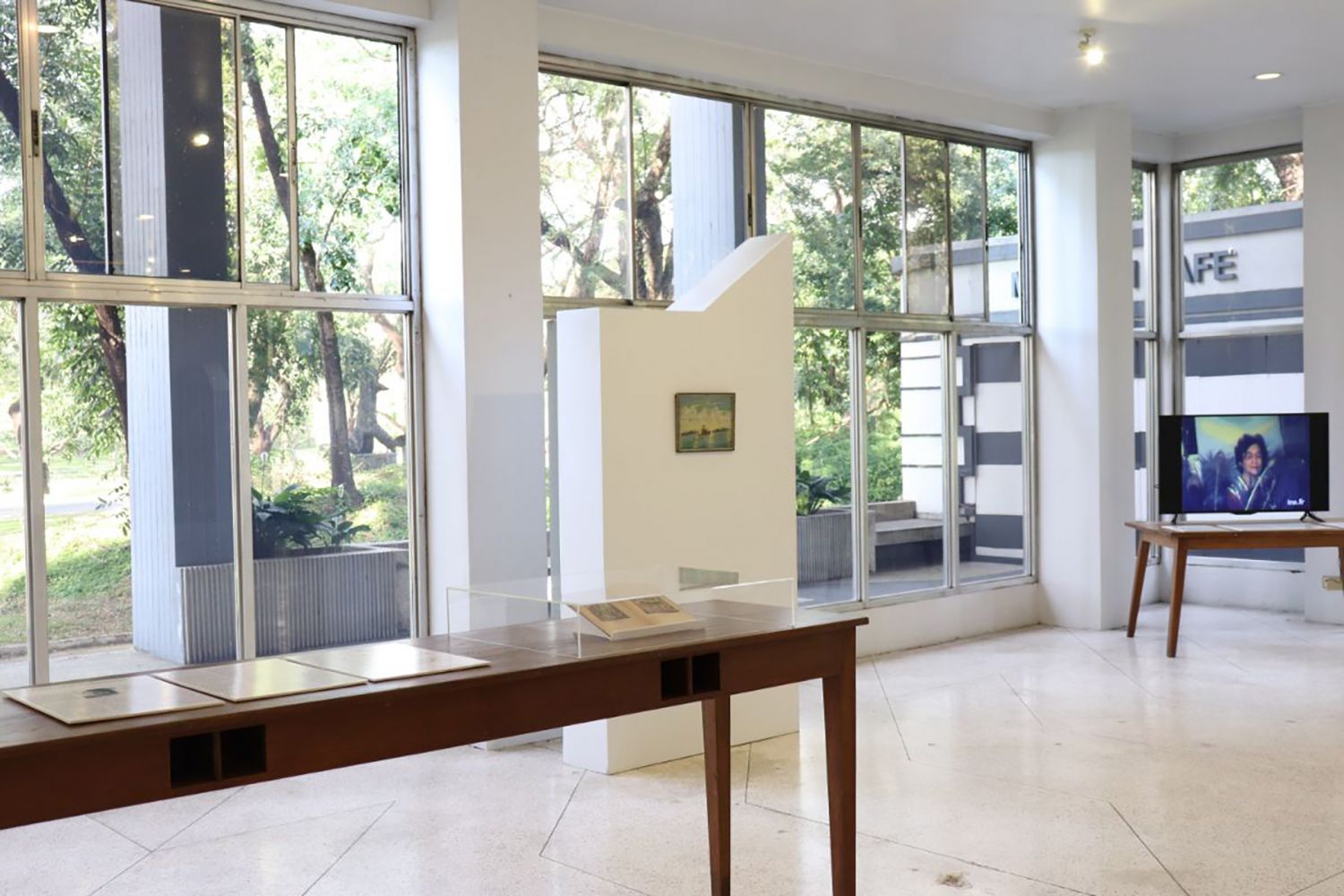
Above Installation photo of Patrick Flores's section "Nena Saguil: Interviews" in the exhibition "Proto/Para: Rethinking Curatorial Work" (2021). (Photo courtesy the Jorge B Vargas Museum and Filipiniana Research Center)
Installation photo of Patrick Flores's section "Nena Saguil: Interviews" in the exhibition "Proto/Para: Rethinking Curatorial Work" (2021). (Photo courtesy the Jorge B Vargas Museum and Filipiniana Research Center)
1 / 1
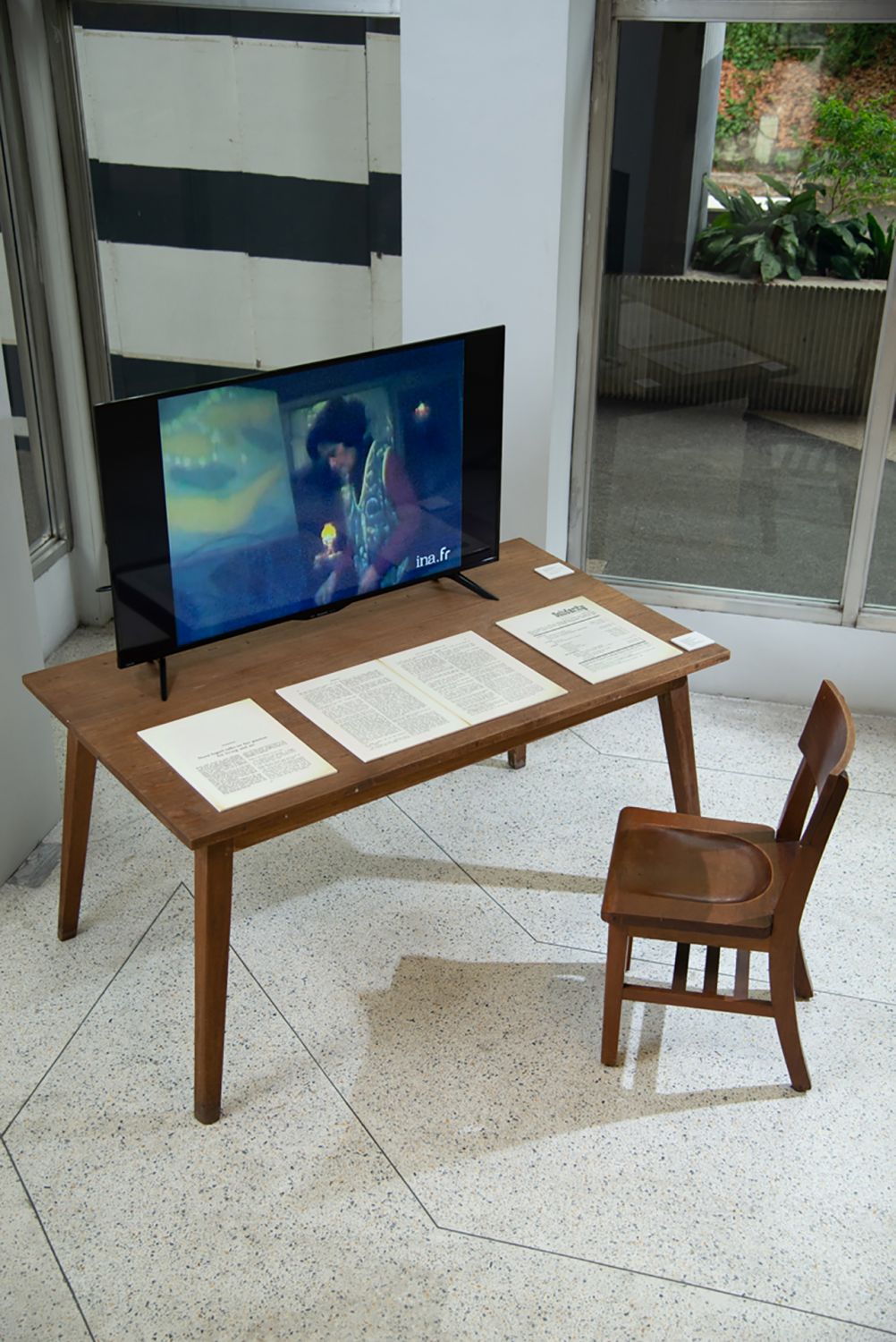
Above Installation photo of Patrick Flores's section "Nena Saguil: Interviews" in the exhibition "Proto/Para: Rethinking Curatorial Work" (2021). (Photo courtesy the Jorge B Vargas Museum and Filipiniana Research Center)
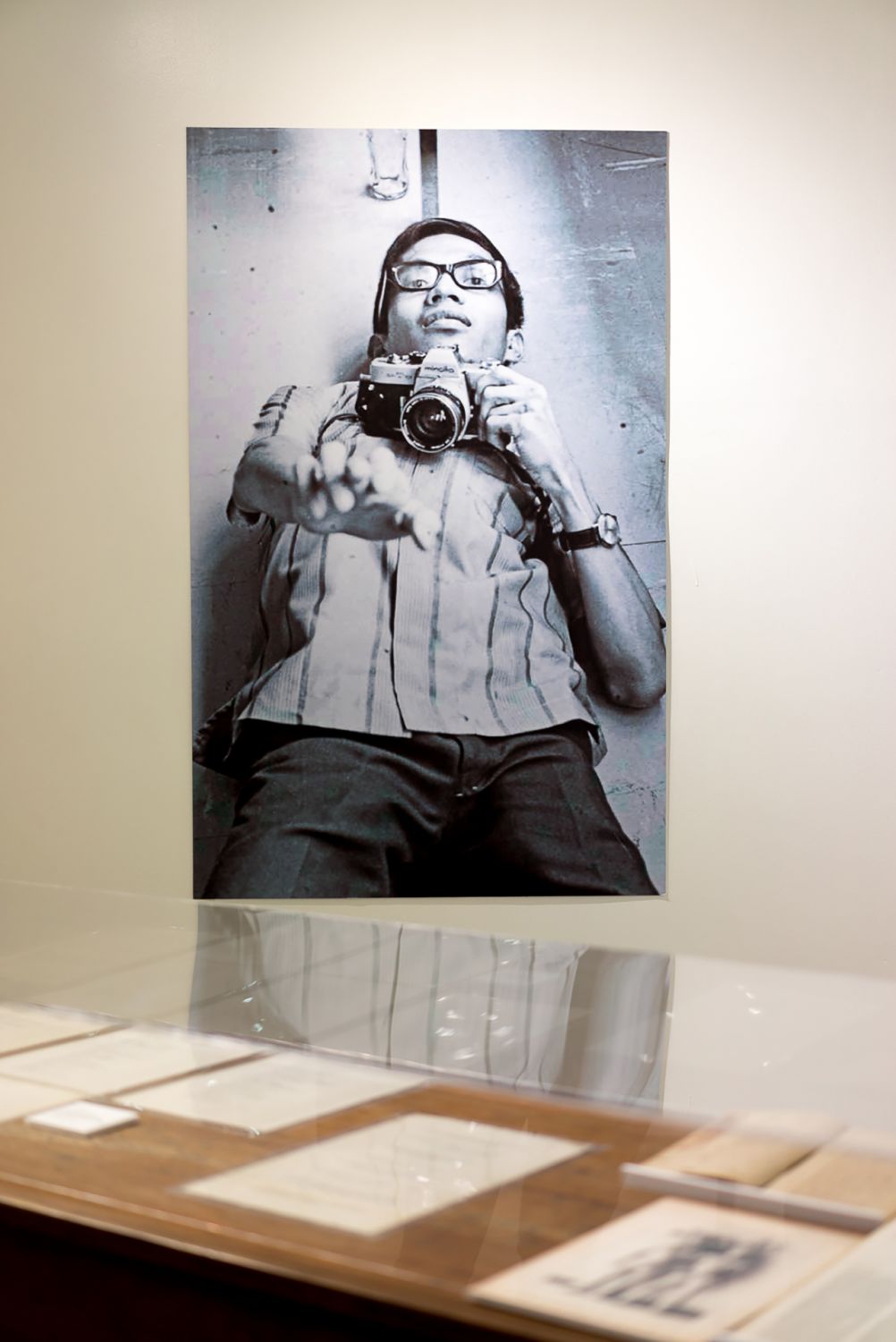
Installation photo of Patrick Flores's section "Nena Saguil: Interviews" in the exhibition "Proto/Para: Rethinking Curatorial Work" (2021). (Photo courtesy the Jorge B Vargas Museum and Filipiniana Research Center)
1 / 2
In doing historical exhibitions, what excites you the most?
Relationships between the materials and the intersecting contexts. And the chances of challenging the expectations of history or the "historical". Also, rendering easily recognisable objects interestingly strange or difficult, placed beside unpredictable materials, surrounding them with complications and the agencies of contact and sense. I'm drawn to a philosopher's phrase, "the sudden vicinity of things". For me, this is the curatorial condition.
What do you think of today's Philippine visual art scene?
It can be interesting. But it lacks discursive curiosity and patience with the process. It also needs to invest in a sense of speculation. It is quickly seduced by interests like the market, ideology, trends, and so on. Many parts of the scene are also low-risk, and those who tend to dare oftentimes make spectacles out of their perceived political virtues or confine themselves to an echo chamber of kindred self-anointed prophets.
Read also: Jaime Ponce de Leon: Connoisseur of the Finer Things
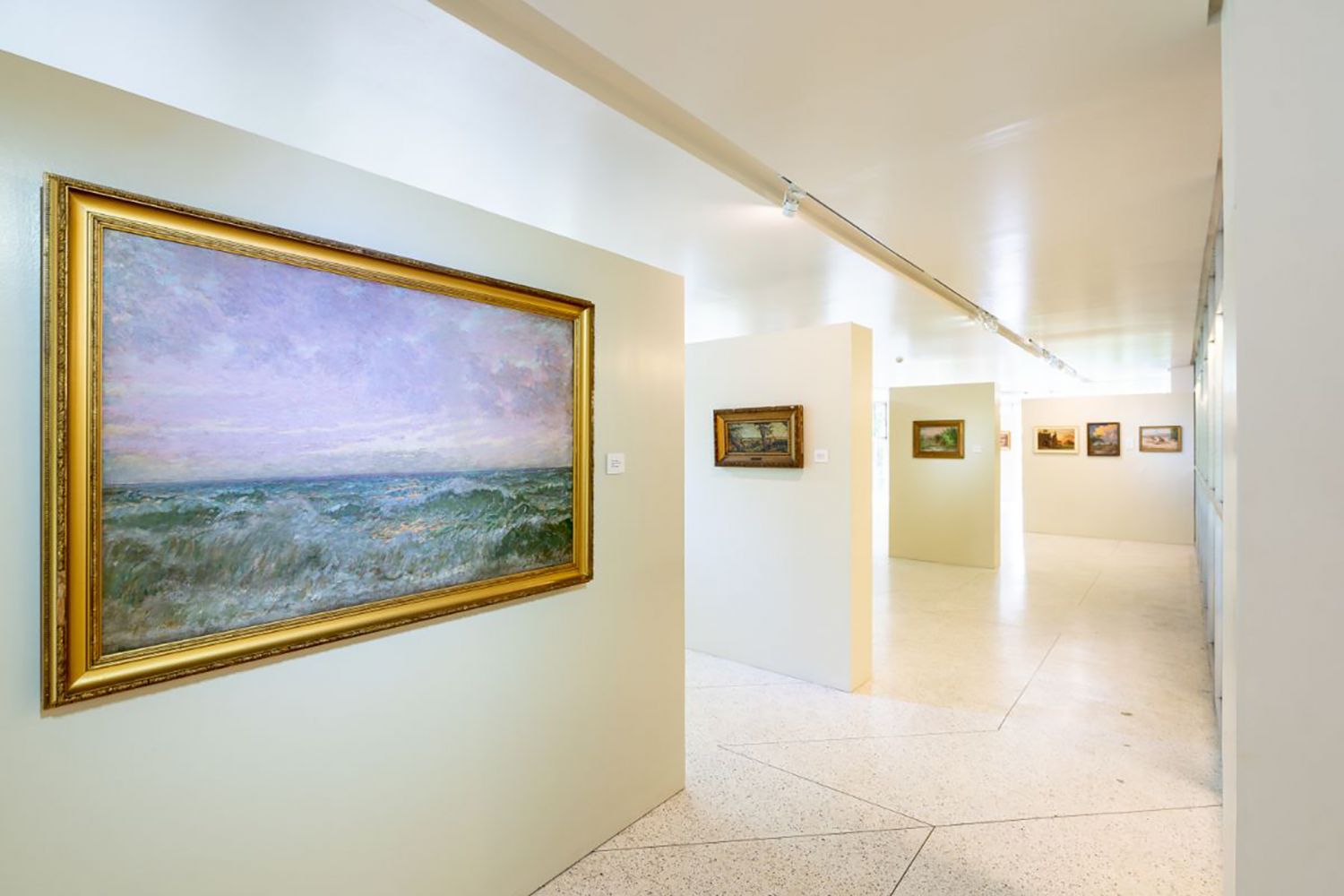
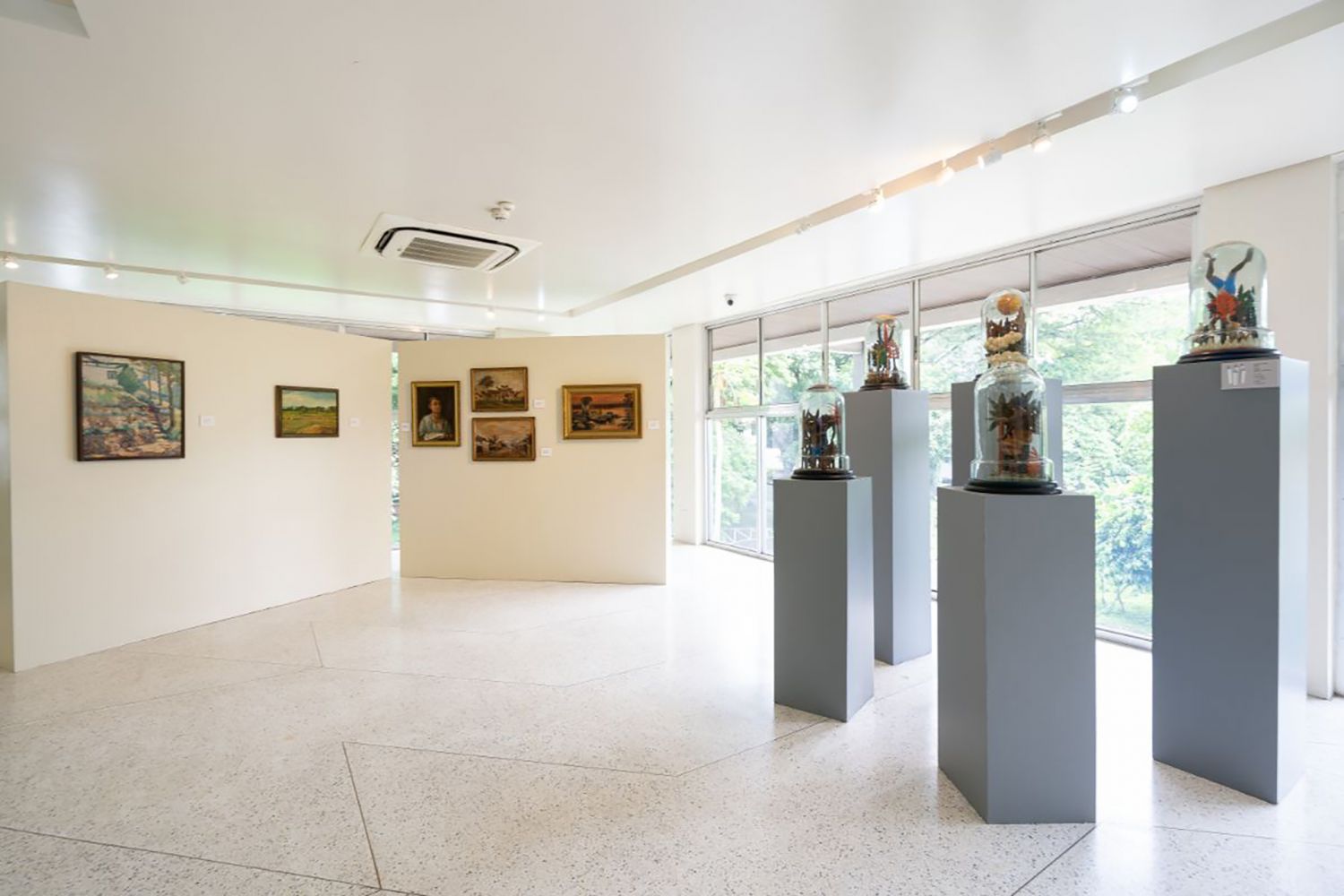
Above Installation photos of the Vargas Museum Collection (Photo courtesy the Jorge B Vargas Museum and Filipiniana Research Center)
Installation photos of the Vargas Museum Collection (Photo courtesy the Jorge B Vargas Museum and Filipiniana Research Center)
1 / 1
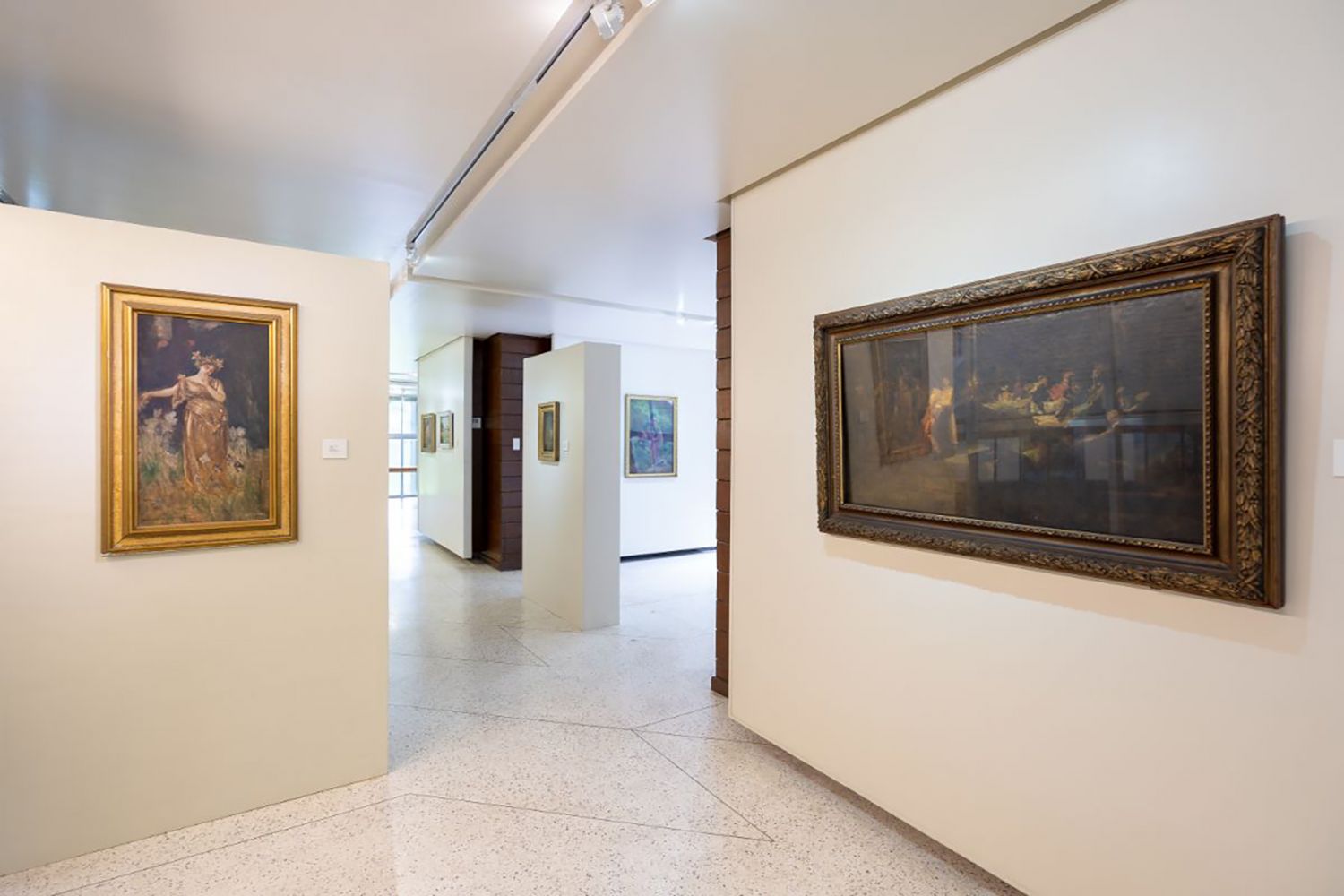
Above Installation photos of the Vargas Museum Collection. (Photos courtesy the Jorge B Vargas Museum and Filipiniana Research Center)
Installation photos of the Vargas Museum Collection. (Photos courtesy the Jorge B Vargas Museum and Filipiniana Research Center)
1 / 1
How about the education curriculum in arts, history, and culture? What should be improved?
A sense of history, an intuition for tension, and the excitement towards difference and equivalence. The artist must learn what skill is for, why sensibility matters, and how the efforts of others enable one's own attempts.
What do you love about your work?
That it is at once creative and critical. I am drawn to the encounter with difficult beauty, and the beauty of difficulty. And how they touch lives and hopefully transform the lifeworld.
Read also: The State of the Philippine Art Scene During the Covid-19 Pandemic
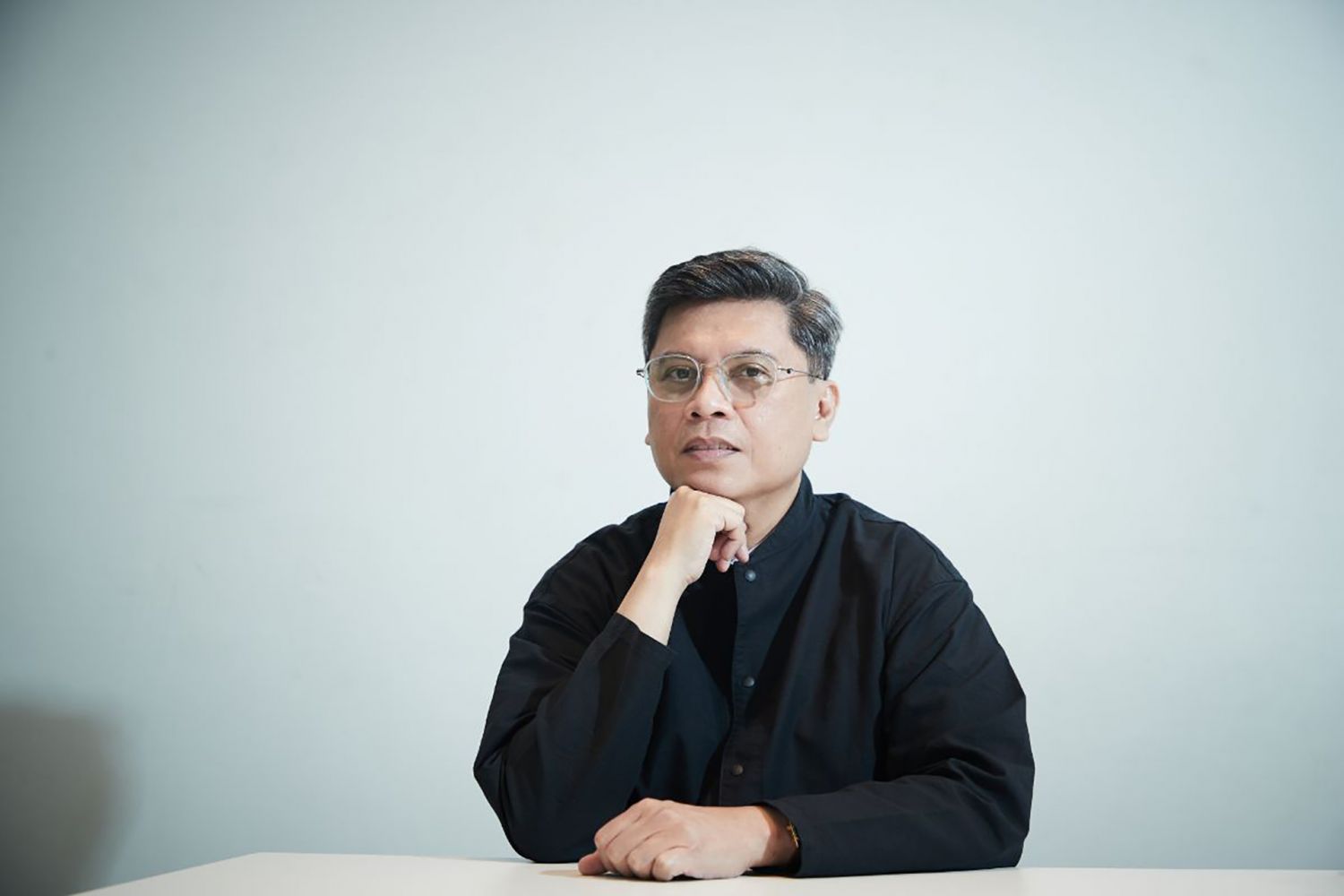
Above Dr Patrick Flores
Dr Patrick Flores
1 / 1
Favourite art movement or period...
For local, portraiture in the 19th century; Philippine art nouveau; women printmakers of the Seventies. For foreign, Les Nabis, early Netherlandish painting, Australian Aboriginal painting, Pittura Metafisica
Favourite artists
Locally, Francisco Coching, Nena Saguil, and Raymundo Albano. Internationally, Giotto, Petrus Christus, Filippo de Pisis, Eduardo Chillida, Joan Mitchell, Emily Kame Kngwarreye, Vija Celmins, Miroslaw Balka
Read also: EdukSine: The First and Only Filipino Online Streaming Platform is Here
1 / 1
What do you do in your downtime to fuel your creativity?
Travelling, walking, gardening.
What do art, history, and culture mean to you, personally, that made you fall in love with them?
Vitality, liveliness, strangeness, and commitment to doing things well.
NOW READ
Ricky Francisco Shares His Journey in the Art World
Enter a Multi-Sensory Filipino Exhibition at the 59th Venice Arts Biennale
What Does it Mean to be Original? Filmmaker Kidlat Tahimik Shares His Thoughts
Credits
Images: Courtesy of UP Vargas Museum

Franz writes about the local cultural scene and rediscovering the country’s storied past and rich heritage. He earned his bachelor’s degree in Journalism from the University of Santo Tomas and is currently pursuing a master's degree in Art Studies at the University of the Philippines Diliman. Besides working on this luxury lifestyle magazine, Franz is an avid book reader, local traveller, museum-goer, chorister, and community theatre playwright. But above all this, this Aether main spends more time in Teyvat than anywhere else.





